Scientists Target 'Undruggable' Pancreatic Cancer Protein, Nearly Double Patient Survival
Revolutionary drug daraxonrasib successfully attacks KRAS mutations that fuel most pancreatic tumors, offering hope for one of medicine's deadliest cancers.

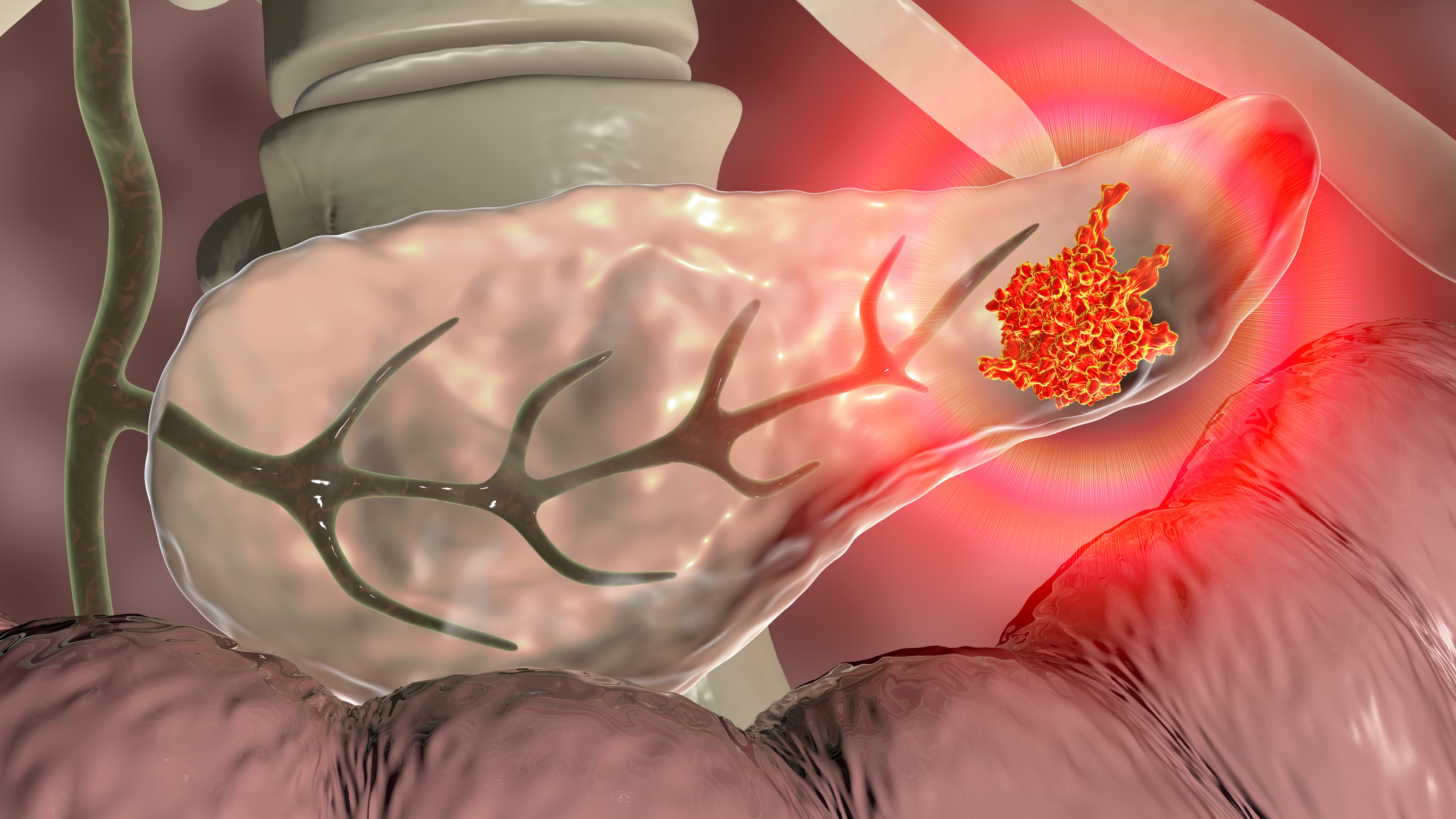
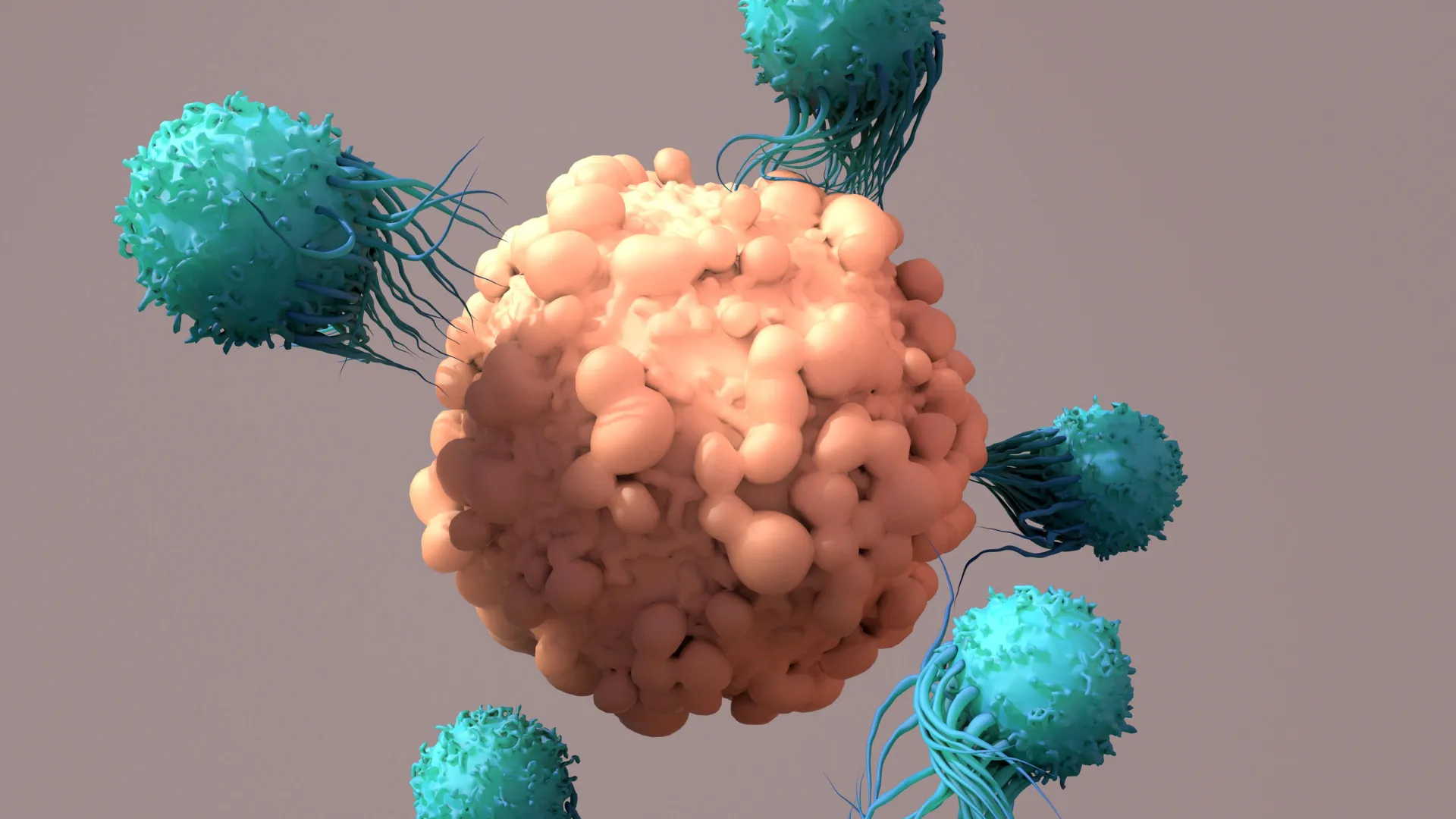
A groundbreaking new drug called daraxonrasib has achieved what many scientists considered impossible, successfully targeting the KRAS protein mutations that drive more than 90% of pancreatic cancers and nearly doubling survival times for patients with advanced disease. The treatment represents a major breakthrough in oncology, addressing what researchers have long called an "undruggable" target and offering new hope for a cancer that has historically had one of the lowest survival rates among all malignancies.
Pancreatic cancer has remained one of medicine's most formidable challenges, with approximately 97% of patients diagnosed with metastatic disease between 2015 and 2021 dying within five years. The disease is particularly deadly because it typically produces no noticeable symptoms in early stages, meaning most cases are discovered only after the cancer has spread to other organs. Traditional treatments have relied primarily on chemotherapy, which acts as a blunt instrument causing widespread cell destruction and significant side effects while providing limited effectiveness against the disease's underlying genetic drivers.
The KRAS gene codes for proteins that function as molecular switches controlling cell growth and division. When mutated, these switches become permanently stuck in the "on" position, commanding cancer cells to multiply endlessly. For decades, the KRAS protein's exceptionally smooth surface lacked the molecular pockets that conventional drugs require for binding, leading researchers to classify it as undruggable and forcing them to focus on less direct treatment approaches.
Daraxonrasib employs an innovative mechanism that circumvents the traditional binding problem by attaching to a helper molecule called cyclophilin A, which assists in protein folding. This protein complex can then successfully bind to the active KRAS protein and shut down its ability to signal cancer cells to multiply. The oral medication demonstrated remarkable efficacy in Revolution Medicines' Phase 3 clinical trial involving 500 patients with metastatic pancreatic cancer who had received prior treatment, reducing the risk of death by 60% compared to standard care.
The drug's success represents more than just a new treatment option; it validates an entirely new approach to targeting previously inaccessible cancer-driving proteins and could pave the way for similar breakthroughs in other difficult-to-treat malignancies. Beyond pancreatic cancer, KRAS mutations are found in numerous other cancer types, suggesting that daraxonrasib and related approaches could have broad applications across oncology. The achievement also demonstrates how innovative drug design strategies can overcome seemingly insurmountable biological obstacles, potentially opening new avenues for treating other diseases driven by "undruggable" proteins throughout medicine.