Single Protein Discovery Could Transform CAR T-Cell Cancer Therapy
Researchers found that disabling NFIL3 keeps engineered immune cells stronger for longer and improves tumor control in animal models.
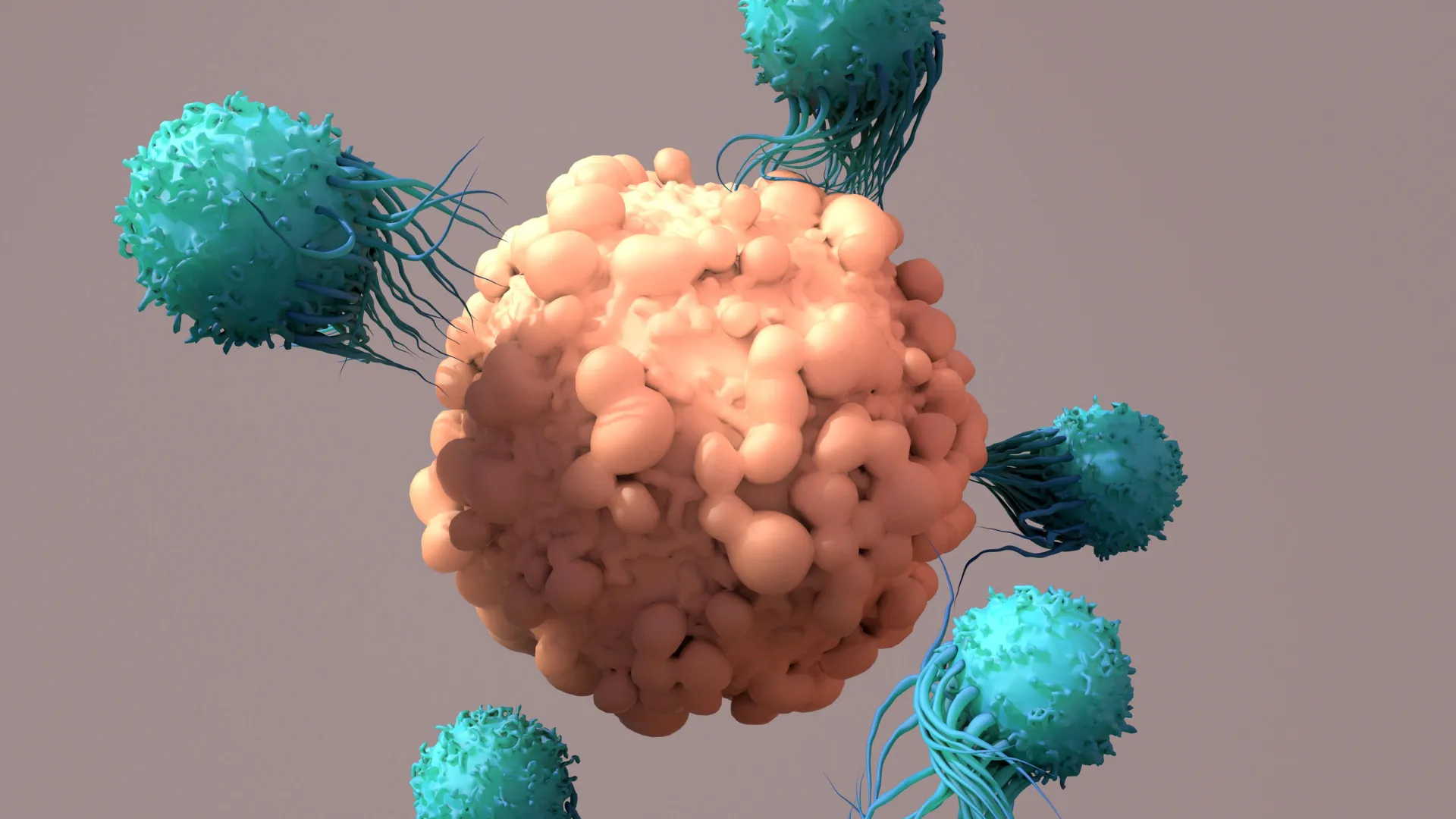
Scientists have identified a protein that may be one of the biggest obstacles preventing CAR T-cell therapy from reaching its full potential against cancer. Researchers from Columbia University and University Hospital Tübingen discovered that a protein called NFIL3 causes these engineered immune cells to become exhausted and lose their cancer-fighting power over time. When they disabled NFIL3 using gene-editing technology, the cells remained active longer and demonstrated superior tumor control in laboratory studies.
CAR T-cell therapy represents one of the most advanced forms of personalized cancer treatment available today. The approach involves collecting a patient's own immune cells, genetically modifying them to recognize and attack cancer cells, then returning them to the body to seek out and destroy tumors. While the therapy has produced remarkable results for certain blood cancers, it has been far less successful against solid tumors, prompting researchers to investigate the underlying limitations.
The international research team, led by Prof. Michel Sadelain at Columbia University and Prof. Judith Feucht at University Hospital Tübingen, conducted a comprehensive analysis of roughly 400 transcription factors to identify what limits CAR T-cell performance. Sadelain is widely recognized as one of the pioneers of CAR T-cell therapy and has played a key role in its development and clinical implementation. Their investigation pointed directly to NFIL3 as a major contributor to CAR T-cell exhaustion.
Using CRISPR/Cas9 gene-editing technology, often described as genetic scissors, the researchers precisely disabled the gene responsible for producing NFIL3. The results were striking: CAR T cells lacking the protein stayed active for longer periods, multiplied more efficiently, and maintained stronger anti-tumor effects in multiple mouse models. The benefits extended survival times and improved tumor control across several different experimental systems.
Prof. Feucht emphasized the potential clinical significance of these findings: "Switching off NFIL3 could be a decisive step toward significantly improving the long-term potency of CAR T cells." The research team believes this discovery could particularly benefit patients with solid tumors, which have proven more challenging to treat with current CAR T-cell approaches. Celina May, co-first author of the study, noted that "we expect this to open up new possibilities in the treatment of cancer patients," suggesting the work could lead to more effective treatments for cancers that currently respond poorly to immunotherapy.