Scientists Achieve Revolutionary Gene Editing Breakthrough in Human Embryos
Researchers use advanced CRISPR technique to precisely edit embryo genes for the first time, raising both hope and ethical concerns.

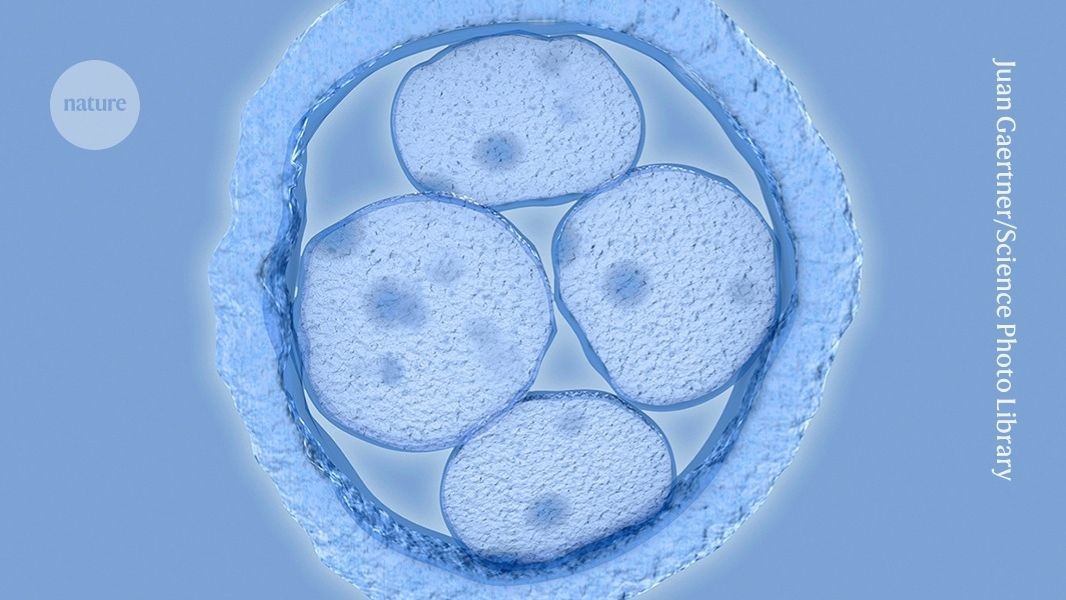
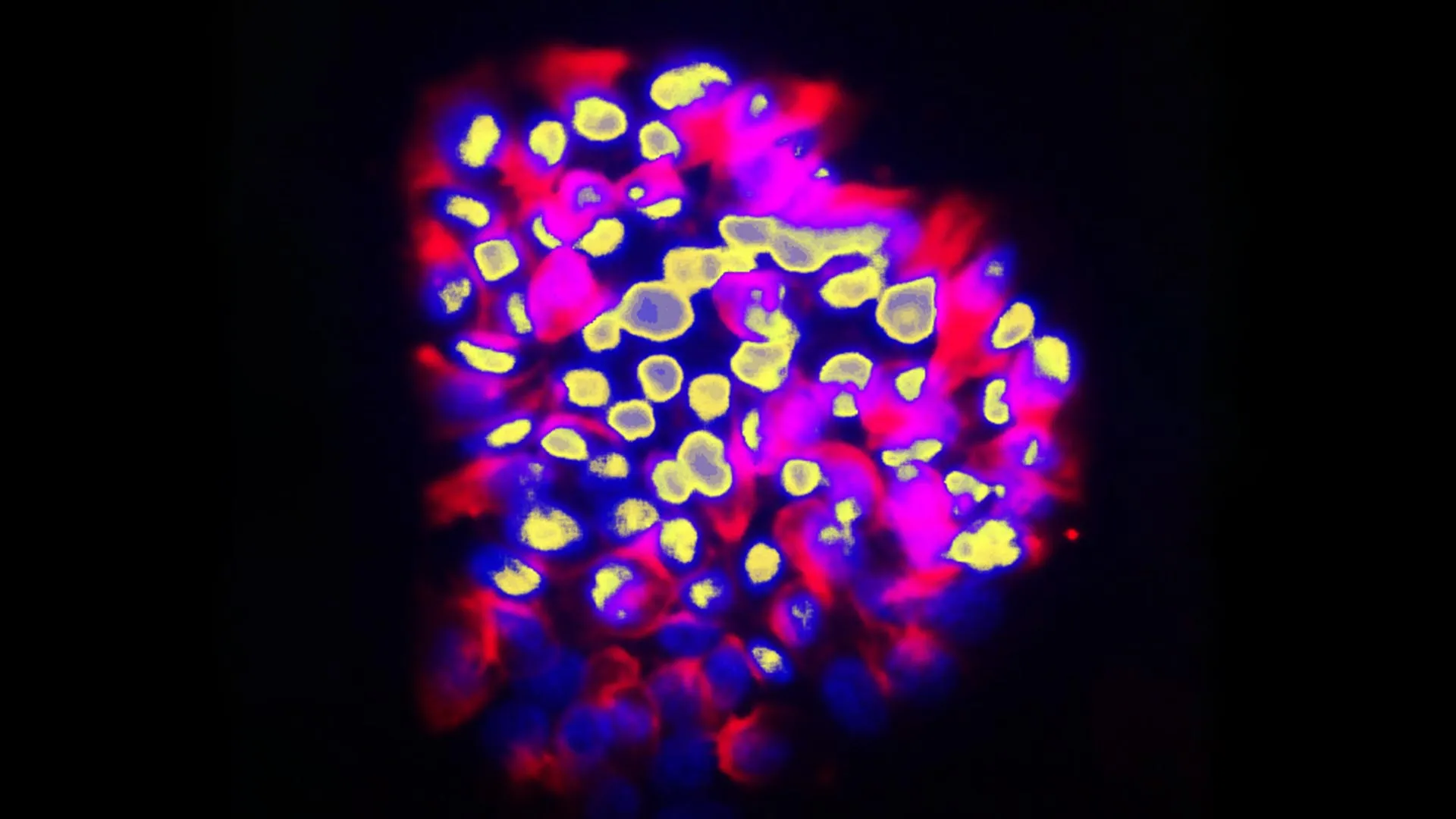
Scientists have achieved a groundbreaking milestone in genetic engineering by successfully performing precise gene editing on human embryos for the first time. The research team relied on an advanced gene-editing technique that represents a significant evolution beyond traditional CRISPR methods, potentially opening new pathways for treating genetic diseases before birth while simultaneously raising profound ethical questions about the future of human genetic modification.
The breakthrough involves a newer, more sophisticated approach to gene editing that allows researchers to make highly specific changes to embryonic DNA with unprecedented accuracy. Unlike previous attempts at embryo modification, which often resulted in unintended genetic alterations, this technique appears capable of making targeted edits without causing unwanted side effects in surrounding genetic material. The precision of the method has long been considered essential for any potential therapeutic applications.
The achievement has generated intense interest among medical researchers who see potential applications for preventing serious genetic disorders. Conditions caused by single-gene mutations, such as cystic fibrosis, sickle cell disease, and Huntington's disease, could theoretically be corrected before an embryo develops into a fetus. However, the research remains in early experimental stages, and clinical applications are likely years away pending extensive safety testing and regulatory approval.
Bioethicists have expressed significant concerns about the implications of precise embryo editing, particularly regarding the potential for enhancement rather than treatment of disease. The ability to edit human embryos raises questions about which genetic modifications should be considered acceptable and who should have access to such technologies. Critics worry that the technique could eventually lead to attempts to enhance human traits like intelligence or physical appearance, creating ethical dilemmas about genetic equality and the nature of human identity.
The researchers emphasized that their work focused purely on demonstrating the technical feasibility of precise embryo editing rather than moving toward clinical applications. Nevertheless, the success of the technique marks a pivotal moment in genetic medicine that will likely accelerate debates about the appropriate boundaries for human genetic modification. International regulatory bodies are expected to closely examine the research as they develop guidelines for future embryo editing studies.