New AI Tool Predicts Cancer Metastasis With 80% Accuracy Across Multiple Tumor Types
University of Geneva researchers found cancer spread follows a predictable molecular program, and their MangroveGS tool can read it from standard tumor RNA sequencing.
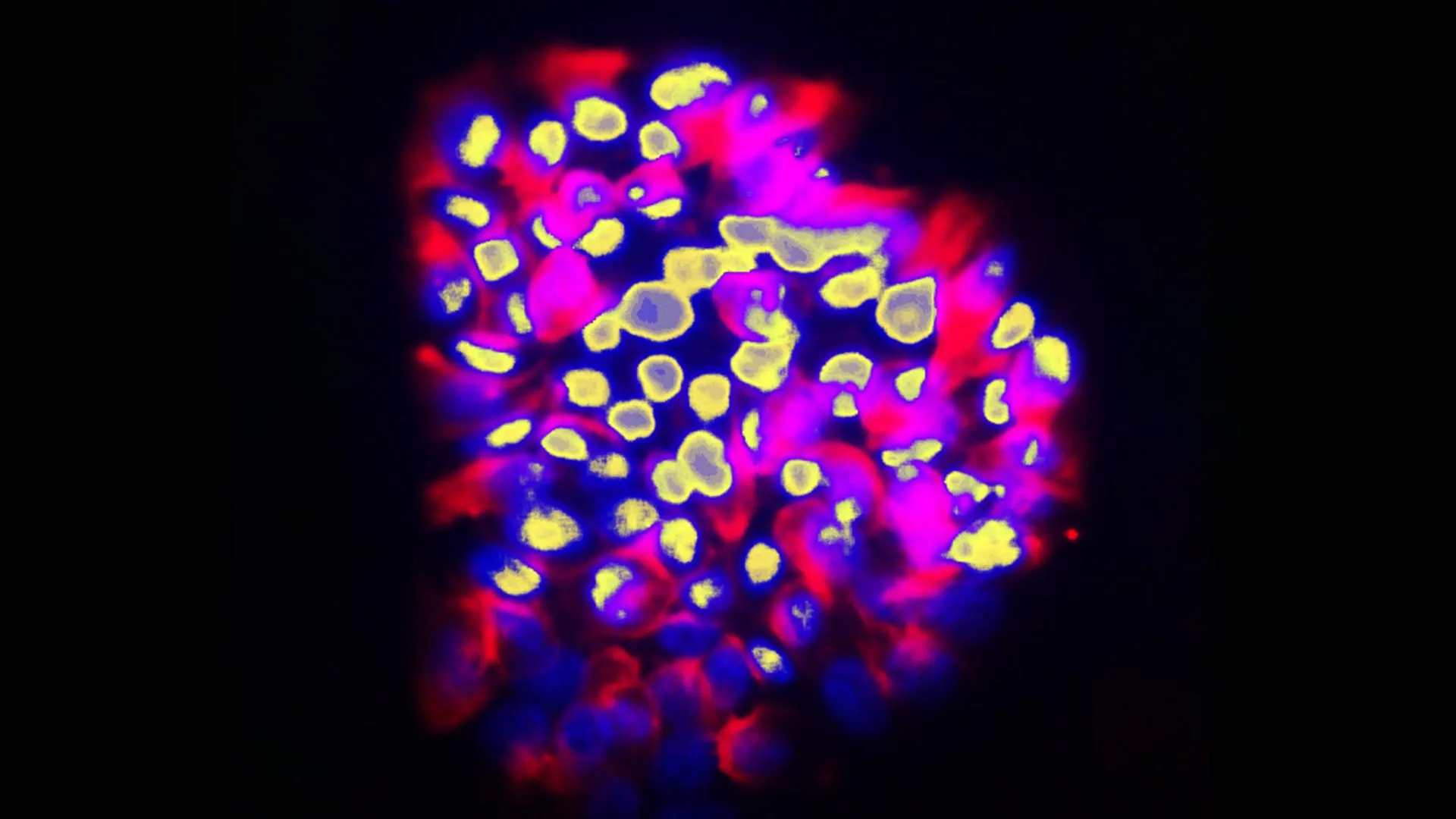
Scientists at the University of Geneva have developed an artificial intelligence system that can predict whether a patient's cancer will spread to other organs with approximately 80 percent accuracy — outperforming all existing methods and working across multiple cancer types from a single framework. The tool, called MangroveGS (Mangrove Gene Signatures), analyzes the patterns of gene activity in a patient's tumor cells and identifies a biological "program" that determines metastatic risk, according to research published Tuesday in the journal Cell Reports.
The research was led by Professor Ariel Ruiz i Altaba and his team at UNIGE's Department of Molecular and Cellular Biology, working with co-authors Aravind Srinivasan and Arwen Conod. The team's central insight is that cancer spread does not happen randomly — it follows a predictable molecular trajectory encoded in the tumor's gene expression profile. Unlike previous AI models that focused on single gene mutations or small panels of biomarkers, MangroveGS exploits the combined signal from hundreds of gene signatures simultaneously, making it substantially more robust to the individual genetic variation that had undermined earlier predictive tools.
In validation studies, the model achieved close to 80 percent accuracy in predicting both metastasis and recurrence in colon cancer patients — a disease in which the decision to pursue aggressive adjuvant chemotherapy after surgery is among the most consequential and uncertain choices in oncology. Critically, the same gene signatures derived from colon cancer proved predictive in stomach, lung, and breast cancer as well, suggesting that MetaRisk reflects a common cellular mechanism rather than a cancer-type-specific quirk. "We discovered that cancer spread follows a kind of biological program," Ruiz i Altaba said. "And if you can read that program early enough, you can intervene before metastasis occurs."
The clinical pathway from prediction to treatment is straightforward by laboratory standards. Surgically removed tumor tissue is sent for RNA sequencing, and MangroveGS processes the resulting gene expression data to generate a risk score within hours. That score is transmitted through an encrypted secure platform to the treating physician, who can use it alongside conventional staging information to decide whether to escalate or de-escalate therapy. The researchers emphasize that the tool does not replace clinical judgment but provides an independent, high-resolution signal that existing prognostic tests have not delivered.
The medical community greeted the results with cautious optimism. Dr. Johanna Bendell, a gastrointestinal oncologist at Sarah Cannon Research Institute in Nashville who was not involved in the study, called the cross-cancer applicability "the most compelling finding" and said it warranted rapid validation in prospective clinical trials. The study cohort, while large relative to most academic biomarker studies, was retrospective — meaning the predictions were tested against outcomes that had already occurred rather than in a real-world prospective setting. UNIGE researchers said they are in discussions with hospitals in Switzerland, France, and the United States to launch such trials, and are also exploring partnerships with commercial genomics laboratories to broaden access. If the accuracy holds in prospective validation, MangroveGS could reach clinical use within three to five years.