Science
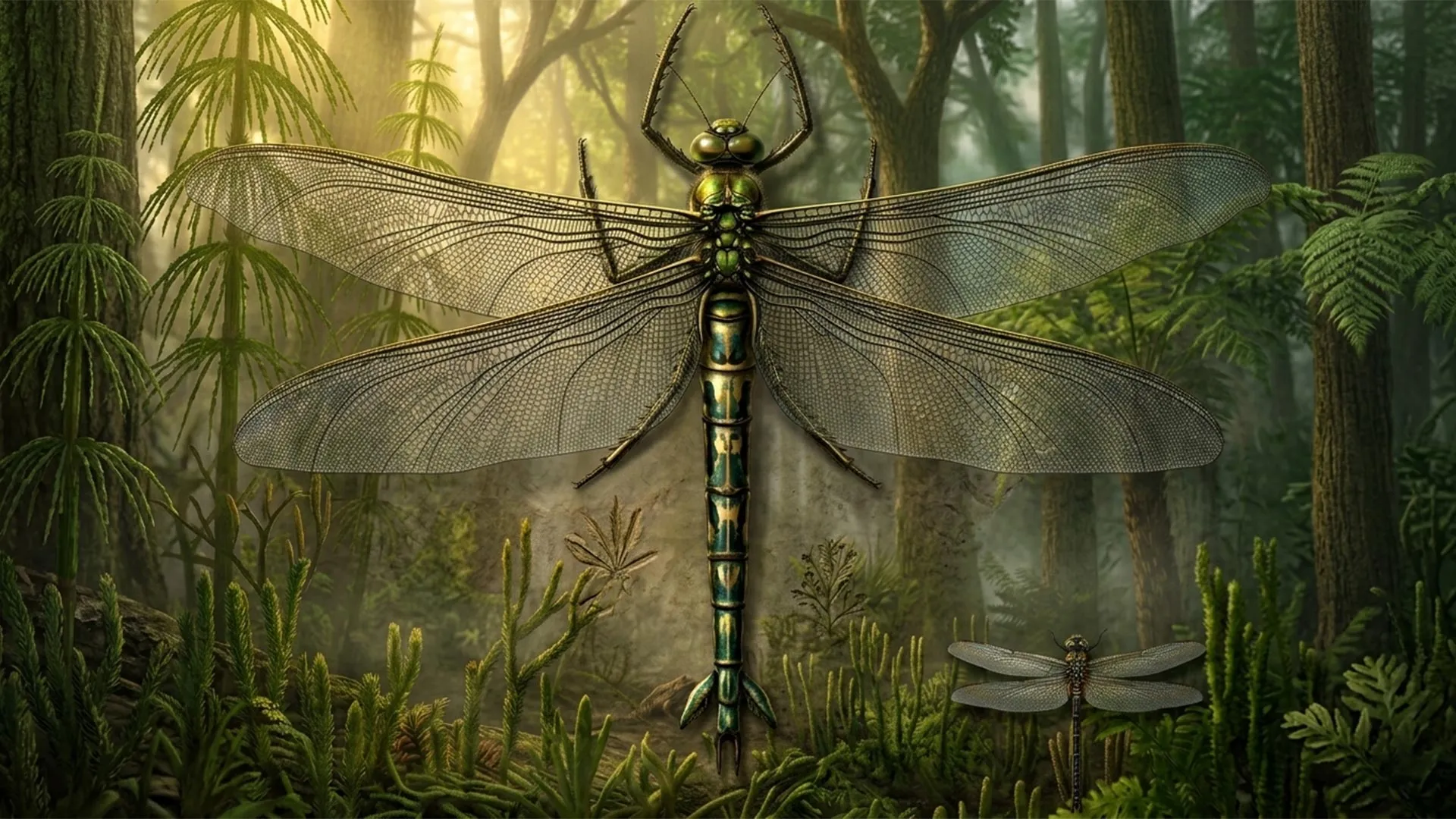
Giant Prehistoric Insects Didn't Need High Oxygen Levels After All, Study Reveals
New research overturns decades-old theory about massive ancient dragonflies, showing oxygen alone can't explain their enormous size.
Section
Science news: space, biology, climate, medicine and the research changing how we live.
New research overturns decades-old theory about massive ancient dragonflies, showing oxygen alone can't explain their enormous size.
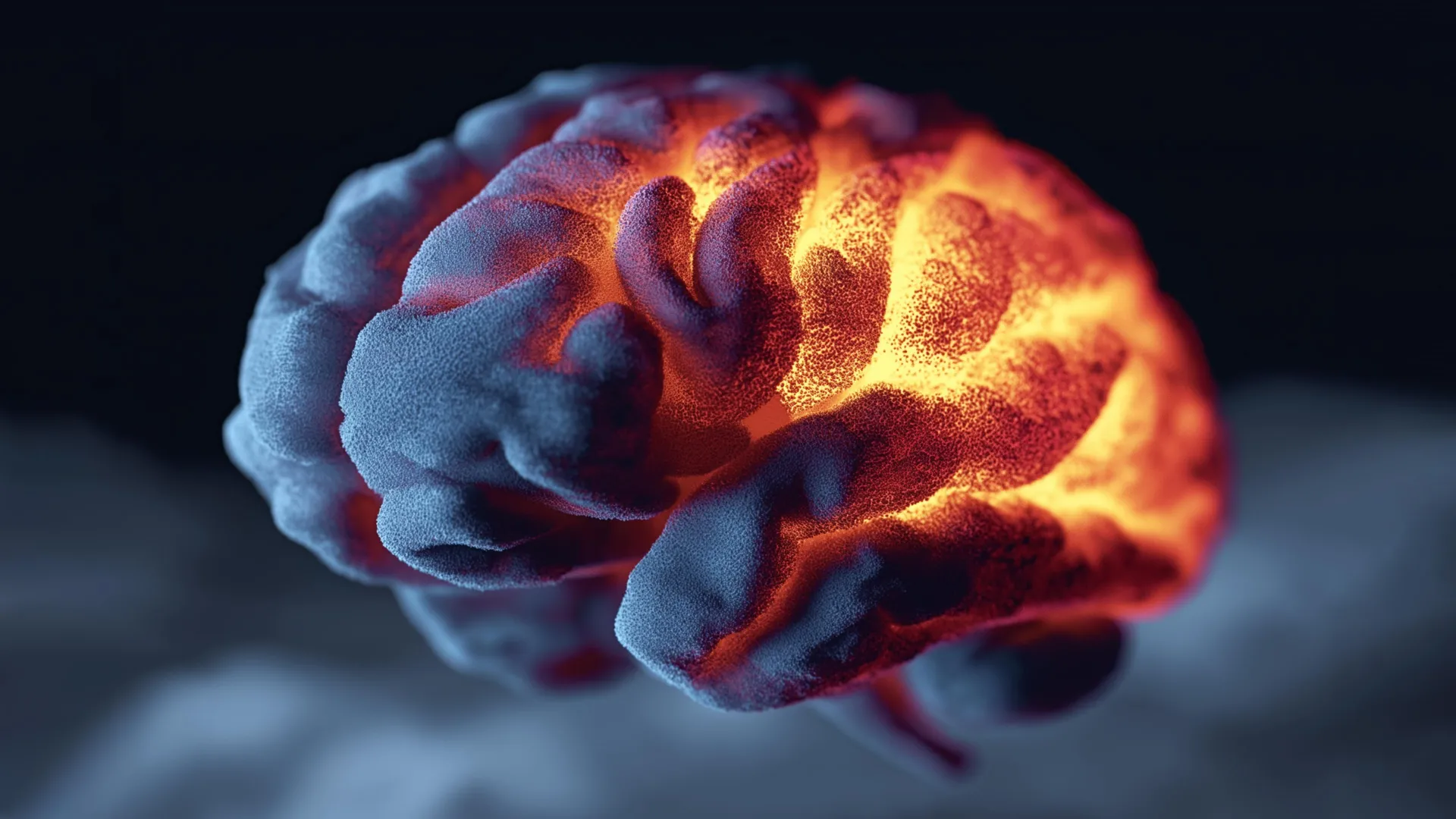
Breakthrough research reveals how Morganella morganii bacteria interacts with environmental pollutants to produce inflammation-causing molecules strongly linked to major depressive disorder.
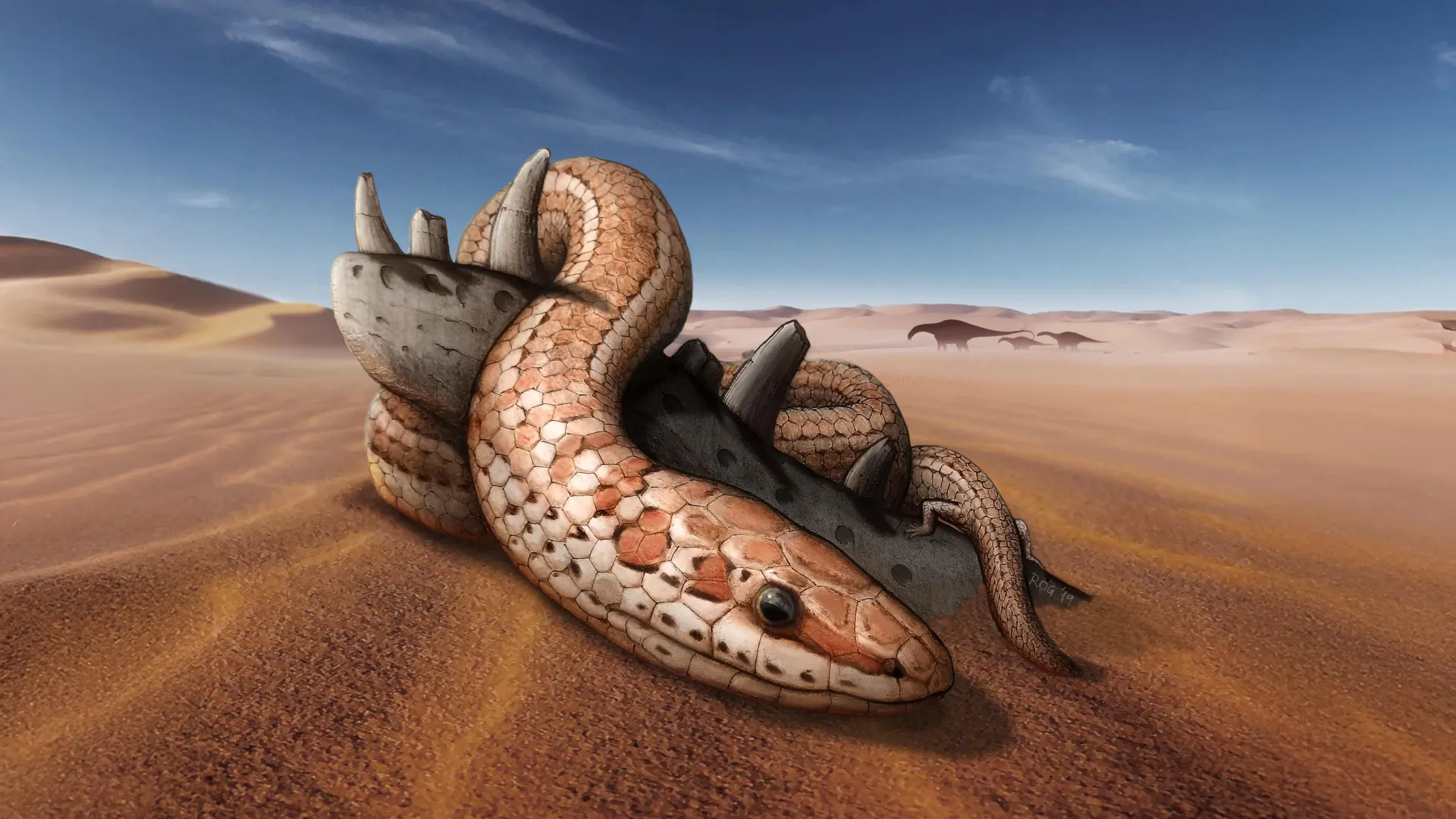
Najash rionegrina fossil reveals early snakes were large predators with wide mouths, not small burrowers as previously thought.

Researchers confirm first plague mass burial site at Jerash, Jordan, offering unprecedented insight into how the Plague of Justinian reshaped ancient societies.
A remarkably preserved fossil reveals early snakes were large, wide-mouthed predators rather than tiny burrowers, challenging long-held theories about snake origins.
Najash rionegrina specimen challenges long-held theories about snake origins, showing early serpents were large predators with hind legs and intact cheekbones.

Researchers pinpoint two specific cell types that behave differently in depression, offering new treatment targets.
Breakthrough study using donated brain tissue reveals cellular changes in neurons and immune cells, providing clearest biological evidence of depression's physical basis.
Researchers at McGill University have pinpointed two distinct cell types that function differently in people with depression, offering new targets for treatment.
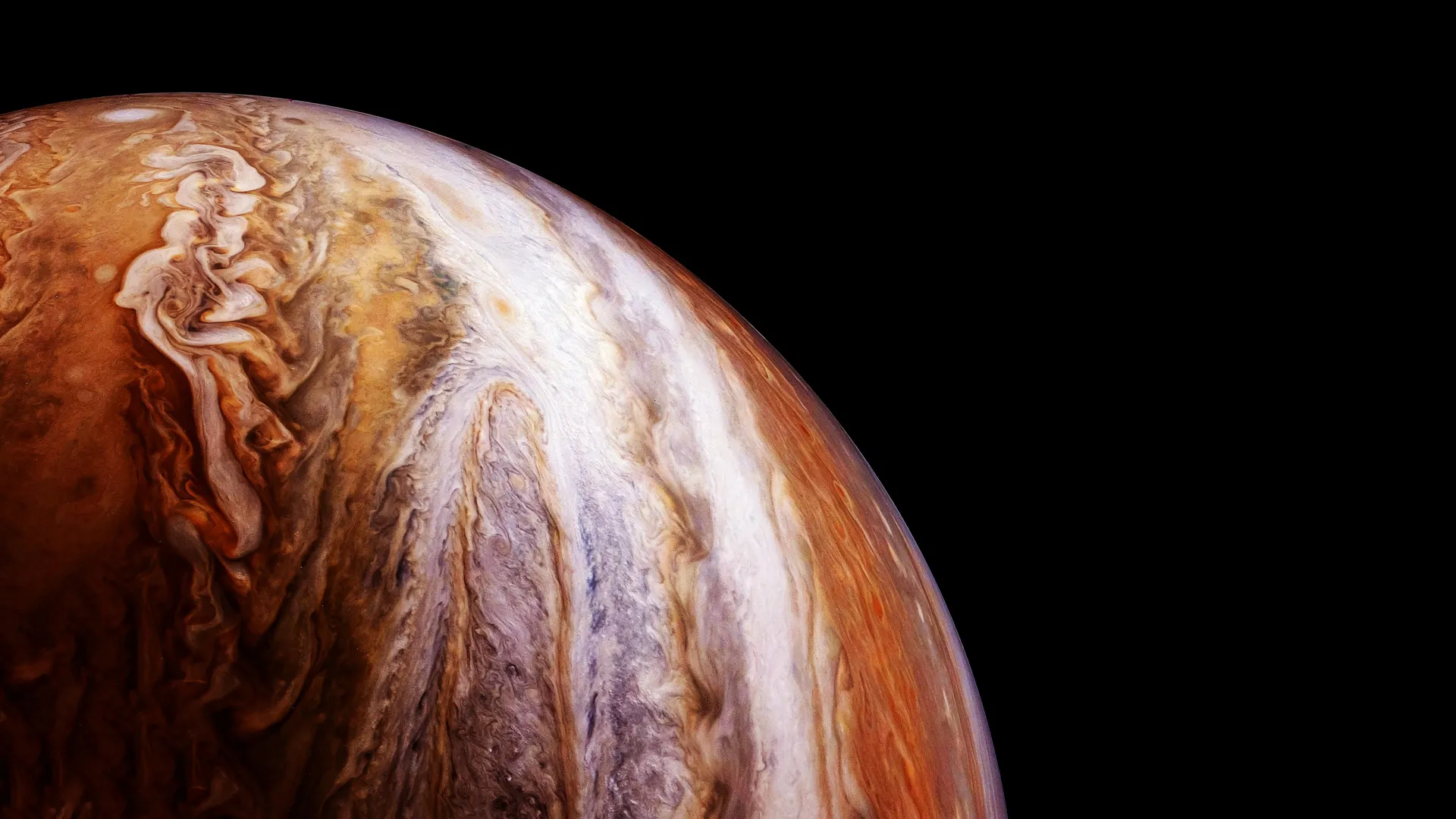
Unexpected water-ice clouds found on Jupiter-like exoplanet challenge atmospheric models and reveal new complexity in giant planet weather systems.
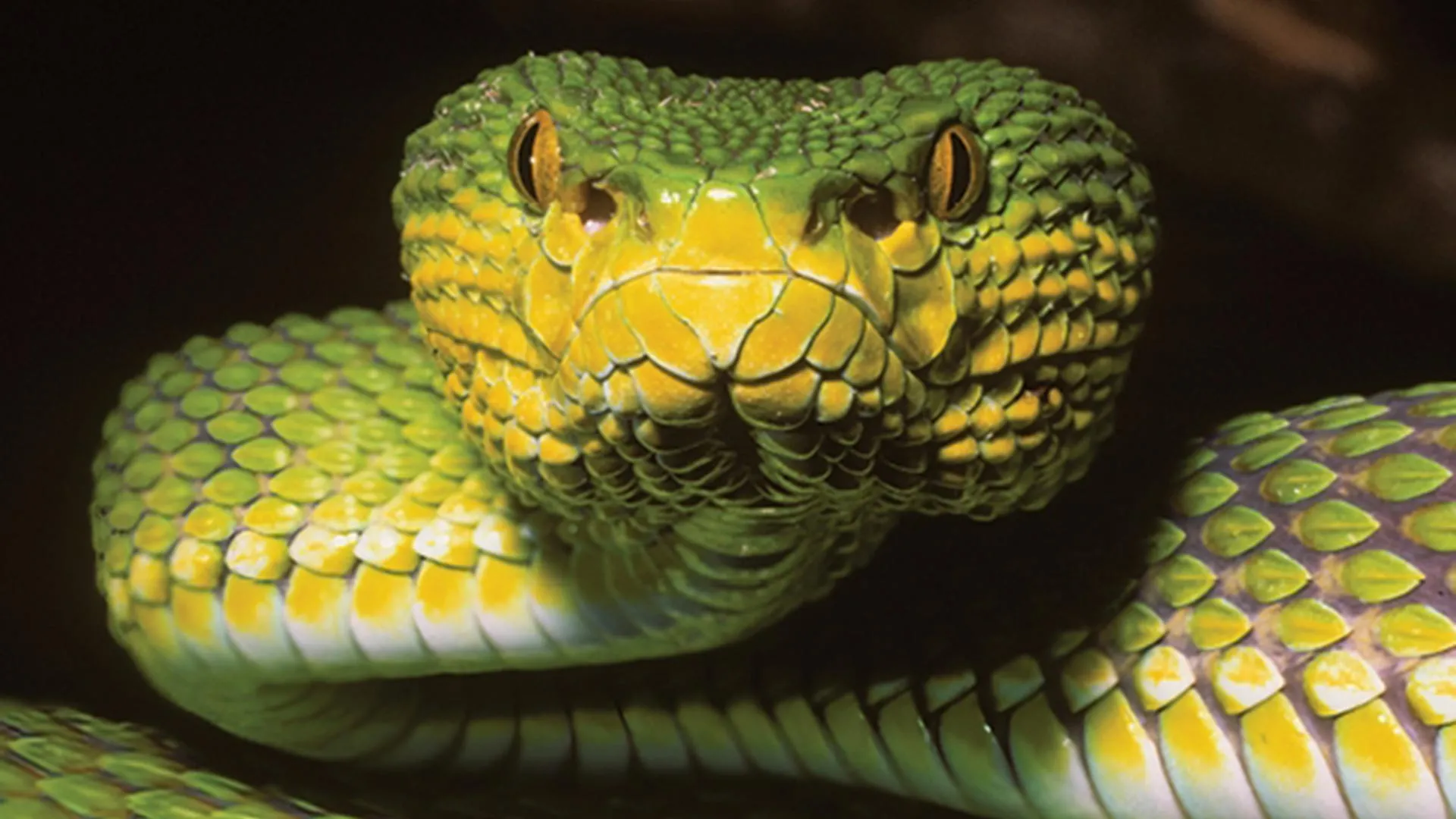
The Ayeyarwady pit viper seems to blur species definitions by looking like multiple different snakes at once, challenging traditional classification methods.
Water ice formations on Jupiter-like exoplanet Epsilon Indi Ab challenge atmospheric models and reveal new complexity in alien worlds.
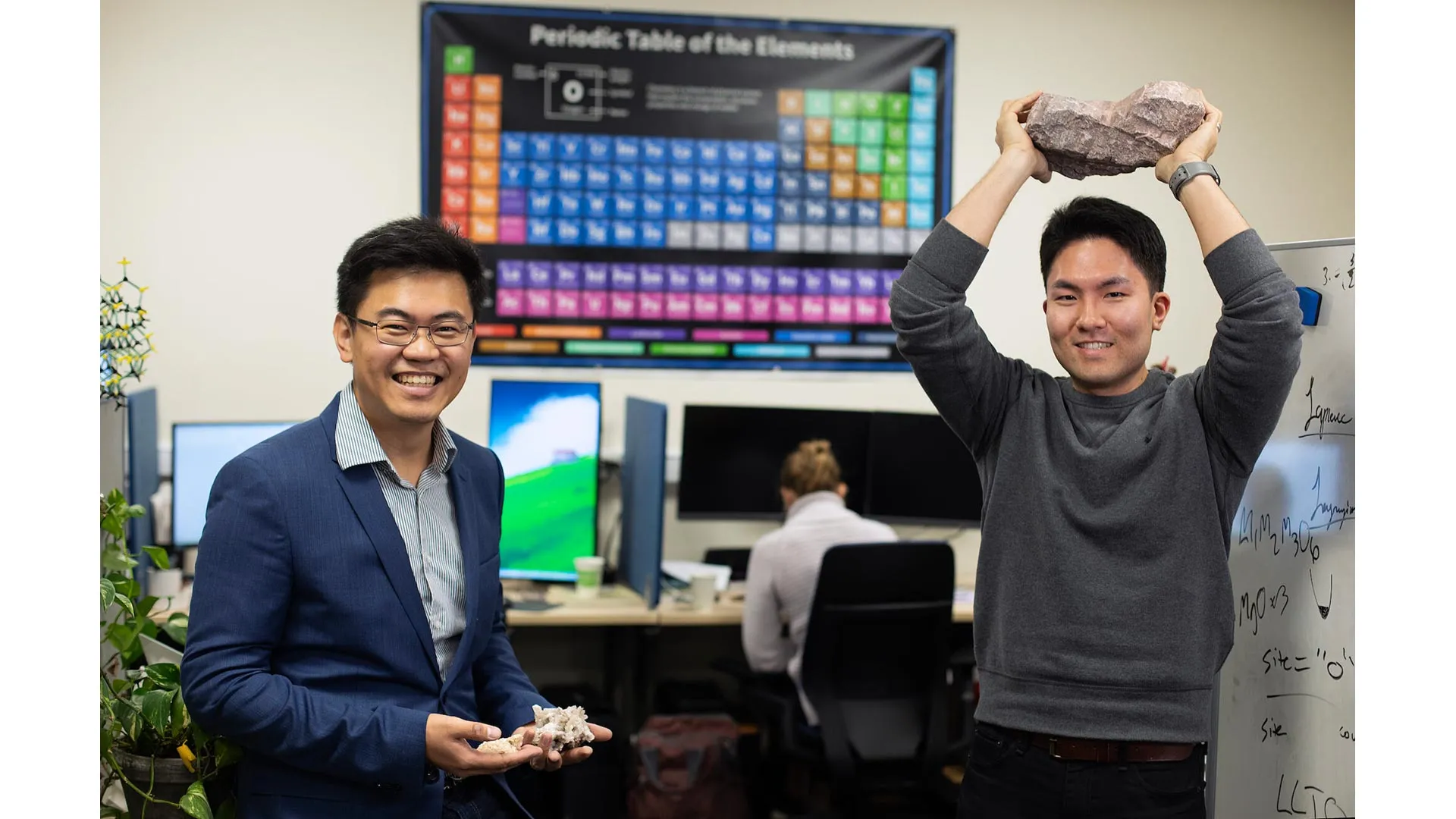
Breakthrough discovery reveals why the common geological mineral has resisted laboratory growth, potentially reshaping materials science approaches.

A neuro-symbolic architecture achieved 95% success on Tower of Hanoi vs. 34% for standard models, while training in 34 minutes instead of 36 hours.

Scientists behind Casgevy — the world's first CRISPR-based medicine — and Luxturna, the first gene replacement therapy to restore sight in children, were honored at the April 18 ceremony.
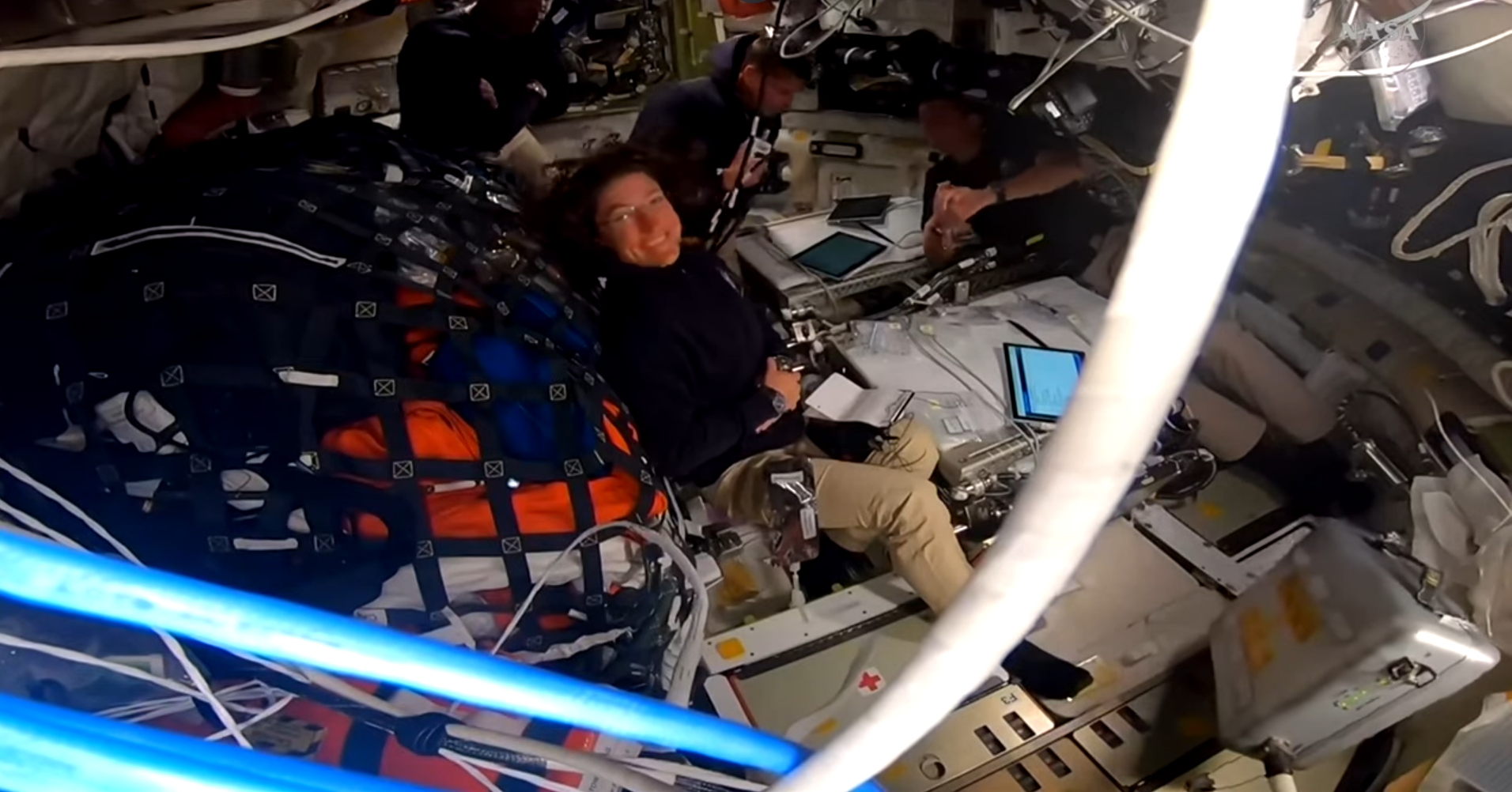
The four-person NASA crew traveled 252,756 miles from Earth — farther than any humans since 1972 — completing the first crewed lunar mission in more than five decades.
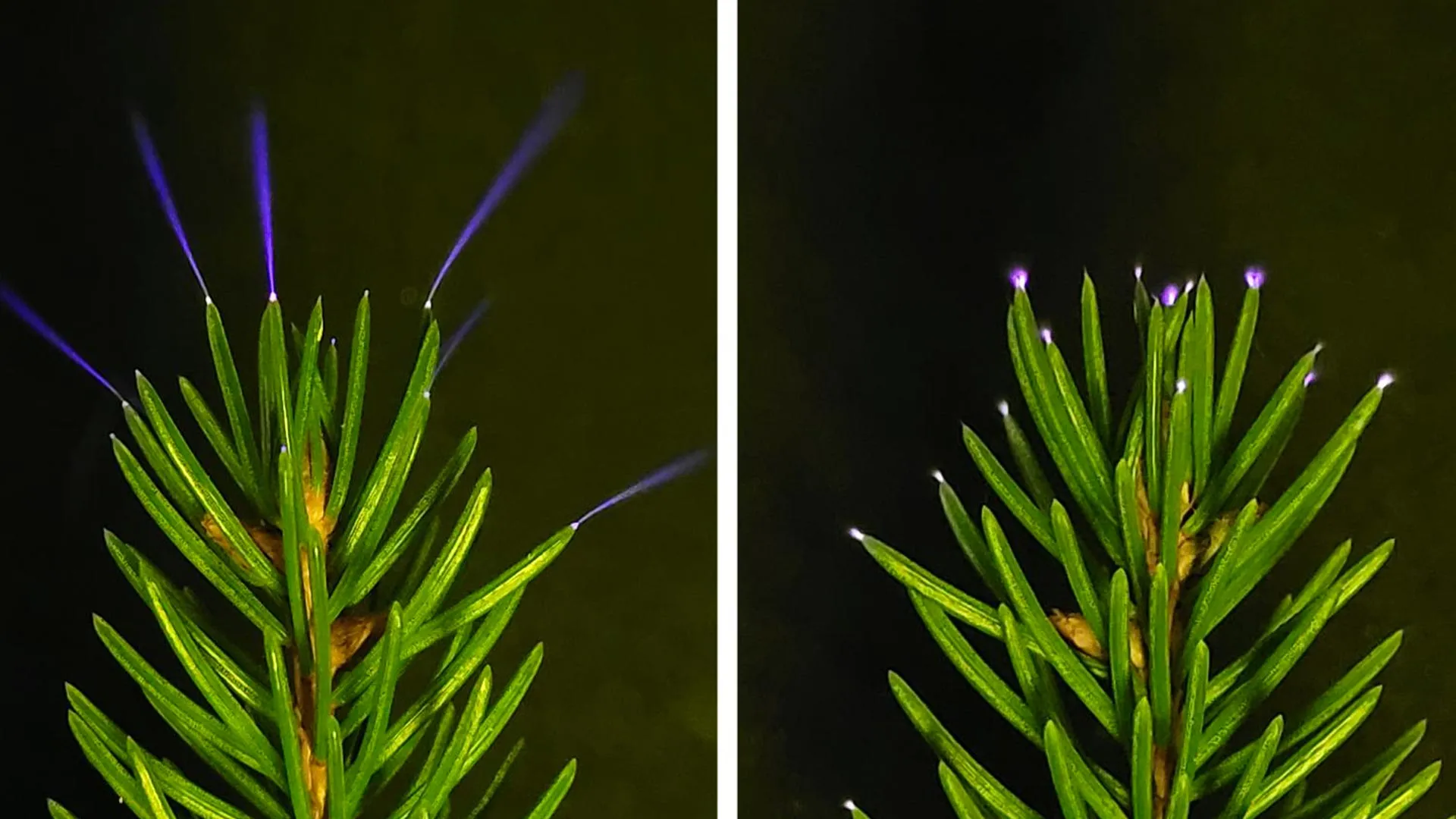
Researchers driving storm-chasing equipment finally observed 'corona discharges' in nature—faint UV flashes from treetops that had been theorized for over 70 years but never confirmed outside a laboratory.

Researchers at Harvard and Beth Israel Deaconess Medical Center demonstrated for the first time that a modified CRISPR technique can silence the extra copy of chromosome 21 that causes Down syndrome in human stem cells, targeting the root cause rather than individual symptoms.

Scientists used aerosol jet printing to create flexible artificial neurons from semiconductor nanomaterials that, when placed on living mouse brain tissue, generated electrical signals realistic enough to activate real neurons — a major step toward next-generation brain implants.

Two new studies using real-world ocean data find that earlier climate models underestimated AMOC weakening by 60 percent, raising collapse probability above 50% and threatening catastrophic consequences for Europe, Africa, and the U.S. East Coast.
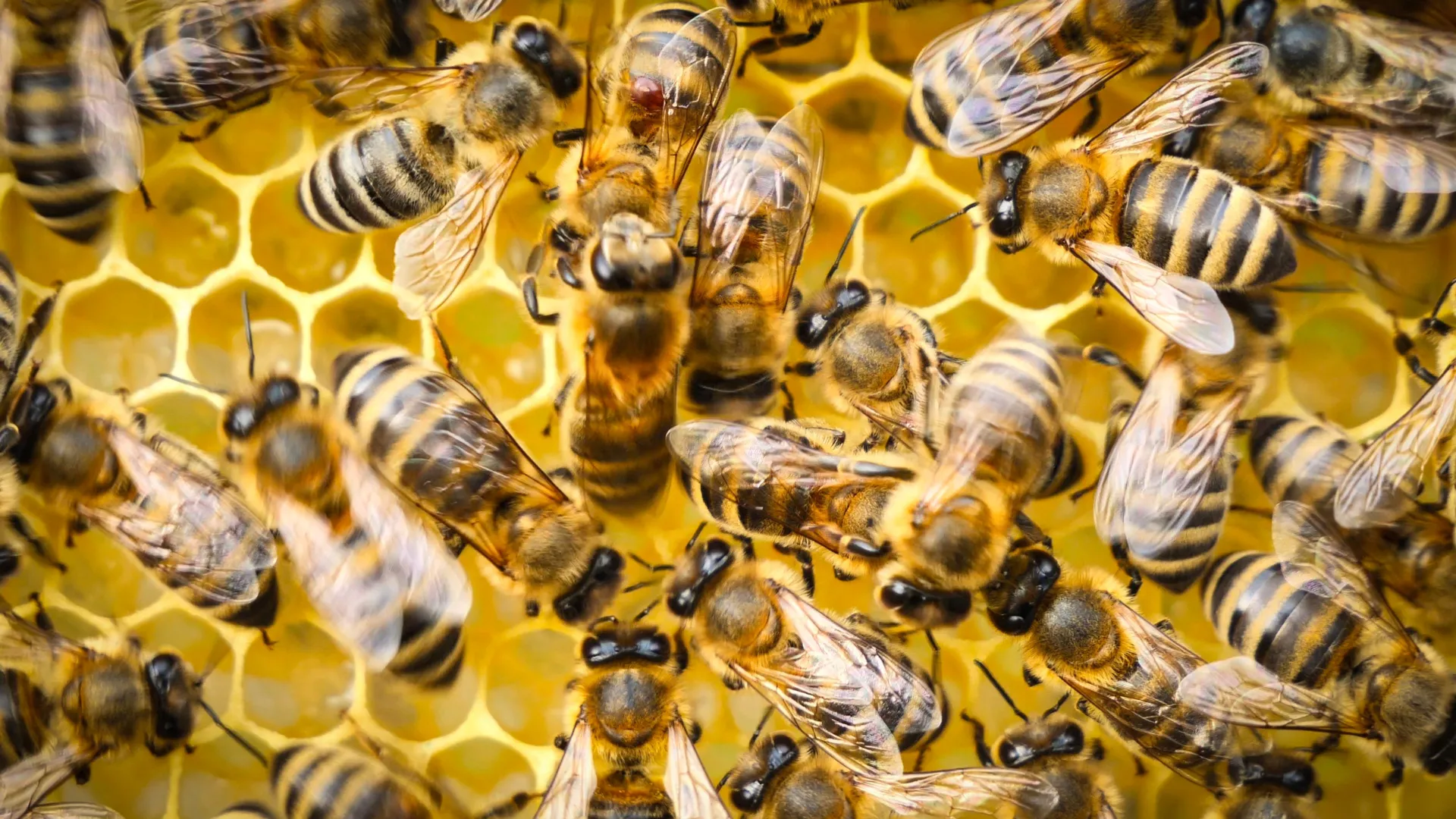
Southern California bees carry 68% fewer mites than commercial colonies and need five times less chemical treatment, offering hope for struggling beekeepers nationwide.
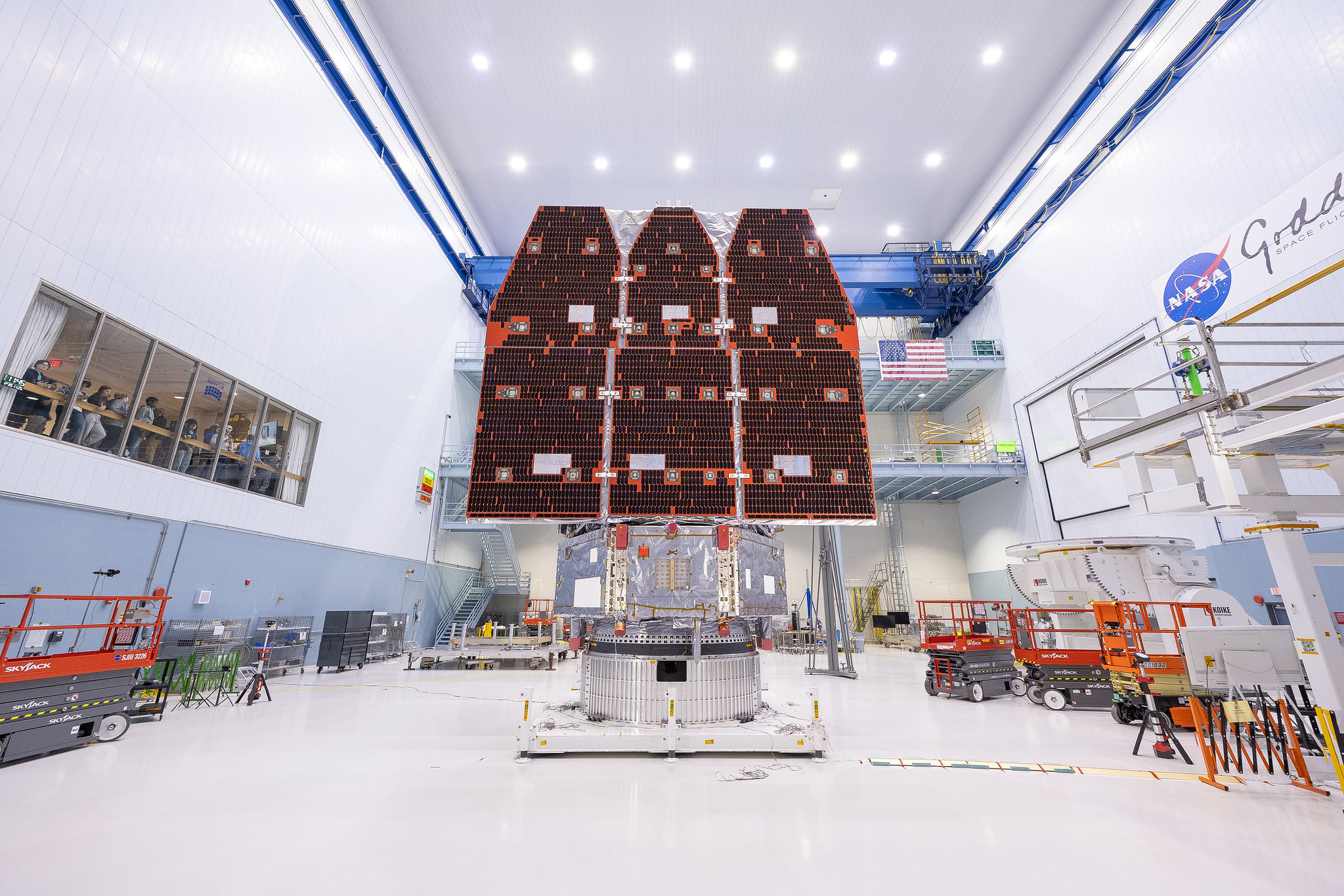
The observatory, scheduled for launch as early as fall 2026, carries a field of view 100 times wider than Hubble's to hunt dark matter, dark energy, and distant worlds.


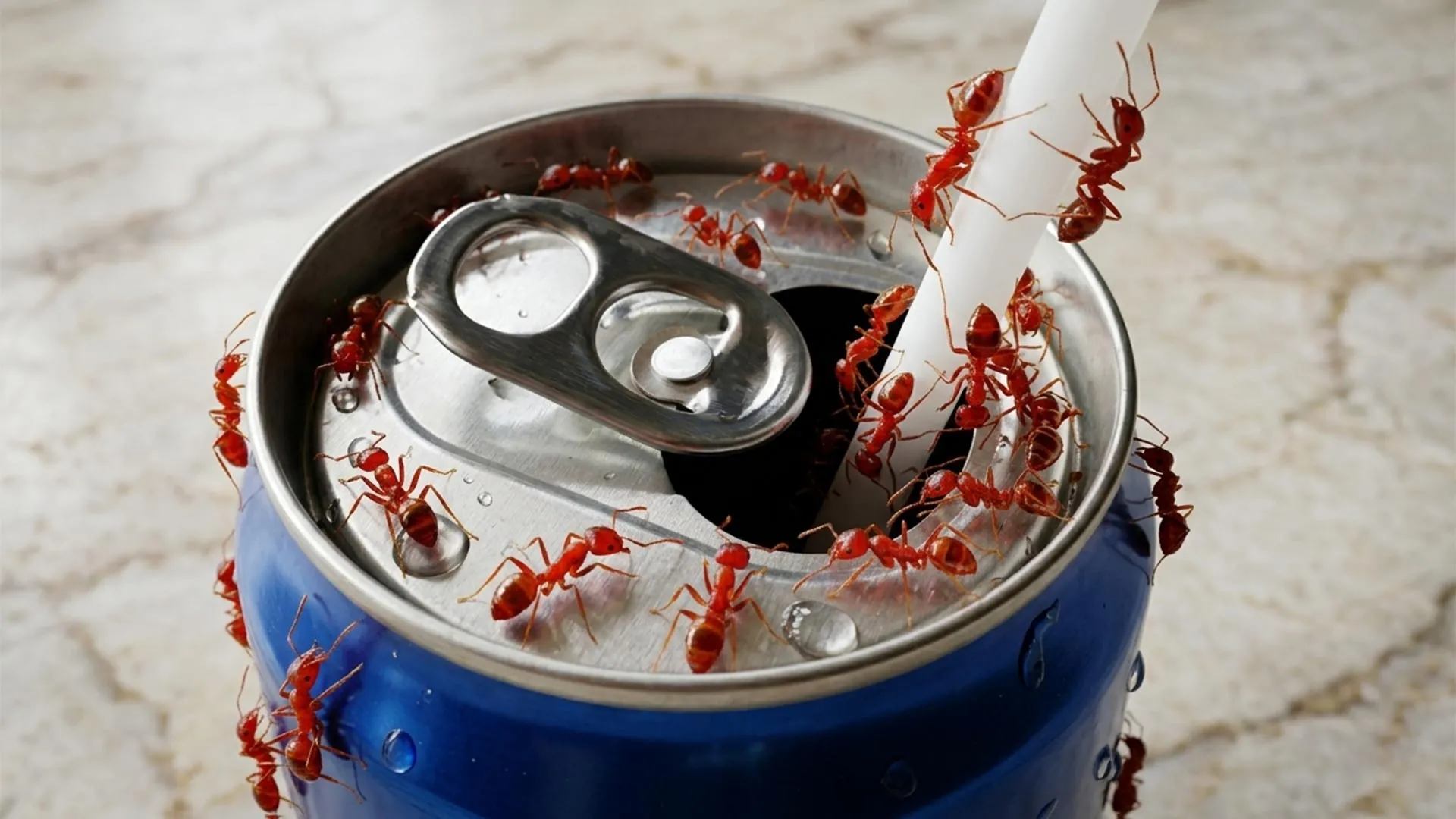
Argentine ants given caffeinated sugar took more direct paths to food, reducing travel time by 38%. The discovery suggests caffeine could make poisoned baits more effective.

Scientists describe the complex organic molecules found in Jezero Crater sediments as the most compelling evidence yet for past life — or conditions favorable to it — on Mars.

The 2011 finding that a single hexanucleotide repeat expansion causes both diseases reshaped neuroscience and has since driven multiple clinical trials.

Jean Bennett, Albert Maguire, and Katherine High accepted the million prize for work that restored sight to patients with RPE65 mutations and opened the modern era of genetic medicine.

ALMA observations reveal the third known interstellar interloper formed around a warmer star; scientists have weeks left to study it before it fades.