Chimpanzees and Bonobos Form Human-Like Social Networks, Study Reveals
Great apes organize friendships into inner circles and broader networks, with chimpanzees becoming more selective with age while bonobos maintain egalitarian relationships.
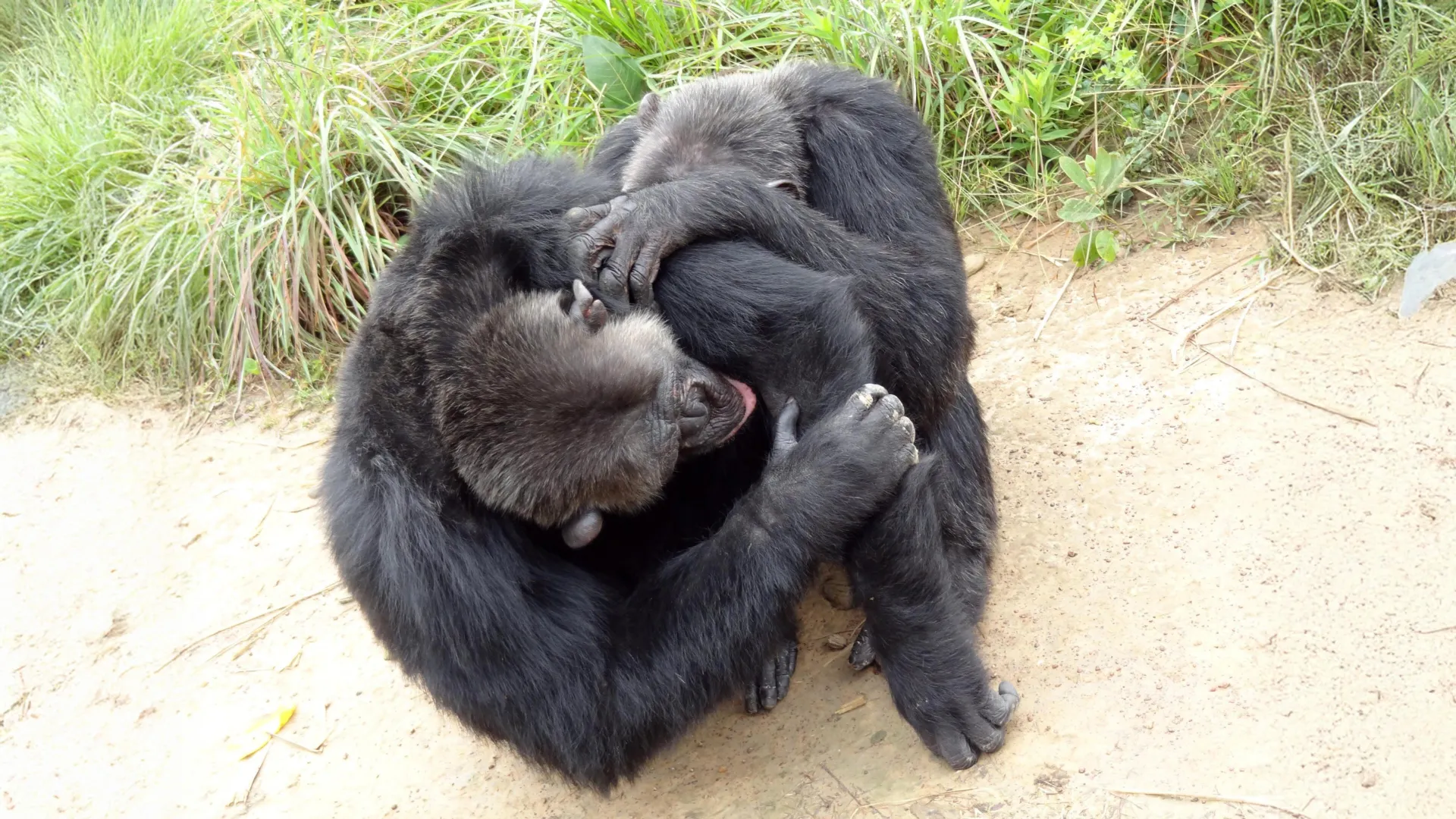
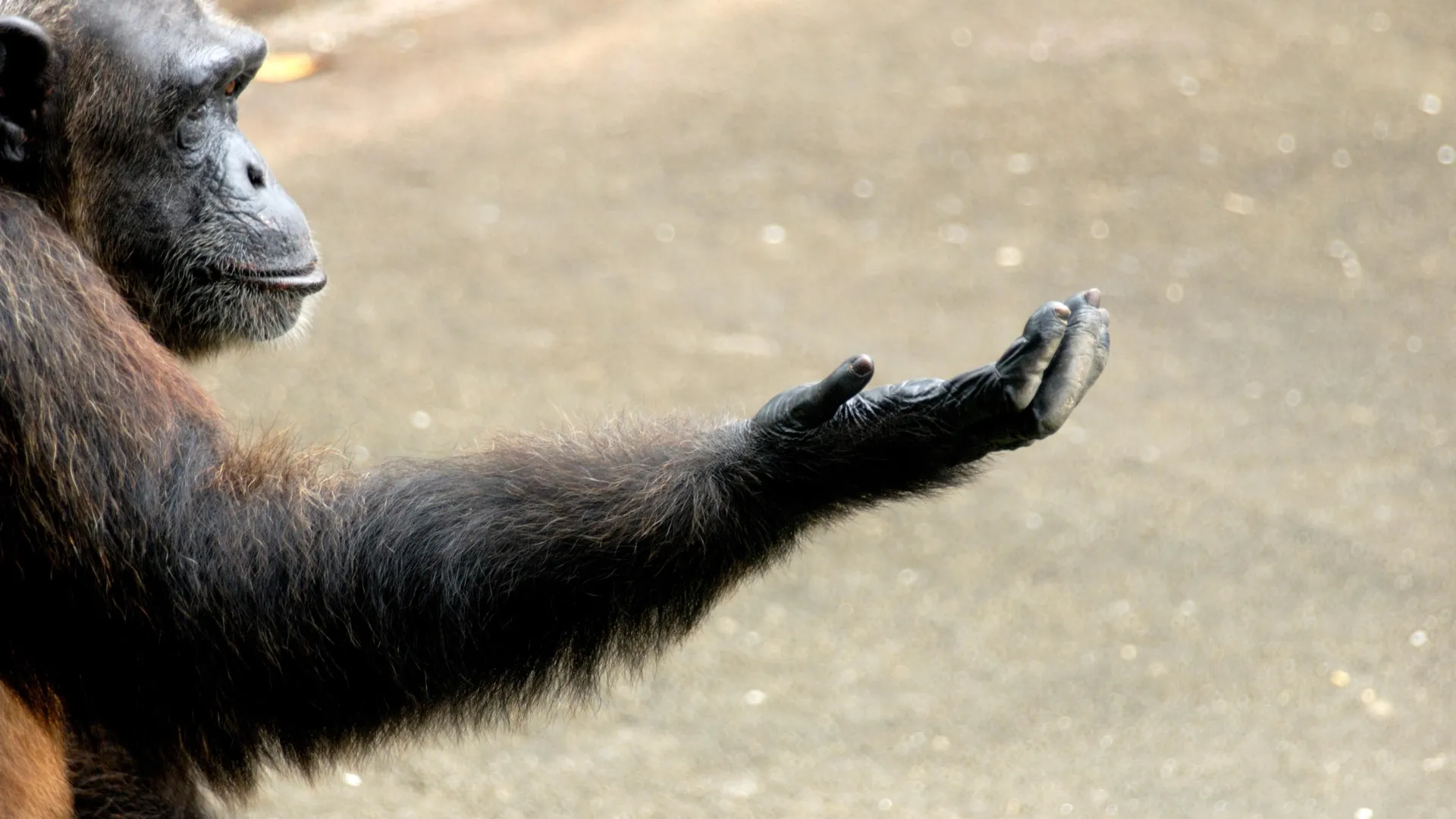
A groundbreaking international study has revealed that chimpanzees and bonobos, humanity's closest living relatives, organize their social relationships in remarkably human-like patterns. Researchers from Utrecht University and Universidad Carlos III de Madrid discovered that these great apes form friendship circles with close inner groups and wider networks of weaker connections, mirroring the layered social structures found in human societies.
The research team examined social grooming behavior in 24 groups of chimpanzees and bonobos to understand how these animals allocate their limited social time and energy. Using mathematical models, they found that most apes devoted the majority of their grooming time to a small number of preferred partners while maintaining less intensive relationships with many others, closely resembling human social organization patterns.
Interestingly, the study revealed significant differences between the two species' social approaches. Bonobos distributed their grooming time more evenly among group members, creating more egalitarian social networks. Chimpanzees, in contrast, concentrated their social effort on fewer favored companions, developing more exclusive relationship patterns that intensify with age.
The research also uncovered an age-related pattern in chimpanzees that mirrors human social development. As chimpanzees grow older, they become increasingly selective about their relationships, focusing more attention on a smaller inner circle of close connections. Bonobos, however, did not show this narrowing of social circles over time, maintaining their more fluid relationship style throughout their lives.
These findings provide new insights into the evolutionary origins of complex social behavior and suggest that the fundamental principles governing friendship and social organization may be shared across multiple species. The research indicates that the ability to form and maintain layered social networks may be an ancient trait that predates the evolution of modern human societies.