A Common Amino Acid Helped Mice Survive Deadly Inflammation — by Tuning Up the Kidneys
Salk Institute scientists found that dietary methionine protected animals from severe infection and sepsis not by attacking the invader, but by helping the kidneys flush out the body's own runaway inflammatory molecules.
A simple dietary amino acid dramatically improved survival in mice facing severe infections and runaway inflammation, scientists at the Salk Institute have found — and it did so through an unexpected route, by boosting the kidneys rather than directly engaging the immune system.
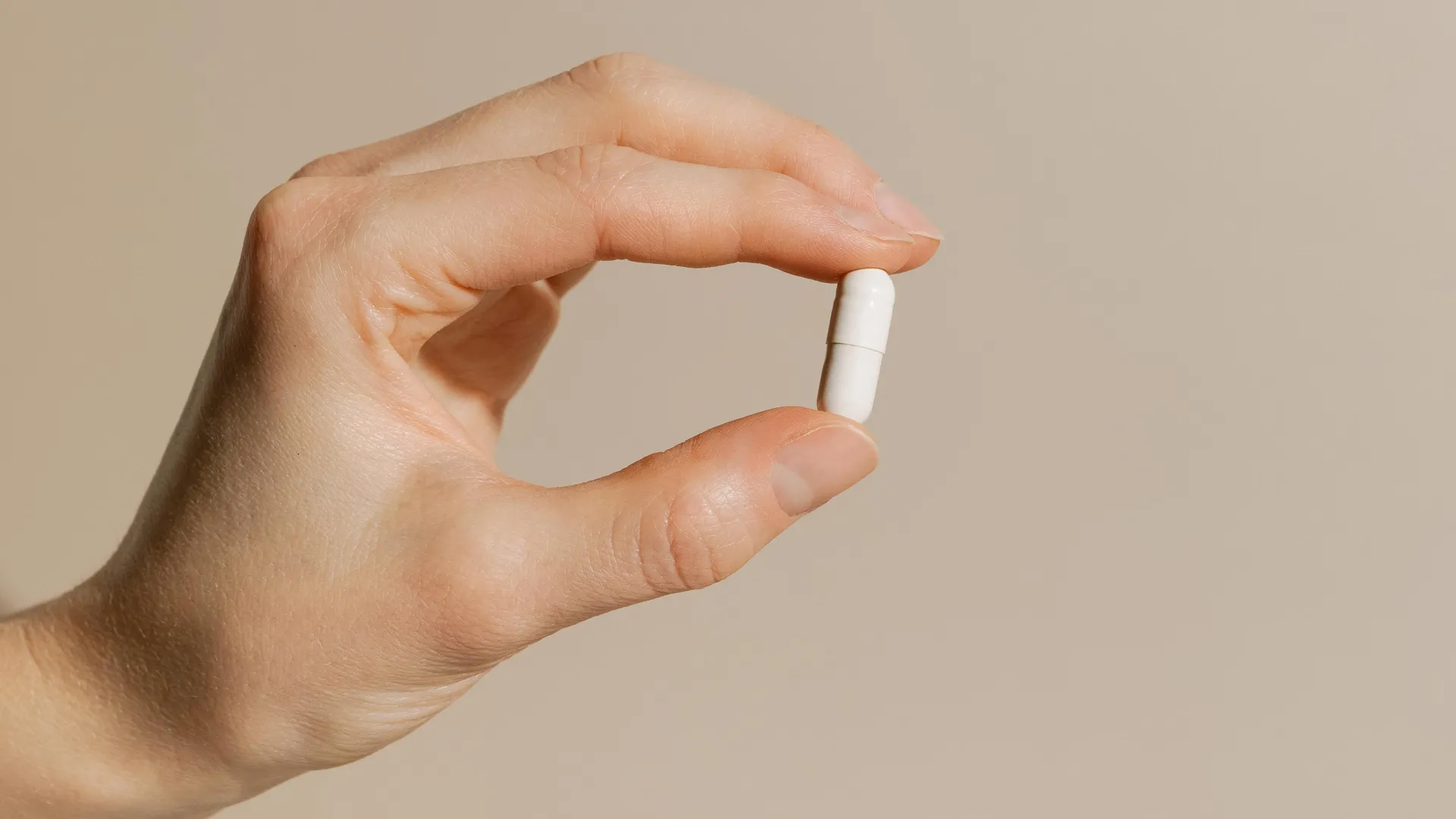
The amino acid, methionine, is found in protein-rich foods and already sold as a dietary supplement. When Salk researchers added it to the diets of mice infected with the bacterium Yersinia pseudotuberculosis, the animals followed a strikingly different course than untreated mice. Their kidney function improved, and they were protected from wasting, breakdown of the blood-brain barrier, and death — yet they remained fully able to fight off and kill the bacteria.
The finding, published in the journal Cell Metabolism, points to a counterintuitive principle: much of the damage in severe illness comes not from a pathogen itself but from the body's own overwhelming inflammatory response. By enhancing the kidneys' ability to filter and clear excess inflammatory molecules, called cytokines, methionine reduced the collateral harm that can lead to organ failure, neurological dysfunction and death.
"Rather than suppressing the immune system, this works with the body to clear the molecules that cause tissue damage," the researchers explained, describing a strategy that could complement, rather than replace, conventional infection treatments. In additional experiments modeling sepsis and acute kidney injury — two conditions that kill millions worldwide each year — methionine again protected the animals, suggesting the effect may extend across a range of inflammatory diseases.
The implications are intriguing because the intervention is so simple. A widely available nutrient that tunes a natural filtration system would be far cheaper and easier to deploy than complex immune-modulating drugs, particularly in resource-limited settings where sepsis is most deadly.
Still, the authors urged caution. The work was conducted entirely in mice, and the team stressed that people should not begin self-medicating with methionine supplements, which at high doses can carry their own risks. Future studies will explore whether the benefit translates to humans, whether other amino acids produce similar effects, and how dietary tweaks might be harnessed to steer the immune response during serious illness. For now, the research offers a fresh window into an old idea — that what we eat can shape, in surprisingly mechanical ways, how the body weathers a fight for survival.