Solar Desalination Breakthrough Produces Fresh Water Without Toxic Brine
Scientists develop a system using laser-textured metal panels that converts seawater to drinking water while recovering salts as valuable solids, potentially including lithium for batteries.
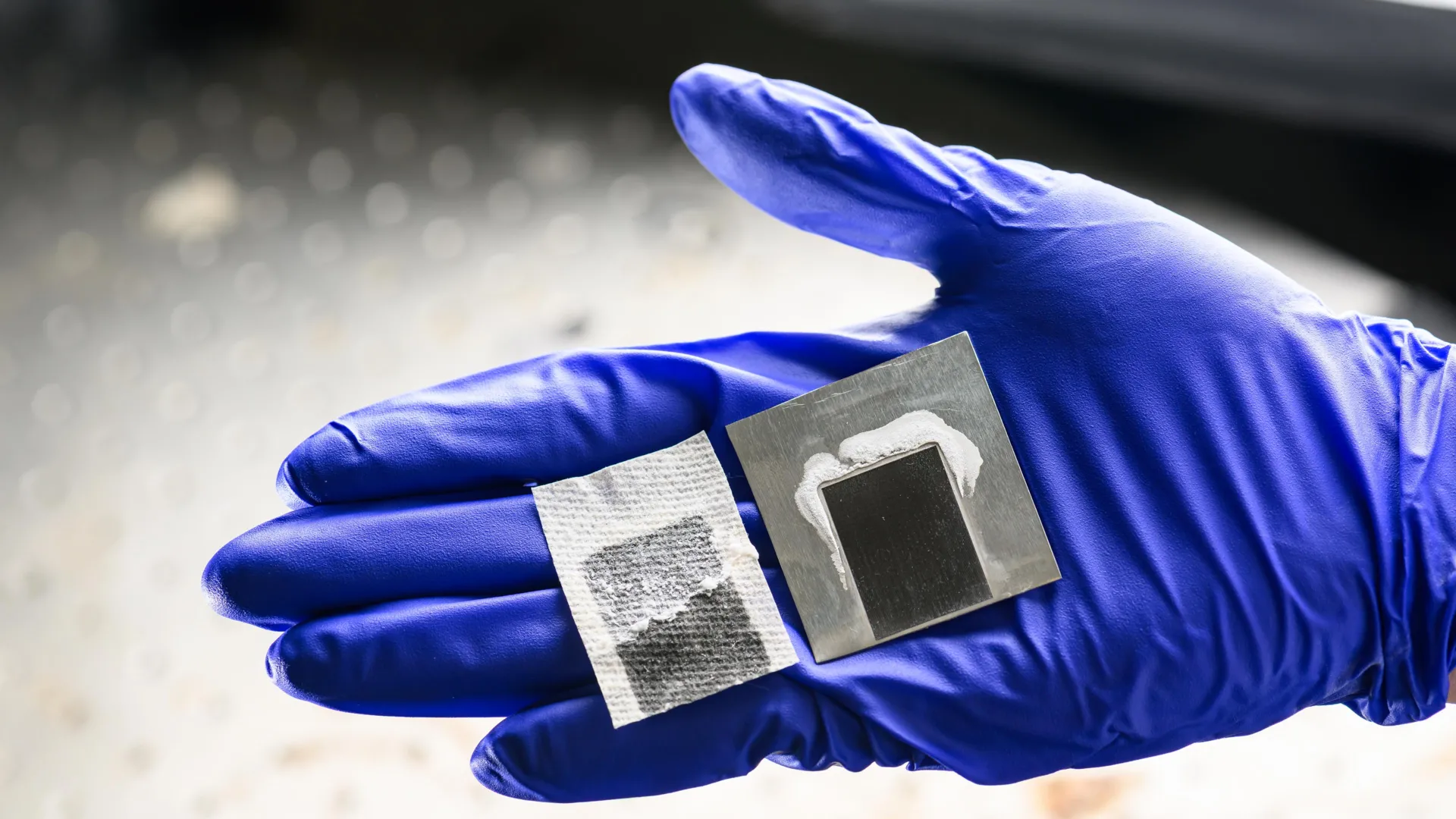
Researchers at the University of Rochester have developed a revolutionary solar desalination system that addresses two major challenges facing traditional water treatment technology: energy efficiency and environmental waste. The breakthrough device converts seawater into fresh drinking water without creating the environmentally damaging brine byproduct that has plagued conventional desalination plants worldwide.
The system relies on specially engineered solar panels made from black metal that has been textured with femtosecond lasers, giving the surface two critical properties. The treated metal absorbs nearly all incoming sunlight and exhibits strong water attraction characteristics known as superwicking. As seawater flows across the laser-patterned active region, sunlight causes water to evaporate and distill into fresh water while dissolved salts and minerals are guided away from the active area and deposited onto designated passive regions of the panel.
Traditional desalination methods such as reverse osmosis and thermal distillation are expensive, energy-intensive processes that often require chemical treatments and generate large volumes of concentrated brine. When this brine is discharged back into oceans, it can damage marine ecosystems by increasing salinity levels and reducing oxygen content. The Rochester team's approach eliminates these environmental concerns while operating without chemical pretreatment requirements.
The researchers successfully tested their system with seawater samples from three different oceans, demonstrating its versatility with real-world water compositions that contain complex mixtures of dissolved minerals beyond simple sodium chloride. Unlike laboratory studies that use simplified seawater, actual ocean water contains magnesium and calcium compounds that typically form hard, dense crusts when crystallized, potentially blocking water flow and shutting down desalination processes.
Perhaps most intriguingly, the recovered salt byproducts could become a valuable resource rather than waste. The solid salts collected by the system may contain lithium and other materials useful for battery production, potentially creating an additional revenue stream for desalination operations. With 2.2 billion people worldwide still lacking access to safely managed drinking water, this technology could provide a sustainable solution that addresses both water scarcity and environmental protection concerns.