Thrift Shopping Experiences Revival as New Generation Embraces Secondhand Fashion
Economic pressures and changing attitudes toward sustainability are driving renewed interest in used clothing stores.
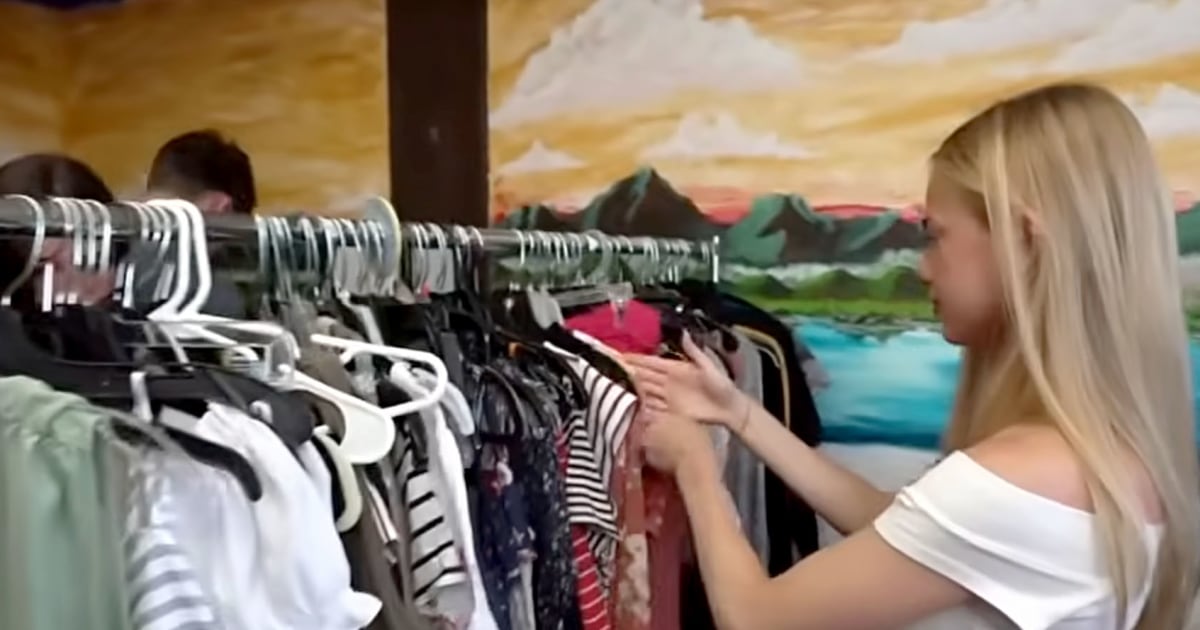
Thrift shopping is experiencing a significant resurgence as a new generation of consumers embraces secondhand fashion, driven by both economic considerations and evolving attitudes toward sustainability. The trend represents a notable shift in retail patterns, with used clothing stores seeing increased foot traffic and sales as shoppers seek alternatives to traditional retail outlets.
Economic factors play a major role in the renewed popularity of thrift stores. As inflation affects household budgets and the cost of new clothing continues to rise, consumers are increasingly turning to secondhand options to stretch their purchasing power. Thrift stores typically offer name-brand and quality items at significantly reduced prices, making fashion more accessible to budget-conscious shoppers across various income levels.
The demographic driving this trend includes younger consumers who view thrift shopping not as a necessity born of financial constraint, but as a lifestyle choice that aligns with their values. This generation often prioritizes environmental sustainability and sees purchasing used items as a way to reduce waste and minimize their ecological footprint. The concept of "fast fashion" has faced growing criticism, making secondhand shopping an appealing alternative.
Social media has also contributed to making thrift shopping trendy, with influencers and fashion enthusiasts showcasing unique finds and styling vintage pieces. This visibility has helped remove any stigma previously associated with buying used clothing, instead positioning thrift shopping as creative and environmentally conscious. The hunt for unique, one-of-a-kind pieces has become part of the appeal.
Retail analysts note that the thrift shopping trend reflects broader changes in consumer behavior, including increased awareness of environmental issues and a desire for more sustainable consumption patterns. Traditional retailers are taking notice, with some major brands launching their own resale platforms or partnering with existing secondhand marketplaces to capture this growing segment of environmentally and economically motivated consumers.