Beer Sales Plummet as Soaring Gas Prices Squeeze Consumer Spending
Convenience stores and high-fuel-cost states see sharpest declines as Iran war drives energy costs toward $5 per gallon.

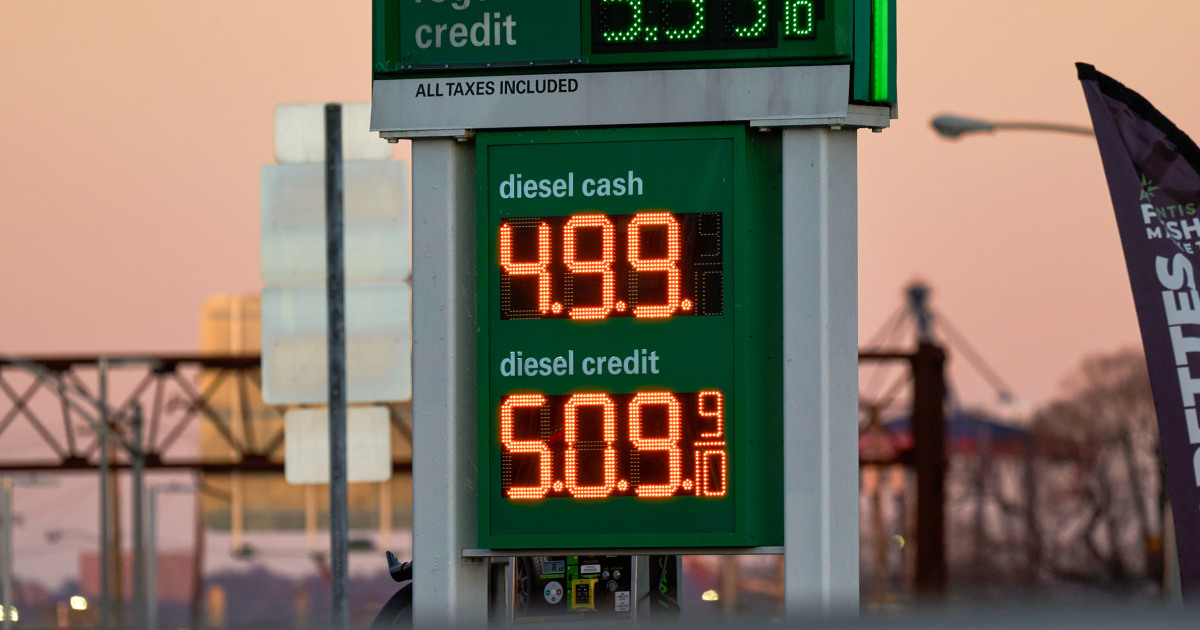
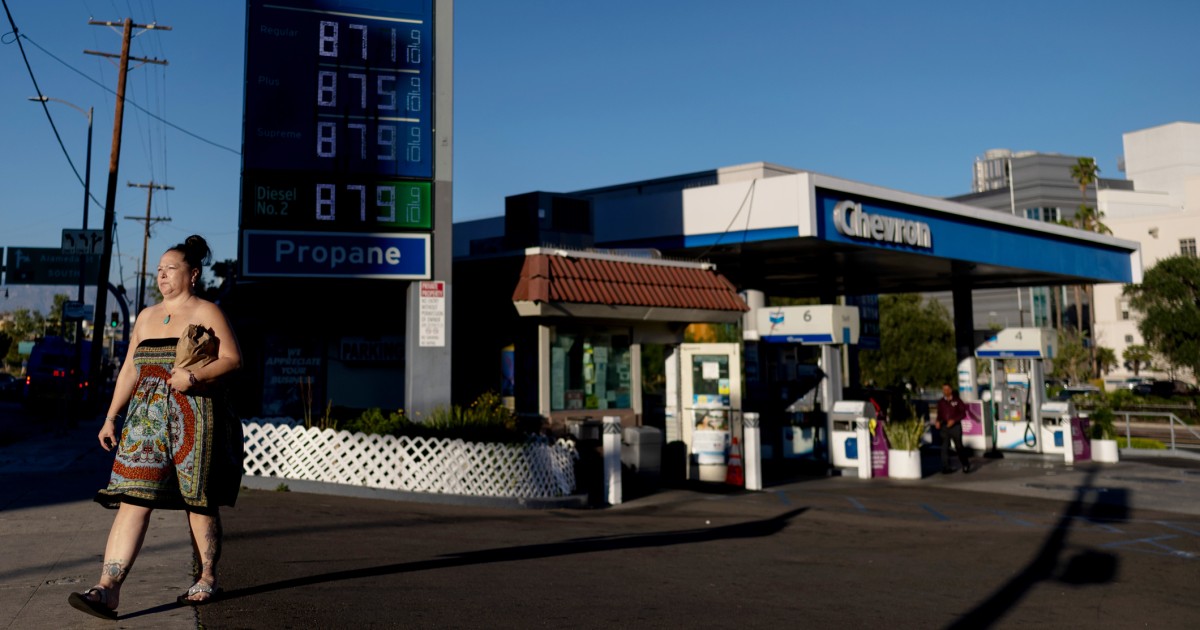
U.S. beer sales have dropped significantly as surging gasoline prices force consumers to cut back on discretionary spending, with convenience stores and states facing the highest fuel costs experiencing the steepest declines. Industry data shows beer purchases have fallen by double digits in several key markets as Americans prioritize essential expenses over alcoholic beverages amid the ongoing Iran war's impact on energy markets. The trend reflects broader changes in consumer behavior as households adjust their spending patterns to accommodate gas prices that are approaching $5 per gallon in many regions.
Convenience stores, which rely heavily on impulse beer purchases by customers filling up their vehicles, have been hit particularly hard by the spending shift. Major chains report that customers are increasingly focused solely on fuel purchases, with many skipping traditional add-on items like beer, snacks, and beverages. This pattern has created a ripple effect throughout the retail alcohol industry, as convenience stores represent a significant portion of total beer sales volume, particularly for popular domestic brands and single-serve packages.
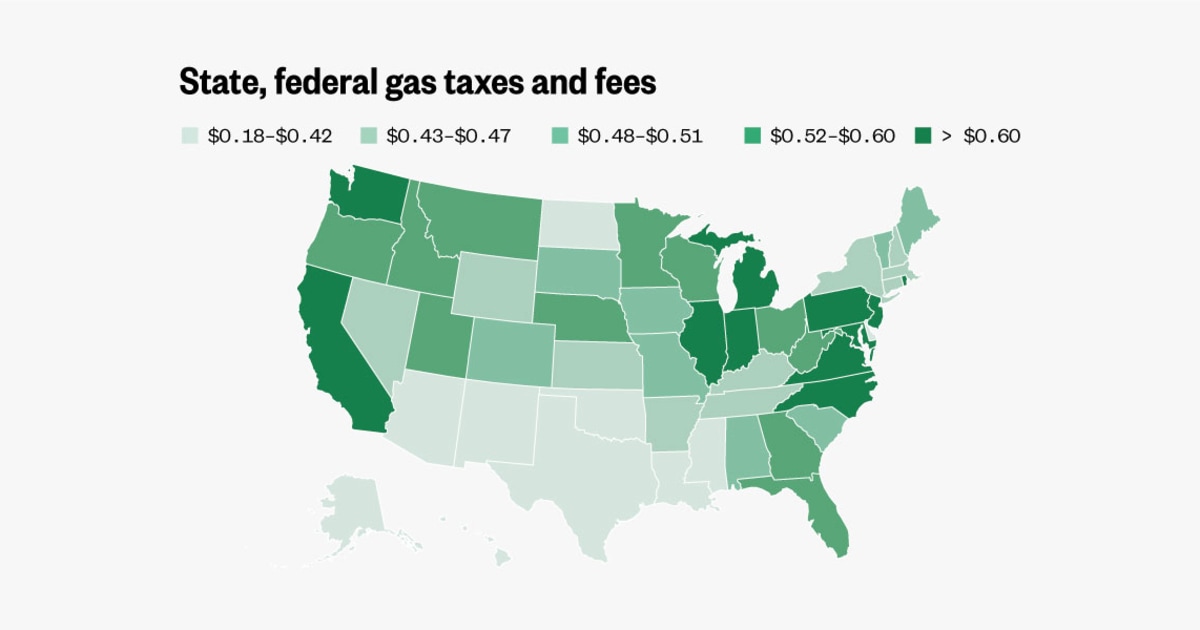
States with the highest gasoline prices have seen the most dramatic declines in beer consumption, with data showing a strong correlation between fuel costs and alcohol purchase patterns. California, Washington, and several northeastern states where gas prices exceed $4.80 per gallon have experienced beer sales drops of 15-20% compared to pre-Iran war levels. The trend is particularly pronounced among middle and lower-income consumers who are most sensitive to energy price fluctuations and must make difficult choices about discretionary spending.
Major beer manufacturers including Anheuser-Busch, Molson Coors, and Constellation Brands have begun adjusting their marketing strategies and distribution patterns in response to the changing consumer landscape. Some companies are shifting advertising dollars away from convenience store partnerships toward grocery chains and discount retailers where consumers may still purchase beer as part of larger shopping trips. Industry executives are also exploring promotional strategies designed to maintain sales volume despite reduced consumer spending power.
Economists warn that the beer sales decline may be an early indicator of broader consumer retrenchment that could affect multiple retail sectors as energy costs continue to strain household budgets. The pattern mirrors historical relationships between fuel prices and discretionary spending, though the current situation is complicated by inflation in other essential categories including food and housing. Analysts expect the trend to persist as long as gas prices remain elevated, potentially forcing beer companies to consider price reductions or packaging changes to maintain market share during the economic pressure period created by the Iran conflict's impact on global energy markets.