Beer Demand Plummets as Surging Gas Prices Squeeze Consumer Spending
U.S. beer sales suffer sharp decline as higher fuel costs force Americans to cut back on discretionary purchases, data shows.

American beer consumption has taken a significant hit as surging gas prices force consumers to prioritize essential expenses over discretionary purchases, according to new industry data that illustrates the broader economic impact of higher fuel costs. The decline in beer sales represents one of the clearest indicators yet of how rapidly rising gas prices are affecting consumer behavior and spending patterns across the United States. Convenience stores and retailers in states with the highest fuel costs are reporting the sharpest declines in beer purchases, creating concerns throughout the beverage industry about sustained demand weakness.
The correlation between gas prices and beer sales highlights the immediate trade-offs many American families are making as fuel costs approach $5 per gallon in many markets. Industry analysts note that beer purchases often serve as a bellwether for consumer confidence and discretionary spending, as they represent relatively small but frequent purchases that consumers can easily adjust when budgets tighten. The data shows that convenience stores, which rely heavily on impulse beer purchases by customers filling up their vehicles, have been particularly affected by the spending shift.
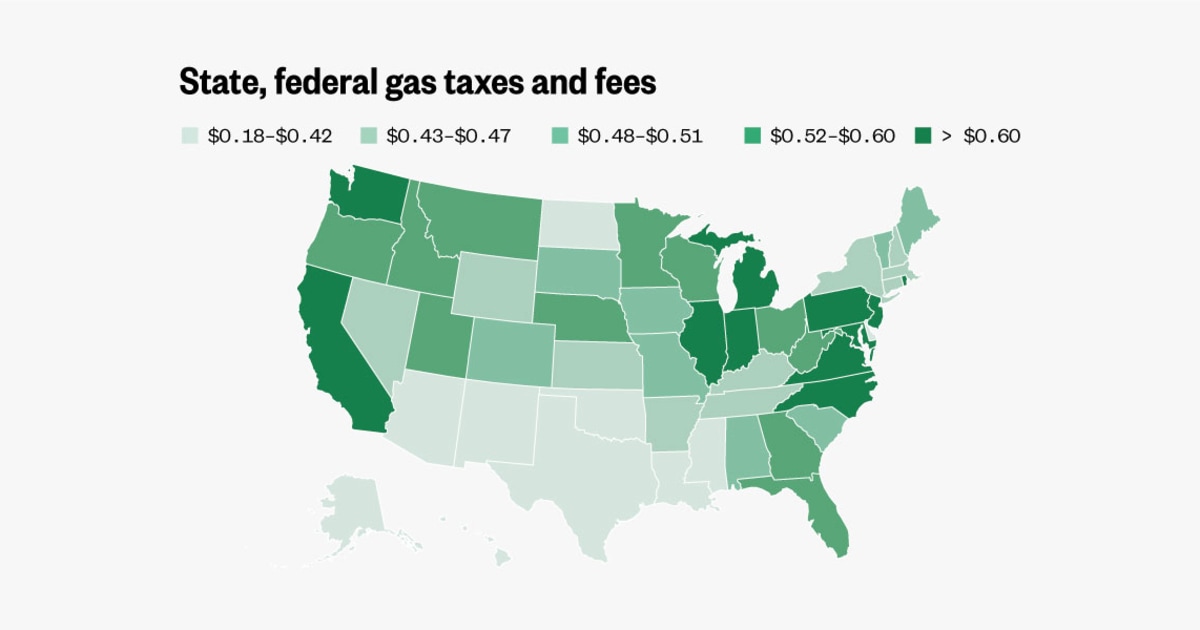
Regional variations in the beer sales decline closely mirror differences in gas price increases across the country. States in the western United States and areas with limited refining capacity have seen both the highest gas prices and the steepest drops in beer consumption. Retailers report that customers who previously might have grabbed a six-pack or case of beer while purchasing gas are now focusing solely on fuel purchases and skipping additional items. This behavioral change is having cascading effects throughout the retail ecosystem that depends on cross-selling opportunities.
The beverage industry is responding to the sales decline by adjusting marketing strategies and exploring promotional approaches designed to maintain consumer engagement despite tighter household budgets. Some major brewers are increasing advertising spending and offering more aggressive discounts to counter the demand weakness. However, industry executives acknowledge that promotional strategies have limited effectiveness when consumers are facing genuine budget constraints due to higher transportation costs that affect multiple aspects of daily life.
The beer sales slump provides concrete evidence of how energy price inflation is rippling through the broader economy and forcing changes in consumer behavior. Economic analysts view the decline as part of a larger pattern where rising fuel costs are reducing spending on restaurants, entertainment, and other discretionary categories. The trend suggests that sustained high gas prices could contribute to broader economic slowdown as consumers continue to adjust their spending priorities. For policymakers and Federal Reserve officials monitoring inflation impacts, the beer sales data offers real-time insight into how energy costs are affecting consumer demand and economic activity.