Walmart Signals Price Increases as Soaring Fuel Costs Hit Consumer Spending
The retail giant reported positive earnings but warned that U.S. consumers are struggling with rising costs across multiple categories.
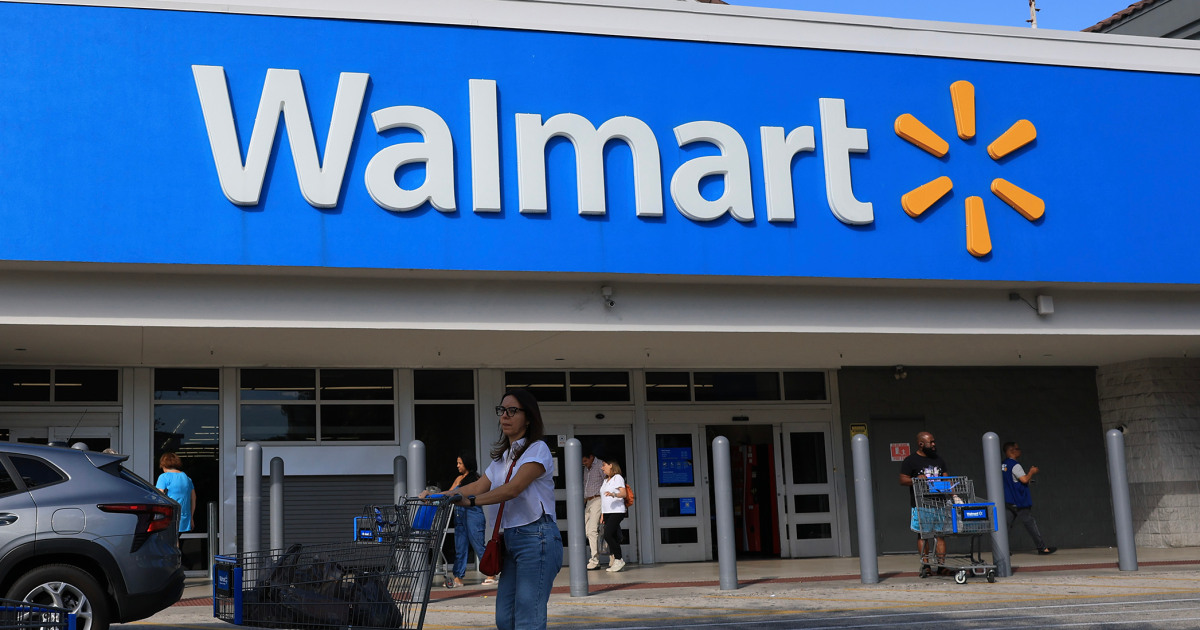
Walmart, the nation's largest retailer, has signaled that it may need to raise prices in response to soaring fuel costs that are creating mounting pressure on both the company's operations and consumer spending power. The warning came alongside the company's quarterly earnings report, which showed positive financial performance despite growing challenges from rising energy expenses that are affecting transportation, logistics, and overall operational costs throughout the retail supply chain.
The retail giant's cautionary message reflects broader economic pressures that are rippling through the consumer goods sector as elevated fuel prices increase the cost of moving merchandise from manufacturers to distribution centers and ultimately to store shelves. Walmart's extensive logistics network, which includes thousands of trucks and delivery vehicles, faces significant exposure to fuel price volatility that directly impacts the company's ability to maintain current pricing structures while preserving profit margins.
Consumer spending patterns have shown signs of strain as households grapple with rising costs across multiple categories, including gasoline, food, and housing. Walmart executives noted that customers are displaying increased price sensitivity and are making more deliberate purchasing decisions, often focusing on essential items while reducing discretionary spending. This shift in consumer behavior presents challenges for retailers who must balance the need to maintain competitive pricing with rising operational costs.
The company's earnings report highlighted the complex dynamics facing major retailers in the current economic environment, where strong underlying business fundamentals must contend with external cost pressures that are largely beyond corporate control. Walmart's performance metrics showed resilient sales volumes and market share gains, but management emphasized that sustained fuel cost increases could necessitate price adjustments to maintain operational viability and shareholder returns.
Analysts note that Walmart's pricing signals carry broader implications for the retail sector and consumer inflation, given the company's market position and influence on competitive pricing throughout the industry. If the nation's largest retailer implements price increases in response to fuel costs, other retailers are likely to follow suit, potentially accelerating inflationary pressures that are already affecting American households. The situation underscores how energy price volatility can cascade through the economy, affecting everything from transportation costs to consumer purchasing power and retail pricing strategies.