Walmart Signals Price Increases as Soaring Fuel Costs Hit Operations
The retail giant reported positive earnings but warned that rising fuel expenses could force higher consumer prices.
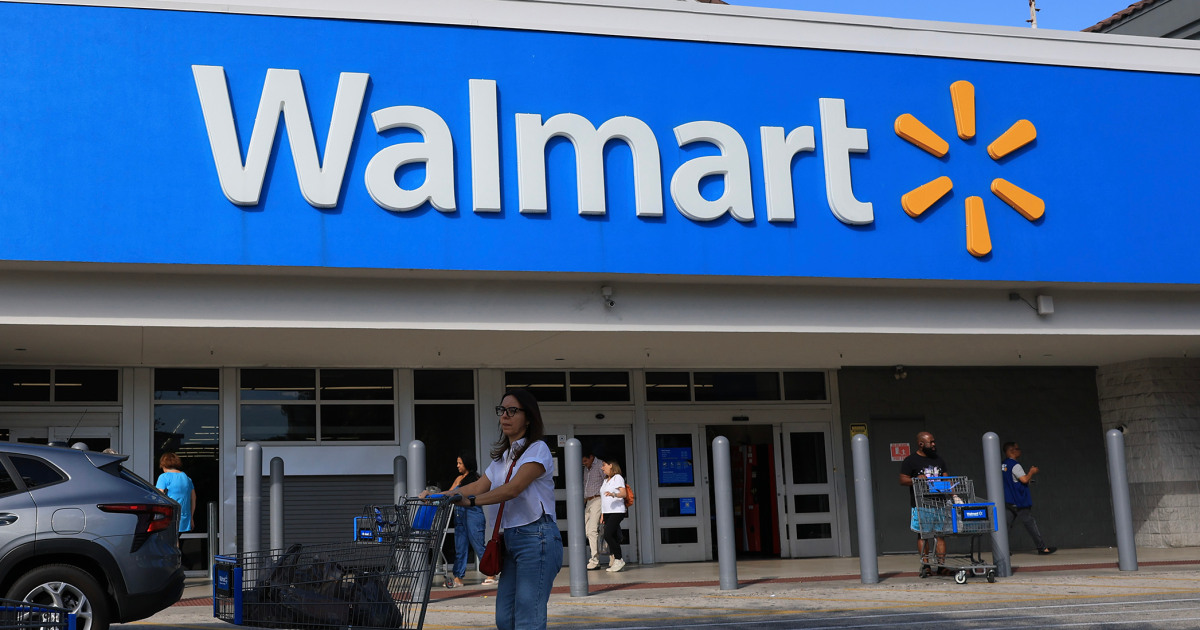
Walmart signaled it may need to raise prices in response to soaring fuel costs that are putting pressure on the retail giant's operations and supply chain, despite reporting positive quarterly earnings. The warning comes as U.S. consumers are already struggling with rising costs across multiple sectors of the economy, potentially adding to inflationary pressures.
The company's quarterly earnings report showed solid financial performance, but executives highlighted fuel cost increases as a growing concern for future operations. Rising fuel prices affect Walmart's extensive logistics network, which relies on trucking fleets to transport merchandise from distribution centers to thousands of stores across the country. Higher transportation costs ultimately get passed on to consumers through increased product prices.
Walmart's supply chain operates on razor-thin margins, making the company particularly sensitive to fuel price fluctuations. The retailer's business model depends on offering low prices to attract cost-conscious consumers, but sustained increases in operating expenses can force the company to adjust its pricing strategy to maintain profitability.
The potential for Walmart price increases carries broader economic implications, given the company's role as the nation's largest retailer and a bellwether for consumer spending patterns. When Walmart raises prices, it often signals broader inflationary trends that can affect household budgets and consumer confidence across the economy.
Fuel cost pressures are affecting retailers nationwide, but Walmart's scale and market position make its pricing decisions particularly influential. The company's warning about potential price increases reflects the challenging economic environment facing both businesses and consumers, as energy costs continue to strain operations while households already face affordability challenges across multiple spending categories.