Iran War Hits American Wallets: Mortgage Rates Climb to 6.53% as Household Fuel Bills Rise for the Year
Three weeks into the U.S.-Israel conflict with Iran, the economic ripple effects have reached deep into American household finances, pushing mortgage rates, gas prices, and consumer anxiety to levels not seen in years.
Three weeks of war in the Middle East have translated into a sustained economic squeeze on American households that goes well beyond the price of a tank of gas. The average 30-year fixed mortgage rate has climbed a full half-percentage point since the conflict began on February 28 — from just under 6% to 6.53% as of Friday — complicating decisions for millions of Americans at the start of what should be peak spring home-buying season. Economists note that even a 0.5-point jump adds hundreds of dollars per month to the cost of a median-priced home purchase, effectively locking out many first-time buyers who had been waiting for rates to stabilize.
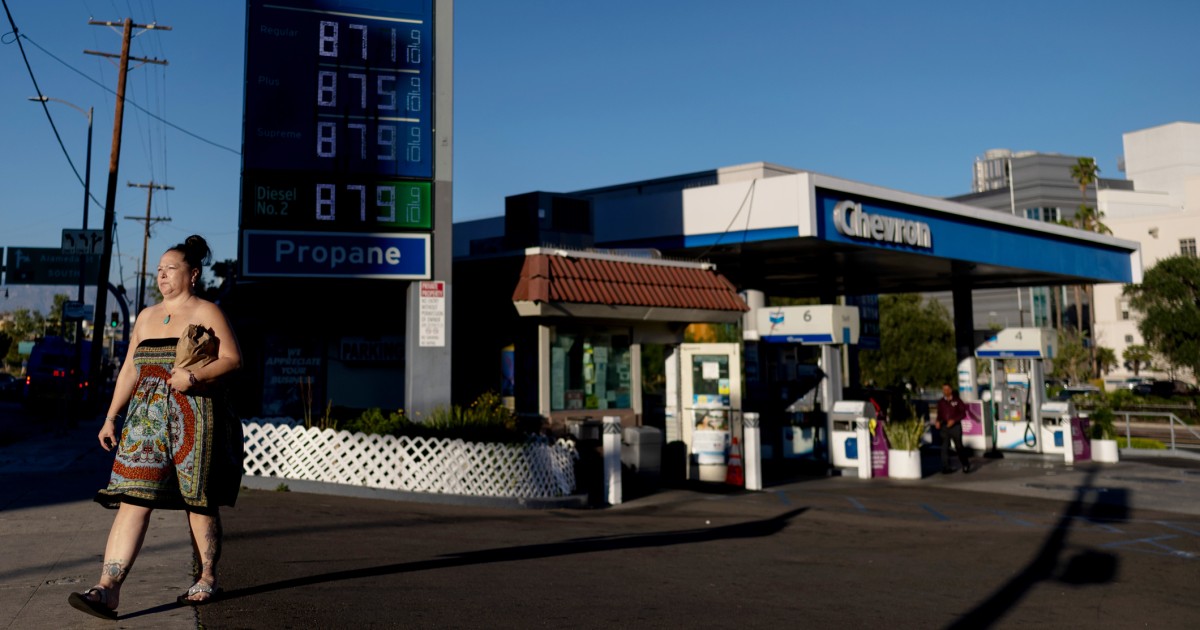
Gasoline prices have risen sharply as well, averaging $3.96 per gallon nationally — a 32% increase from $2.98 per gallon on February 26, the day before the war began. That translates into an estimated additional $740 in annual fuel costs for the average American household. Bank of America transaction data showed gasoline spending rose more than 14% year-over-year in mid-March, and analysts say the drag on discretionary spending — restaurants, retail, entertainment, and travel — is already visible in consumer transaction records across major spending categories.
The Strait of Hormuz, through which roughly 20% of the world's daily oil supply transits, has been effectively closed to commercial shipping since Iran declared a blockade in the opening days of the conflict. Brent crude hit nearly $120 per barrel last week before falling 6.2% Monday following Trump's announcement of a five-day strike pause. Even with that pullback, crude remains approximately 45% above pre-war levels. Major airlines have filed emergency surcharge requests with federal regulators, and shipping companies have invoked force-majeure clauses in dozens of contracts, signaling that the supply chain disruption has grown well beyond petroleum. Consumer goods ranging from electronics to clothing are subject to shipping delays and price increases as maritime routes are rerouted around the Persian Gulf at considerable additional cost.
Federal Reserve officials have shifted their tone noticeably since the war's onset. Fed Governor Christopher Waller told reporters last week that the conflict "is looking like it's going to be a much more protracted" situation, and indicated that sticky inflation driven by oil prices could delay anticipated rate cuts that markets had been counting on for mid-2026. Consumer sentiment surveys fell to their lowest reading of 2026 in the March poll taken immediately after the February 28 war onset, reflecting the public's rapid anxiety about economic conditions. The University of Michigan consumer confidence index, which had recovered modestly from early-year lows, reversed sharply — a signal that household expectations about spending and savings are deteriorating in ways that tend to be self-reinforcing.
The damage to equity markets has been substantial, though Monday brought a rare reprieve. The Nasdaq Composite was down 6.8% for the year as of Friday's close, while the S&P 500 had lost 4.9% and the Dow Jones Industrial Average had dropped 5.2%, marking the worst four-week stretch for U.S. stocks since April 2025. Monday's 1,076-point Dow rally offset some of those losses, but economists cautioned against reading too much into a single session. Structural damage — locked-out homebuyers, squeezed commuters, battered retailers — has already accumulated, and a resolution to the conflict would not immediately reverse weeks of compounding disruption. Whether the Trump administration's claimed diplomatic progress leads to a genuine reopening of the Strait of Hormuz remains the central question on which every American consumer's bottom line now depends.