Soaring Gas Prices Drive EV Interest as Iran War Impacts Energy Markets
Americans increasingly consider electric vehicles as fuel costs surge, but affordability remains a significant barrier to adoption.
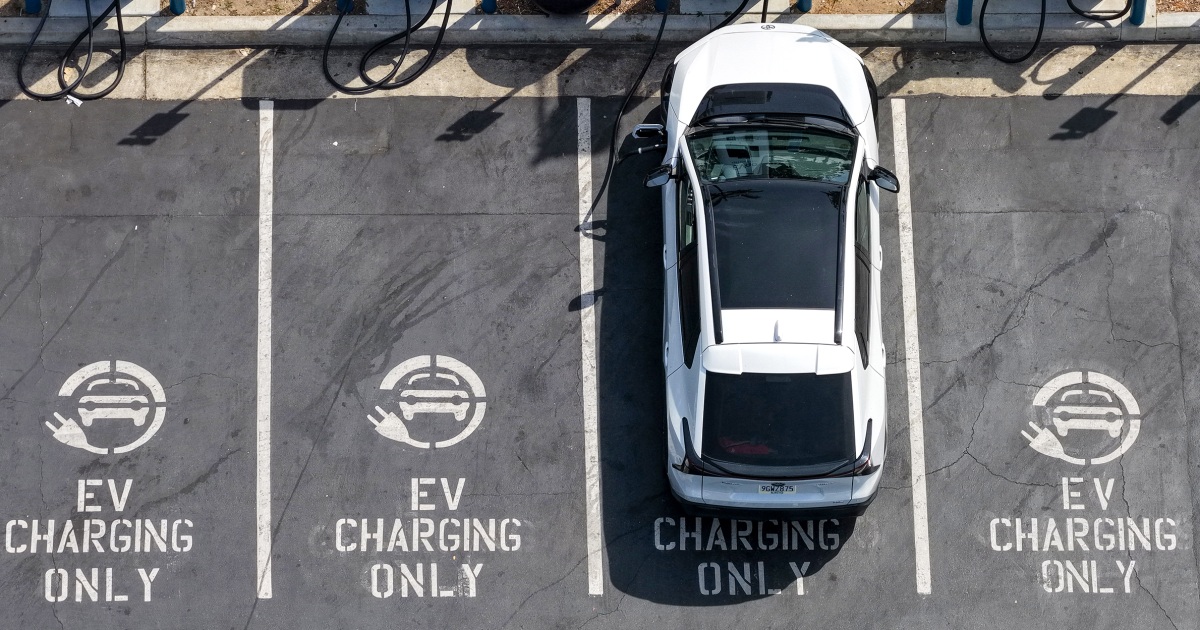
Rising gasoline prices driven by the ongoing Iran conflict are rekindling American interest in electric vehicles and hybrids, but significant affordability challenges continue to complicate widespread adoption. Gas prices have surged to $4.14 per gallon nationally, representing a 12-cent increase from just one week ago and an 88-cent jump compared to the same period last year, prompting consumers to reconsider their transportation options.
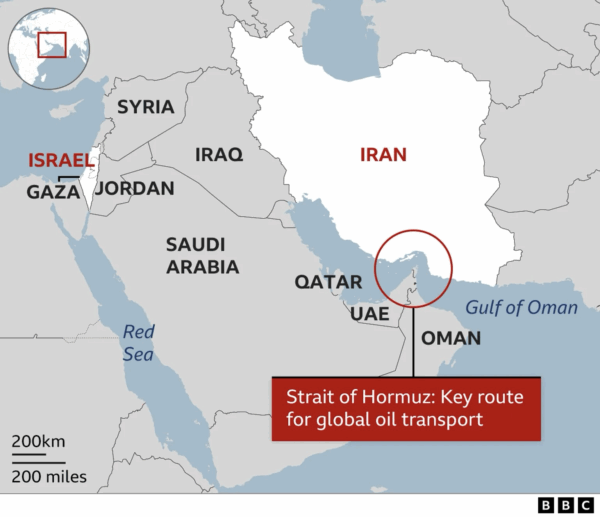
The Iran war's impact on global energy markets has created the most dramatic shift in fuel costs since the early days of the Ukraine conflict, with the closure of the Strait of Hormuz disrupting approximately one-fifth of global oil supplies. This disruption has made electric vehicles increasingly attractive to cost-conscious consumers who are facing significantly higher commuting and travel expenses.
Automotive dealers report increased foot traffic and inquiries about electric and hybrid vehicles as consumers seek alternatives to traditional gasoline-powered cars. However, the higher upfront costs of electric vehicles continue to present a substantial barrier for many Americans, particularly those in lower and middle-income brackets who are most affected by rising fuel costs but least able to afford expensive vehicle purchases.
The situation is further complicated by the complex global supply chain dynamics affecting electric vehicle production. China's dominance in electric vehicle manufacturing and battery production has created dependencies that American policymakers are working to address through domestic manufacturing incentives and trade policies, though these efforts are still in early stages.
Industry analysts note that while current fuel price increases are driving immediate interest in alternative vehicles, sustained adoption will depend on continued government incentives, improved charging infrastructure, and reductions in electric vehicle costs. The Iran conflict has effectively created a natural experiment in consumer behavior, demonstrating how energy price volatility can rapidly shift transportation preferences, though the long-term implications for vehicle markets remain uncertain as the conflict's duration and resolution are still unknown.