Texas Homeowners Join Virtual Power Plants, Earning Cash for Grid-Connected Solar
The Wright family transformed their solar-powered home into part of a Virtual Power Plant network, selling excess energy back to the electrical grid while utility companies seek more participants.
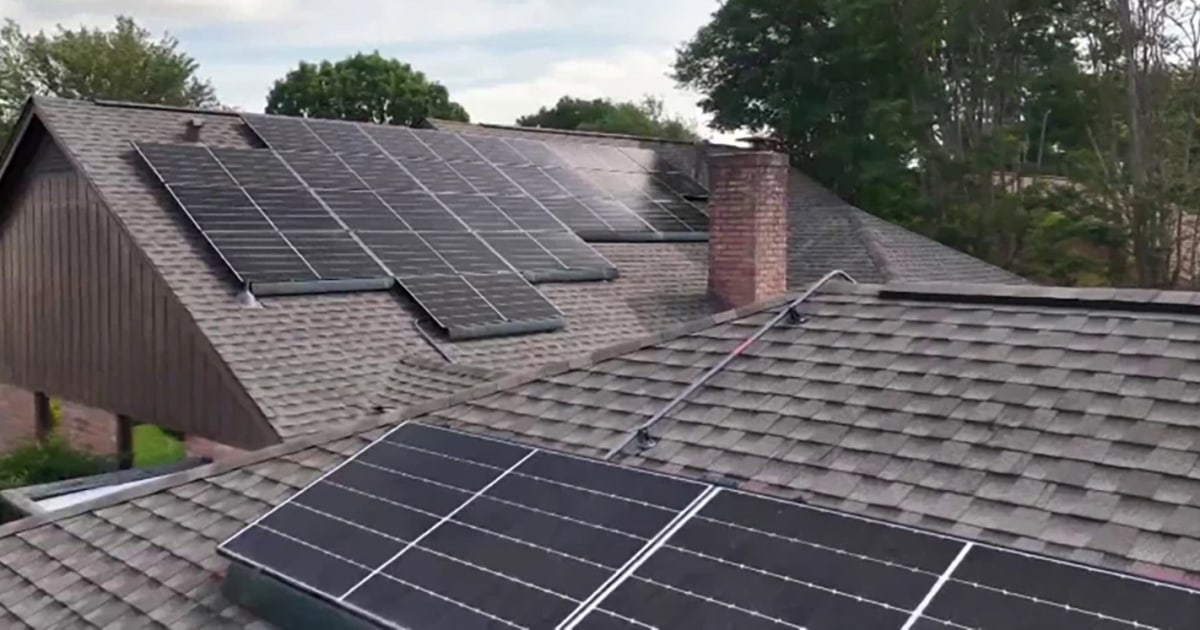
Texas homeowners are increasingly joining Virtual Power Plant (VPP) networks that allow them to sell excess solar energy back to the electrical grid while earning additional income from their renewable energy investments. The Wright family represents a growing number of residents who have converted their homes from standalone solar systems into active contributors to the state's electrical infrastructure through these innovative programs.
Virtual Power Plants aggregate distributed energy resources like rooftop solar panels, home battery systems, and other small-scale generation equipment into coordinated networks that can provide power to the broader electrical grid. Unlike traditional power plants that generate electricity at centralized locations, VPPs harness energy from thousands of individual homes and businesses, creating a decentralized approach to electricity generation that can respond quickly to changing demand patterns.
Utility companies across Texas are actively recruiting homeowners to participate in VPP programs as they seek to diversify their energy sources and improve grid reliability. These programs typically offer financial incentives to homeowners who agree to share their excess solar generation and allow utility companies to coordinate their systems during peak demand periods. Participants can earn money through various mechanisms, including payments for energy fed back into the grid and bonuses for making their systems available during high-demand periods.
The Wright family's experience illustrates how homeowners can transition from energy consumers to energy producers while maintaining their energy independence. Their solar panels generate electricity that first meets their household needs, with any excess power automatically flowing back into the grid through their VPP connection. During periods when their panels generate more electricity than they use, they receive compensation from the utility company for contributing to the overall power supply.
The expansion of VPP programs reflects broader changes in how electrical grids operate as renewable energy sources become more prevalent. Utility companies are finding that distributed generation from residential solar systems can provide valuable flexibility, especially during peak demand periods when traditional power plants might struggle to meet electrical needs. For homeowners, VPP participation offers an opportunity to maximize the return on their solar investments while contributing to a more resilient and sustainable electrical grid. The programs also help reduce strain on centralized power generation facilities and can lower electricity costs for all consumers by providing additional power supply options during high-demand periods.