Virtual Power Plants Offer Homeowners Cash for Grid-Connected Solar Systems
Texas utility companies are paying residents to turn their solar-powered homes into distributed energy networks that support the electrical grid.
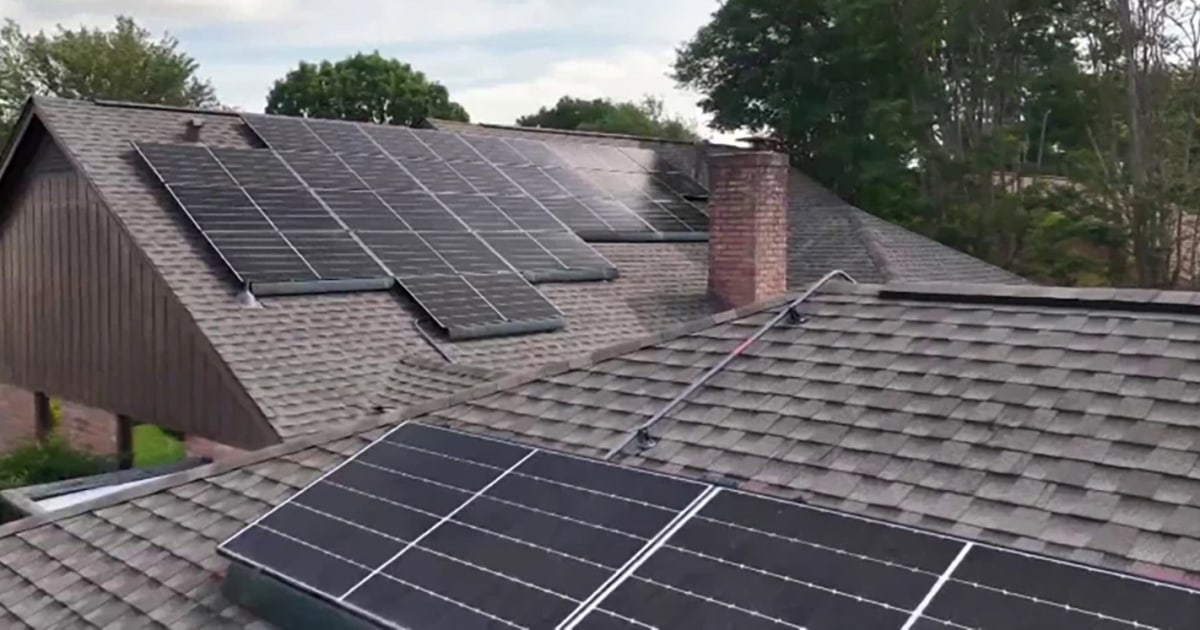
Utility companies across Texas are offering homeowners financial incentives to transform their residential solar installations into components of Virtual Power Plant (VPP) networks that can return excess energy to the electrical grid during peak demand periods. The Wright family's experience illustrates this emerging trend, as they converted their standalone solar-powered home into part of a distributed energy system that generates both environmental benefits and additional income.
Virtual Power Plants represent a fundamental shift in how electrical utilities manage energy distribution and peak demand challenges. Rather than relying solely on large centralized power plants, VPP networks aggregate thousands of small residential and commercial energy sources to create a distributed system that can respond dynamically to grid needs. Homeowners with solar panels, battery storage systems, and smart home technology can participate by allowing utilities to draw on their excess energy production during high-demand periods.
The financial incentives for participation vary by utility company and region, but many programs offer monthly payments ranging from $50 to $200 per household, plus additional compensation for energy actually contributed to the grid. Homeowners typically retain priority access to their own energy production while allowing utilities to access surplus power during predetermined periods when grid demand exceeds supply from traditional sources.
Texas has emerged as a leader in VPP development due to its deregulated energy market and frequent extreme weather events that strain the electrical grid. The state's experience with winter storms and summer heat waves has highlighted the vulnerability of centralized power systems and the potential benefits of distributed energy networks that can continue operating even when traditional plants fail. Utility companies view VPPs as a cost-effective alternative to building new power plants or purchasing expensive peak-demand energy from other markets.
The technology requirements for VPP participation continue to evolve, but most programs require participants to have solar panels, battery storage systems, and smart inverters that can communicate with utility control systems. As battery costs decline and smart home technology becomes more sophisticated, analysts expect VPP participation to expand significantly, potentially transforming how Americans think about home energy systems and their relationship with traditional utility companies.