Scientists Develop Revolutionary 'Super Steel' That Survives Green Hydrogen Production
New ultra-stainless steel uses double-protection mechanism to resist harsh seawater electrolysis conditions while cutting structural costs by 40 times compared to titanium.
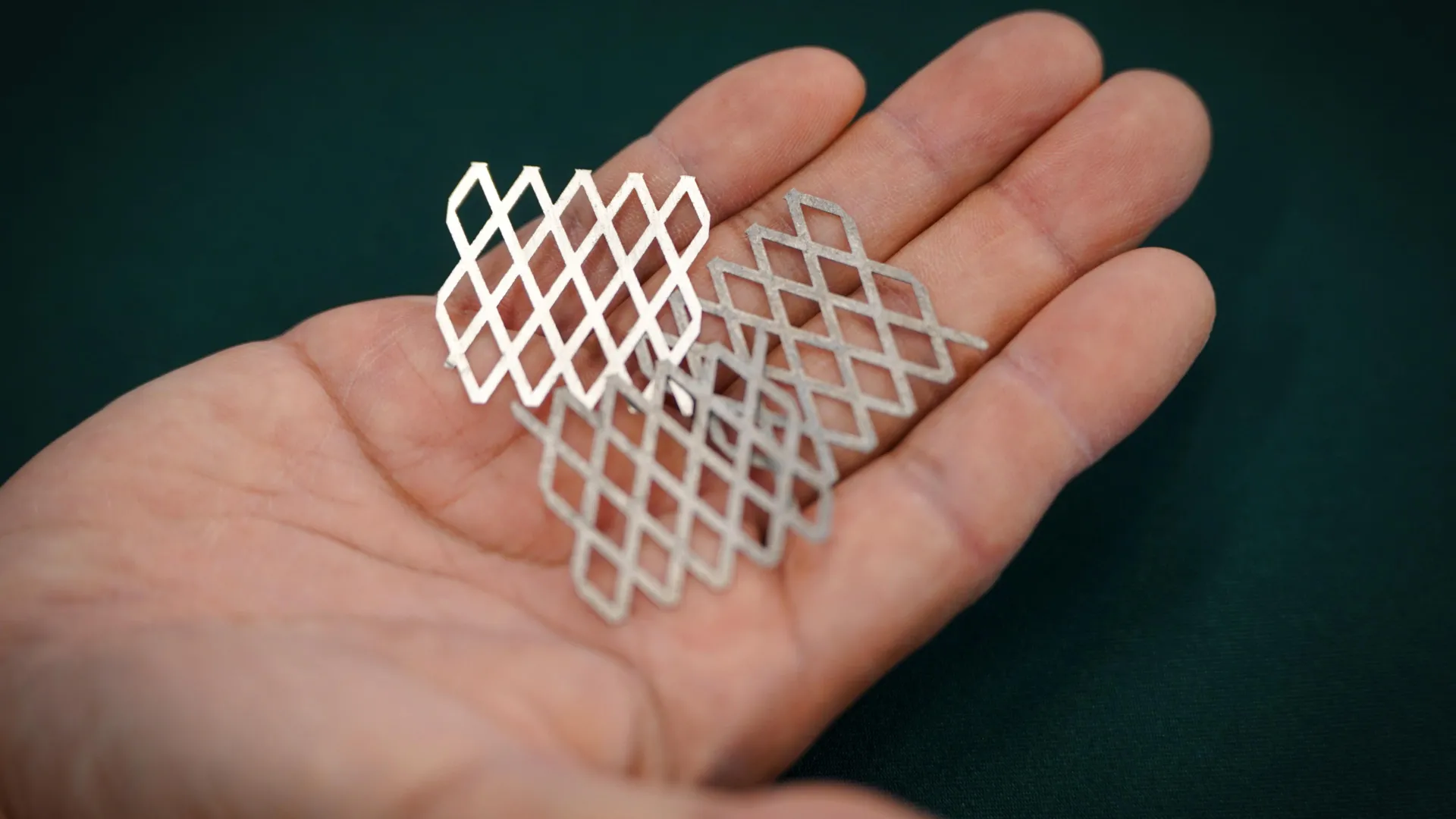
Researchers at the University of Hong Kong have developed a breakthrough stainless steel that could revolutionize green hydrogen production by surviving the harsh conditions needed to split seawater into hydrogen and oxygen. The new material, designated SS-H2, uses an unexpected double-protection mechanism that resists corrosion far better than conventional stainless steel, potentially making seawater electrolysis economically viable for large-scale clean energy production.
Professor Mingxin Huang's team in HKU's Department of Mechanical Engineering designed the steel specifically for hydrogen production applications where traditional materials fail. The research, published in Materials Today as part of Huang's ongoing "Super Steel" project, addresses one of the biggest obstacles facing green hydrogen technology: building electrolyzers that can handle seawater's corrosive environment without requiring expensive materials like titanium.
Seawater electrolysis presents unique challenges because salt, chloride ions, side reactions, and corrosion can quickly damage electrolyzer components. Current industrial hydrogen production systems rely on titanium-based structural materials coated with precious metals like gold or platinum, which are extremely expensive. For a 10-megawatt electrolysis system, structural components can represent up to 53% of the total cost of approximately HK$17.8 million.
The breakthrough lies in SS-H2's sequential dual-passivation strategy that provides protection beyond conventional stainless steel's single chromium-based defense system. While ordinary stainless steel's protective chromium oxide layer breaks down at high electrical potentials needed for electrolysis, the new material maintains its protective properties under the demanding conditions required for efficient hydrogen production from seawater.
According to the HKU team's estimates, replacing costly titanium structural materials with SS-H2 could reduce structural material costs by approximately 40 times. This dramatic cost reduction could make large-scale seawater electrolysis economically competitive with other hydrogen production methods, potentially accelerating the transition to clean hydrogen fuel for applications ranging from industrial processes to transportation and energy storage.