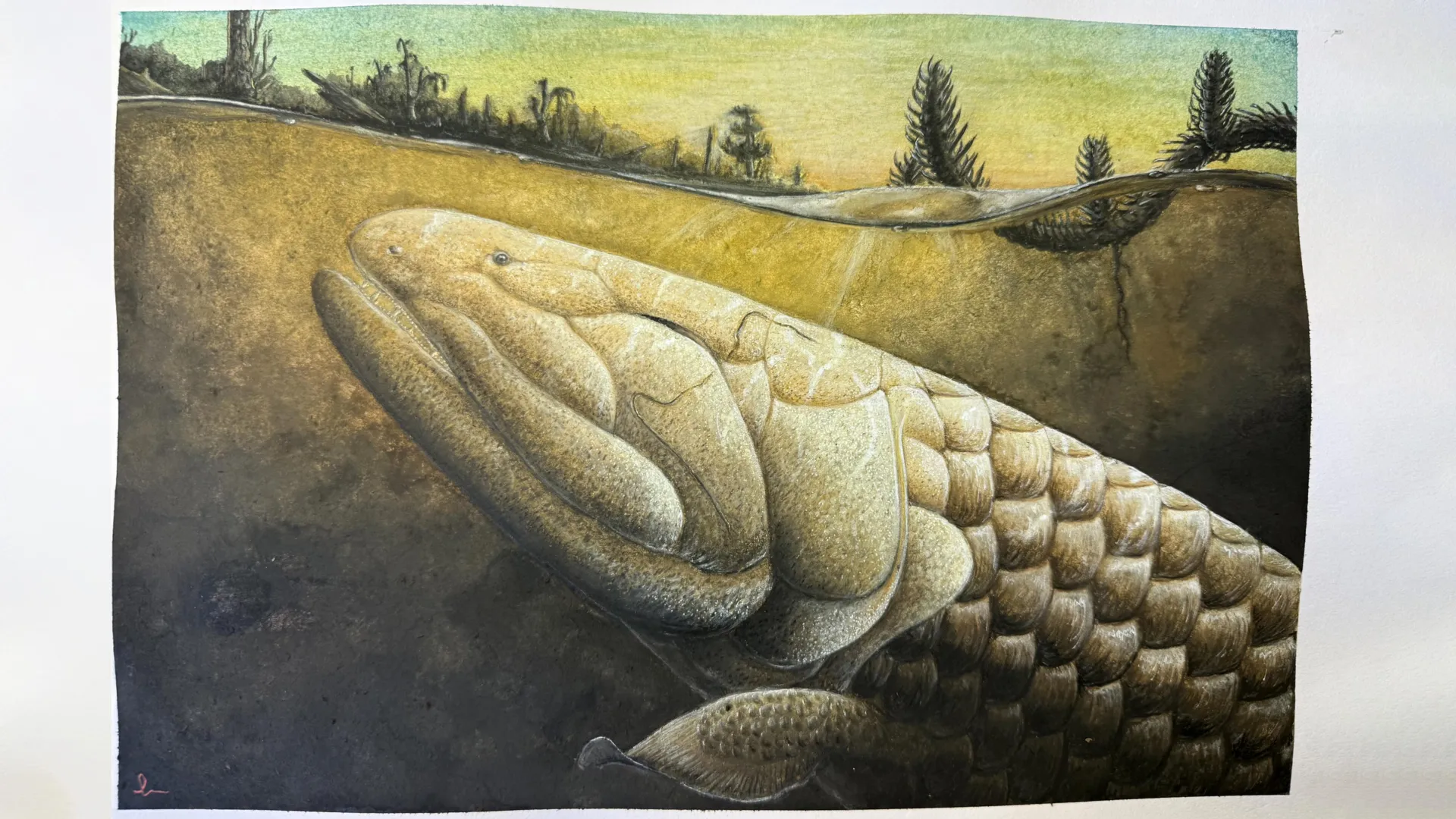
380-Million-Year-Old Antarctic Fish Reveals Clues to How Life First Walked on Land
Advanced neutron imaging of Koharalepis jarviki fossil uncovers brain features and air-gulping adaptations that helped ancient fish transition from water to land.
Section
Science news: space, biology, climate, medicine and the research changing how we live.

Advanced neutron imaging of Koharalepis jarviki fossil uncovers brain features and air-gulping adaptations that helped ancient fish transition from water to land.


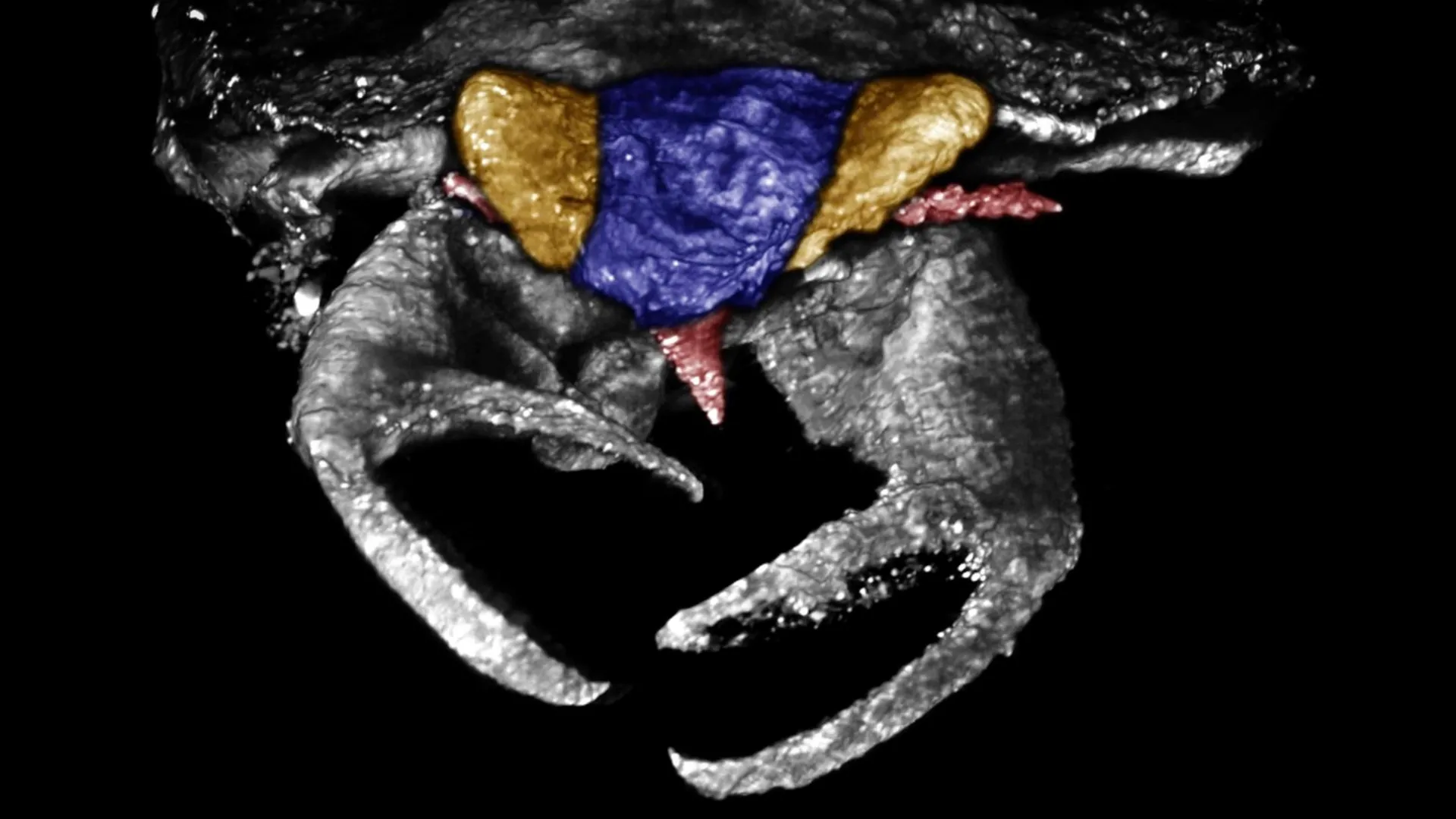
The bizarre ancient creature represents only the fourth known case of crab-like pincers evolving independently in insects.

Carefully carved artifacts from an ancient Greek lakeside reveal that early humans possessed far more sophisticated woodworking skills than previously believed.

A six-Earth-mass exoplanet found by Italian and Brazilian astronomers using HARPS-N data orbits one of the calmest M-dwarf stars within 30 light-years, making it a prime atmospheric-spectroscopy target for the James Webb Space Telescope.

A switchable-solvent technology described in Joule recovers more than 95 percent of dissolved lithium from sodium, magnesium and calcium-rich brines using a temperature trigger, potentially unlocking the Salton Sea, Smackover Formation, and oilfield-produced waters as major U.S. lithium sources.

A new Nature Cell Biology study identifies SEL1L as the protein leucine suppresses to protect crucial energy-producing machinery in mitochondria — a finding with implications for muscle metabolism, fertility and certain lung cancers.

Ancient artifacts from Greece reveal early humans were far more skilled and resourceful than previously believed.

University of Pennsylvania researchers discovered users frequently discuss menstrual irregularities, chills, and temperature changes not fully captured in clinical trials.

UCSF study finds older adults with 'normal' but lower B12 levels show signs of slower thinking and brain damage.

New research identifies potentially dangerous PAH compounds in foods exposed to high-heat cooking methods like grilling, roasting, and frying.

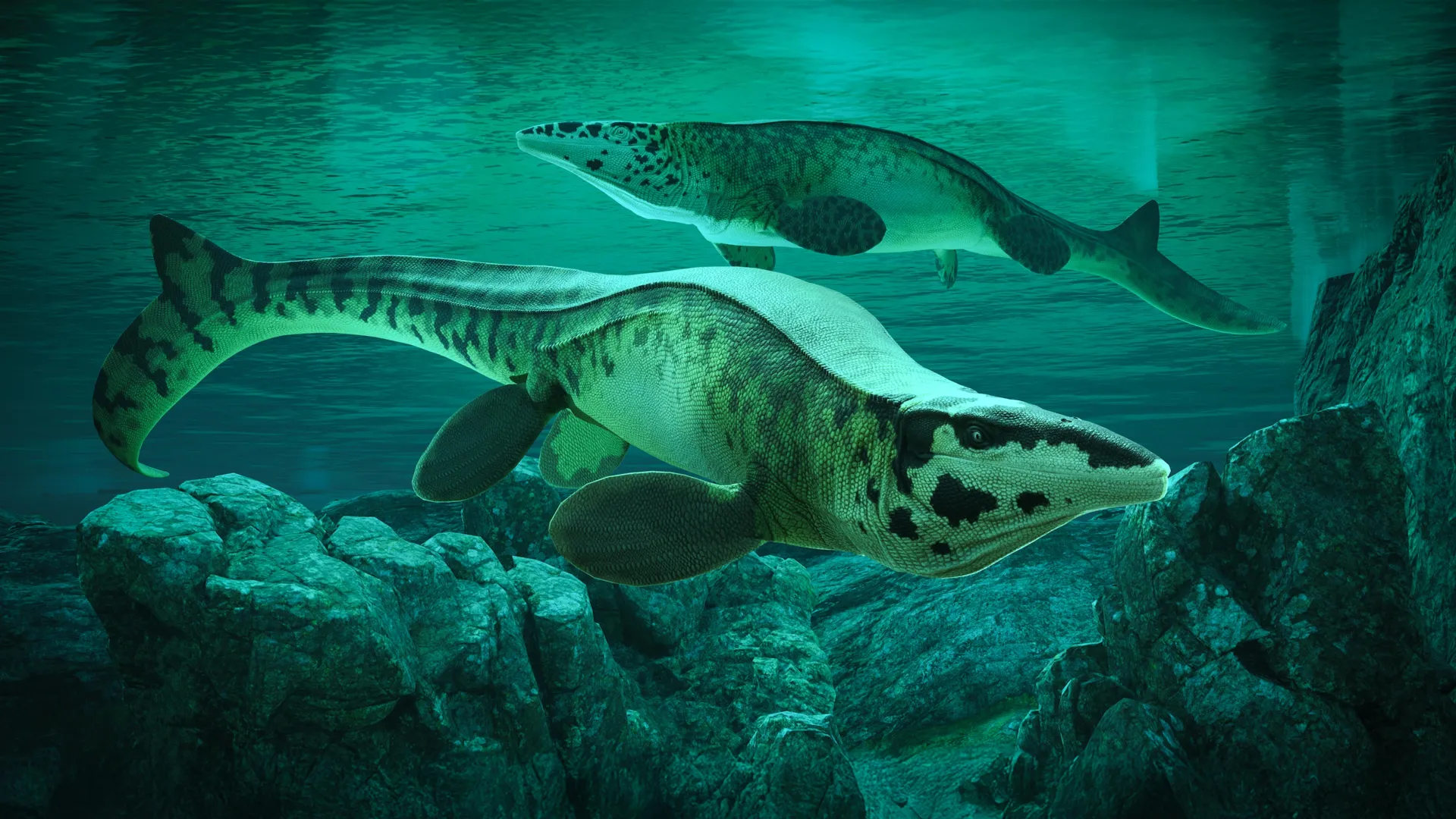
43-foot marine reptile from Texas fossil reveals brutal predator that dominated prehistoric seas 80 million years ago.

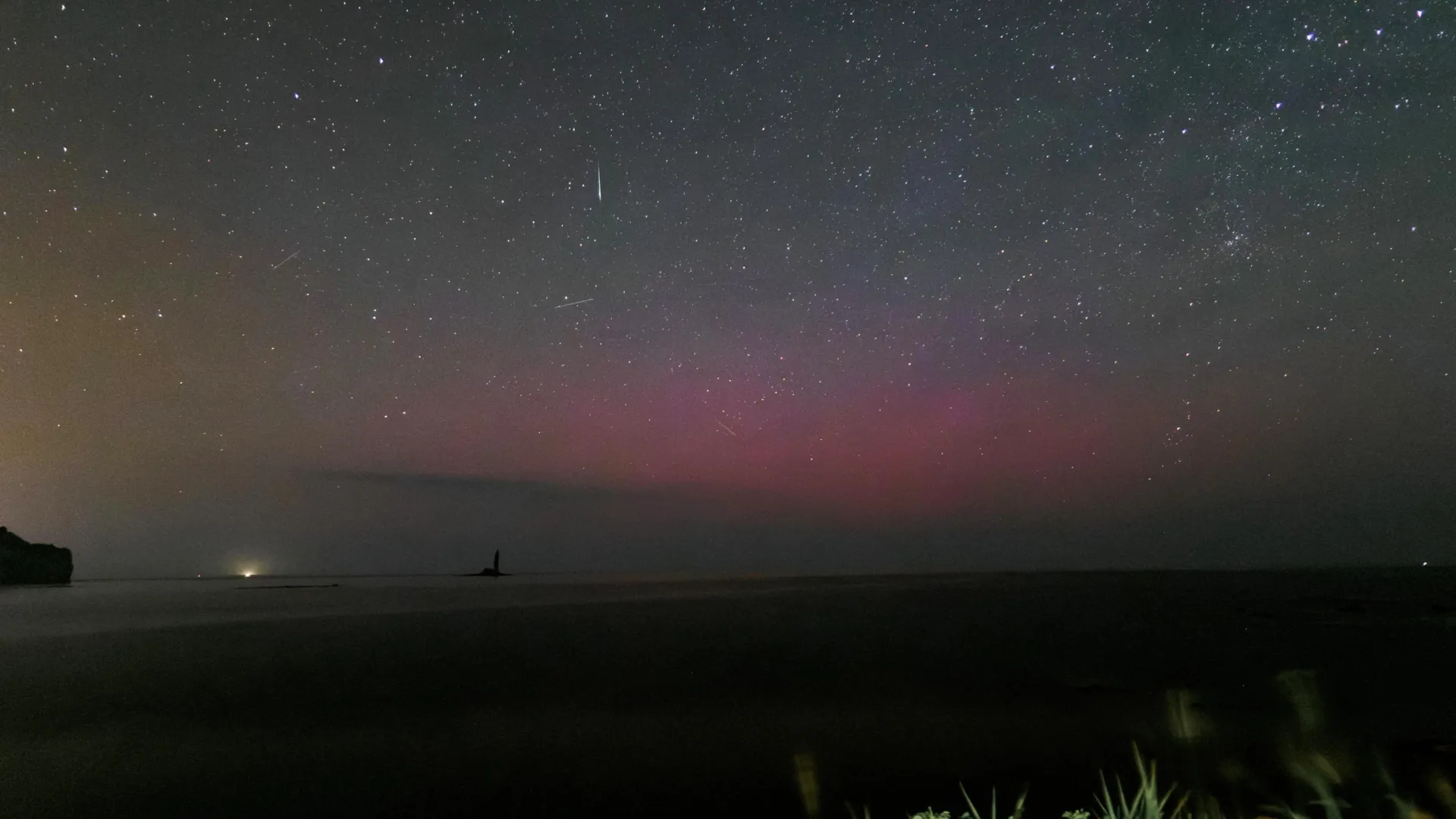
Mysterious red auroras extended 500-800 kilometers above Earth during moderate geomagnetic storms, suggesting hidden solar activity may be stronger than realized.

Research from UC San Francisco suggests that "normal" B12 levels may not be sufficient to protect against cognitive decline and brain damage in older adults.

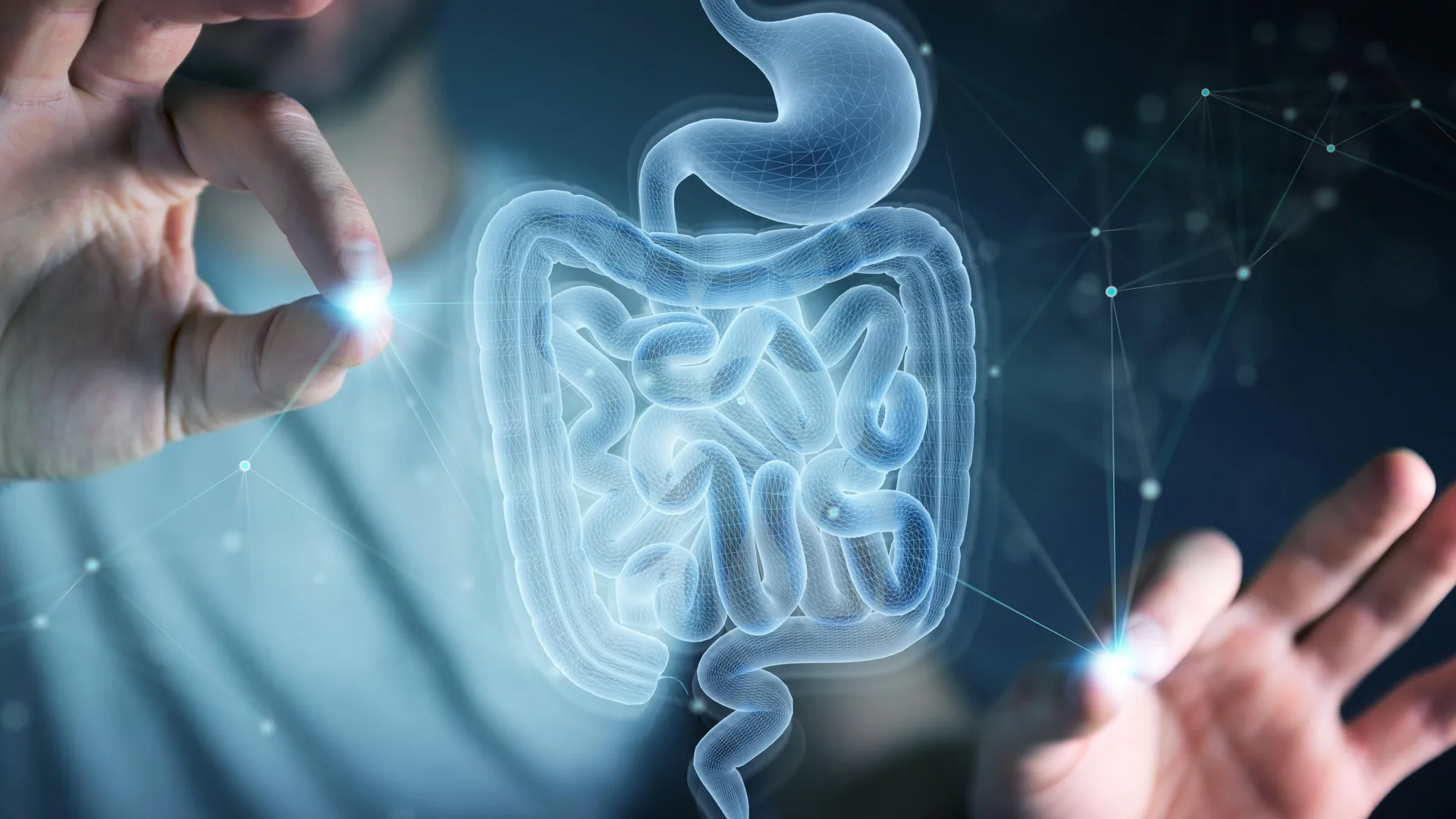
Cysteine found in meat, dairy, and beans activates immune cells to release healing signals, helping stem cells rebuild damaged intestinal tissue.

Eli Lilly's retatrutide injection shows results comparable to gastric bypass surgery among heaviest patients after 80 weeks of treatment.

Researchers found that cysteine-rich diets activate immune cells that release healing signals, potentially offering new treatment for cancer patients with gut damage.

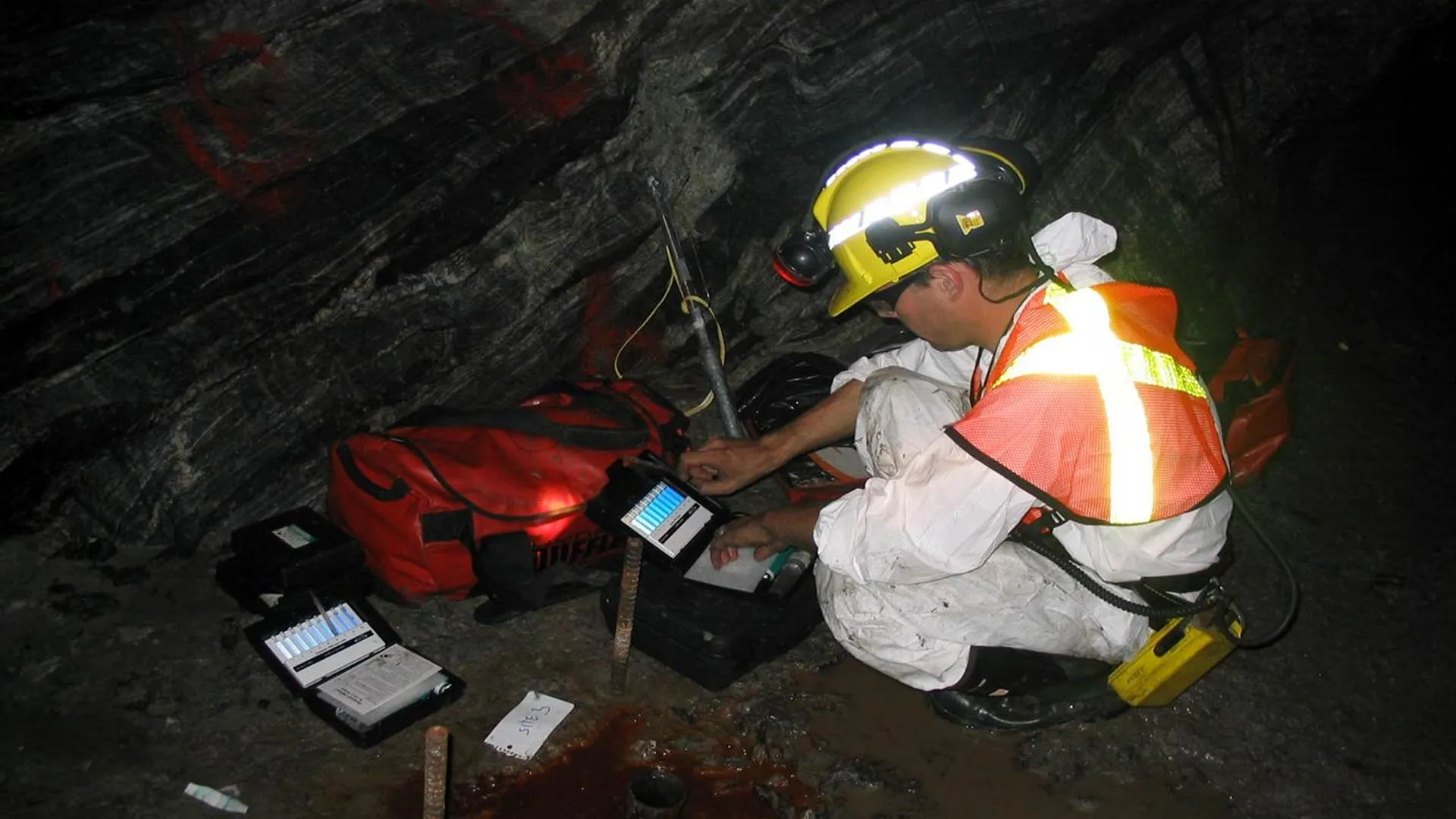
A new Proceedings of the National Academy of Sciences study by Barbara Sherwood Lollar and Jen-Ru Wang documents 15,000 boreholes venting more than 140 metric tons of pure hydrogen a year, enough to power roughly 400 households and signaling a potentially vast new clean-energy frontier across northern Canada.

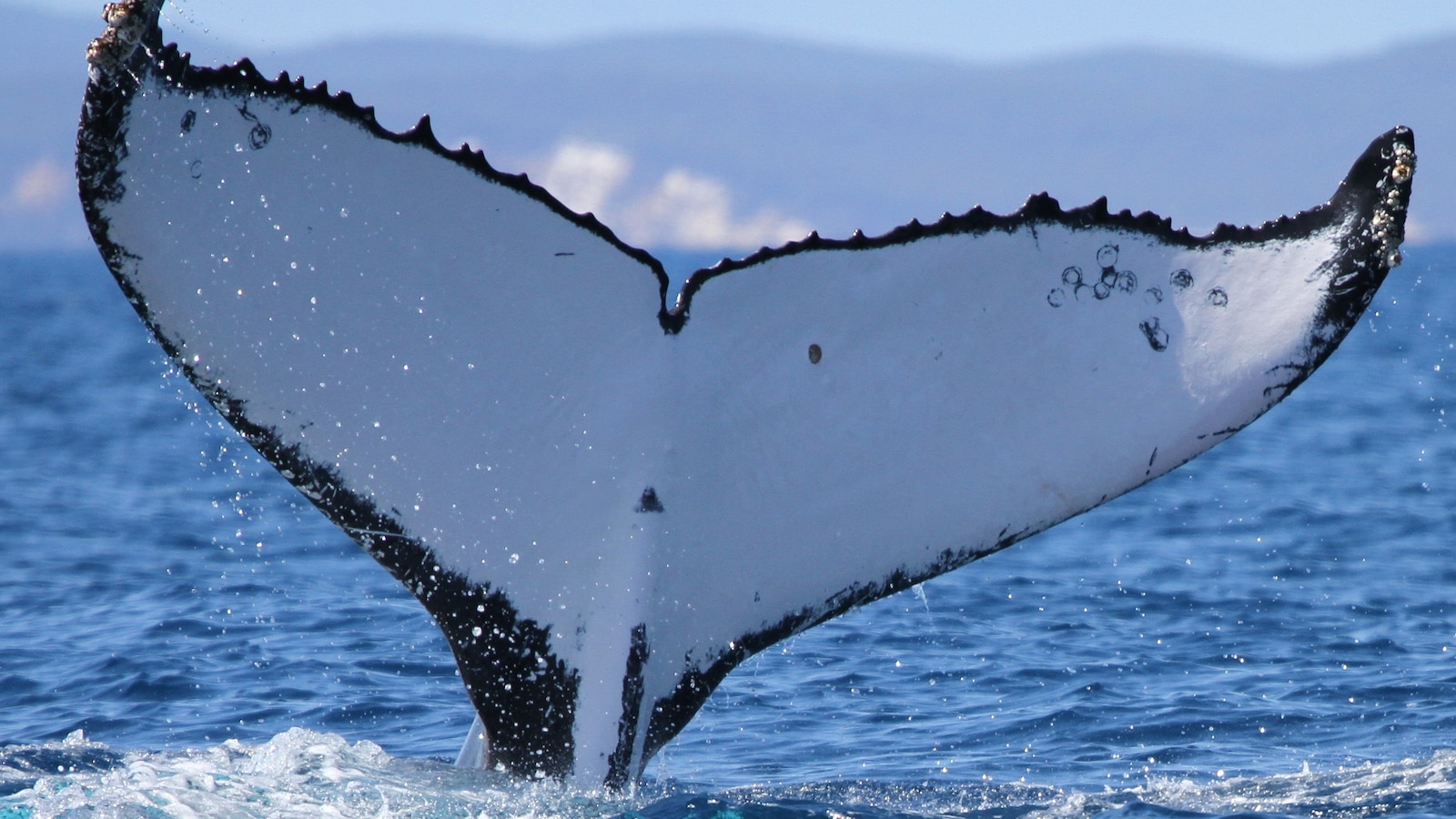
Researchers using AI-powered fluke-pattern recognition identified the same individuals at sites about 9,300 miles apart and traveling in opposite directions — a feat that beats the previous Colombia-to-Zanzibar record and rewrites textbook accounts of how rigid humpback breeding fidelity is supposed to be.

Researchers found that removing the IDOL enzyme from neurons significantly reduced amyloid plaques and improved brain processes linked to resilience.

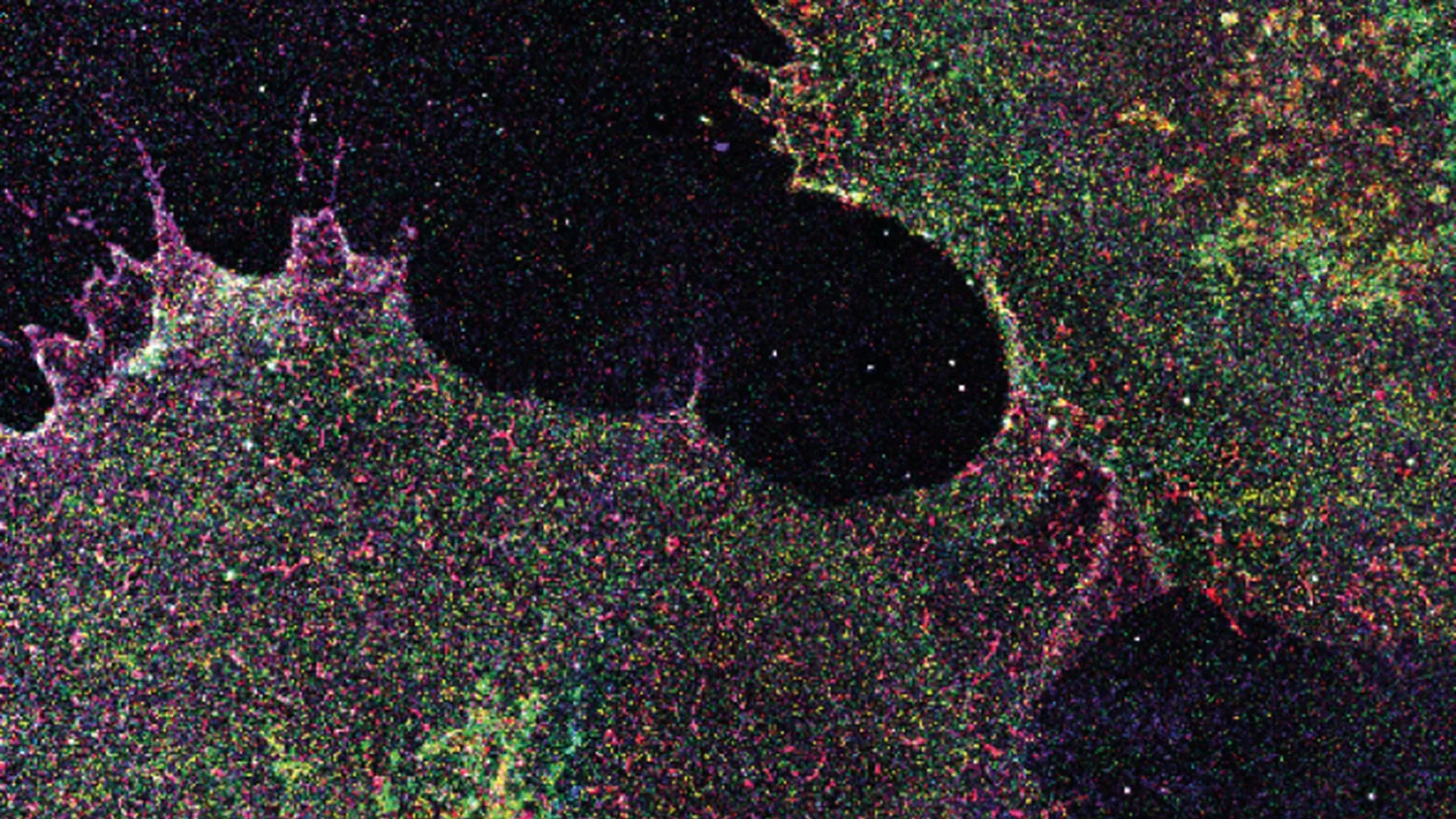
A new super-resolution imaging technique called Glycan Atlasing maps the dense forest of carbohydrate molecules coating every cell, and the patterns it reveals can distinguish early-stage tumors and activated immune cells with 94 percent accuracy.

A six-year, $2.1 million NIH-funded study published in Aging and Disease identifies tristetraprolin as a master brake on the chronic, low-grade inflammation that researchers now call "inflammaging" — and shows that holding TTP at youthful levels reverses the visible effects of aging in elderly mice.

New JWST observations of COLA1 and NEPLA4 — galaxies seen only 800 million years after the Big Bang — show black holes far larger relative to their host galaxies than any modern counterpart, deepening the puzzle of how the universe built its giants so quickly.

A new ACS Nutrition Science trial shows volunteers who ate three servings of whole grapes a day for 14 days turned on dozens of skin-barrier genes and cut a key marker of UV-induced oxidative damage back to baseline.

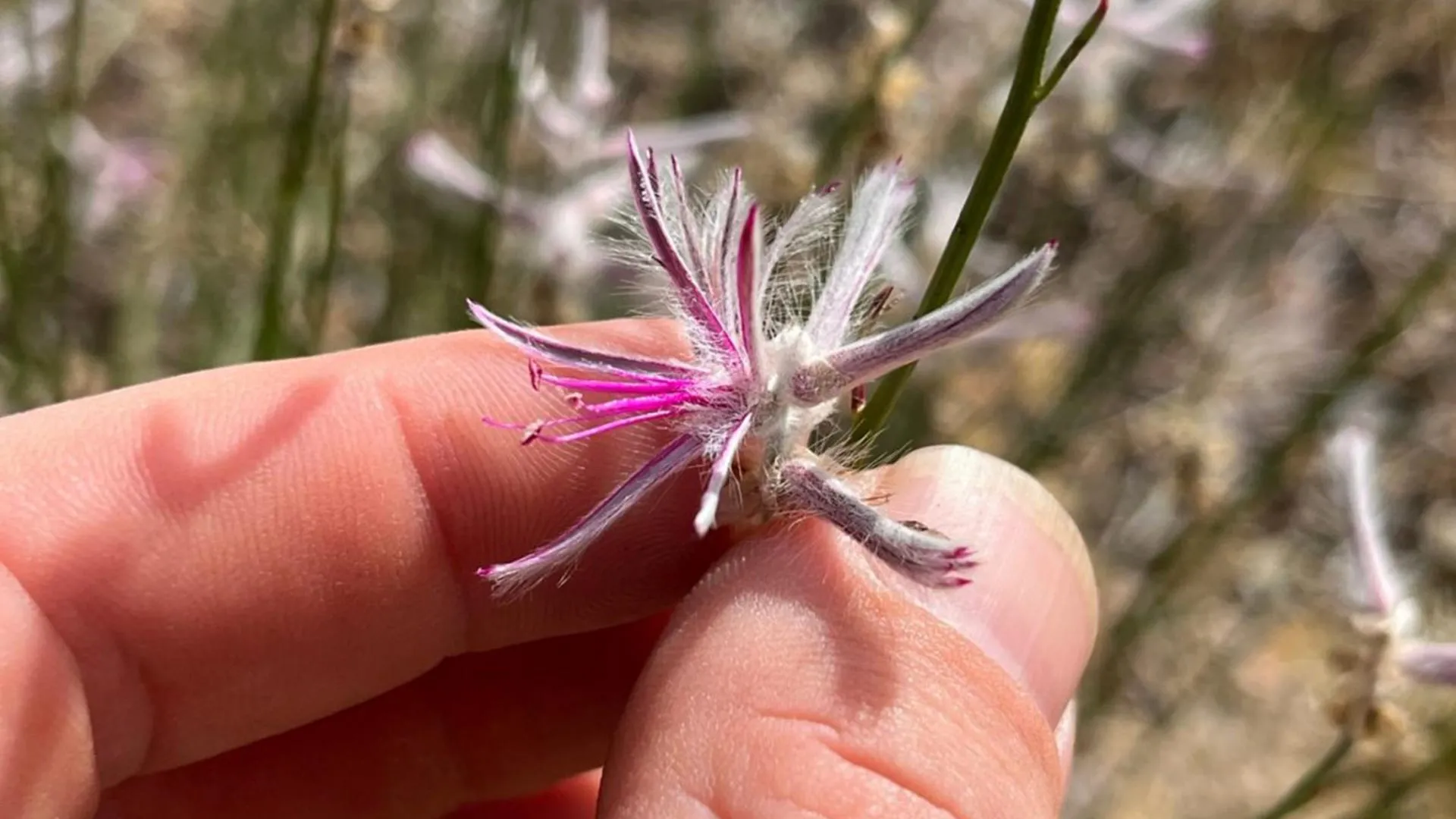
A bird bander's casual snapshot uploaded to iNaturalist led to the remarkable rediscovery of Ptilotus senarius in remote northern Australia.

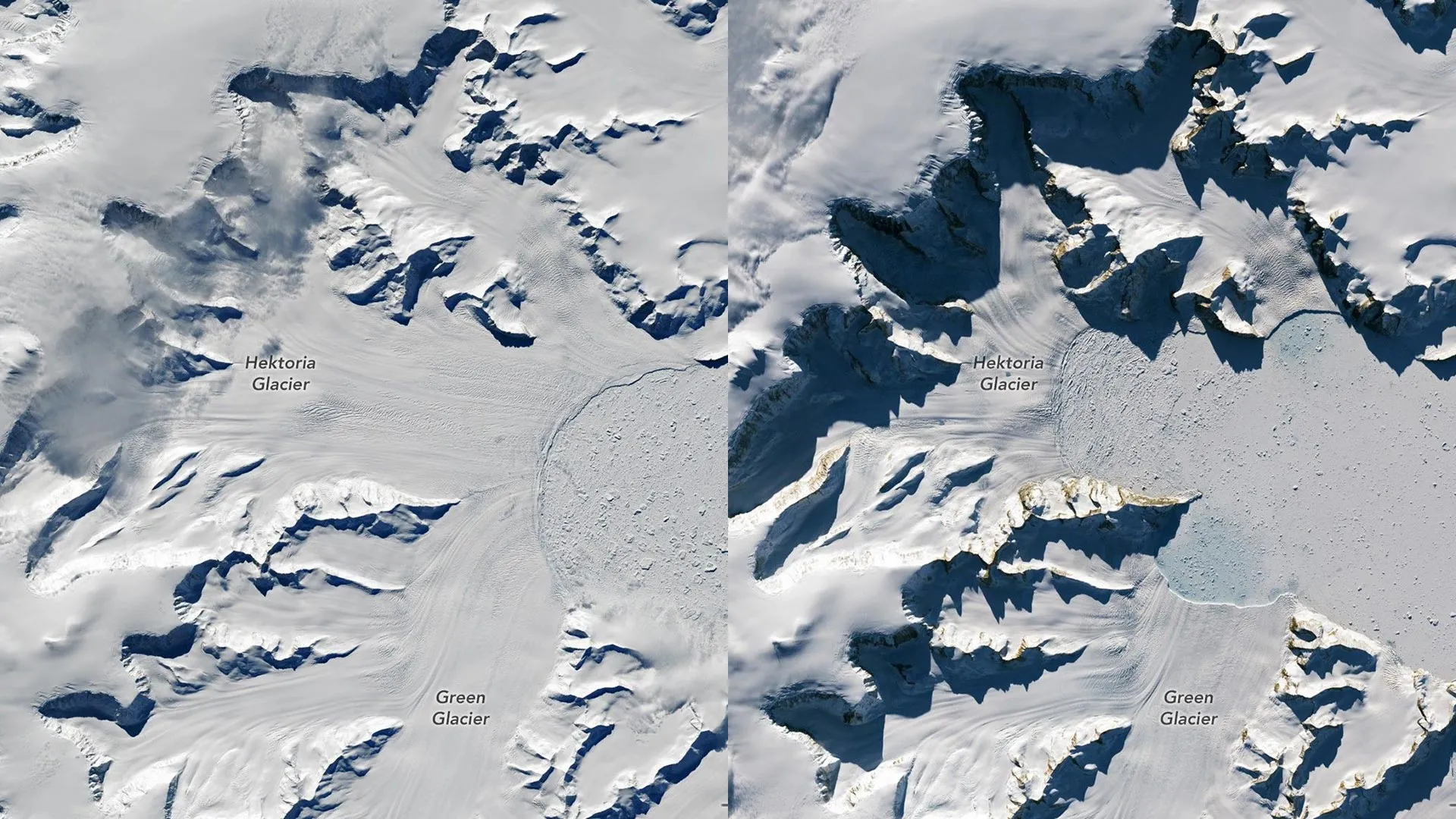
A new study published in The Cryosphere documents a two-month interval during which Hektoria's grounded ice line retreated more than five miles — a melt rate unprecedented since satellite tracking of polar ice began.

Newly mapped Lytle Beach and Vasa Park faults last cracked open around 1833, putting four million people in the Puget Sound region at greater near-term shaking risk than the much larger Cascadia subduction megathrust offshore.

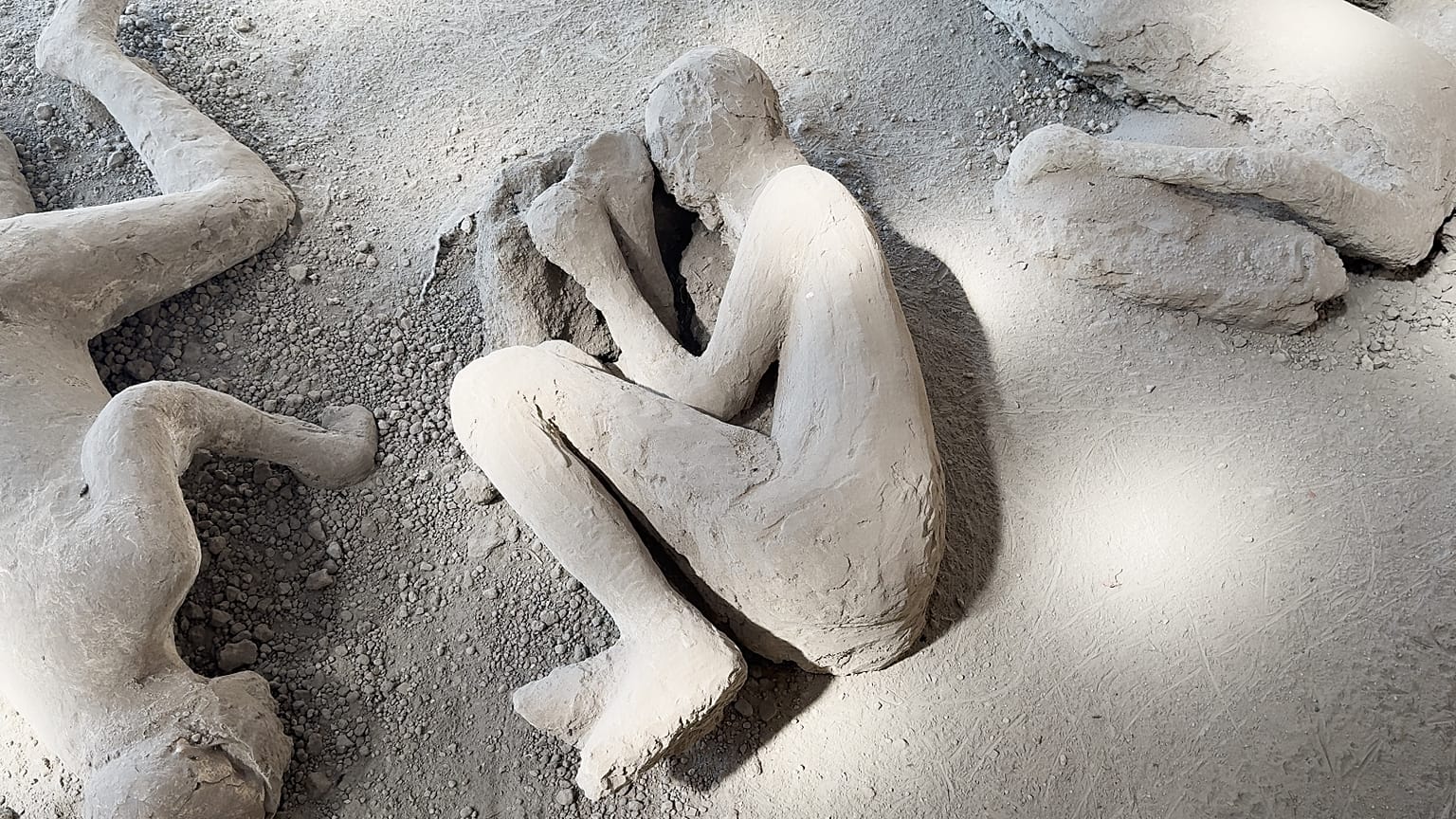
Director Gabriel Zuchtriegel announced the discovery from the Archaeological Park of Pompeii on May 15, with CT scans and AI-driven 3D reconstructions revealing surgical tools, a slate compounding plate, a fabric purse of bronze and silver coins and a toothed-wheel locking mechanism preserved alongside the victim's body.

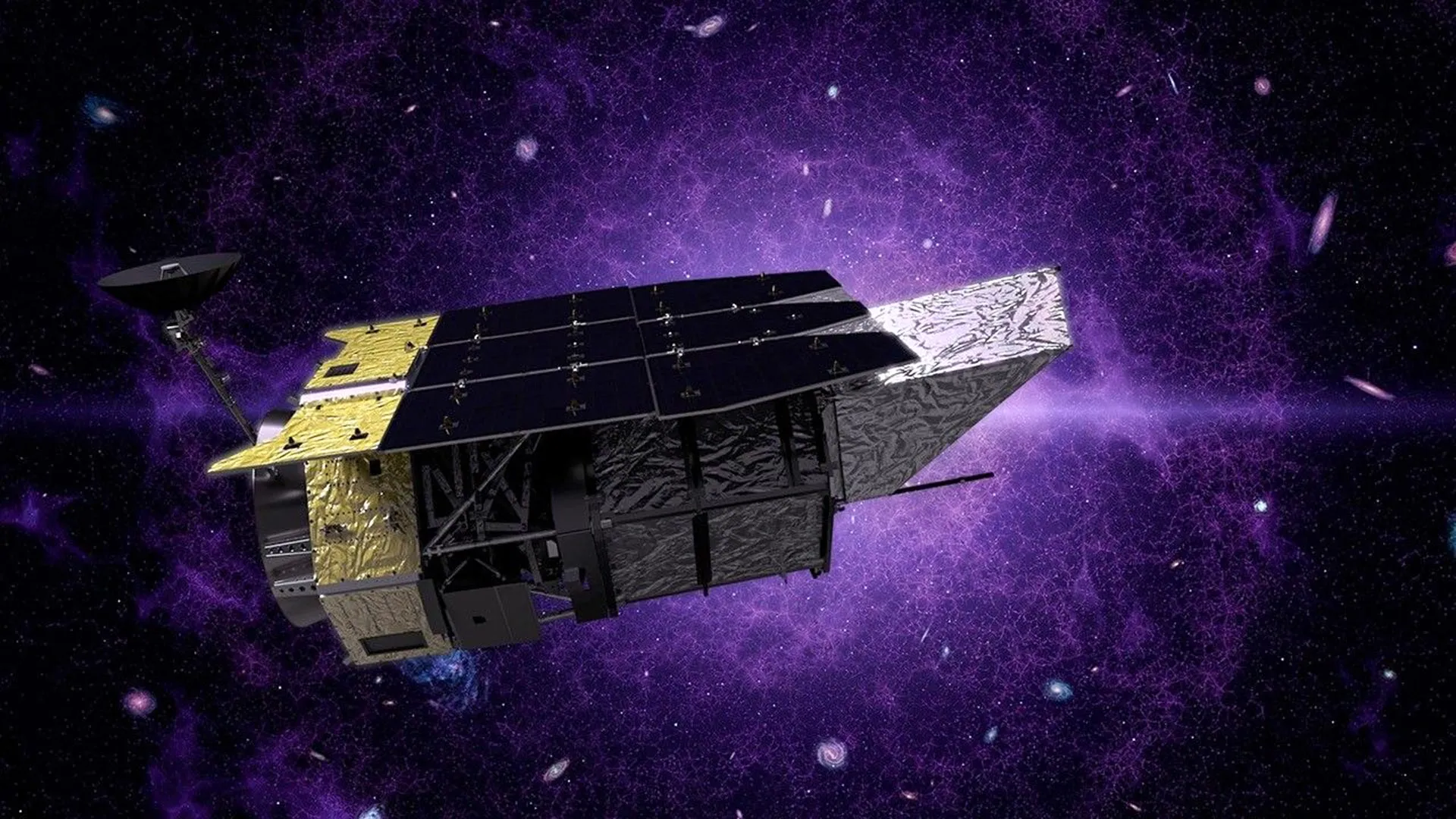
Accelerated timeline brings infrared observatory ahead of original May 2027 deadline to explore dark energy, dark matter, and exoplanets.

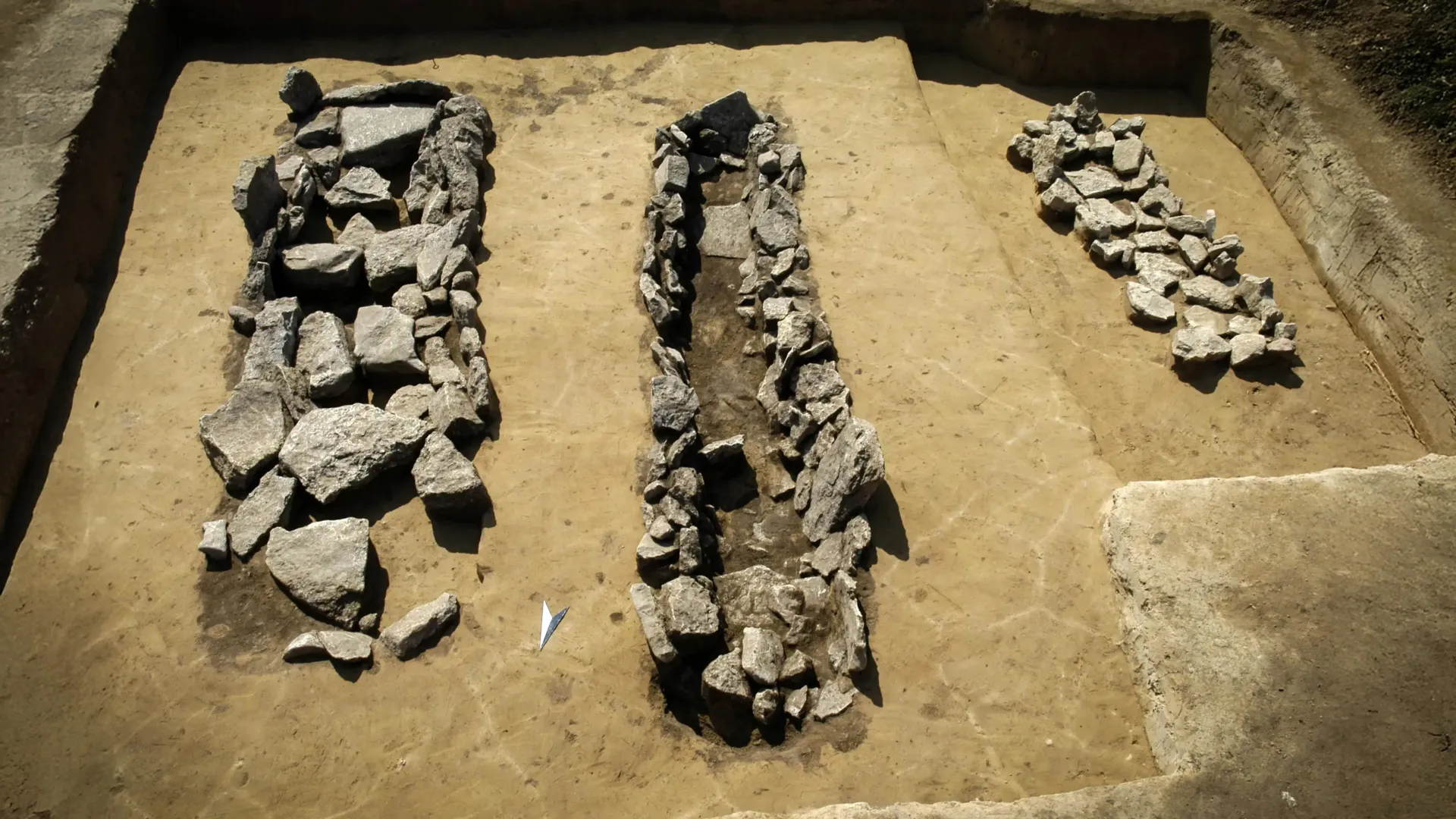
Scientists study rare non-cremated graves to uncover how Late Bronze Age people lived, moved, and adapted to cultural changes.
Copenhagen and Munich researchers reanalyzed 100+ studies and found regaining weight erases the benefits of a diet but does not leave a person metabolically worse off — overturning decades of public-health warnings.