MIT Scientists Discover Amino Acid That Triggers Powerful Gut Healing
Cysteine found in meat, dairy, and beans activates immune cells to release healing signals, helping stem cells rebuild damaged intestinal tissue.
MIT researchers have identified cysteine, a naturally occurring amino acid found in protein-rich foods like meat, dairy, beans, and nuts, as a potent trigger for intestinal repair. In experiments with mice, scientists discovered that cysteine-rich diets activated immune cells that released healing signals, helping stem cells rebuild damaged intestinal tissue after radiation exposure.
The breakthrough could eventually lead to new dietary therapies for cancer patients suffering from treatment-related gut damage. "The study suggests that if we give these patients a cysteine-rich diet or cysteine supplementation, perhaps we can dampen some of the chemotherapy or radiation-induced injury," said Omer Yilmaz, director of the MIT Stem Cell Initiative and associate professor of biology at MIT's Koch Institute for Integrative Cancer Research.
The study represents the first time scientists have identified a single nutrient capable of directly enhancing intestinal stem cell regeneration. While previous research showed that broader dietary patterns like fasting or calorie restriction can influence stem cell activity, researchers had not pinpointed one specific nutrient responsible for this type of repair response.
Yilmaz and his team fed mice diets enriched with each of 20 different amino acids to determine their effects on intestinal stem cell regeneration. Among all amino acids tested, cysteine produced the strongest regenerative effect on both stem cells and progenitor cells that eventually mature into adult intestinal cells. The researchers traced the biological mechanism behind this effect, discovering that intestinal cells convert cysteine into a molecule called CoA.
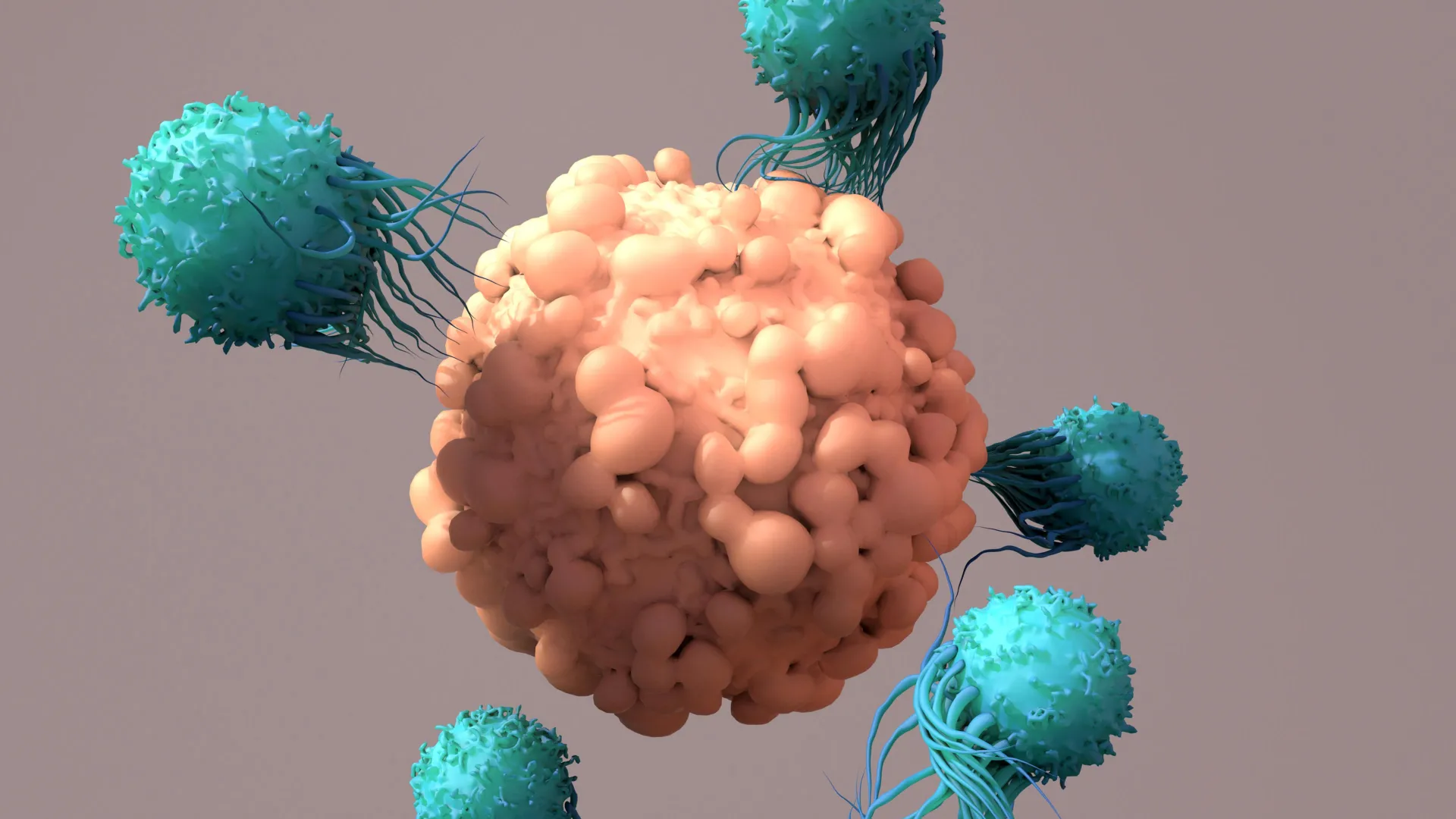
This CoA molecule is then released into the intestinal lining, where it is absorbed by immune cells known as CD8 T cells. Once activated, these T cells multiply and produce IL-22, a signaling protein that plays a major role in intestinal repair. The discovery revealed that CD8 T cells can produce IL-22 in ways that support intestinal stem cells, expanding scientific understanding of immune system interactions with tissue regeneration.