Scientists Discover Towering Red Auroras Reaching Deep Into Space Above Japan
Mysterious red auroras extended 500-800 kilometers above Earth during moderate geomagnetic storms, suggesting hidden solar activity may be stronger than realized.
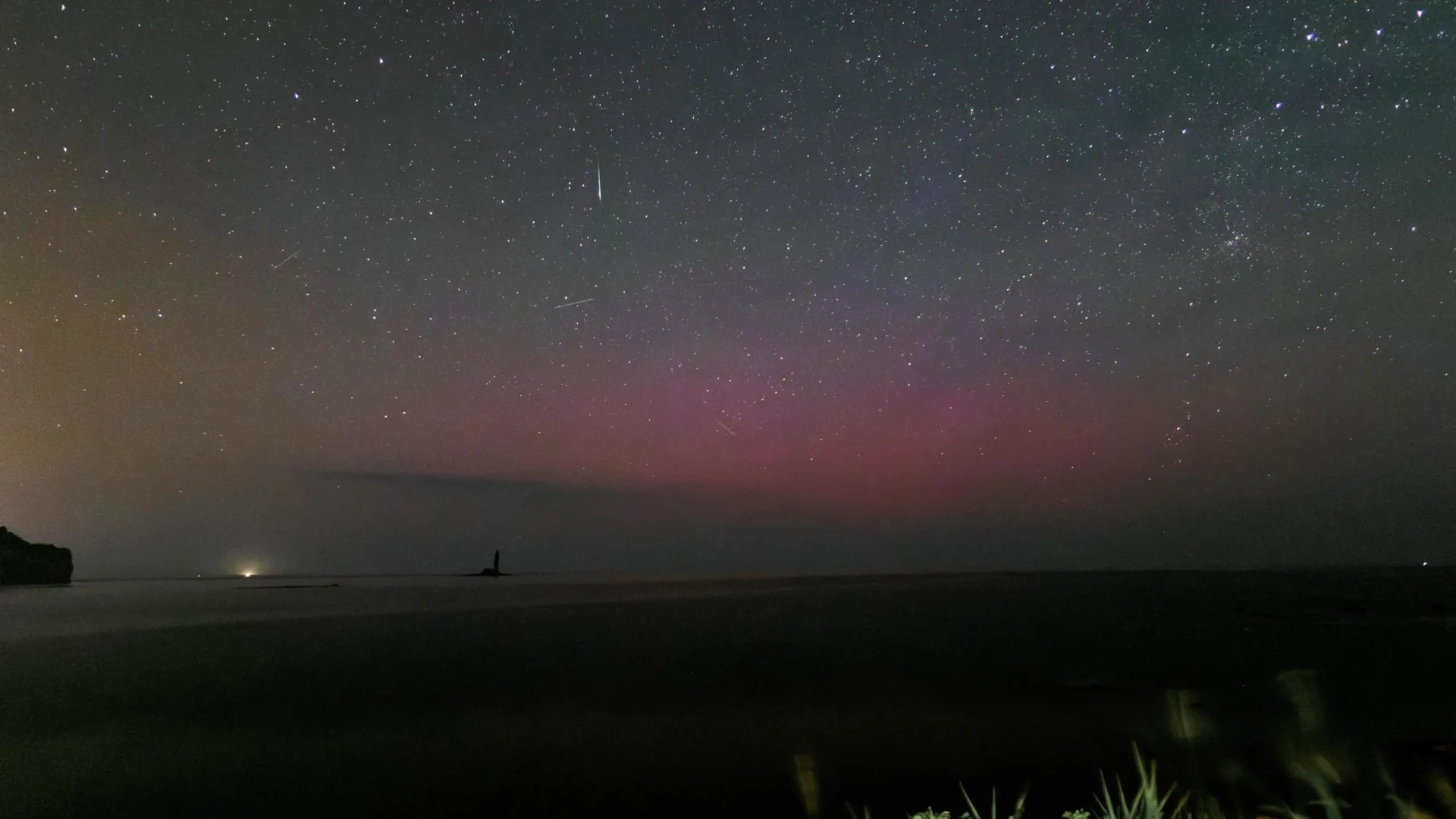
Researchers from Hokkaido University and the Okinawa Institute of Science and Technology have observed unusual red auroras above Japan reaching far greater heights than scientists previously thought possible, extending roughly 500 to 800 kilometers above Earth's surface during geomagnetic storms classified as only moderately intense. The discovery suggests that current space weather measurements may be underestimating the true strength of solar storms, with potential implications for satellite operations and space infrastructure.
Auroras are typically seen near polar regions where charged solar particles interact with Earth's atmosphere to create shimmering lights, but they are much less common at lower latitudes like Japan and usually require powerful geomagnetic storms. These events normally occur at altitudes of around 200 to 400 kilometers, making the new observations particularly surprising. The red coloration comes from oxygen atoms high in the atmosphere releasing energy as soft red light when struck by charged particles from the Sun.
"We found that red auroras can extend to extremely high altitudes even during those storms that are measured as moderately intense. I was really surprised because I didn't expect such tall auroras to appear even during moderately intense storms," said Tomohiro M. Nakayama, lead author of the study published in the Journal of Space Weather and Space Climate. "This suggests that these storms may actually be stronger than conventional indices indicate."
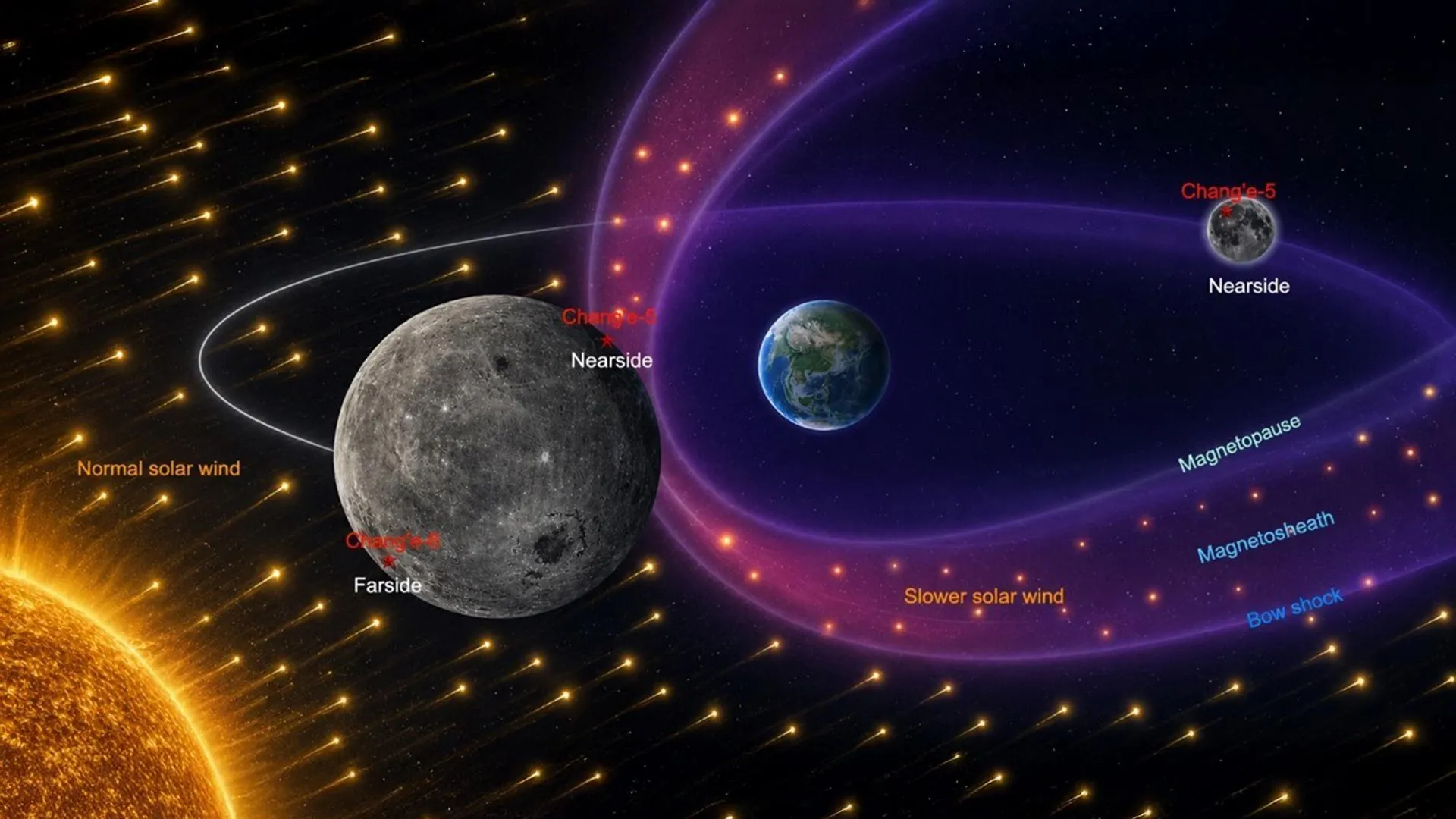
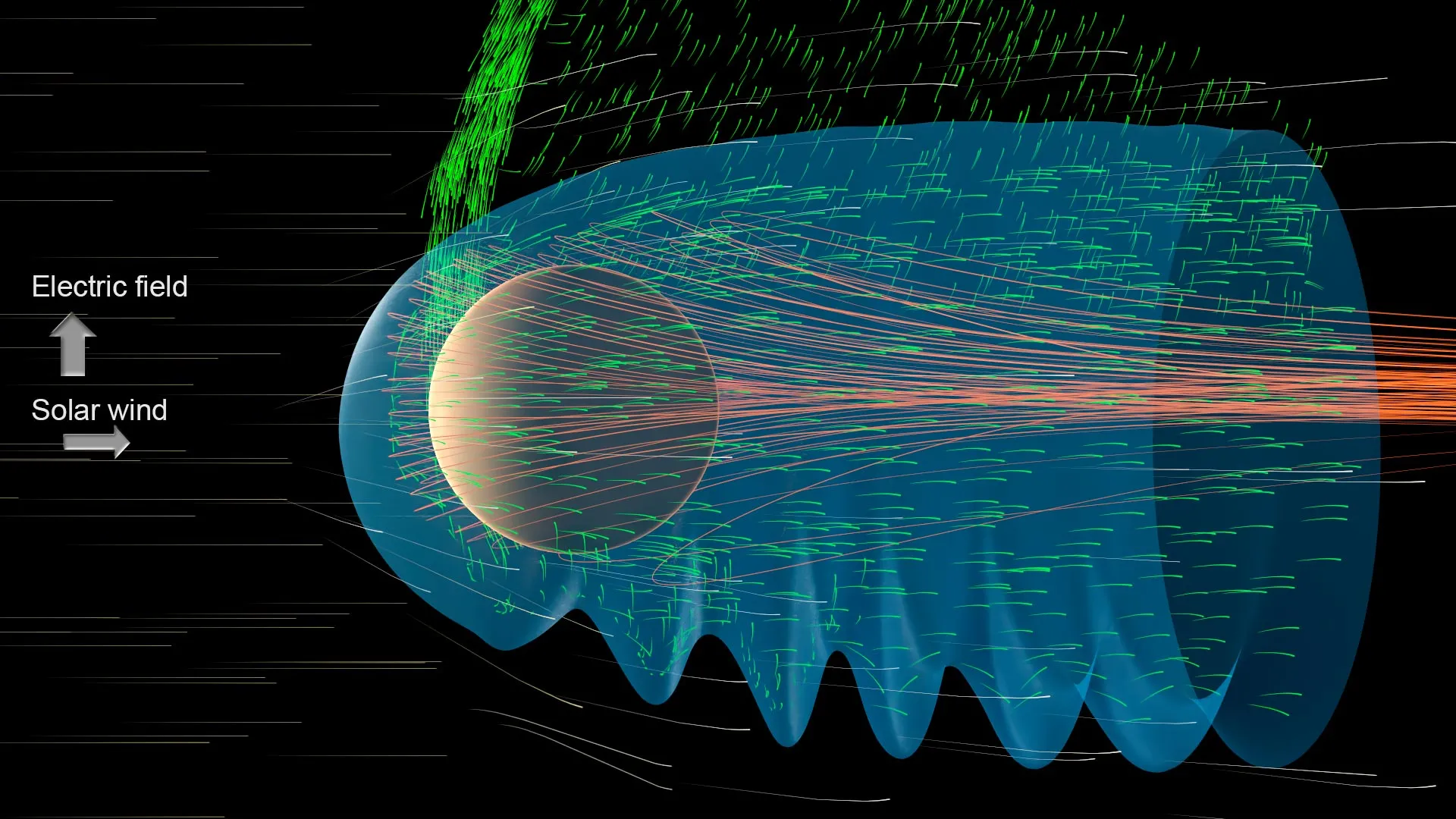
The research team studied five auroral events recorded in Hokkaido between June 2024 and March 2025, finding that dense streams of solar wind compressed Earth's magnetosphere so strongly that the upper atmosphere became heated and expanded upward. This compression pushed the region where red auroras form to much higher altitudes than expected, while simultaneously masking the true intensity of the storms according to traditional space weather measurements.
To investigate the phenomenon, scientists combined satellite observations with photographs captured by citizen scientists across Japan, using the multiple viewing angles to estimate the height of the glowing structures. The participation of skywatchers proved especially valuable, allowing researchers to map the auroras along Earth's magnetic field lines and calculate their extraordinary altitudes. The findings raise important questions about current space weather monitoring systems and could lead to improved predictions of geomagnetic storm impacts on satellites and other space-based infrastructure.