NASA's TRACERS Twins Find Magnetic Reconnection Is Mostly About Where, Not When
First-year data from the paired satellites over Earth's polar cusp suggests the explosive solar-wind process moves through space rather than flickering in time.
Topic
15 stories from Planck Standard. Latest: November 3, 2026.

First-year data from the paired satellites over Earth's polar cusp suggests the explosive solar-wind process moves through space rather than flickering in time.

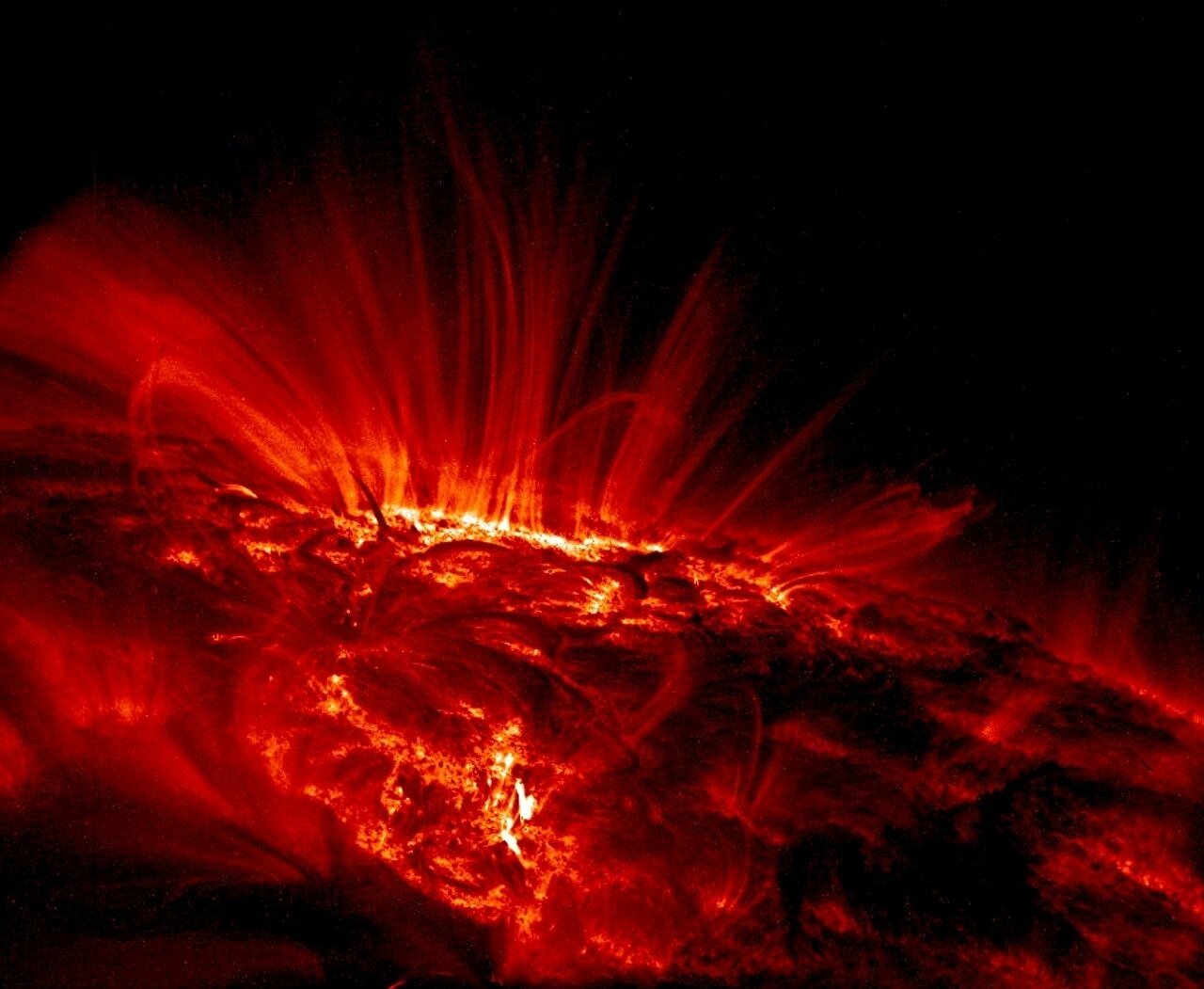
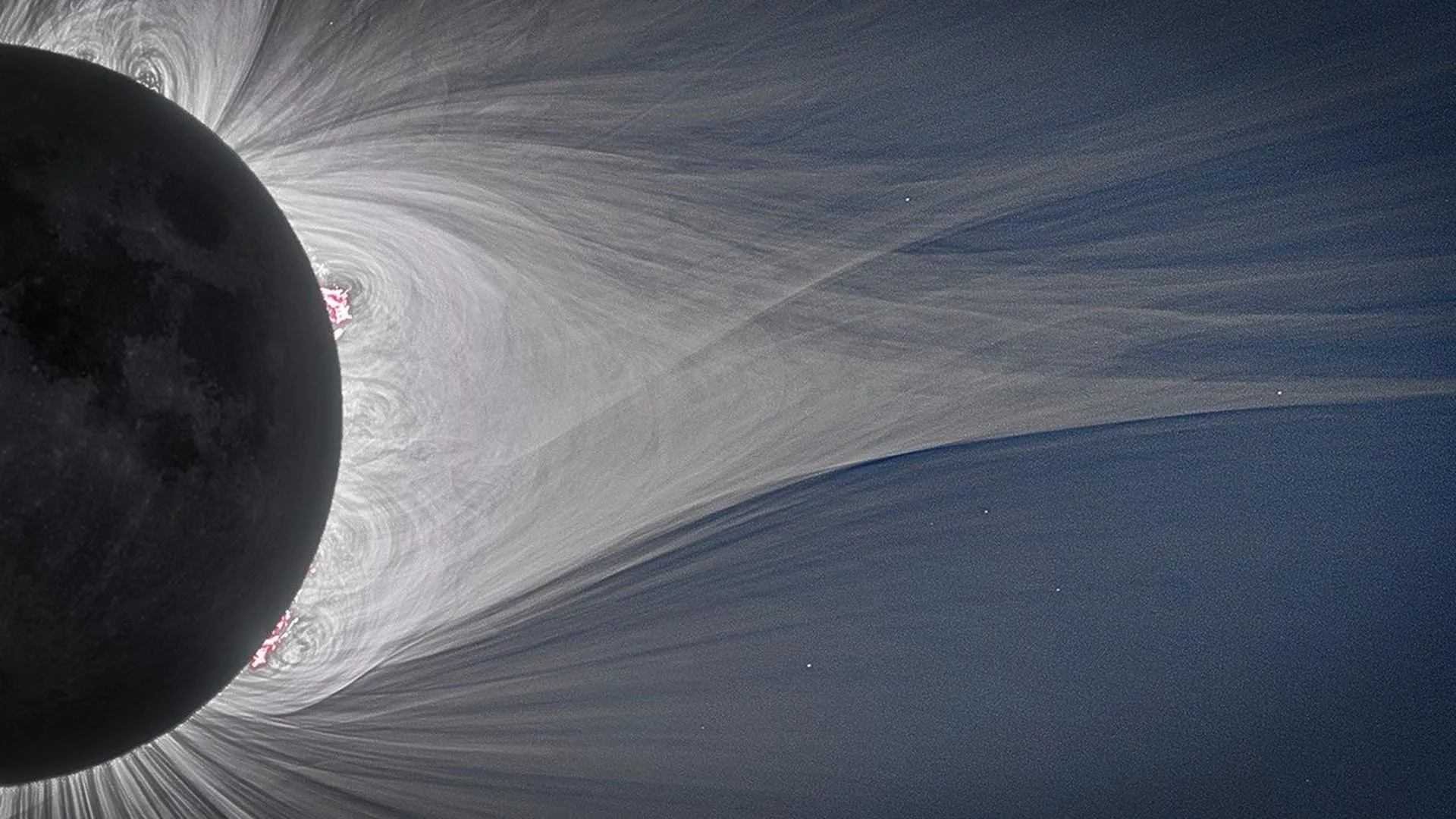
By decoding waves in light already collected at Hawaii's Mauna Loa Solar Observatory, researchers produced global estimates of the corona's field strength and direction, a step toward forecasting solar eruptions.

The result backs a long-suspected 'universal' reconnection rate and says the speed is set inside the thin current sheet, not by the plasma feeding it. Better reconnection models mean better space weather forecasts for satellites and power grids.

A Lancaster-led team matched timetables, newspapers, sunspot logs and aurora reports to move the geomagnetic storm from October 18, 1841 to October 18, 1848. The earliest real case is now a March 1847 telegraph failure.

ESA's HENON mission, carrying the Imperial College MAGIC magnetometer, launches in early 2027 into a distant retrograde orbit far beyond the L1 point. Its lead scientist calls it 'a step change' and a pathfinder for the larger SHIELD mission.

Two known mechanisms did the damage, but only if the first one fired at the exact moment the solar wind crushed the magnetosphere. Standard forecasting models miss that timing entirely.

Max Planck and University of Colorado researchers tied the energy of the 300 strongest flares of 2010–2016 to the size of the active regions that produced them, then applied the relationship to 400 years of sunspot records. The biggest spot ever logged could, statistically, have fired a burst beyond anything ever measured on our star.

A study in Physical Review Research shows that highly organized particle motion looks nearly identical to random scattering once a spacecraft's limited resolution smears out the fine structure.

Physicists at the University of Warwick identified a sudden turning point in the solar cycle that forecasts the strength of the next one, potentially giving satellite operators and power grids years of advance warning.

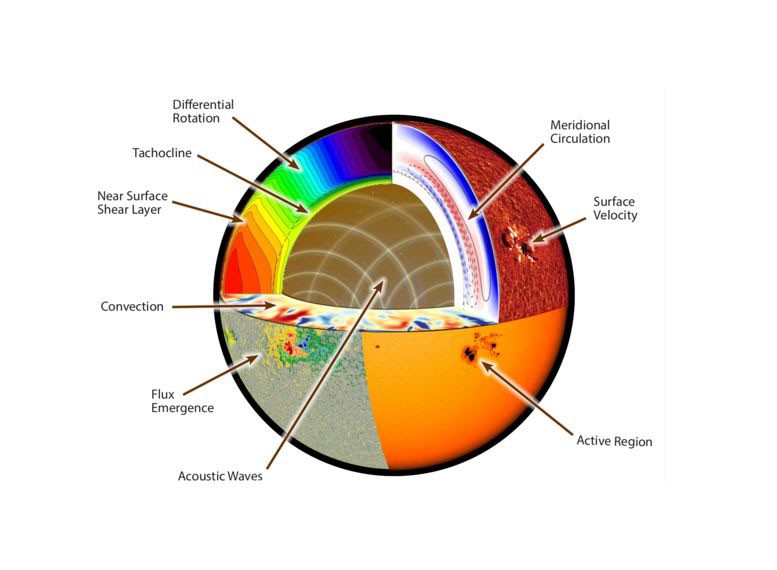
Refined simulations from a NASA science center suggest the Sun's own magnetic dynamo is what keeps the mysterious tachocline confined to a knife-edge, a key to forecasting solar storms.

NASA scientists traced the unprecedented Type IV burst to a vast magnetic 'helmet streamer' fed by three coronal mass ejections — a marathon outburst that could sharpen forecasts for the space weather that threatens satellites.

Advanced plasma simulations reveal how turbulent disorder in space creates massive organized magnetic structures that influence everything from black holes to solar storms.

Scientists used advanced plasma simulations to discover how turbulence in space creates enormous organized magnetic structures throughout the universe.

Massive plasma simulations reveal how cosmic turbulence creates the enormous organized magnetic structures found throughout space, from stars to galaxies.

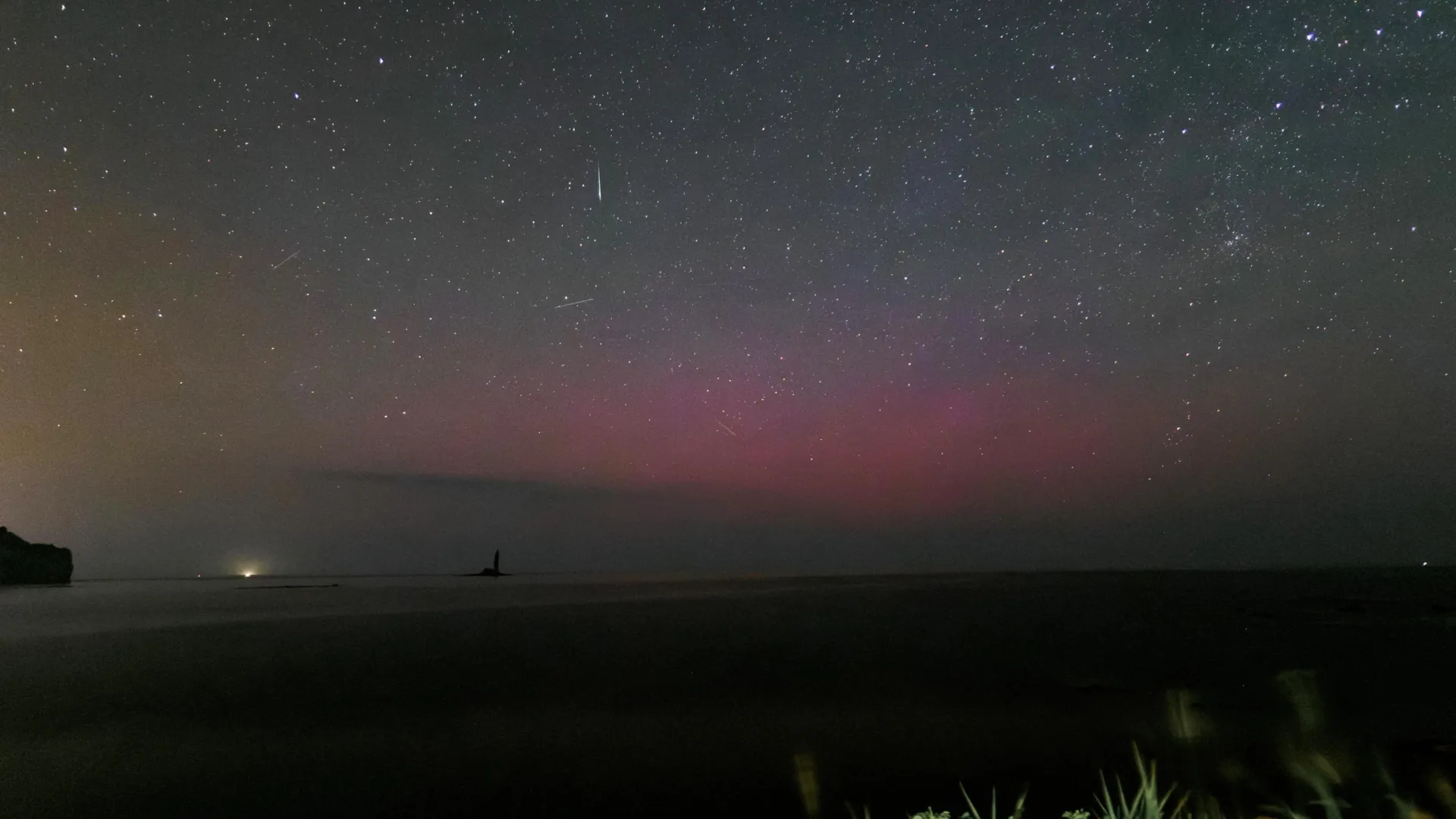
Mysterious red auroras extended 500-800 kilometers above Earth during moderate geomagnetic storms, suggesting hidden solar activity may be stronger than realized.