AI Analysis of 400,000 Reddit Posts Reveals Hidden Ozempic Side Effects
University of Pennsylvania researchers discovered users frequently discuss menstrual irregularities, chills, and temperature changes not fully captured in clinical trials.

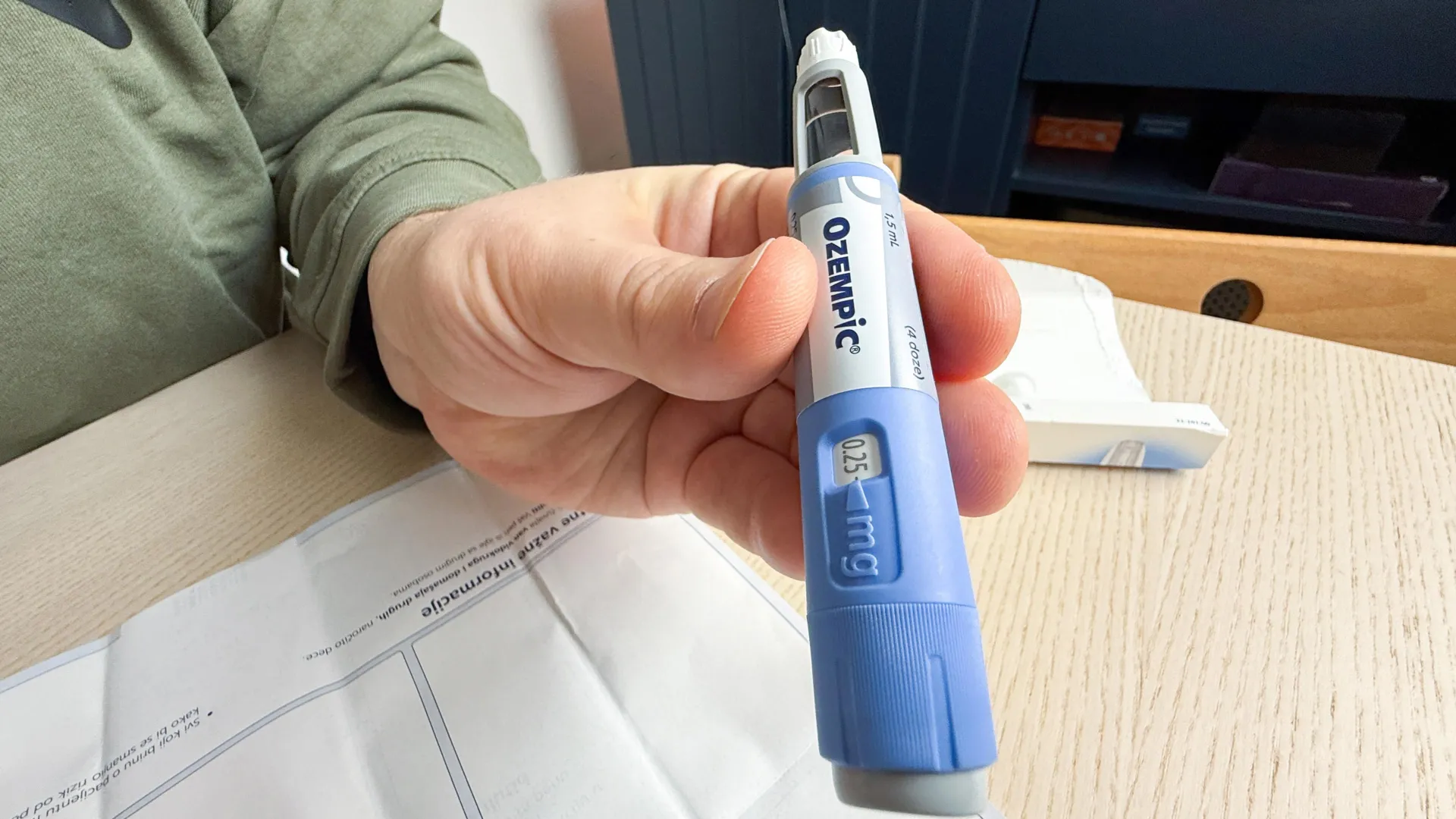
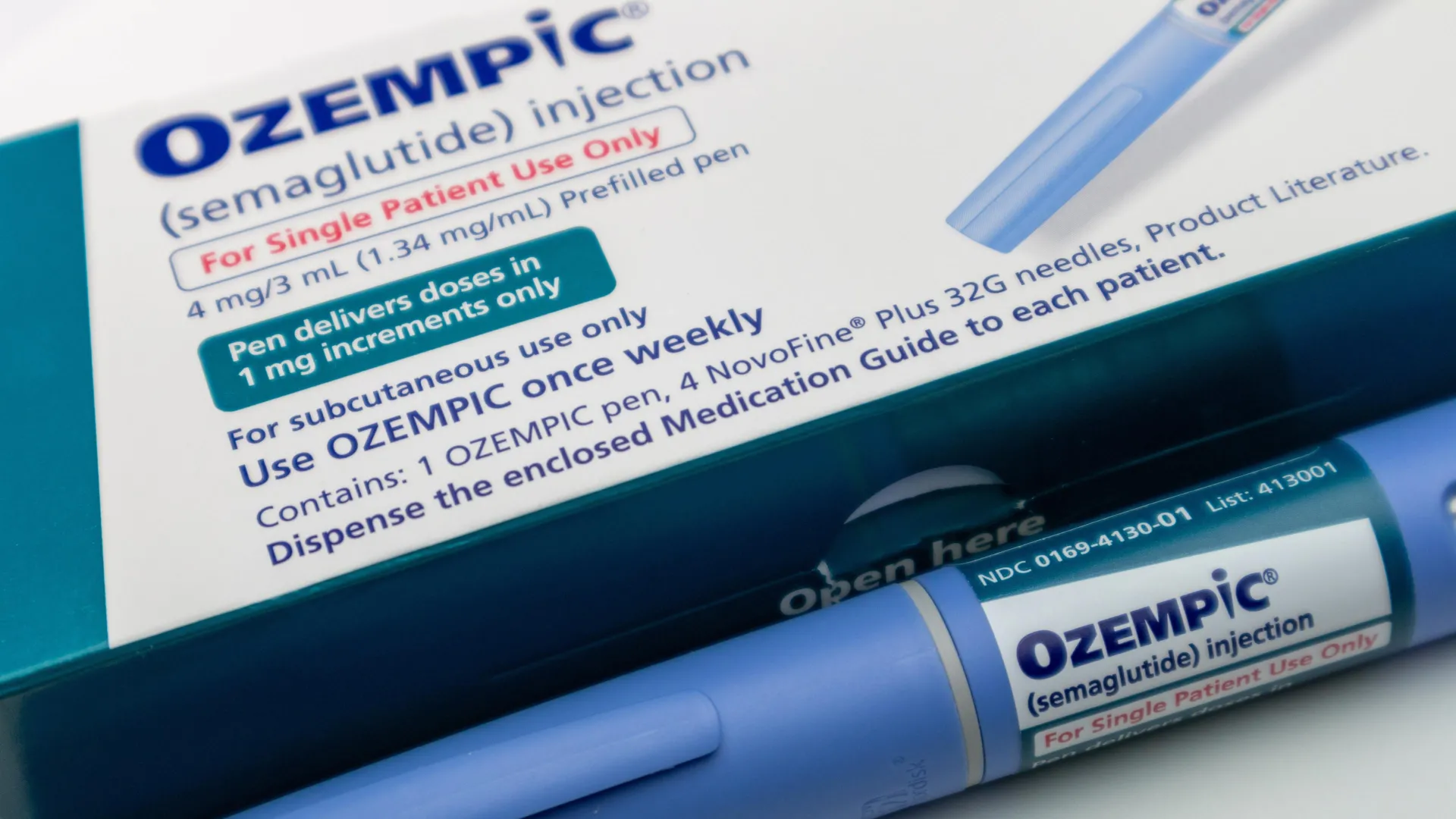
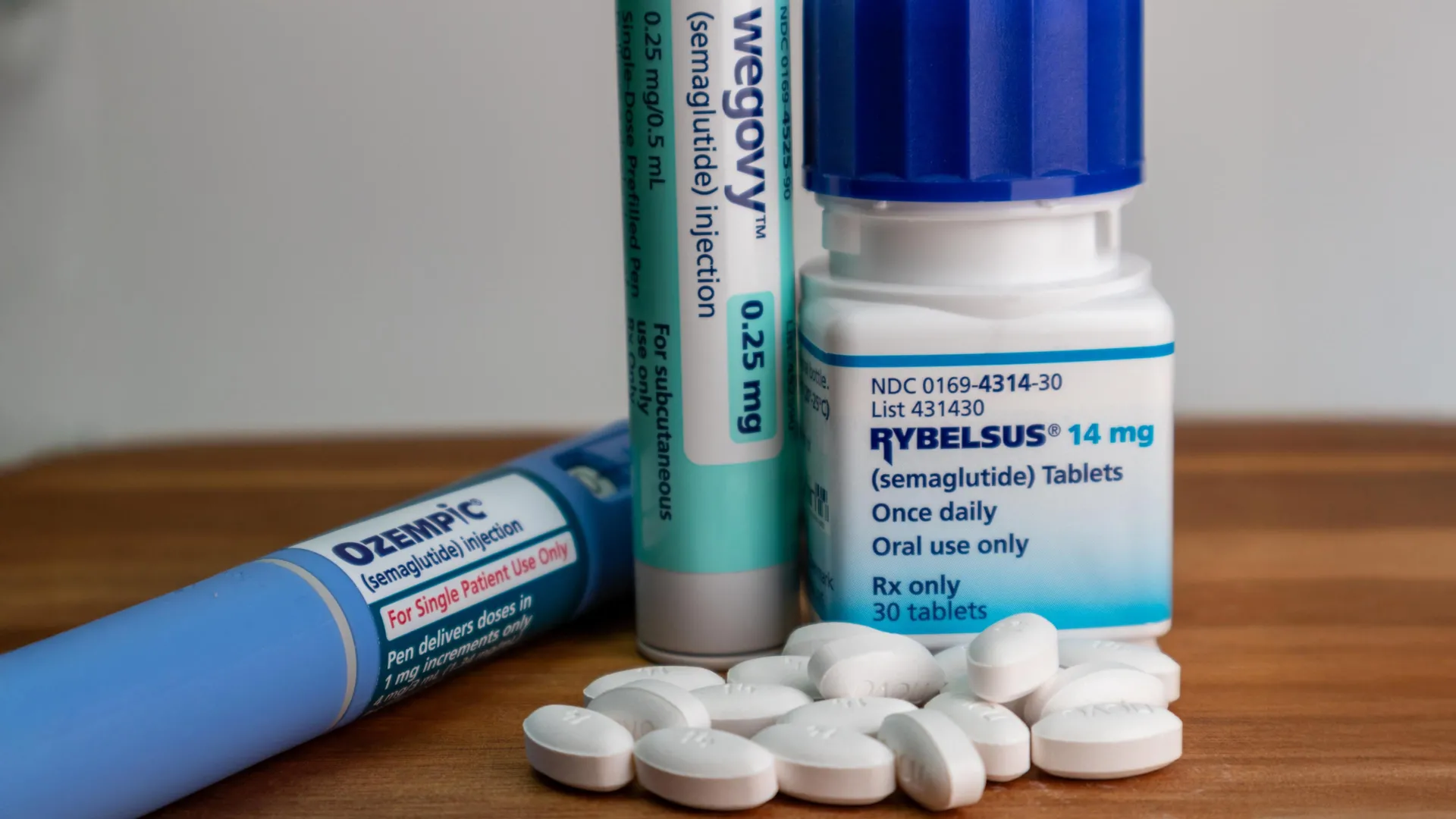
Researchers at the University of Pennsylvania have uncovered potentially significant side effects of popular GLP-1 weight loss medications by analyzing more than 400,000 Reddit posts from nearly 70,000 users over five years. The study, published in Nature Health, used artificial intelligence to identify patterns in social media discussions about medications like semaglutide and tirzepatide, revealing symptoms such as menstrual irregularities, chills, and hot flashes that may not be adequately represented in clinical trials or official drug documentation. The findings suggest that AI-powered analysis of social media could serve as an early warning system for identifying side effects that patients experience but don't always report to healthcare providers.
The research team, led by Research Associate Professor Sharath Chandra Guntuku and Professor Lyle Ungar from Penn Engineering, emphasized that their study does not prove the medications caused the discussed symptoms but rather identifies patterns worthy of further investigation. Nearly 4% of Reddit users in their sample reported menstrual irregularities, which would represent an even higher percentage in a female-only sample. The researchers noted that well-known side effects like nausea appeared prominently in their analysis, validating their methodology's ability to detect real signals from patient discussions.
The study builds on more than a decade of research into mining user-generated internet content for adverse drug reaction reports, with Professor Ungar having participated in one of the earliest projects in 2011. The researchers describe online patient communities as functioning like a "neighborhood grapevine," where people living with medications share real-time experiences that rarely make it into formal medical visits or official reports. As social media platforms have expanded, these discussions have become increasingly valuable sources of health-related information, though data collection has become more challenging over time.
The findings highlight potential gaps between clinical trial results and real-world patient experiences, particularly for symptoms that patients might not immediately connect to their medication or feel comfortable discussing with healthcare providers. The researchers noted that clinical trials typically identify the most dangerous side effects but may miss symptoms that patients are most concerned about in their daily lives. Social media discussions can provide insights into these quality-of-life impacts that might not emerge in formal clinical settings.
The research demonstrates the growing potential for artificial intelligence to transform post-market drug surveillance by continuously monitoring patient discussions across social media platforms. While the researchers acknowledge that social media data is not necessarily representative of all patients, the large scale of their analysis may reflect additional concerns beyond those captured in traditional clinical settings. The approach could help pharmaceutical companies and regulatory agencies identify emerging safety signals more quickly and comprehensively than current methods allow, potentially leading to earlier interventions to protect patient safety.