A Laser-Free Way to Reshape the Eye: Scientists Test a Painless Alternative to LASIK
Using gentle electric pulses and platinum contact lenses, chemists at Occidental and UC Irvine molded the corneas of rabbit eyes to correct nearsightedness in about a minute — with no cutting and no laser.
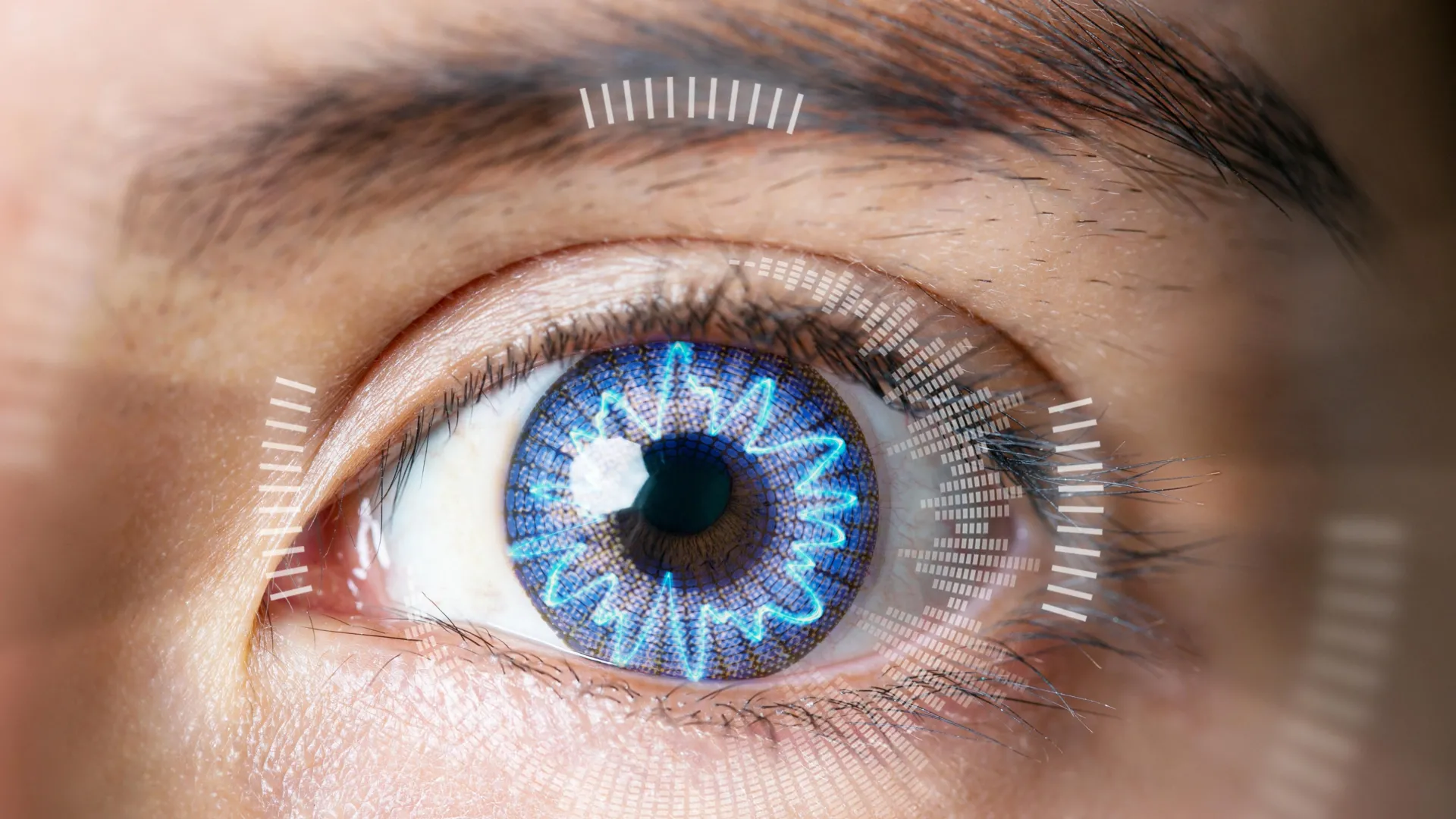
For three decades, fixing blurry vision with anything more than glasses has meant surgery — most famously LASIK, which uses a laser to slice and reshape the cornea. Researchers at Occidental College and the University of California, Irvine say they have a gentler idea: reshaping the eye with mild electricity and a specially designed contact lens, no blade or laser required.
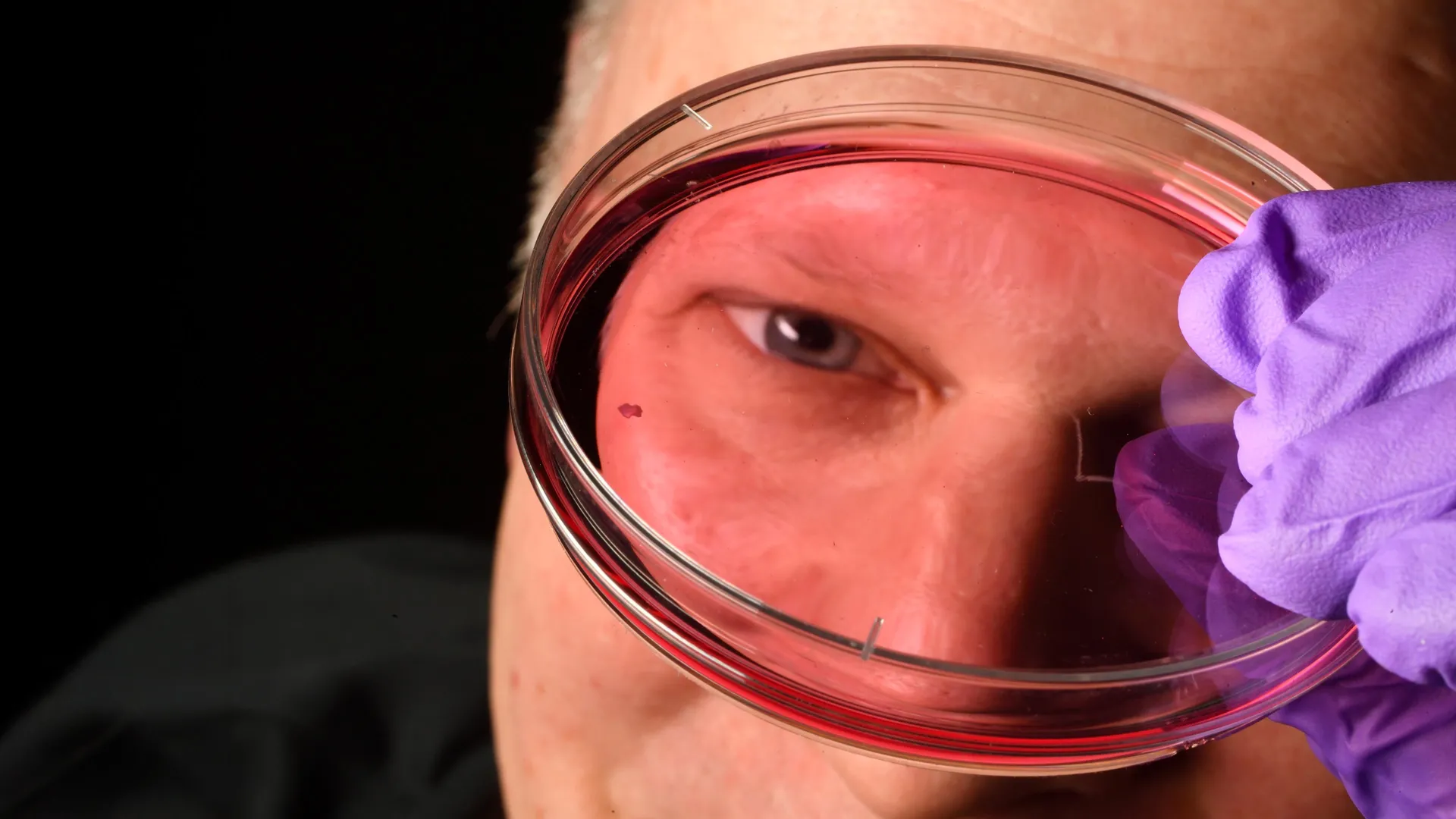
The technique, called electromechanical reshaping, or EMR, relies on a quirk of the cornea's chemistry. Platinum contact lenses deliver mild electrical pulses that temporarily shift the pH of the corneal tissue. That change loosens the molecular bonds in the cornea's collagen-rich structure, making the normally rigid tissue briefly pliable — soft enough to be molded into a new shape by the contact lens itself. When the pulses stop and the pH returns to normal, the collagen bonds re-form and the cornea stiffens, holding the corrected shape.
"LASIK is just a fancy way of doing traditional surgery," said Michael Hill, a chemistry professor at Occidental College who developed the approach with Brian Wong, a professor and surgeon at UC Irvine. "It's still carving tissue — it's just carving with a laser." EMR, by contrast, aims to remodel the cornea without removing any tissue at all, an approach the researchers argue could prove both safer and dramatically cheaper.
In early experiments, the method worked quickly. The team tested it on a dozen rabbit eyeballs, treating 10 for myopia, or nearsightedness. The treated corneas reached their intended focusing power in roughly one minute. Crucially, the corneal cells remained alive afterward and the underlying collagen structure stayed largely intact, with no major tissue damage observed — an early sign that the reshaping is not destroying the eye in the process of correcting it.
Nearsightedness is only the first target. The researchers say the same principle might eventually be adapted to treat farsightedness and astigmatism, to clear certain forms of corneal cloudiness, and even to assist in reconstructive procedures — potentially expanding a single, low-cost tool across a range of conditions that today require different and often invasive treatments.
Significant hurdles remain before EMR could reach an eye clinic. The work so far has been done on animal tissue, not living human patients, and questions about long-term stability, safety and the precision of the correction will need to be answered in further studies. Still, the prospect of reshaping the eye in about a minute, without a single cut, offers a glimpse of a future in which correcting vision looks far less like surgery and far more like slipping in a contact lens.