Scotland's Island Wrens May Be Splitting Into New Species, Genetic Study Finds
Wrens on St Kilda and Shetland have grown to nearly twice the size of their mainland cousins. University of Birmingham researchers say their distinct genes and songs suggest they are quietly evolving apart.
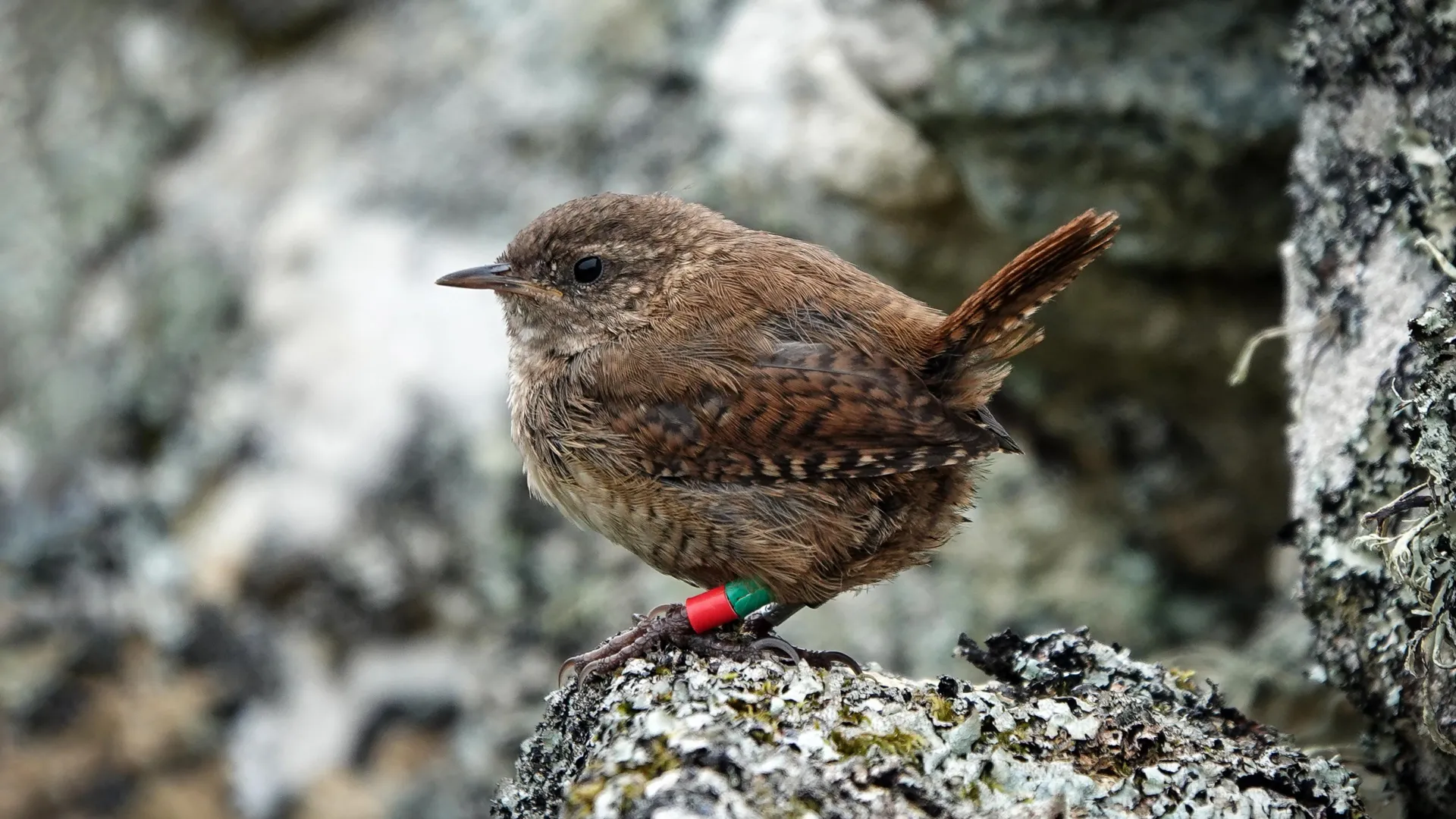
On a scattering of windswept Scottish islands, one of Britain's smallest and most familiar birds may be in the early stages of becoming something new. A study from the University of Birmingham finds that wrens on St Kilda, Shetland, Fair Isle and the Outer Hebrides have diverged so far from their mainland relatives — in size, song and genetics — that researchers believe they are on the road to becoming separate species.
The most striking difference is size. The wrens of St Kilda weigh between 13 and 16 grams, while mainland birds tip the scales at just 7 to 10 grams. The largest island birds are more than twice the heft of the smallest mainland specimens — a dramatic gap for a species so tiny. The pattern is a textbook case of "island gigantism," the phenomenon in which animals isolated on islands balloon in size compared with their continental kin. The Galápagos giant tortoise and the extinct dodo are among its most famous products.
But the divergence runs deeper than the birds' bodies. Genetic analysis showed that the Shetland and St Kilda populations are especially distinct, both in appearance and in the songs the males sing to defend territory and attract mates. Each island population carries its own genetic markers and physical characteristics, and the researchers found only limited interbreeding between island birds and those on the mainland — a key ingredient in the slow process by which one species splits into two.
"Their genetic distinctiveness is so high that it is likely they are on their way to becoming new species," said Dr Michał Jezierski, the study's lead author, whose co-authors included Jenny C Dunn, Carolina R F Chagas and William J Smith. The work was published in the Evolutionary Journal of the Linnean Society.
Isolation is the engine driving the change. Cut off by stretches of cold sea, the island wrens face different climates, food supplies and predators than mainland birds, and over generations natural selection and chance have nudged each population down its own path. Because the birds rarely cross open water to breed with outsiders, those differences accumulate rather than washing out.
The findings carry a conservation message as well. Small, genetically distinct island populations are precisely the kind that can be lost quietly, before their uniqueness is even recognized. Documenting how far Scotland's island wrens have already diverged, the researchers say, makes the case for protecting them not as quaint local variants but as evolutionary works in progress — living snapshots of a new species in the making.