Beluga Whales Keep Switching Mates in a Strategy That May Save Their Species
A 13-year DNA study of more than 600 belugas in Alaska's Bristol Bay found both sexes reproduce with many different partners, a flexible mating system that preserves genetic diversity in a small, isolated population.
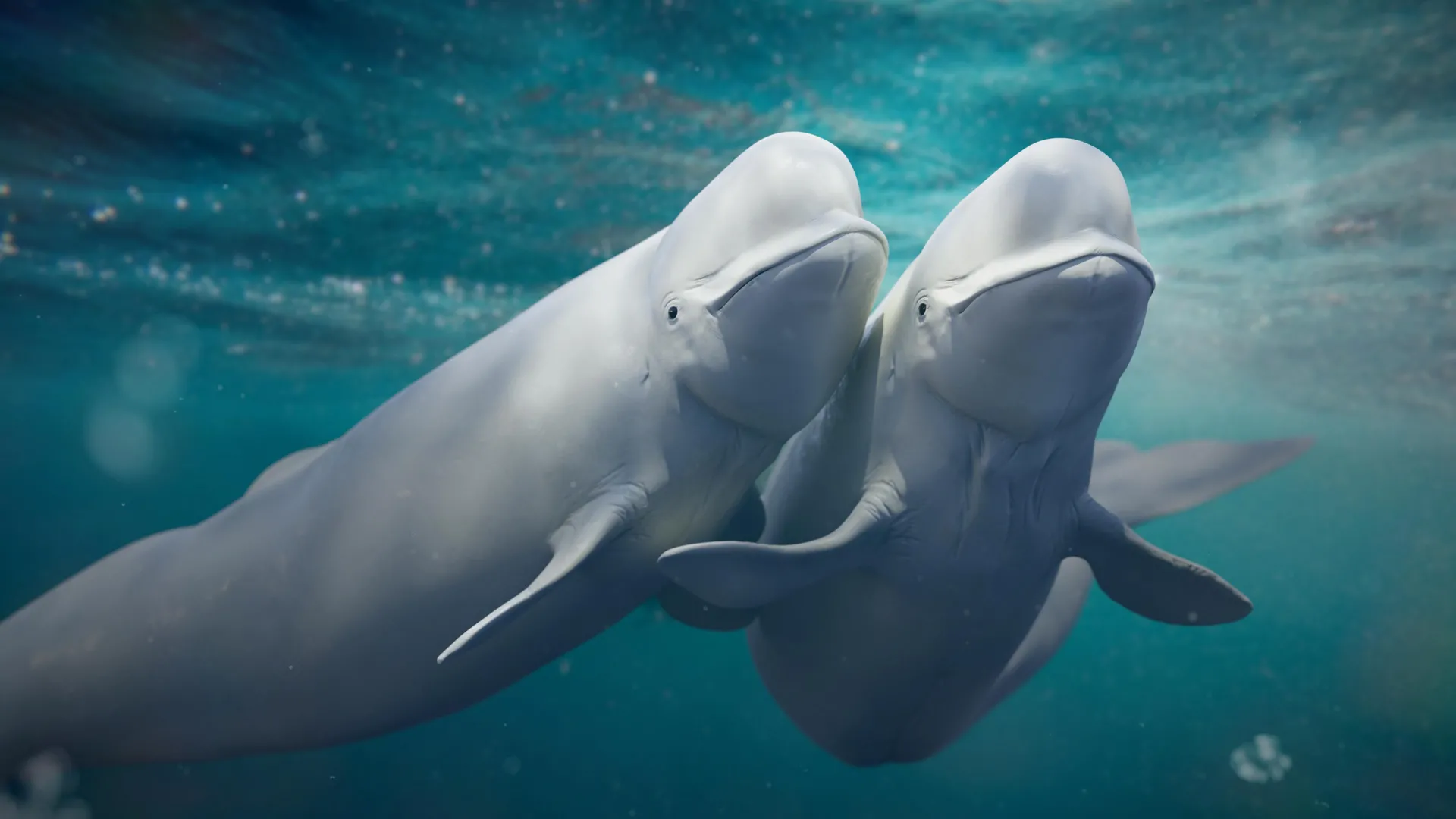
By analyzing DNA from more than 600 beluga whales in Alaska's Bristol Bay over 13 years, researchers have uncovered a surprisingly flexible mating system that may be quietly safeguarding the future of the species. Both males and females, the study found, regularly father and bear offspring with different partners across their lifetimes — a pattern of constant mate-switching that appears to help the population maintain genetic diversity and avoid the perils of inbreeding.
The finding upended the team's expectations. Going in, the scientists anticipated that a handful of dominant, highly successful males would father the majority of calves, a common arrangement in many mammal societies. Instead, the genetic record told a different story: reproduction was spread broadly across many individuals, with whales of both sexes choosing a rotating cast of partners over the years rather than pairing off in stable, exclusive bonds.
That promiscuity turns out to be a survival strategy. In a relatively small and isolated population of roughly 2,000 belugas, inbreeding is a constant threat that can erode health and resilience. By mixing partners generation after generation, the whales keep shuffling their genes, preserving the kind of diversity that helps a population weather disease, environmental change and other shocks. What looks like reproductive chaos is, in effect, a built-in defense against genetic stagnation.
The research drew on an unusual collaboration. Scientists from Florida Atlantic University and the Alaska Department of Fish and Game worked alongside Alaska Native subsistence hunters from Bristol Bay, who have harvested belugas for generations and whose participation made the long-term genetic sampling possible. The result is one of the most detailed pictures yet of how an Arctic whale species organizes its reproductive life.
Belugas are notoriously difficult to study. They live in cold, often ice-covered waters far from easy observation, and their social and reproductive behaviors unfold largely out of human sight. Genetic tools have given researchers a rare window into that hidden world, allowing them to reconstruct family trees and infer mating patterns that would be nearly impossible to witness directly in the wild.
The study, published in the journal Frontiers in Marine Science, carries implications for conservation. Understanding how belugas maintain genetic diversity could help managers assess which populations are most vulnerable and how best to protect them as the Arctic warms and human activity expands into once-remote waters. For a species facing an uncertain future, the whales' freewheeling approach to mating may be one of their greatest assets.