
Physics
Scientists Discover 'Narwhal' Light Waves That Trap Photons in Subwavelength Spaces
Breakthrough in 'singulonics' uses purely dielectric materials to confine light far beyond conventional limits without energy losses from metals.
The physics desk
Physics from the quantum to the cosmos: particle physics, quantum computing, astrophysics, cosmology and the discoveries that change what is possible.
Breakthrough in 'singulonics' uses purely dielectric materials to confine light far beyond conventional limits without energy losses from metals.

New mathematical framework explains how laser pulses rhythmically grow and shrink, uniting two previously separate physical phenomena.
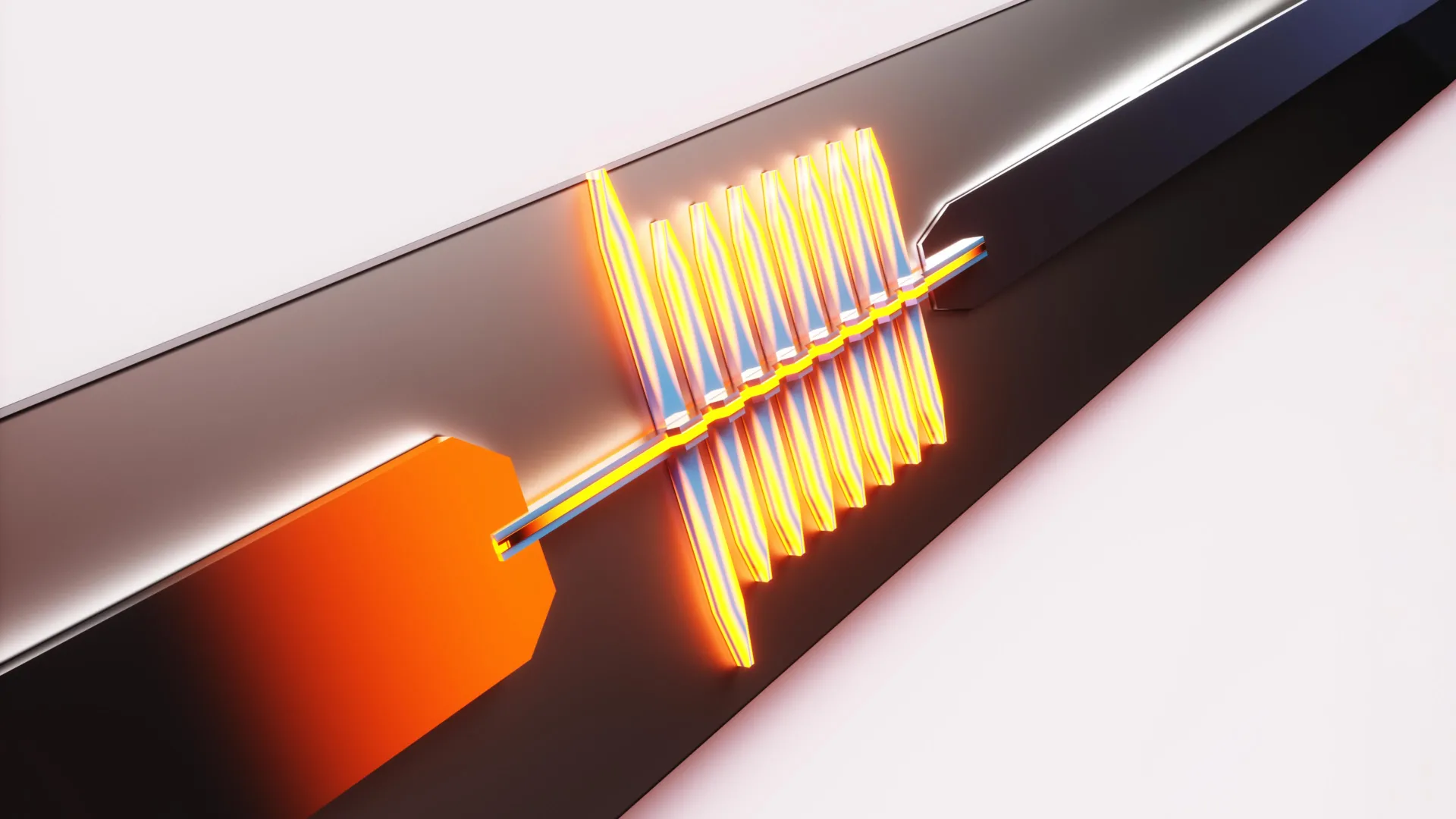
Finnish researchers achieve breakthrough detection of energy below one zeptojoule, opening new possibilities for quantum computing and astrophysics research.
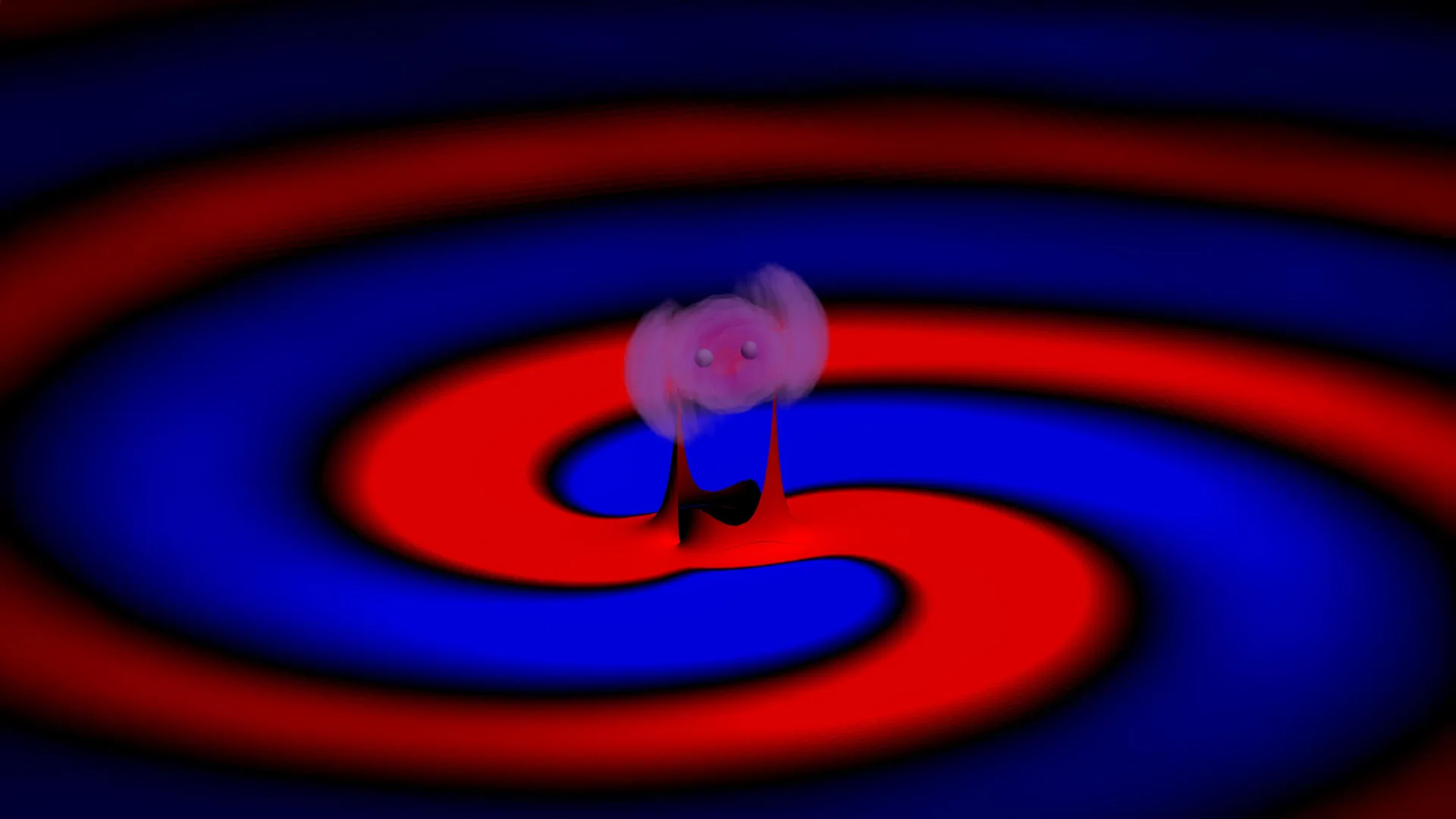
MIT physicists develop new method to detect dark matter interactions hidden within cosmic collisions, with one LIGO signal showing potential evidence.
Physicists at Peking University have uncovered a breakthrough method to confine light in ultra-small spaces using purely dielectric materials, potentially revolutionizing photonic technology.
International research team develops breakthrough model explaining why some laser pulses rhythmically grow and shrink like they're breathing.
University of Calgary astrophysicist Jo-Anne Brown and the international GMIMS consortium say the discovery, made with the Dominion Radio Astrophysical Observatory in British Columbia and published in The Astrophysical Journal, defies every existing dynamo model of galactic magnetism.

The most precise American measurement of Newton’s universal gravitational constant, published Tuesday in Physical Review Letters at G = 6.67430 × 10⁻¹¹, again fails to bring big G into agreement with other modern experiments and may hint at unknown systematic errors or even new physics.

A new Nature Geoscience paper by Sean Cohen, Robert Pincus and Lorenzo Polvani at Lamont-Doherty shows that the same CO2 molecules that trap heat near the ground turn into efficient infrared radiators 11 to 50 kilometers up — and that the cooling itself amplifies the warming we feel.

Supercomputer calculations reveal the apparent violation of physics was likely due to limitations in earlier theoretical work, confirming the Standard Model remains intact.
MIT physicists have developed a new method to search for dark matter signatures in ripples from merging black holes, with one LIGO signal showing promising results.

Cambridge researchers use molecular antennas to power materials that normally can't conduct electricity, producing ultra pure near infrared light for medical applications.

Physicists discover that starting with basic particle collision principles, the mathematics spontaneously produces string theory signatures without assuming strings exist.
Decades-long mystery that hinted at new physics forces resolved after supercomputer calculations show Standard Model remains intact.

By layering two non-commuting forces on a single calcium ion, the team can flip a quantum oscillator between standard squeezing, trisqueezing and quadsqueezing in microseconds, unlocking a new toolkit for quantum sensing, simulation and bosonic error correction.

Working in superfluid helium-3 at less than a ten-thousandth of a degree above absolute zero, Jere Mäkinen's team coupled an eternally ticking time crystal to a nanowire oscillator, turning a theoretical curiosity into a usable quantum component.

Stephen Powell and senior Louis Buchalter's 'Flux-Switching Floquet Engineering' paper in Physical Review B lays out a simple recipe for steering ordinary lattices into topological phases that may underpin future fault-tolerant quantum computers.
Decades of speculation about a mysterious fifth force of nature ended when researchers realized the Standard Model of physics was right all along.
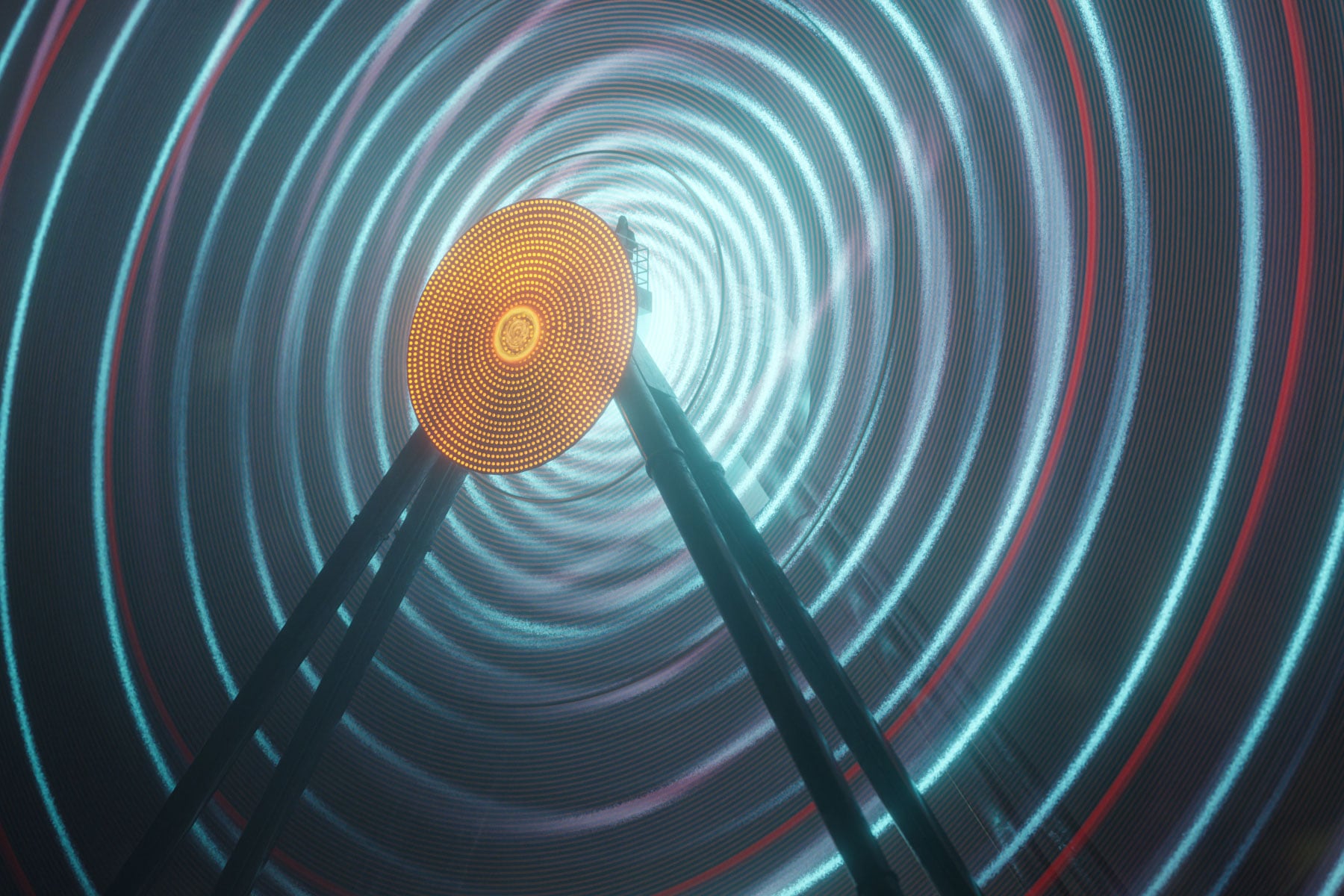
Researchers at Dresden's HZDR and Berlin's Fritz Haber Institute fired terahertz laser pulses at bismuth selenide and directly observed angular momentum being passed between atomic vibrations — with the direction of rotation flipping mid-transfer, a long-predicted 'Umklapp process.'

Bo Zhen's team at the University of Pennsylvania reports in Physical Review Letters that hybrid light-matter quasiparticles trapped in atomically thin semiconductors interact strongly enough to perform all-optical switching, the missing ingredient for photonic processors that could replace electrons in artificial-intelligence accelerators.

Using a custom quantum twisting microscope, Xiao, Inbar, Birkbeck and colleagues directly imaged the flat bands of twisted bilayer graphene with momentum resolution, revealing energy gaps, electronic cascades and a 'Dirac revival' that could finally explain how the material superconducts at temperatures rivaling exotic high-temperature compounds.
Researchers using bootstrap approach discover string theory signatures without assuming strings existed from the start.
NIST physicist Stephan Schlamminger spent a decade measuring the universal gravitational constant while keeping his own results hidden from himself.
Supercomputer calculations reveal that the apparent "rule-breaking" particle behavior was likely a calculation error, keeping the Standard Model intact.
MIT physicists detect potential dark matter signature in LIGO data, offering new way to study the universe's most mysterious substance.

Stevens Institute theorist Igor Pikovski's proposal with Colorado State and NIST experimentalists pinpoints a measurable quantum signature of relativistic time inside ion clocks already in operation.
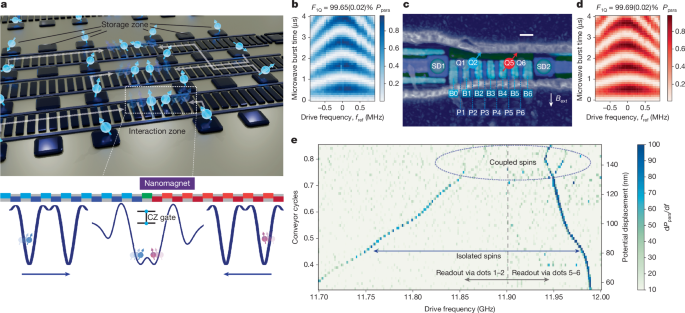
The Nature paper demonstrates the first 'shuttling' of paired electron spins across a silicon chip and quantum teleportation across 320 nanometers — a foundational step toward a manufacturable quantum computer.
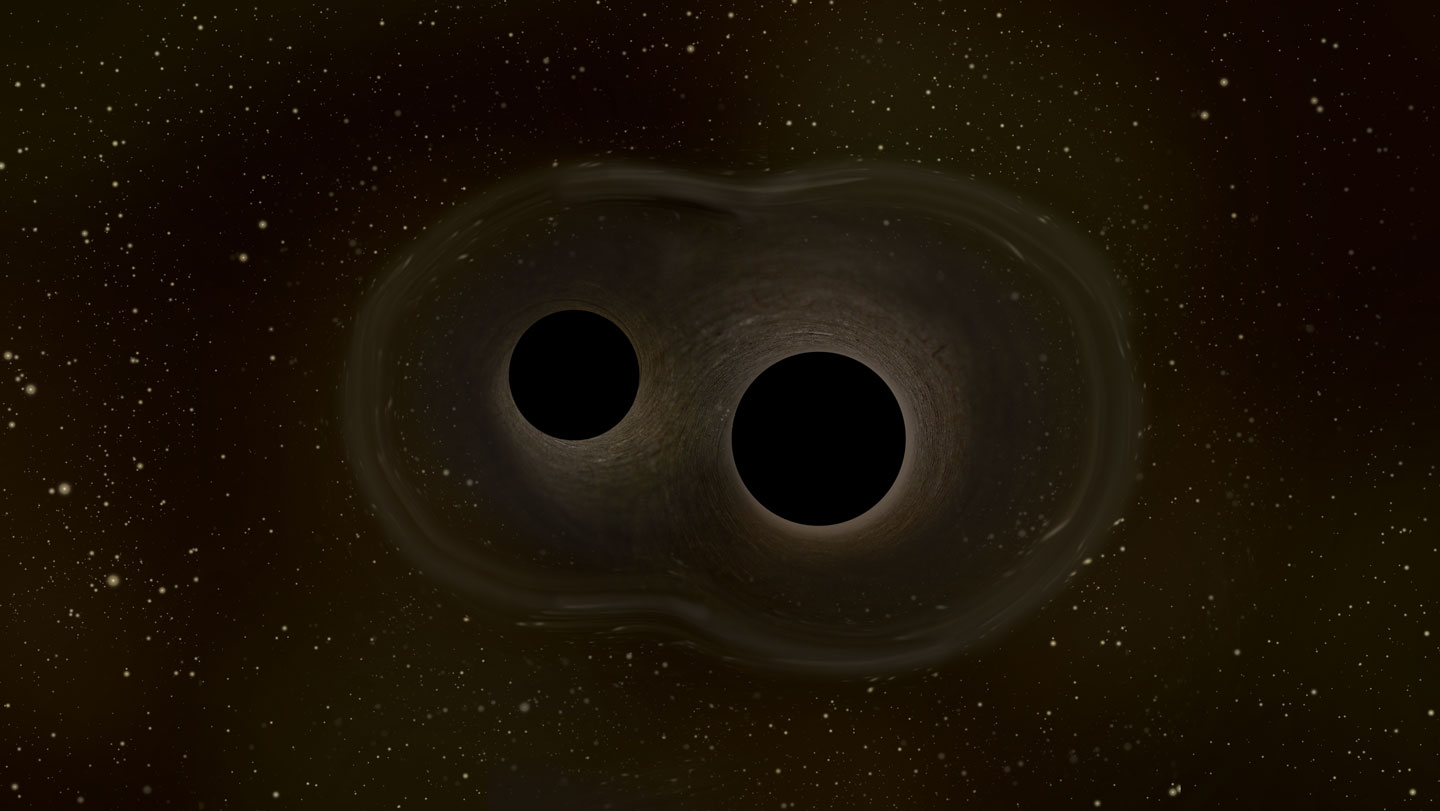
A starless gulf 3,200 light-years across at the heart of galaxy Abell 402-BCG turns out to be a gravitational scar carved by two ultramassive black holes, together weighing 60 billion suns and headed for an eventual merger LISA may one day hear.
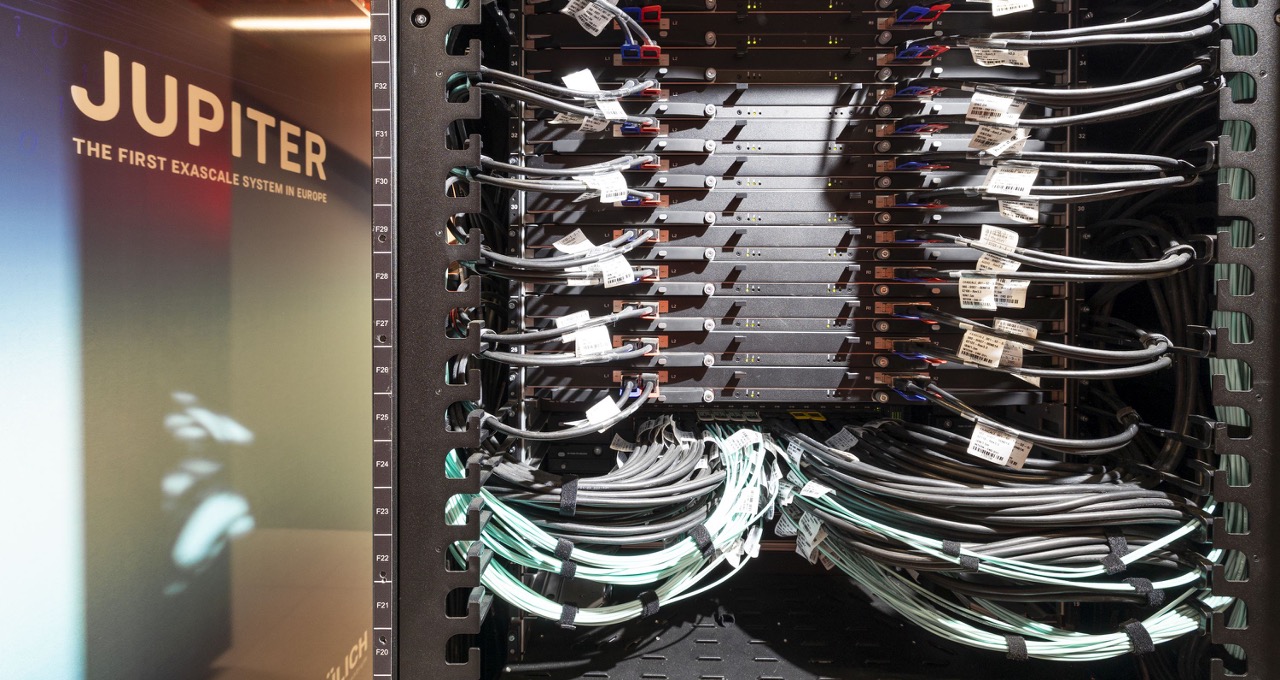
The Jülich team and Nvidia threw 23,000 GH200 Superchips and 2 petabytes of memory at the calculation, pushing the 'quantum simulation horizon' two qubits further — and raising the bar that real quantum hardware will eventually have to clear.
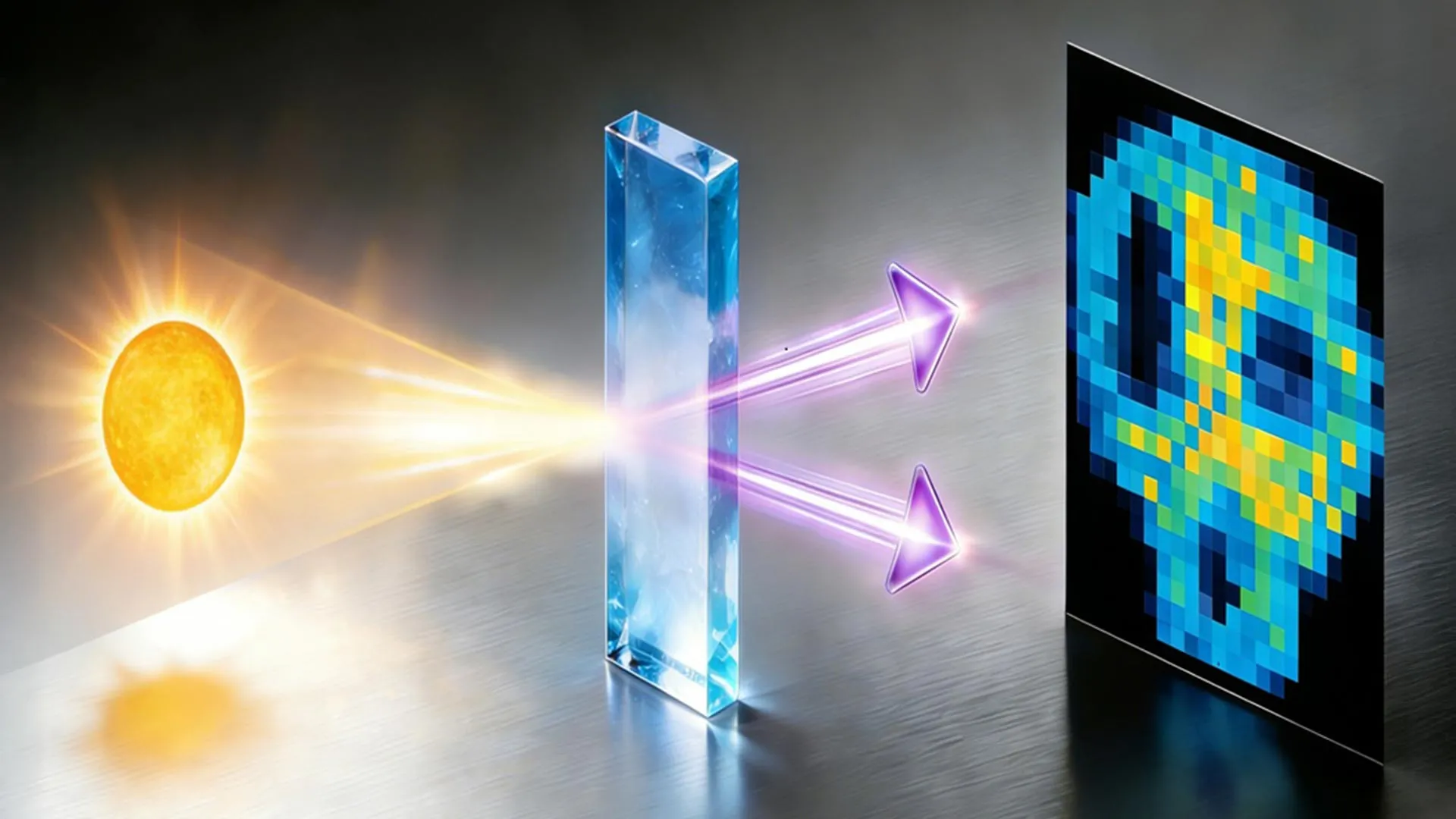
Chinese researchers generate quantum-linked photon pairs using only natural sunlight, achieving 90.7% imaging quality comparable to laboratory lasers.