AI Predicted Two New Superconductors Before Anyone Made Them — Then Scientists Built Them and It Worked
An international team used machine learning to pinpoint two never-before-seen superconductors, YRu₃B₂ and LuRu₃B₂, opening a path that could screen billions of materials in the hunt for a room-temperature version.
Scientists have used machine learning to predict two entirely new superconductors and then confirmed the prediction in the lab — a proof of concept that could dramatically speed the century-long search for materials that carry electricity with zero resistance.
The two compounds, YRu₃B₂ and LuRu₃B₂, were identified by an international team led by researchers at Aalto University in Finland, working with colleagues at Rice University, Princeton University, Ruhr University Bochum and the Donostia International Physics Center in Spain. Their findings were published in the journal Physical Review Research on June 17. Crucially, the algorithm flagged both materials as promising before a single physical sample existed; collaborators at Rice then synthesized them and confirmed that each does, in fact, superconduct.
The method marries artificial intelligence with the hard math of quantum physics. Rather than laboriously calculating the properties of every candidate material — a task that would take lifetimes — the team used a machine-learning model to pre-screen a vast list and rank the most likely superconductors, then ran detailed quantum-physics calculations only on the top prospects. That two-step funnel, the researchers say, could eventually be pointed at billions of possible materials.
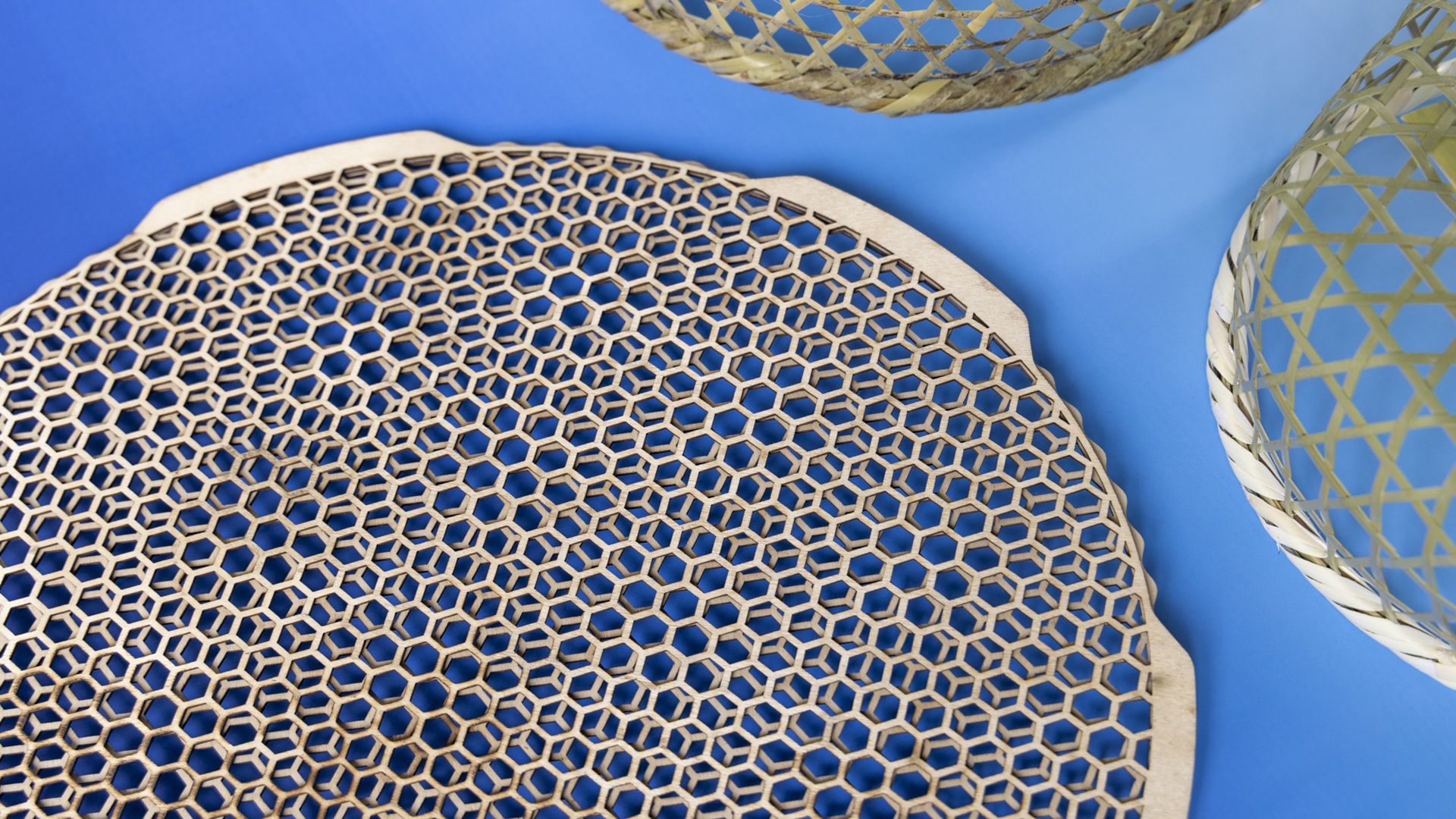
Both new superconductors owe their behavior to electrons arranged in a so-called kagome lattice, a geometric pattern named for a traditional Japanese basket weave of interlaced triangles. The structure has become a hotbed of condensed-matter research because it can host exotic quantum states. The catch: these particular materials only superconduct at brutally cold temperatures — critical temperatures of 0.81 kelvin and 0.95 kelvin, a hair above absolute zero. This is not the room-temperature breakthrough that would revolutionize power grids and electronics.
Its real significance lies in the approach. Superconductors already underpin MRI machines, maglev trains and the magnets inside quantum computers, but they must be chilled to function, which makes them expensive and cumbersome. A material that superconducts at everyday temperatures would be transformative — and finding one has largely been a matter of trial, error and luck. Demonstrating that an algorithm can correctly nominate new superconductors turns that lottery into something closer to a guided search.
The work is part of the SuperC consortium, an international collaboration launched in 2023 with an audacious goal: to discover a room-temperature superconductor by 2033. With this result, the team has shown that AI can not only sift the haystack but point directly at the needles — and that when it does, the physics holds up in the real world.