Why Gold Never Tarnishes: Surface Atoms Rearrange to Lock Out Oxygen a Trillion-Fold
Tulane researchers found that atoms on certain gold surfaces shift into a protective 'herringbone' pattern that leaves oxygen molecules no room to split apart — suppressing the reactions that corrode ordinary metals by up to a trillion times.
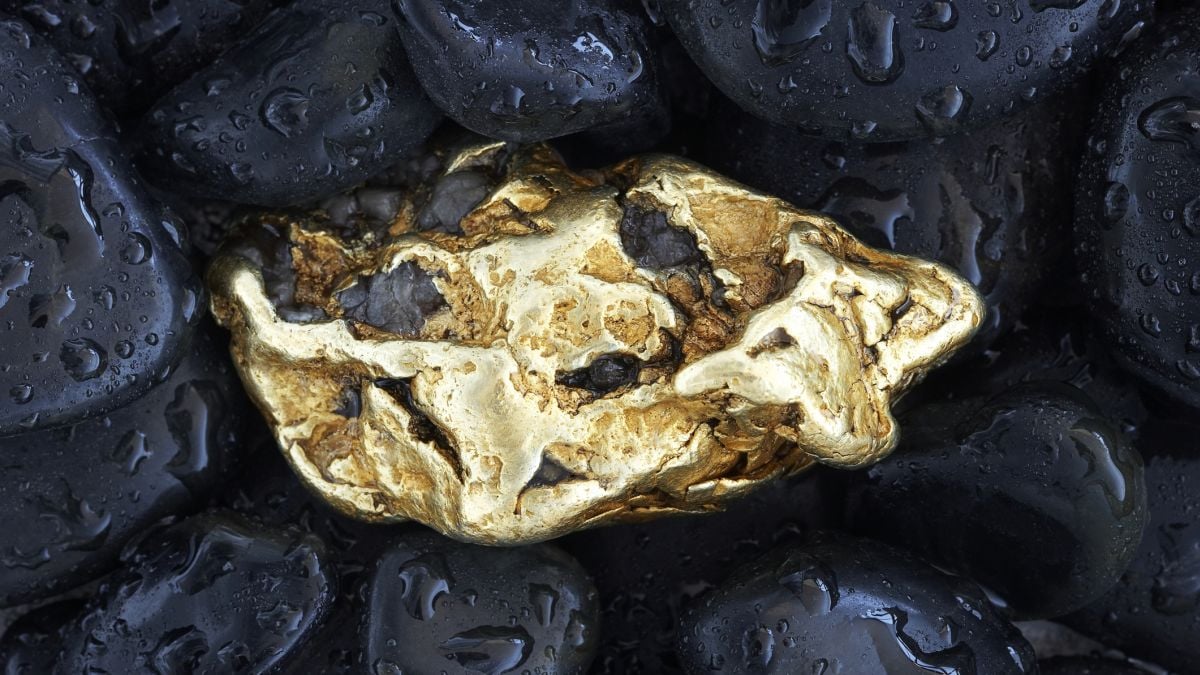
Gold's enduring shine has been a source of fascination for millennia — jewelry and coins pulled from ancient tombs gleam almost as brightly as the day they were made. Now researchers say they have finally pinned down the atomic reason the precious metal resists tarnishing, and the answer lies in a subtle rearrangement of the atoms on its own surface.
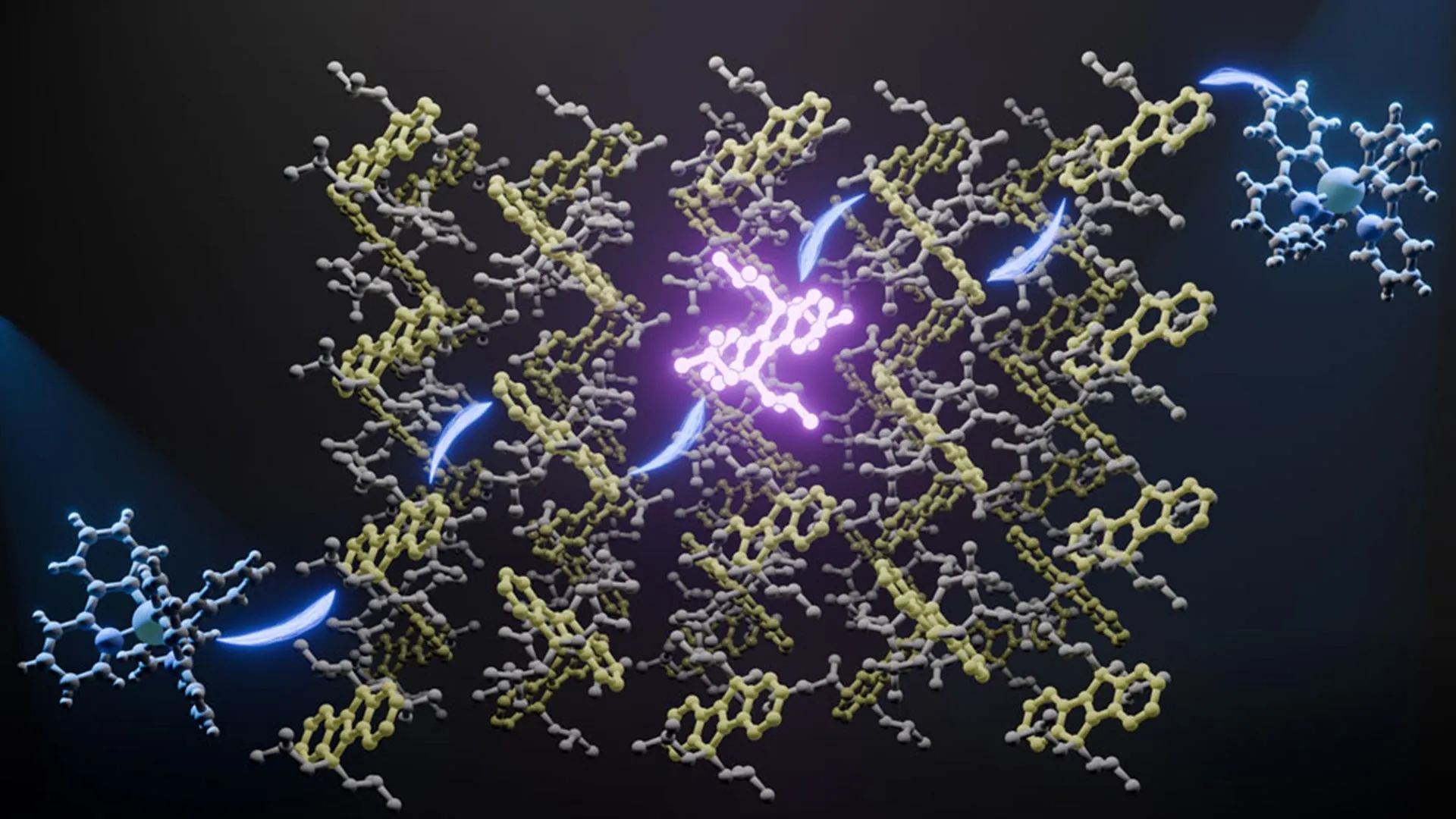
In a study published in the journal Physical Review Letters, scientists at Tulane University found that atoms on some gold surfaces can shift into intricate protective arrangements that dramatically reduce reactions with oxygen. The key is a distinctive "herringbone" pattern the surface atoms adopt, packing themselves into a dense, tightly ordered hexagonal configuration that behaves very differently from a looser, square arrangement.
The difference comes down to geometry and space. For oxygen to corrode a metal, an oxygen molecule must first break apart, or dissociate, into individual atoms that can then bond with the surface. On the tightly packed hexagonal gold surface, the researchers found, oxygen molecules simply cannot find enough room to split apart. On surfaces with the looser, square geometry, that space is built in, and oxygen molecules can much more readily find the purchase they need to break down and react.
The effect is enormous. According to the study, oxygen dissociation occurred billions to trillions of times more readily on the "unreconstructed" square surfaces than on the reconstructed, herringbone-patterned ones. In other words, gold's ability to reorganize its own outermost layer suppresses the first crucial step of oxidation by a factor that can reach a trillion — effectively slamming the door on the chemistry that tarnishes silver, copper and iron.
The findings do more than explain why a gold ring can stay bright for generations. Because gold is prized as a catalyst — a material that speeds up chemical reactions without being consumed — understanding exactly how its surface interacts with oxygen could help scientists design more powerful and efficient gold-based catalysts for manufacturing and clean-energy applications. By revealing the atomic-scale rules that govern when gold reacts and when it stubbornly refuses to, the work offers a blueprint for engineering surfaces that behave exactly as chemists want them to.
The insight fits a broader push in materials science to control chemistry not by changing what a material is made of, but by reshaping how its atoms are arranged at the surface. If researchers can deliberately coax a metal into a reconstructed pattern that blocks or invites specific reactions, they could tune catalysts, corrosion-resistant coatings and electronic components with far greater precision. Gold, long treated as chemically inert and therefore uninteresting to reaction chemists, turns out to hide a dynamic surface — one that quietly rearranges itself to stay pristine, and that scientists may now be able to put to work.