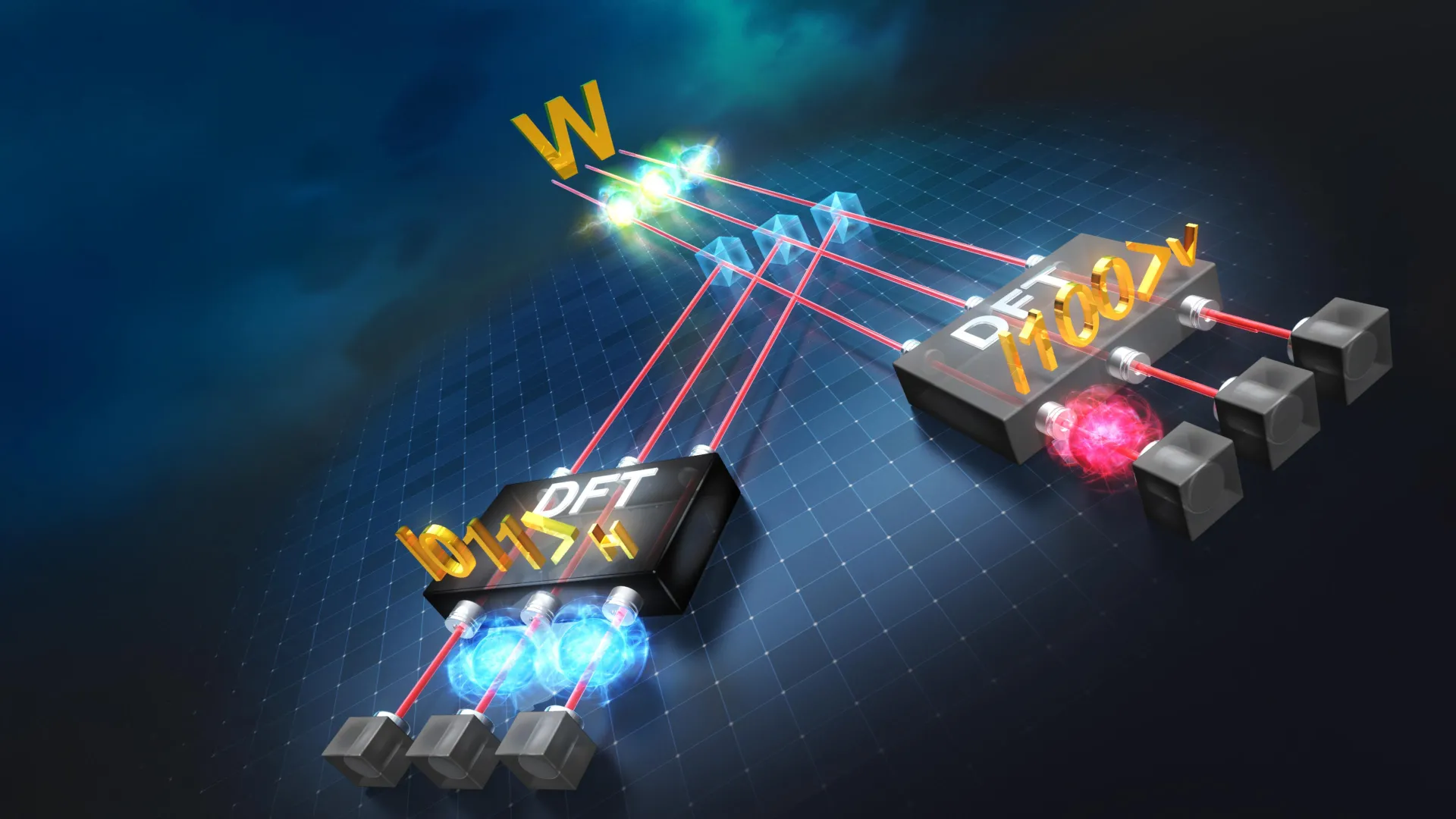
Scientists Achieve Breakthrough in Quantum W State Detection After 25-Year Quest
Japanese researchers develop revolutionary method to instantly identify elusive quantum states that could unlock faster quantum communication and teleportation.
The physics desk
Physics from the quantum to the cosmos: particle physics, quantum computing, astrophysics, cosmology and the discoveries that change what is possible.

Japanese researchers develop revolutionary method to instantly identify elusive quantum states that could unlock faster quantum communication and teleportation.


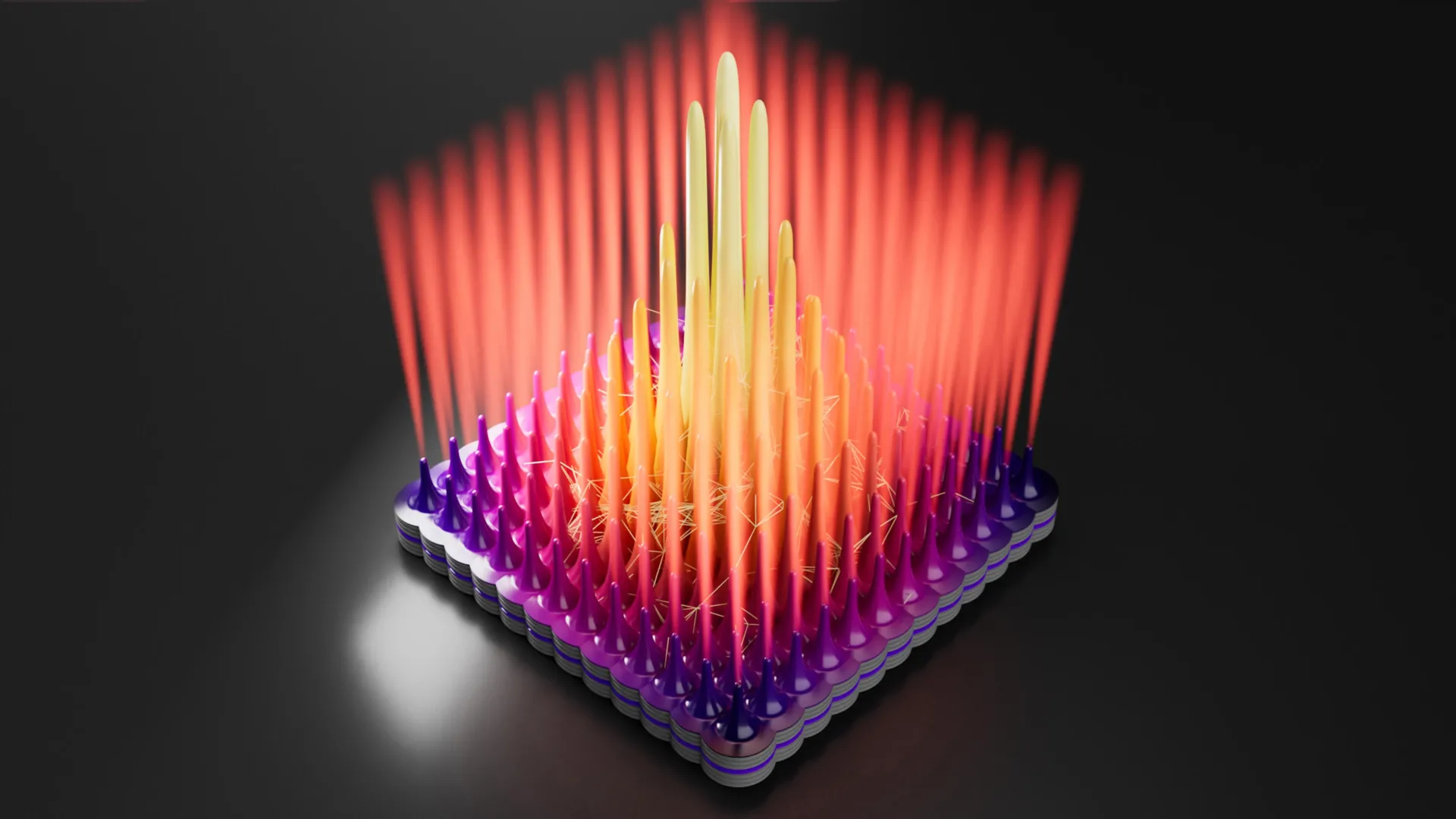
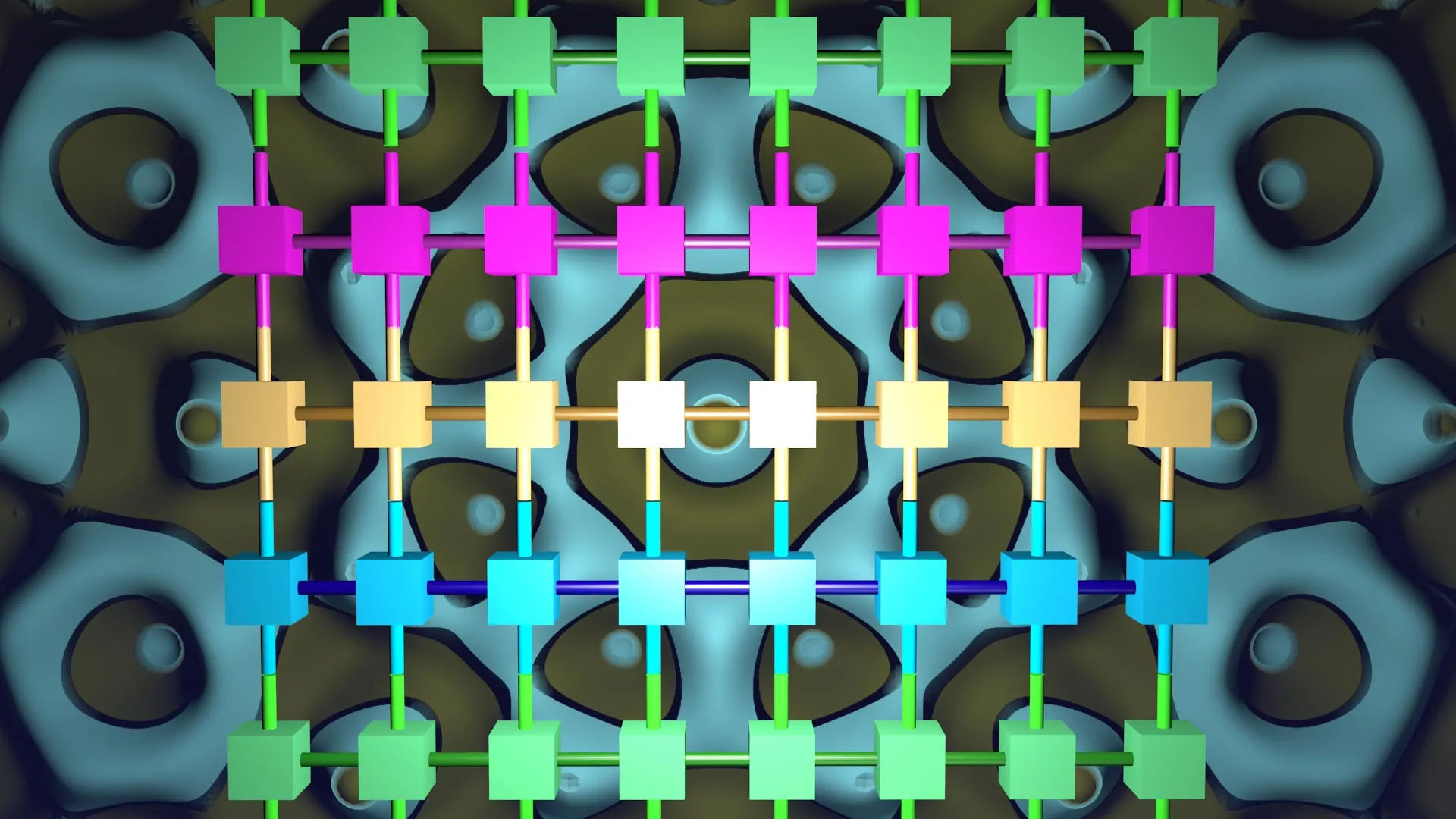
New quantum-inspired approach simulates complex quasicrystals with over 268 million sites, potentially revolutionizing quantum device design and energy-efficient electronics.

Japanese researchers develop new method that could revolutionize quantum teleportation and computing systems.

Researchers use quantum-inspired methods to simulate complex quasicrystals that could power next-generation quantum devices.

New research suggests fundamental constants governing physics sit within an incredibly narrow range that allows liquids to flow properly inside living cells.

Researchers demonstrated quantum superposition in sodium clusters containing thousands of atoms, pushing the boundaries of quantum mechanics toward macroscopic objects.

Researchers demonstrate quantum interference in sodium nanoparticles containing thousands of atoms, pushing the boundaries of quantum mechanics into larger-scale objects.

New research suggests fundamental laws of physics exist within an incredibly narrow window that allows cellular fluids to flow properly, making life possible.

Scientists identify one-dimensional systems capable of supporting exotic particles that break traditional quantum classifications, opening new frontiers in fundamental physics.

Researchers demonstrated quantum interference in sodium nanoparticles made of thousands of atoms, pushing quantum mechanics into a new realm of surprisingly large objects.

Researchers achieve record-breaking secure communication using semiconductor quantum dots that maintained stability for over six hours without manual adjustment.

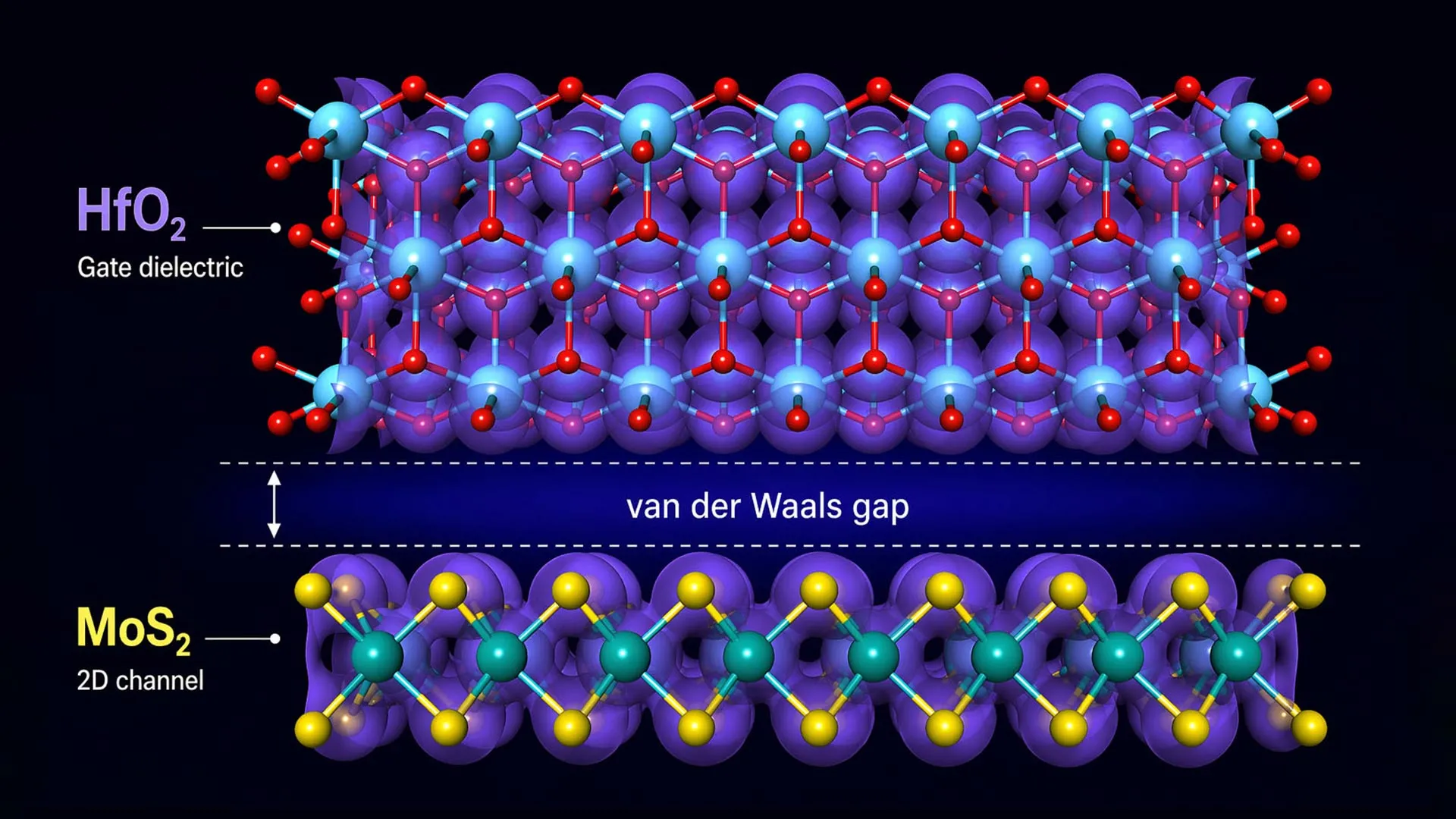
Researchers discover that promising 2D materials lose their electronic advantages when paired with insulating layers due to invisible nanoscale separation.

Researchers demonstrated that metallic nanoparticles made of thousands of atoms can exist in quantum superposition, pushing the boundaries of quantum mechanics into surprisingly large-scale objects.

Scientists identified a one-dimensional system capable of supporting "anyons" — bizarre particles that fall between the two fundamental categories that have defined physics for decades.

Researchers suggest that tiny shifts in fundamental physical constants could make blood too thick, water too sticky, or cellular motion impossible.

New research suggests fundamental constants appear precisely tuned to allow liquids to flow properly inside living cells, making life possible.

Scientists identify 'anyons' in one-dimensional systems, exotic particles that exist between the familiar categories of bosons and fermions.

Researchers demonstrate existence of "anyons" in one-dimensional systems, opening new possibilities for tunable quantum particles beyond traditional bosons and fermions.

Researchers use quantum light-matter particles to prove that wildly different systems—from crystals to living organisms—follow the same hidden growth rules.

Breakthrough quantum encryption system maintained continuous operation for six hours while achieving highest secure key rates yet for this technology.

Researchers discover that tiny 0.14-nanometer separation between materials weakens electronic performance and could prevent further miniaturization of computer chips.

Scientists achieve first experimental proof of 40-year-old theory in two dimensions, strengthening idea that wildly different processes follow same hidden rules.

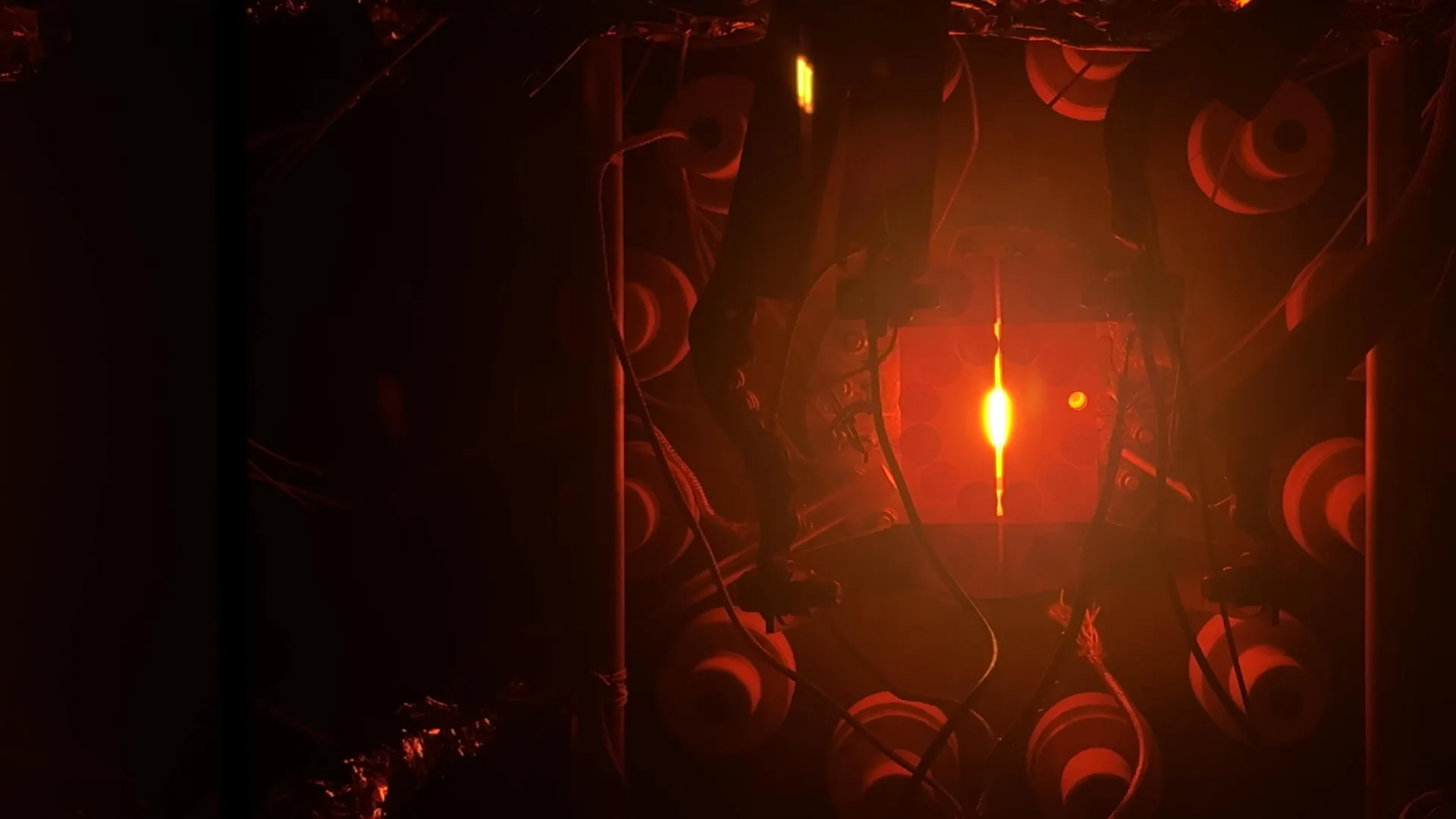
Lithium-powered engine reaches record 120 kilowatts in JPL test, glowing hotter than molten lava inside specialized vacuum chamber.

Aalto University researchers achieve first-ever coupling of perpetually moving quantum system to mechanical oscillator, opening door to new technologies.

New research suggests that even tiny shifts in physics' deepest laws could make blood too thick or water too sticky for complex organisms to survive.

Scientists demonstrate that bizarre anyons can exist in one-dimensional systems and may be adjustable, opening new frontiers in quantum physics.

In a Nature Communications paper, Jere Mäkinen's team shows a continuous time crystal in superfluid helium-3 can be read out by an everyday classical instrument — opening a path to quantum-memory hardware.

Ian Powell and undergraduate-turned-coauthor Louis Buchalter introduce "flux-switching Floquet engineering" in Physical Review B — a comparatively forgiving recipe for error-resistant topological qubits.

The Nature Physics paper demonstrates an interaction 100 times faster than conventional approaches and opens a new toolkit for quantum simulation, sensing and computing.

New research suggests the Universe's fundamental constants appear to sit within an incredibly narrow sweet spot that allows liquids to flow properly inside living cells.