MIT Engineers Develop Dual-Mode Spacecraft Engine for Small Satellite Missions to Mars
Revolutionary propulsion system combines chemical and electric thrusters using a single green fuel, potentially enabling CubeSats to explore deep space.
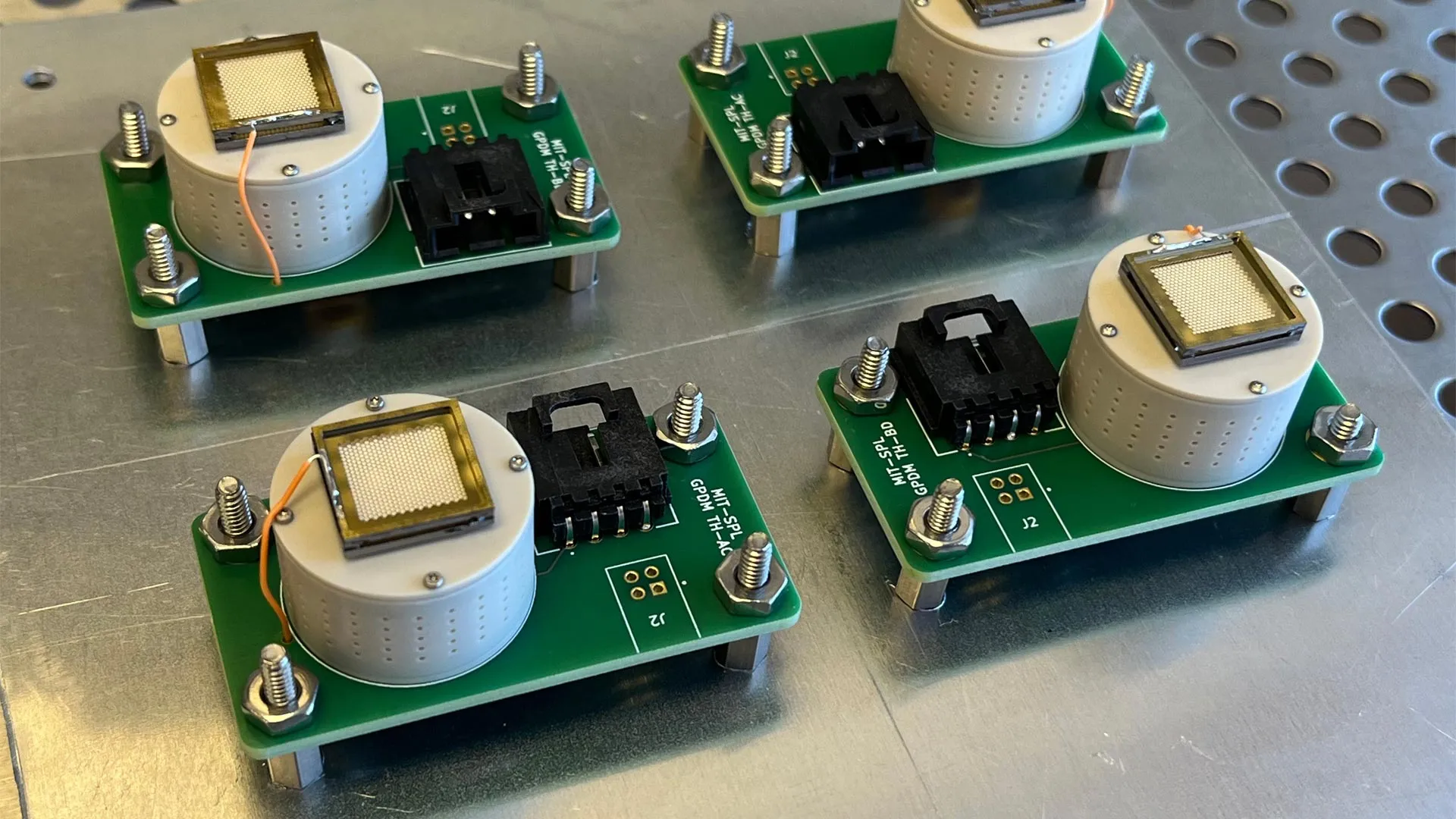
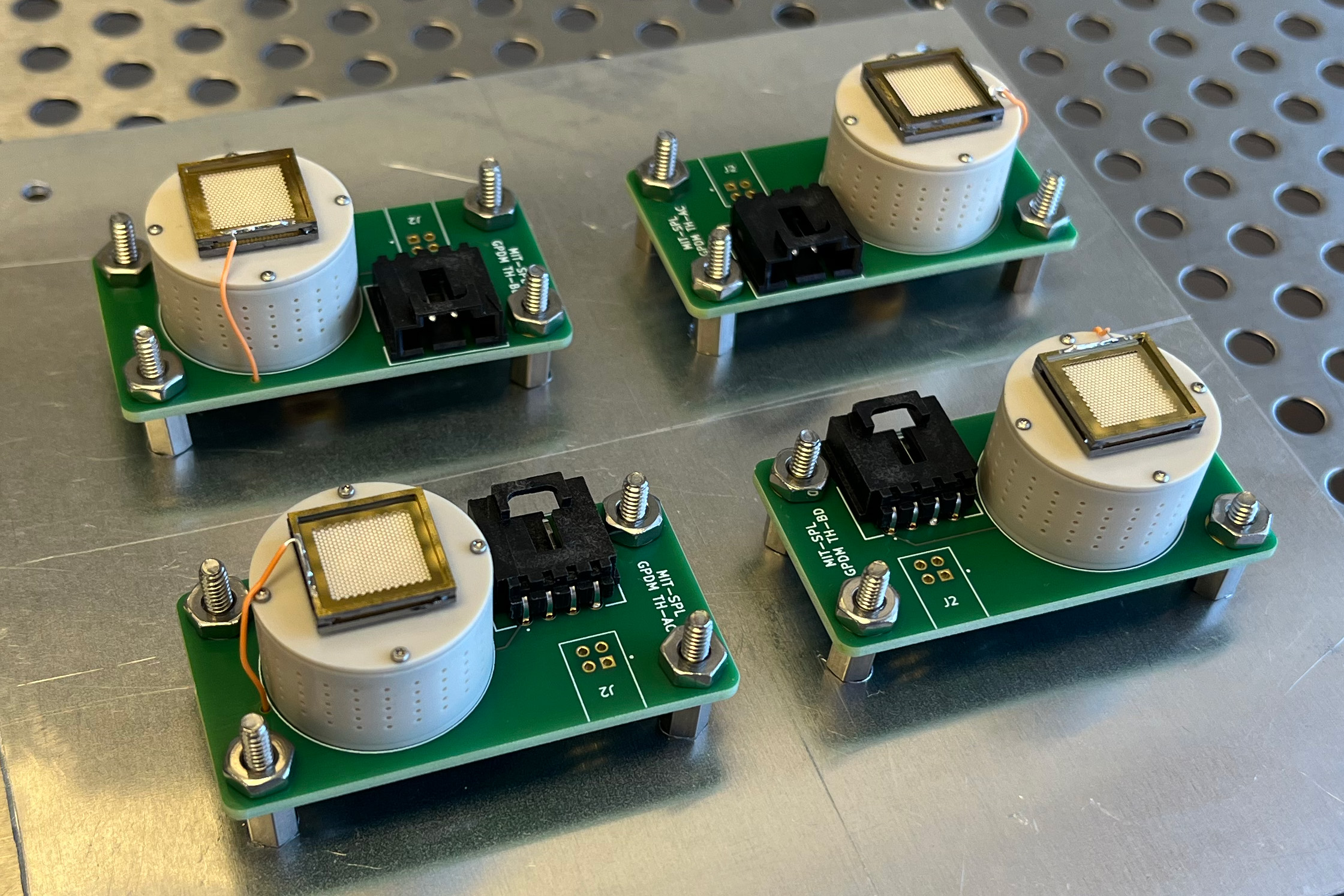
MIT researchers have developed a groundbreaking spacecraft propulsion system that could dramatically expand the capabilities of small satellites by combining the rapid acceleration of chemical rockets with the fuel efficiency of electric thrusters. The innovation centers on a specialized "green monopropellant" originally developed by the U.S. Air Force that can power both propulsion systems from a single fuel tank.
The technology addresses a long-standing limitation in spacecraft design where different types of maneuvers require separate propulsion systems and fuel supplies. Chemical thrusters provide powerful bursts of thrust for quick acceleration and positioning changes, while electrospray thrusters offer extremely fuel-efficient propulsion for gradual, precise movements over long distances. Until now, these systems typically required different propellants and hardware, adding weight and complexity to spacecraft design.
"If you can have chemical and electrical propulsion in one small package, it's the best of both worlds," says Amelia Bruno, former postdoc in MIT's Department of Aeronautics and Astronautics and lead author of the study published in the Journal of Propulsion and Power. "This opens the door for small satellites to do even more science, more observations, and more interesting missions, all on a smaller and cheaper platform."
The breakthrough has immediate practical applications through NASA's Green Propulsion Dual Mode mission, a briefcase-sized CubeSat that will be the first to test this dual-mode propulsion system in space. The spacecraft will feature one chemical thruster and four electrospray thrusters, all drawing fuel from the same tank. If successful, the technology could enable small satellites to venture far beyond Earth orbit for the first time.
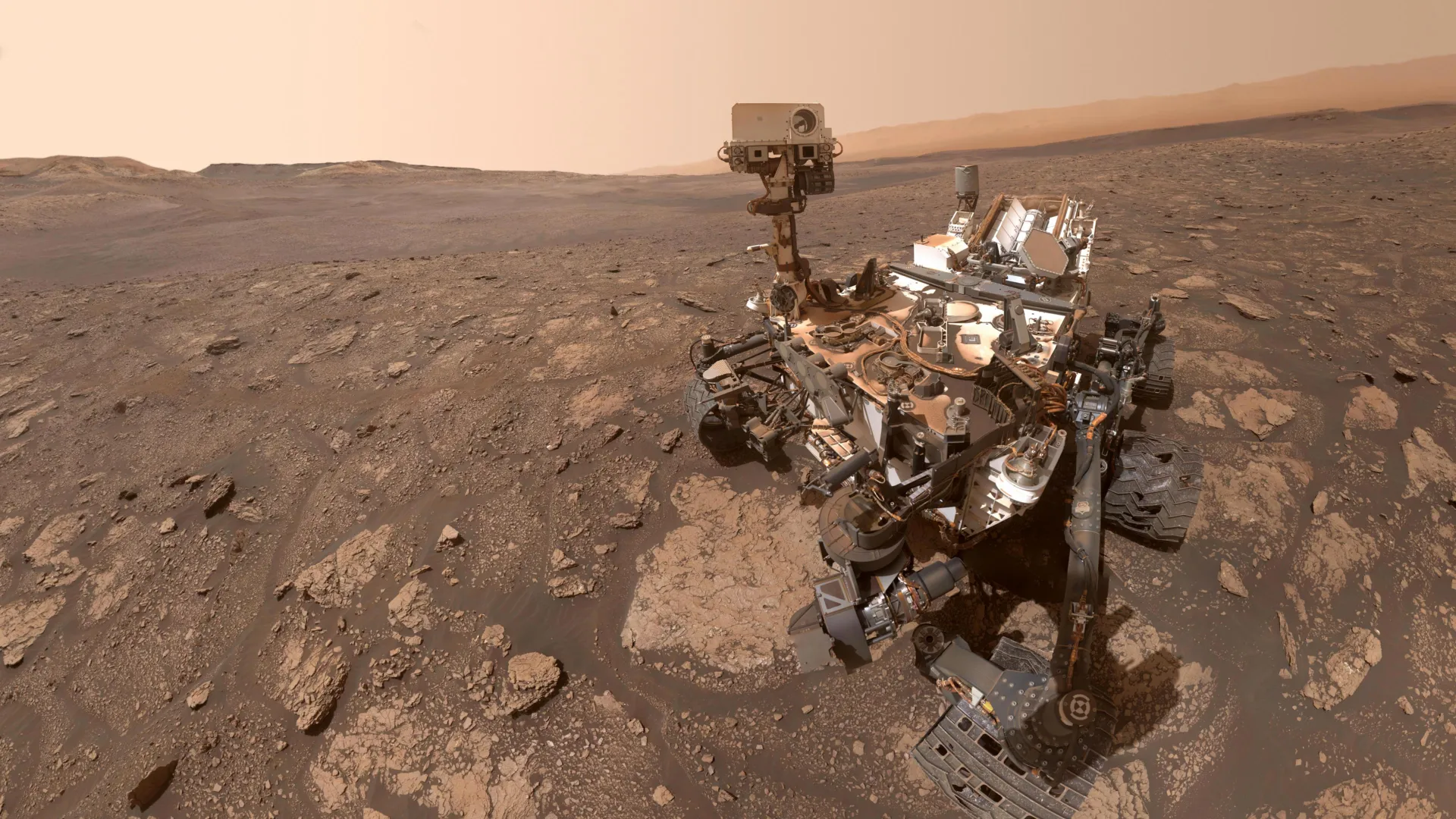
"We could send CubeSats to Mars, or the asteroid belt, where they could make the journey slowly, using electrospray thrusters," explains study co-author Paulo Lozano, the Miguel Alemán Velasco Professor of Aeronautics and Astronautics at MIT. "You could then use your chemical thrusters to quickly move to look at interesting features. You could have a lot more flexibility to do a lot more things." The development represents a significant step toward making deep space exploration accessible to smaller, more affordable spacecraft platforms.