MIT Scientists Develop Breakthrough Spacecraft Engine That Could Send CubeSats to Mars
Revolutionary propulsion system combines chemical and electric thrusters using single fuel, potentially transforming small satellite capabilities with NASA-supported mission testing technology in orbit.
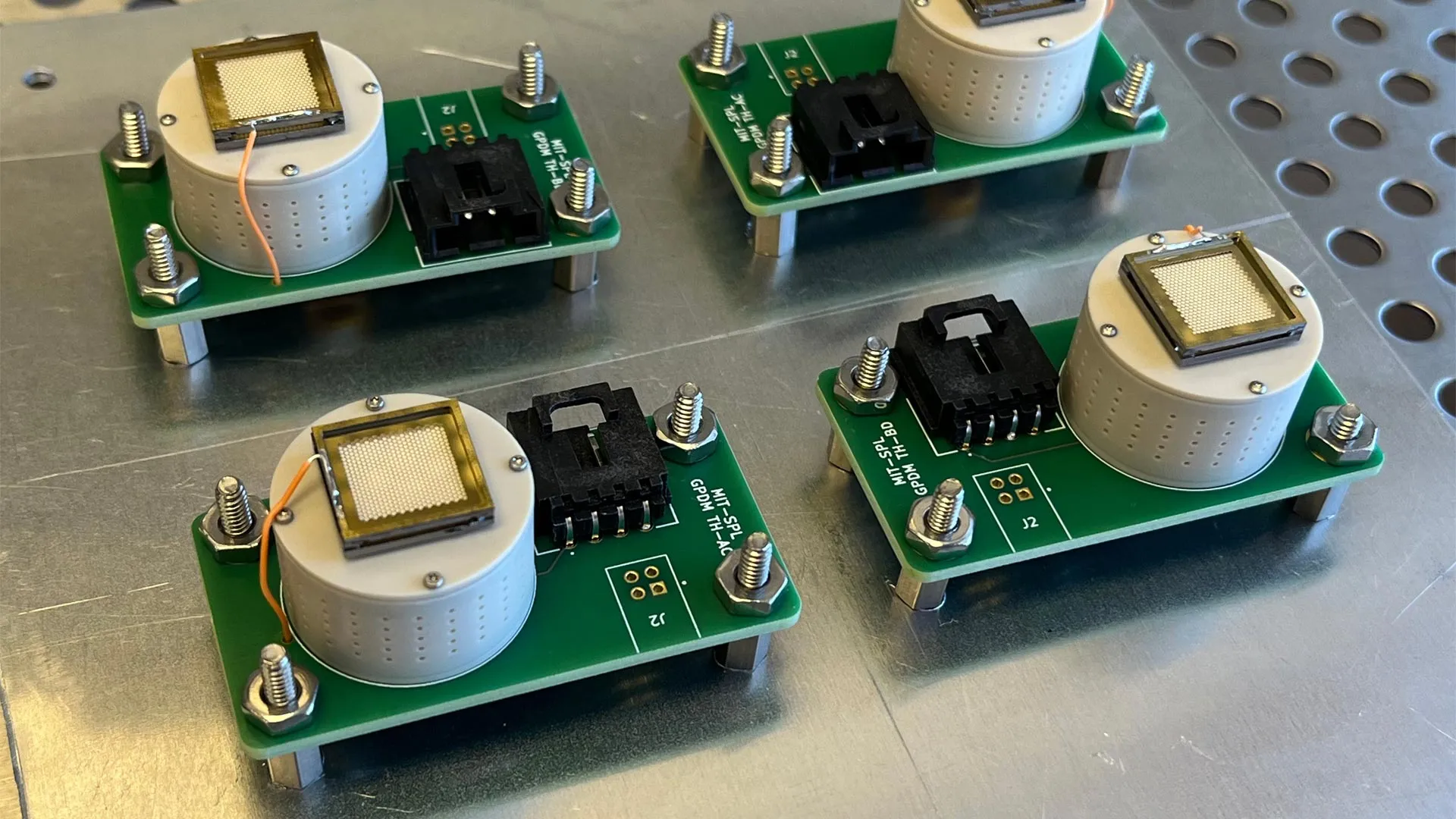
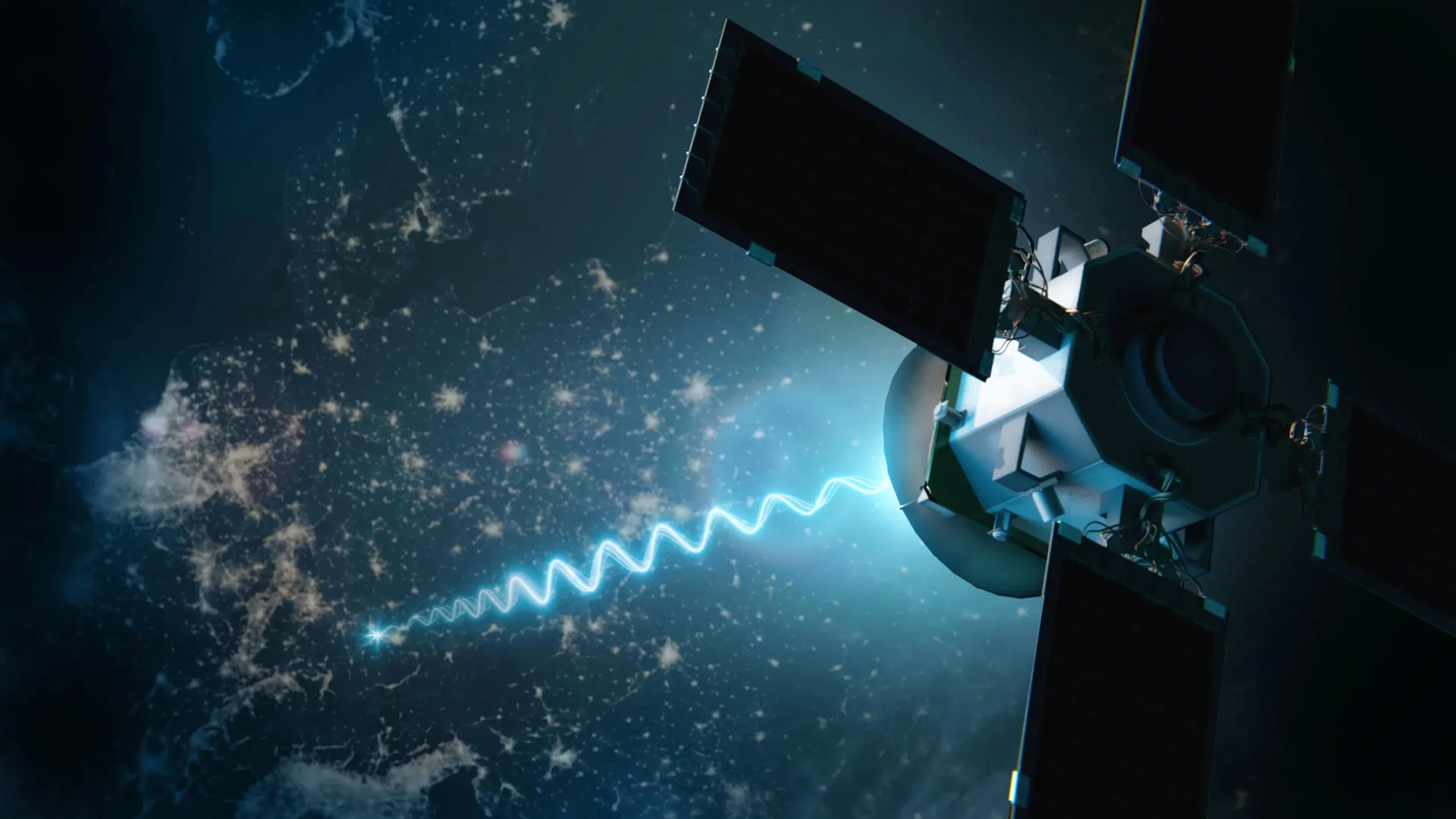
MIT researchers have achieved a major breakthrough in spacecraft propulsion by developing a revolutionary engine system that combines the rapid acceleration of chemical thrusters with the fuel efficiency of electric propulsion using a single propellant. The innovative technology could dramatically expand the capabilities of small satellites, enabling CubeSats to venture far beyond Earth orbit to destinations like Mars and the asteroid belt. The approach represents a fundamental shift from traditional spacecraft design that typically requires separate fuel systems for different types of maneuvers, adding significant weight and complexity to missions.
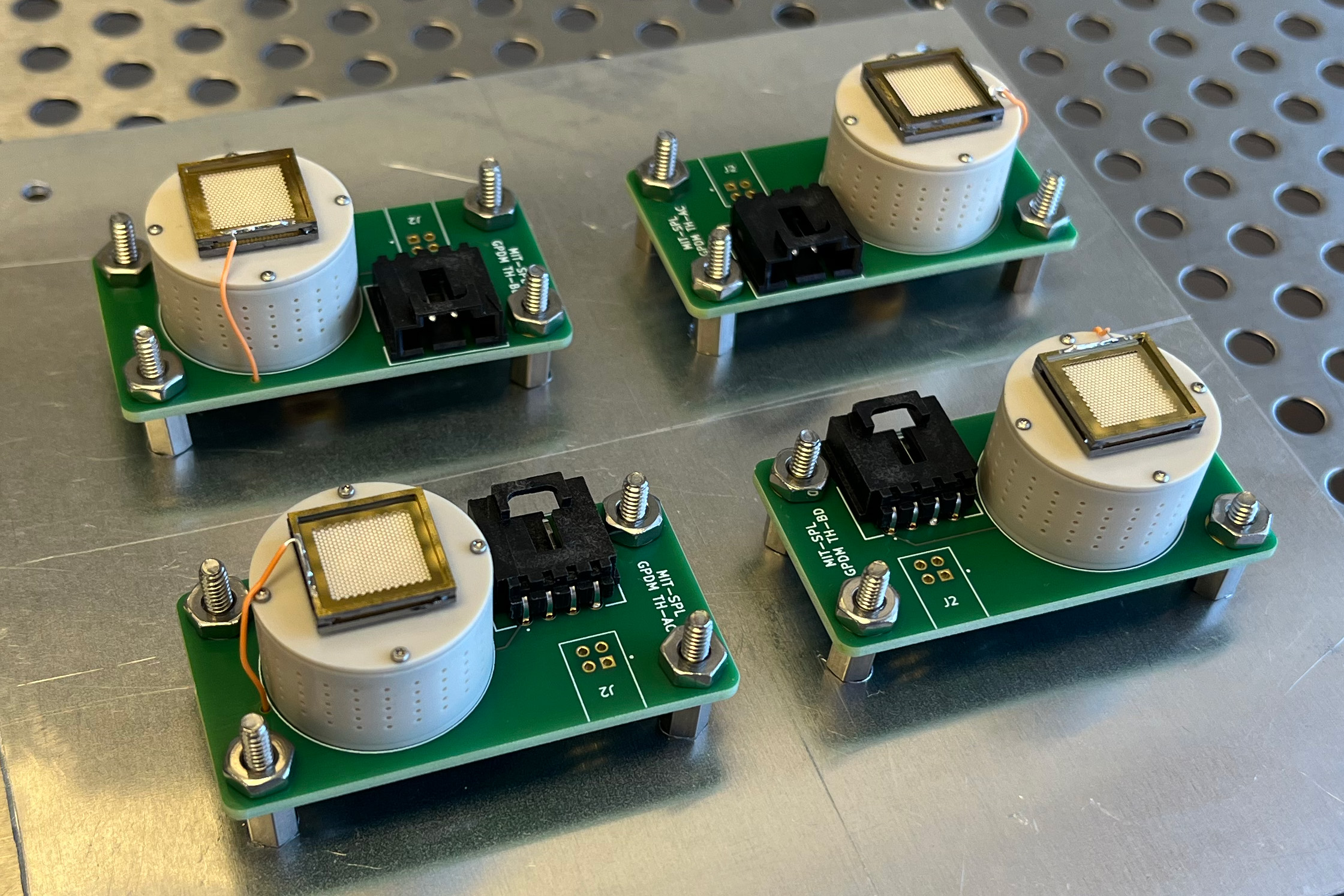
The breakthrough centers on a specialized "green monopropellant" originally developed by the U.S. Air Force for chemical propulsion that researchers discovered can also successfully power miniature electric thrusters known as electrospray thrusters. These coin-sized engines use electric fields to charge particles in liquid propellant and eject them into space, creating highly efficient thrust suitable for gradual, precise maneuvers over long distances. By identifying a single fuel capable of powering both systems, MIT scientists believe they can significantly reduce spacecraft complexity while expanding mission possibilities.
"If you can have chemical and electrical propulsion in one small package, it's the best of both worlds," explains Amelia Bruno, former MIT postdoc and lead author of the study published in the Journal of Propulsion and Power. "This opens the door for small satellites to do even more science, more observations, and more interesting missions, all on a smaller and cheaper platform." The research demonstrates that the dual-mode approach can provide both powerful bursts of thrust for quick maneuvers and highly efficient long-range propulsion for interplanetary journeys.
NASA is currently supporting the technology's first space test through the Green Propulsion Dual Mode mission, a briefcase-sized CubeSat equipped with one chemical thruster and four electrospray thrusters, all drawing fuel from a single tank. The mission represents the first attempt to demonstrate this type of integrated propulsion system on a small spacecraft and could validate the concept for future deep space exploration missions. If successful, the technology could enable small satellites to perform complex multi-phase missions previously reserved for much larger and more expensive spacecraft.
The implications extend far beyond current CubeSat capabilities, potentially revolutionizing how small satellites approach interplanetary exploration. "We could send CubeSats to Mars, or the asteroid belt, where they could make the journey slowly, using electrospray thrusters," notes study co-author Paulo Lozano, MIT professor of aeronautics and astronautics. "You could then use your chemical thrusters to quickly move to look at interesting features. You could have a lot more flexibility to do a lot more things." The technology promises to democratize deep space exploration by making sophisticated missions accessible to smaller organizations and research institutions with limited budgets.