NASA's Comprehensive Safety Measures Protect Artemis II Astronauts on Historic Moon Mission
Years of testing, advanced emergency systems, and sophisticated sensors safeguard crew members during humanity's return to lunar vicinity after five decades.
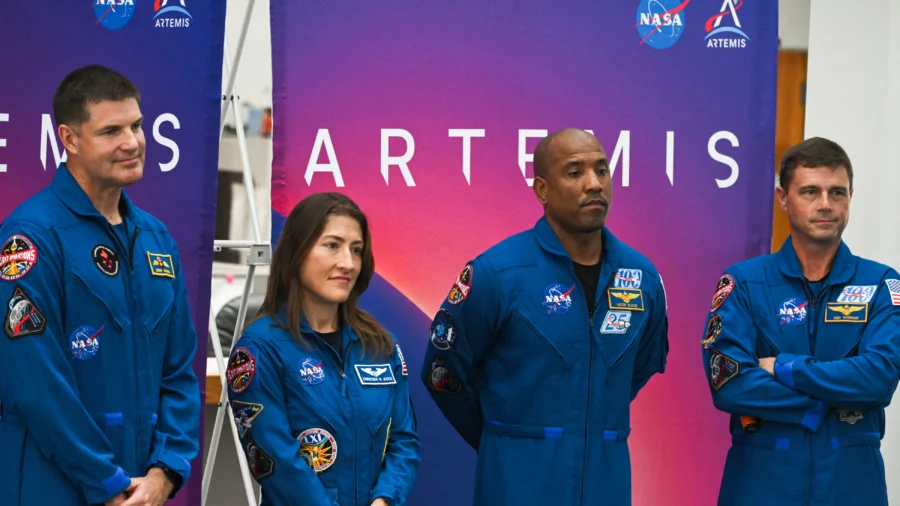
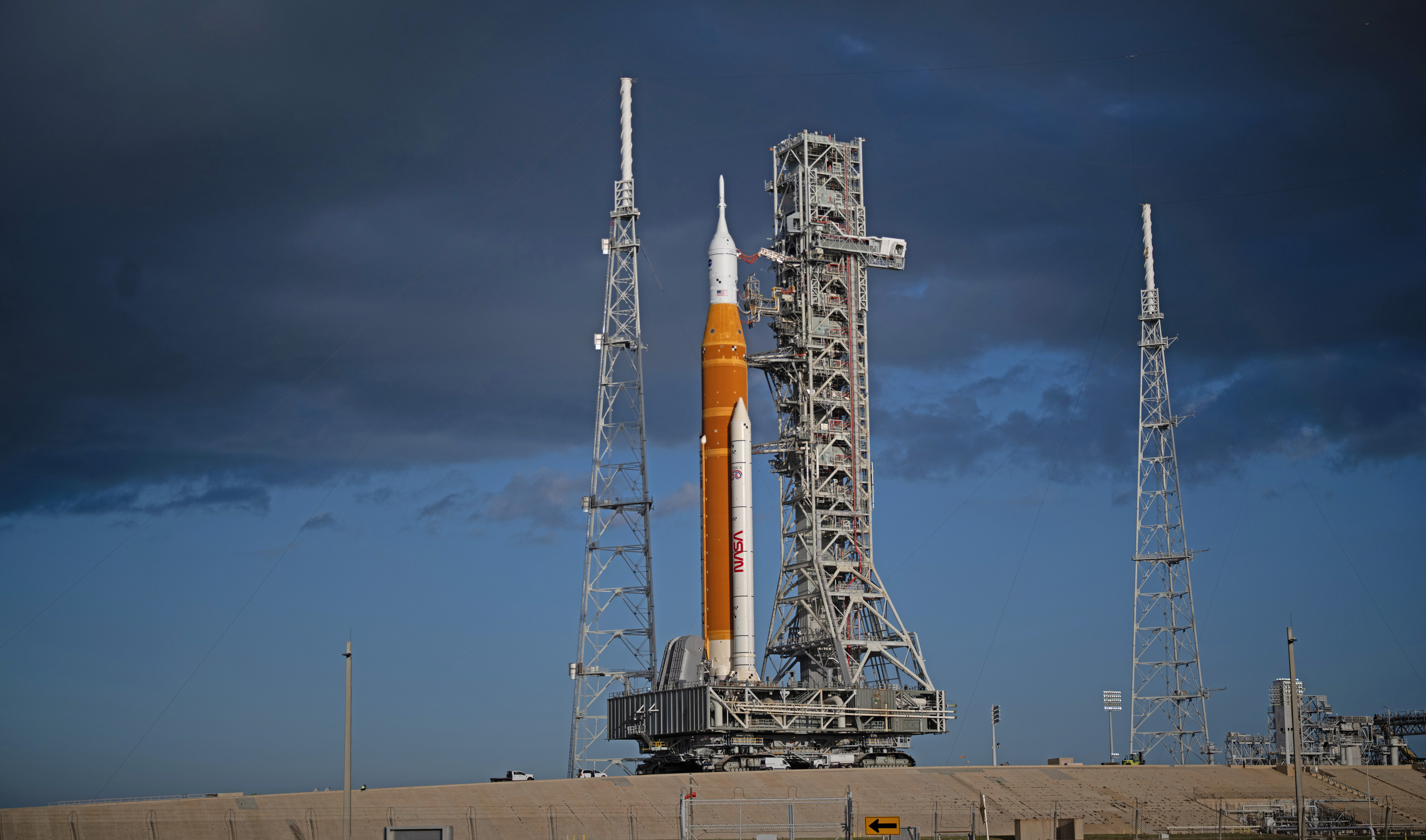
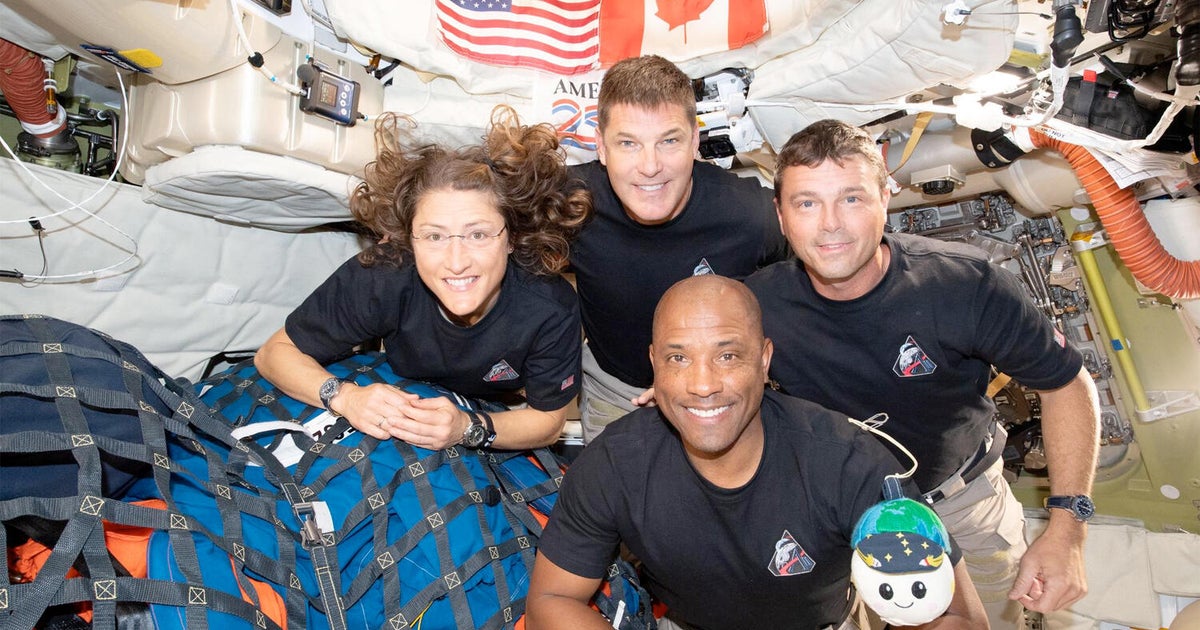
NASA has implemented an extensive array of safety protocols and emergency systems to protect the four astronauts aboard the Artemis II mission as they embark on humanity's first crewed lunar flyby in more than 50 years. The comprehensive safety framework represents years of rigorous testing, advanced sensor technology, and multiple backup systems designed to handle potential emergencies during the approximately 10-day journey around the Moon.
The space agency's approach to crew safety builds upon lessons learned from the Apollo program while incorporating decades of technological advances in spacecraft design, life support systems, and emergency response capabilities. Engineers have subjected the Orion spacecraft to countless simulations and tests, including scenarios involving system failures, medical emergencies, and abort procedures that could bring the crew safely back to Earth at various mission phases.
Advanced sensor arrays throughout the Orion capsule continuously monitor crew health, spacecraft systems, and environmental conditions during the mission. These sensors can detect changes in air quality, radiation exposure, cabin pressure, and numerous other parameters that could affect crew safety. The data feeds into sophisticated computer systems that can automatically initiate protective measures or alert ground controllers to potential problems before they become critical.
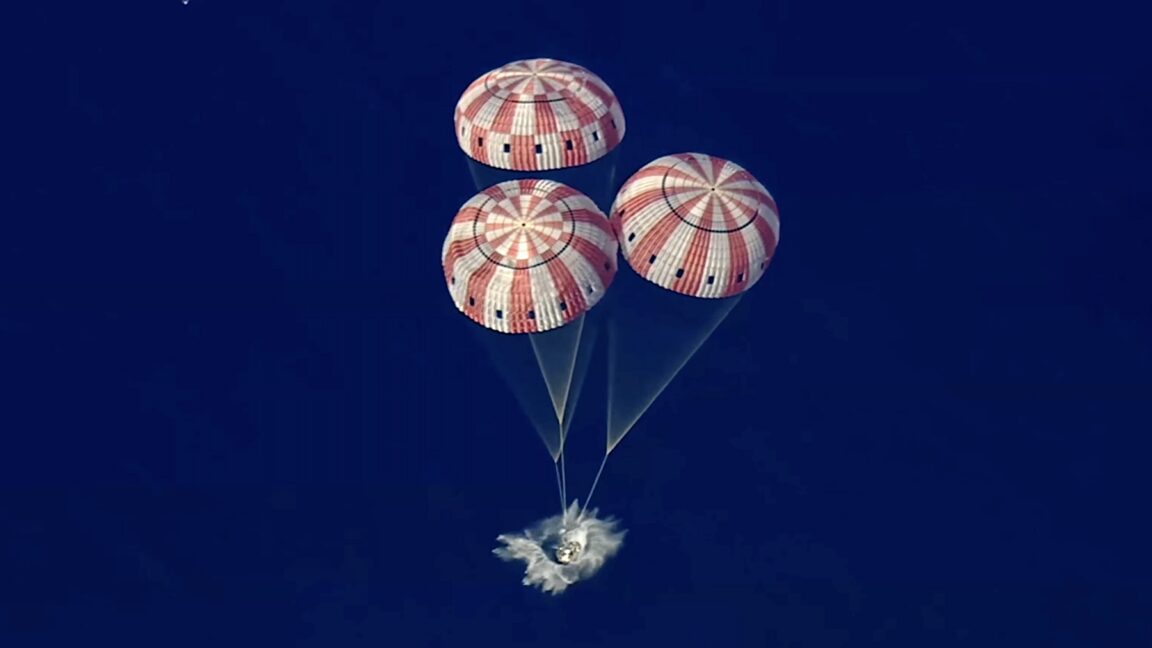
Emergency response systems include multiple abort scenarios that can activate at different points during the mission, from launch through lunar flyby and return to Earth. The spacecraft carries backup life support systems, redundant communication equipment, and emergency supplies designed to sustain the crew during extended periods if primary systems fail. Medical equipment aboard the capsule can handle various health emergencies that might arise during the mission.
The safety preparations extend beyond the spacecraft itself to include enhanced mission control capabilities, improved tracking and communication networks, and coordinated emergency response teams positioned around the globe. NASA has worked with international partners to establish backup communication sites and potential emergency landing locations should the mission require early termination. The comprehensive safety approach reflects NASA's commitment to crew protection as the agency prepares for eventual lunar surface missions and longer-duration deep space exploration.