NASA Tests Powerful New Thruster That Could Send Humans to Mars
A revolutionary electromagnetic engine reached record-breaking power levels at JPL, firing hotter than molten lava while demonstrating technology that could transform space travel.
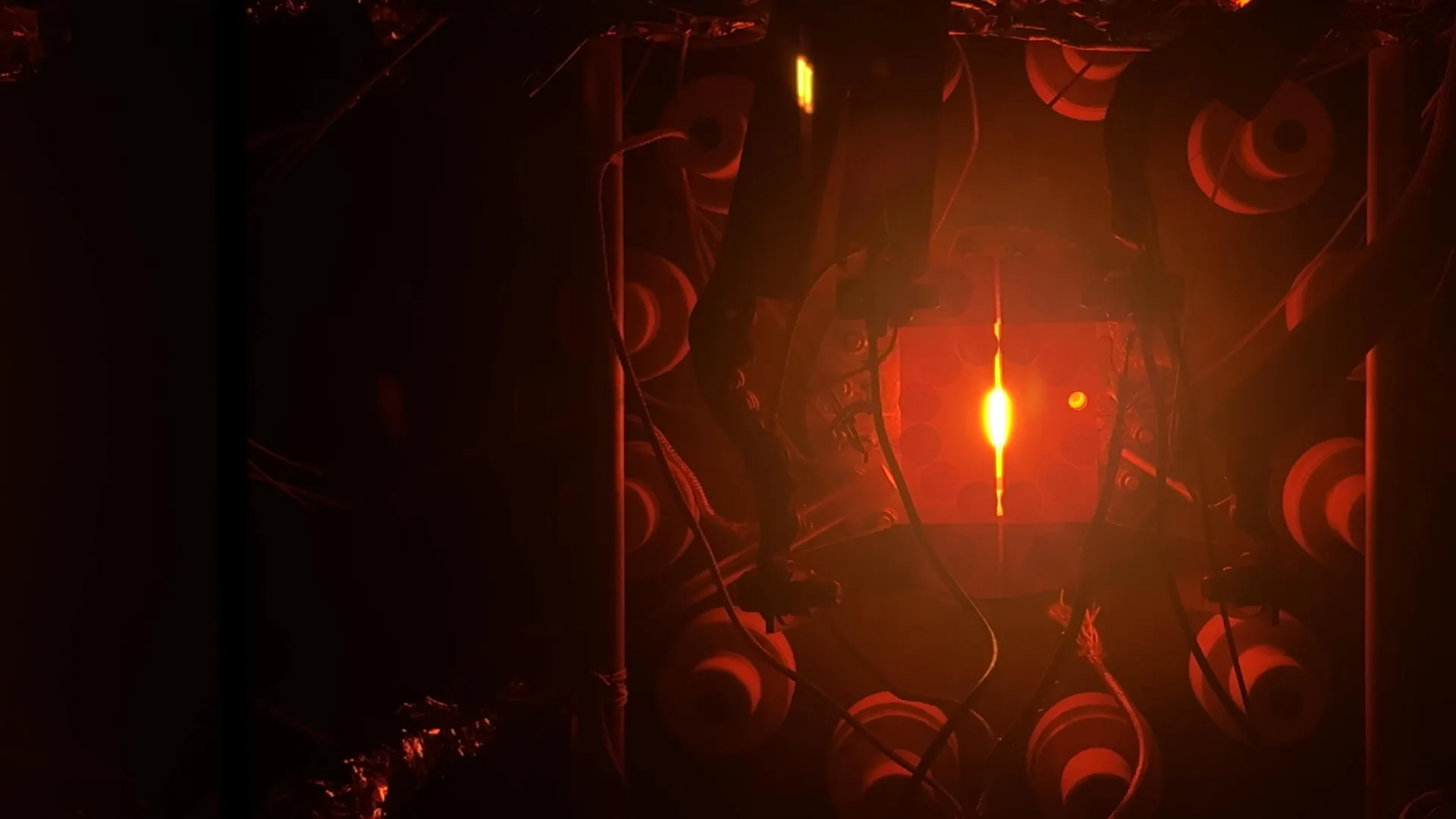
NASA's Jet Propulsion Laboratory has successfully tested a groundbreaking electromagnetic thruster that could revolutionize human space travel, including missions to Mars. The experimental engine, which operates on lithium metal vapor and harnesses intense magnetic forces, achieved record-breaking power levels during testing on February 24—far exceeding anything currently used in space missions. The thruster reached temperatures exceeding 5,000 degrees Fahrenheit while generating up to 120 kilowatts of power, more than 25 times the capability of engines currently flying on NASA's Psyche spacecraft.
The test represents a major milestone in electric propulsion technology, which offers dramatically improved efficiency compared to traditional chemical rockets. Electric propulsion systems use up to 90 percent less propellant than conventional engines, generating steady thrust over extended periods to gradually accelerate spacecraft to very high speeds. "At NASA, we work on many things at once, and we haven't lost sight of Mars," said NASA Administrator Jared Isaacman. "The successful performance of our thruster in this test demonstrates real progress toward sending an American astronaut to set foot on the Red Planet."
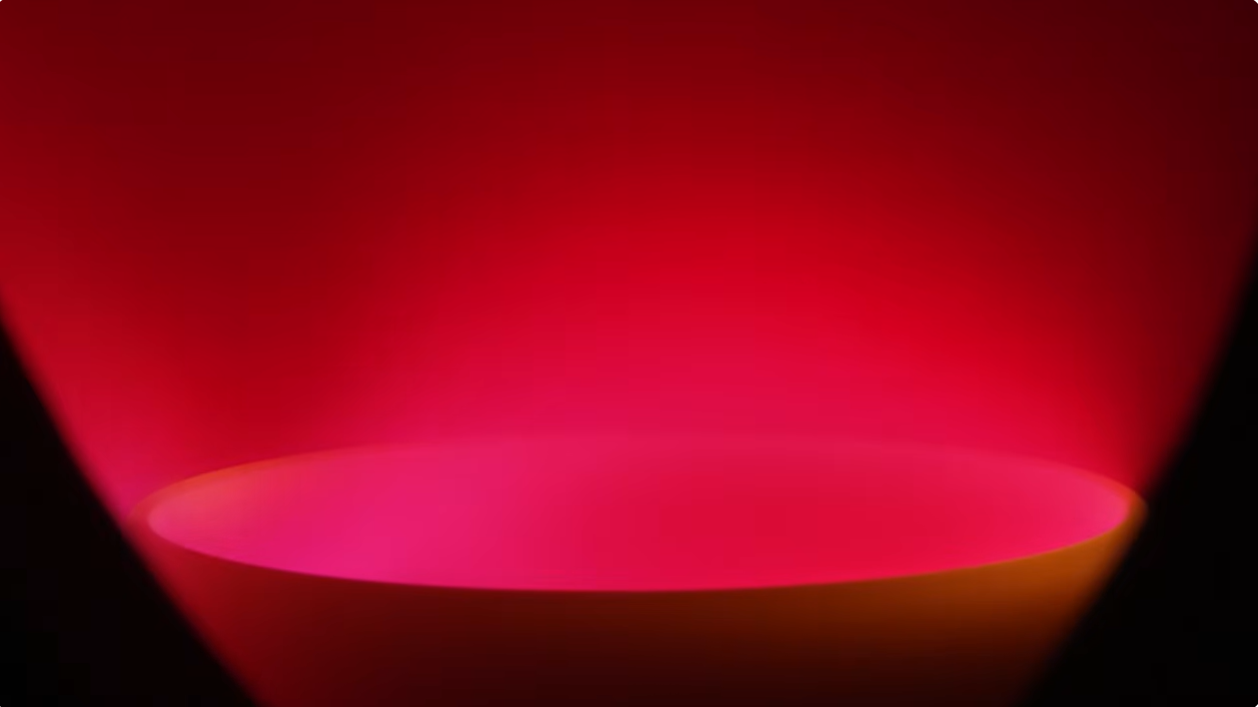
The lithium-fed magnetoplasmadynamic (MPD) thruster tested at JPL uses strong electrical currents and magnetic fields to accelerate plasma made from lithium, producing greater thrust at higher power levels than existing systems. During five ignition cycles, the thruster's central tungsten electrode glowed bright white as it heated to extreme temperatures, with testing conducted inside JPL's specialized Electric Propulsion Lab vacuum chamber designed to safely evaluate high-power metal vapor engines.
This breakthrough marks the first time in the United States that an electric propulsion system has operated at such extreme power levels, representing a significant technological leap forward. The concept of MPD thrusters has existed since the 1960s, but this test demonstrates the first successful operation at the power levels necessary for deep space missions. Unlike current systems that rely on continuous solar power, this design could potentially support missions to Mars and beyond where solar energy becomes insufficient.
The successful test opens new possibilities for both crewed and robotic missions throughout the solar system. The technology could enable faster transit times to Mars, reducing radiation exposure for astronauts and allowing for more ambitious exploration goals. Future development will focus on scaling the technology and integrating it with spacecraft systems capable of supporting the extreme power requirements and operational demands of interplanetary travel.