MIT Engineers Develop Revolutionary Spacecraft Engine That Combines Chemical and Electric Propulsion
Breakthrough technology uses single fuel to power both rapid maneuvers and efficient long-distance travel, potentially transforming small satellite missions.
MIT researchers have achieved a major breakthrough in spacecraft propulsion by developing a system that uses a single fuel to power both chemical and electric thrusters. The innovation could dramatically expand the capabilities of small satellites, allowing them to perform rapid maneuvers and efficient long-distance travel without the weight and complexity of separate fuel systems.
The technology centers on a specialized "green monopropellant" originally developed by the U.S. Air Force for chemical propulsion that can also successfully power miniature electric thrusters called electrospray thrusters. According to Amelia Bruno, lead author of the study published in the Journal of Propulsion and Power, this represents the best of both worlds for spacecraft design.
"If you can have chemical and electrical propulsion in one small package, it's the best of both worlds," Bruno explained. "This opens the door for small satellites to do even more science, more observations, and more interesting missions, all on a smaller and cheaper platform." The approach eliminates the need for separate propellant systems that traditionally add significant weight and complexity to spacecraft.
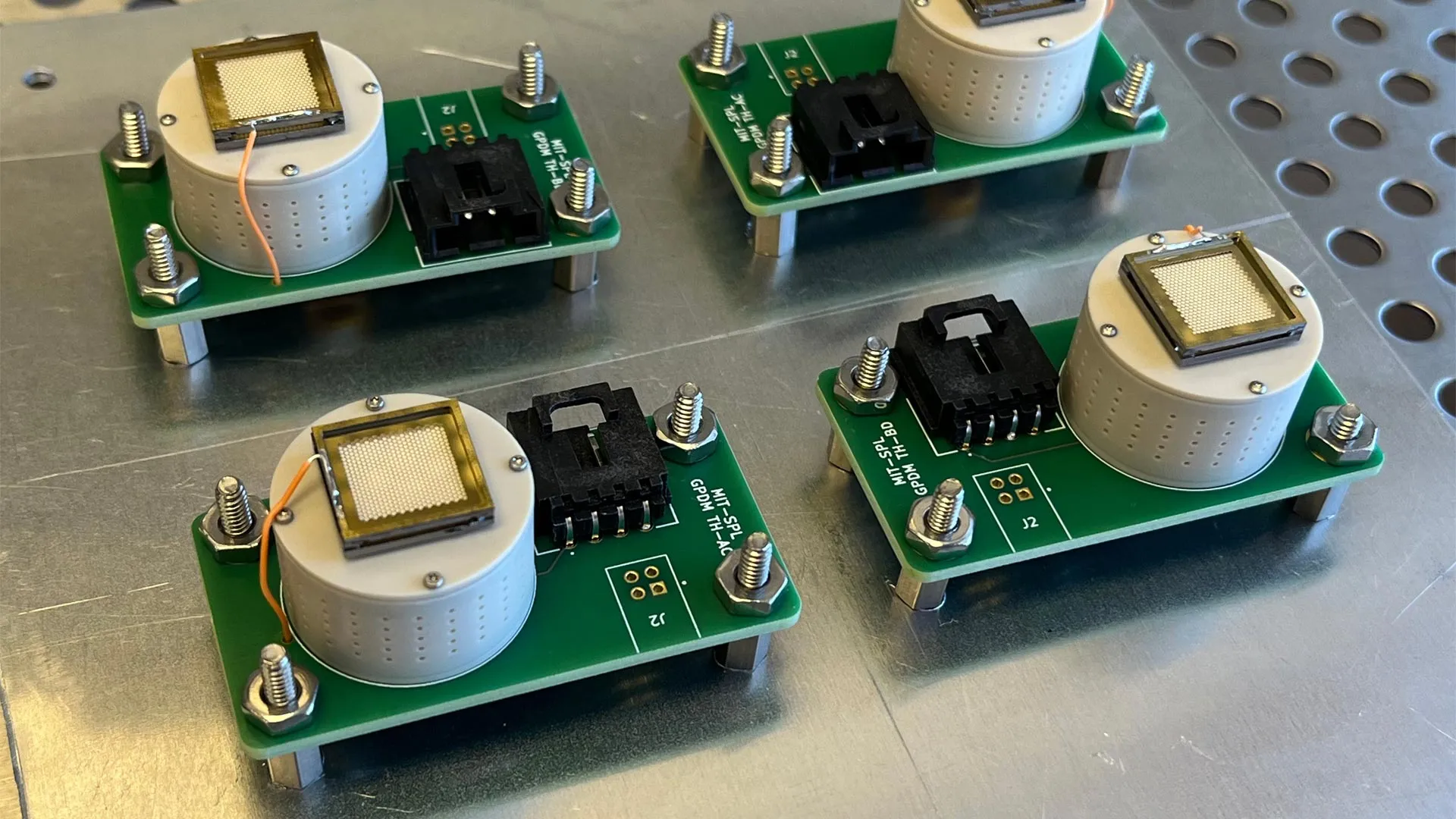
Electrospray thrusters, roughly the size of a dime, use electric fields to charge particles in liquid propellant and eject them into space for highly efficient, precise maneuvers. Chemical thrusters provide powerful bursts of thrust for rapid acceleration, deceleration, and position changes. By combining both capabilities with a single fuel source, the system offers unprecedented flexibility for mission planning.
NASA is currently supporting the Green Propulsion Dual Mode mission, a briefcase-sized CubeSat that will test this revolutionary technology in orbit. The spacecraft will feature one chemical thruster and four electrospray thrusters, all drawing fuel from a single tank. If successful, the technology could enable small satellites to venture far beyond Earth orbit, potentially reaching Mars or the asteroid belt while maintaining the ability to perform detailed observations of specific targets.