Dying Star Could Create New Universe Instead of Black Hole
Scientists propose that massive stellar collapse might trigger the birth of a tiny cosmos inside the dying star.
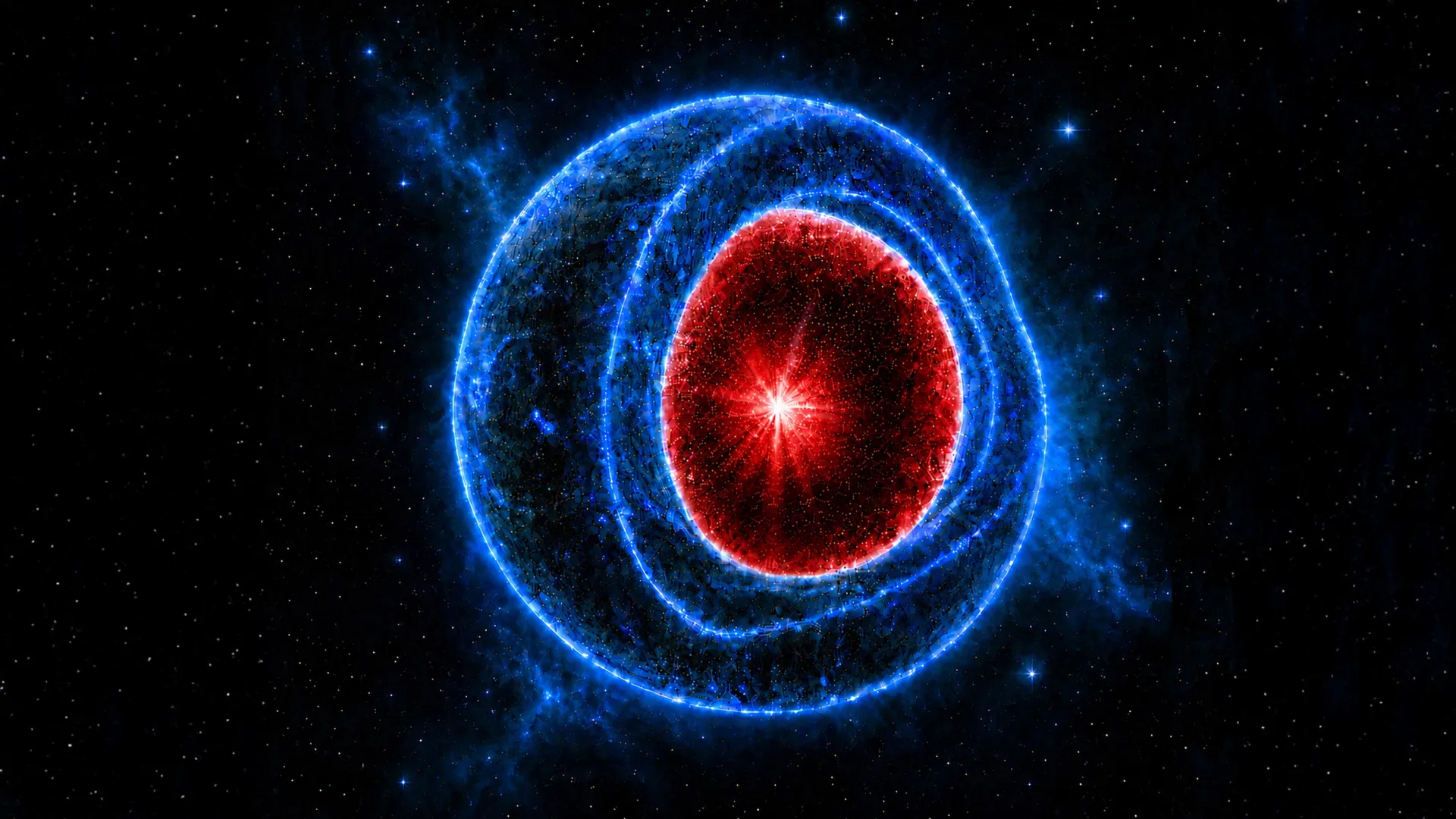
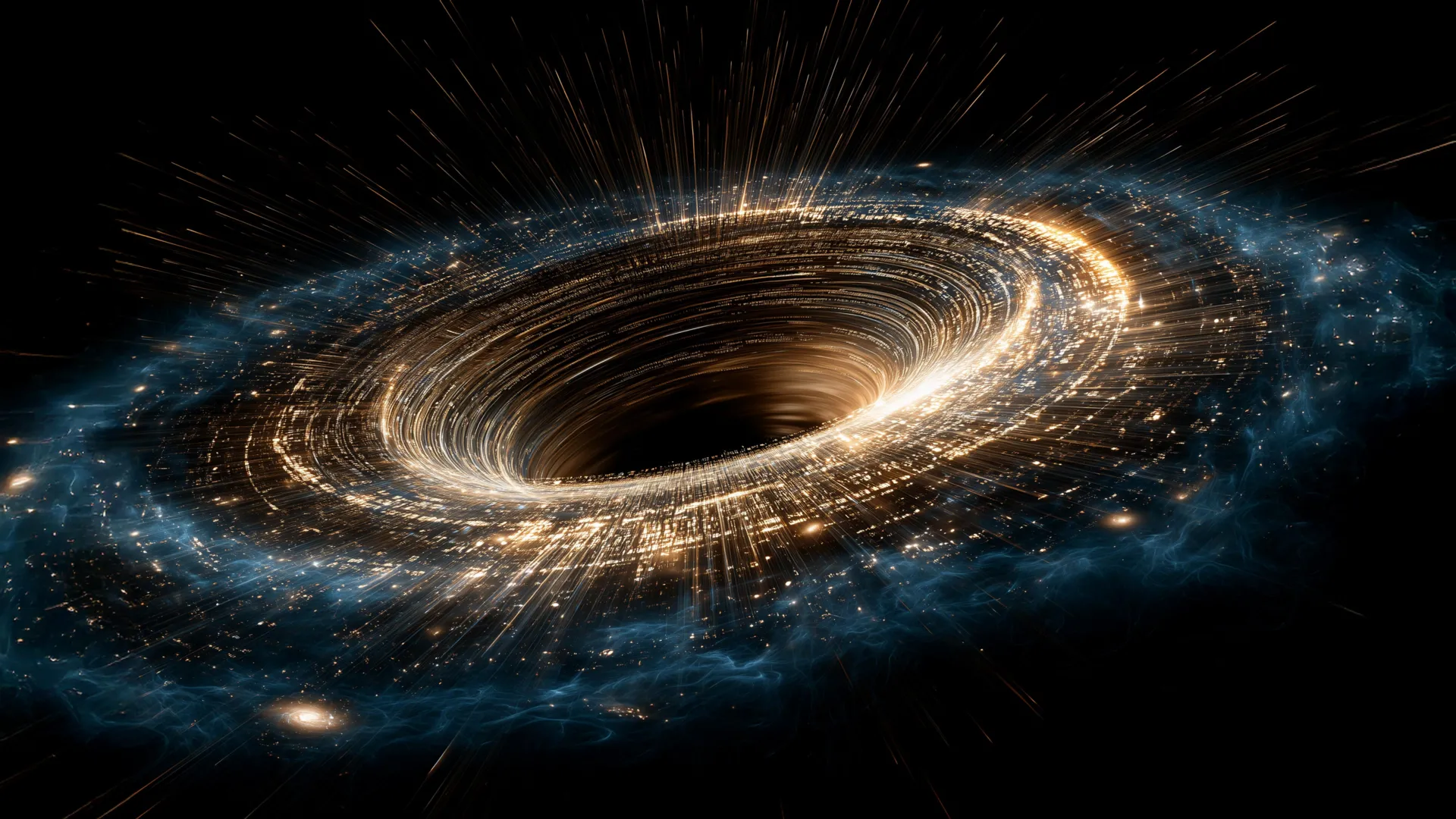
A groundbreaking theoretical study suggests that when massive stars collapse, they might not always form the black holes that scientists have long predicted. Instead, researchers propose that stellar death could trigger something far more extraordinary: the birth of an entirely new universe inside the dying star, driven by the mysterious force of dark energy.
The research, published recently, challenges fundamental assumptions about stellar collapse and introduces the concept of "gravastars" as an alternative to black holes. These exotic objects would be nearly as dense and massive as black holes but would lack the troublesome singularities and event horizons that have puzzled physicists for decades. The key difference lies in what happens at the moment of collapse, when dark energy could intervene to prevent the formation of a traditional black hole.
According to the theoretical framework developed by physicists Daniel Jampolski and Professor Luciano Rezzolla, the collapse of a massive star could trigger the birth of a miniature universe within the collapsing matter itself. This newly formed cosmos would undergo its own version of the Big Bang, with dark energy driving rapid expansion that pushes outward against the inward pull of gravity from the collapsing stellar material.
This outward pressure from the expanding mini-universe could halt the collapse before a singularity forms, creating a stable balance between the two opposing forces. The result would be a gravastar - an object that appears similar to a black hole from the outside but contains an expanding universe rather than a point of infinite density. This scenario would resolve many of the conceptual problems that have long troubled physicists about black holes, including questions about what happens to information that falls past the event horizon.
The implications of this research extend far beyond stellar physics, potentially offering new insights into the nature of our own universe's birth and the role of dark energy in cosmic evolution. While these objects remain theoretical, their potential existence could revolutionize our understanding of both stellar death and cosmic creation, suggesting that endings and beginnings in the universe might be more intimately connected than previously imagined.