Physics
Scientists Finally Solve 40-Year-Old Physics Puzzle About How Things Grow
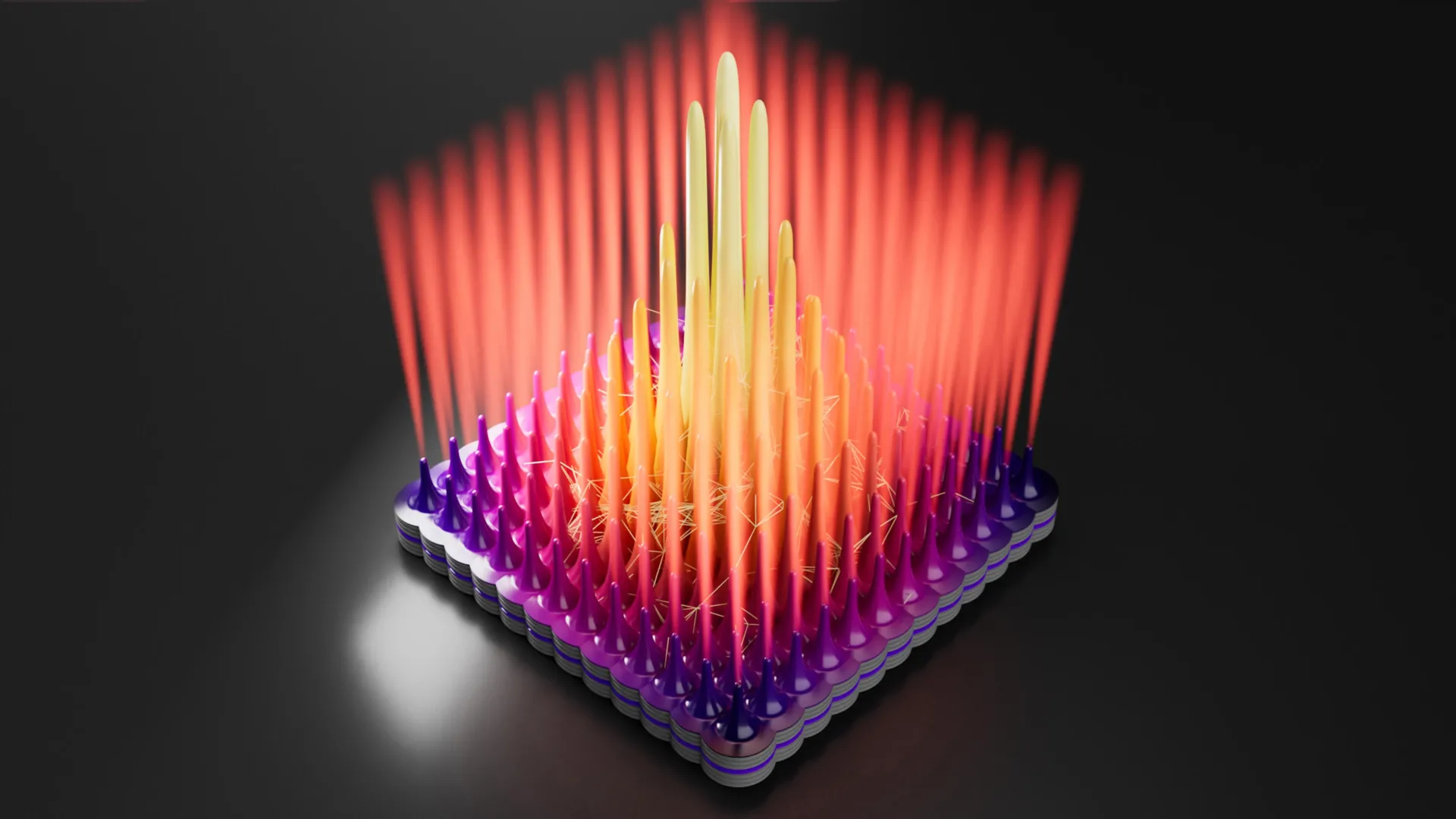
Researchers have experimentally confirmed a universal growth law in two dimensions using a quantum system of fleeting light-matter particles.
The physics desk
Physics from the quantum to the cosmos: particle physics, quantum computing, astrophysics, cosmology and the discoveries that change what is possible.
Researchers have experimentally confirmed a universal growth law in two dimensions using a quantum system of fleeting light-matter particles.

A Helmholtz-Zentrum Dresden-Rossendorf team has captured the first-ever atomic-resolution view inside lanthanum superhydrides, ending a decade of theoretical guessing about how they superconduct.

New research suggests fundamental constants exist within an incredibly narrow range that allows liquids to flow properly inside living cells.
Researchers achieve first experimental proof that the Kardar-Parisi-Zhang theory holds in two dimensions using quantum light-matter particles.
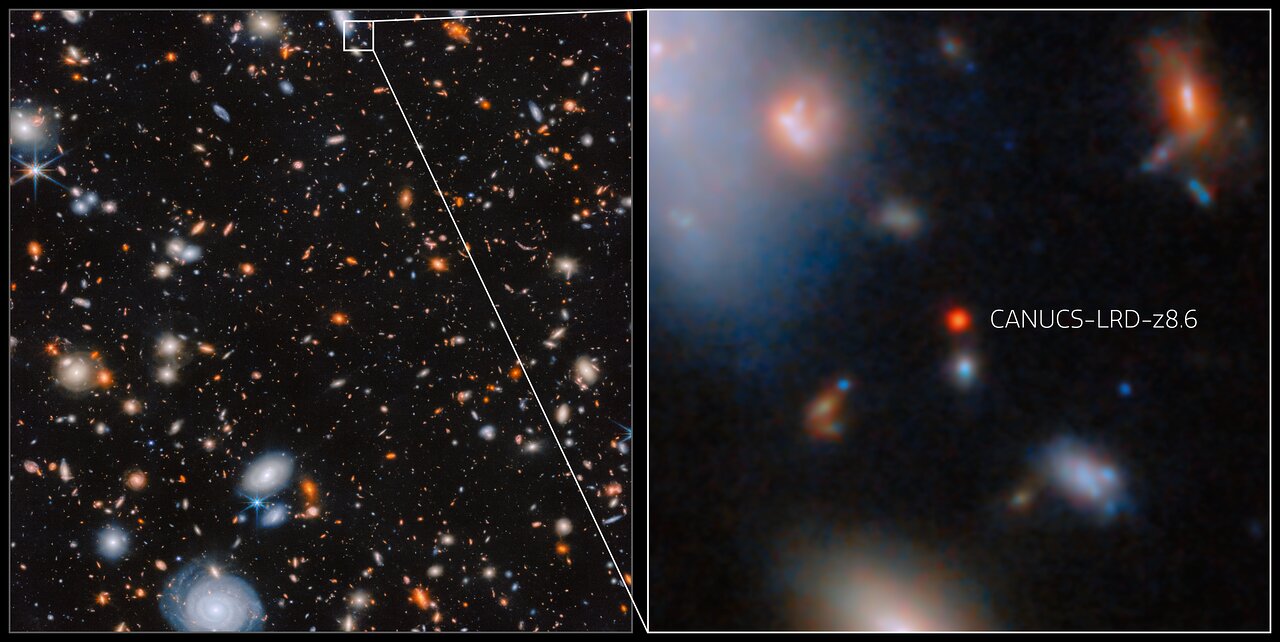
Catalogued EGS-z11-R0 contains carbon, multiple stellar generations and thick interstellar dust at a redshift of 11 — features that current cosmological models say should require a billion years or more to assemble.
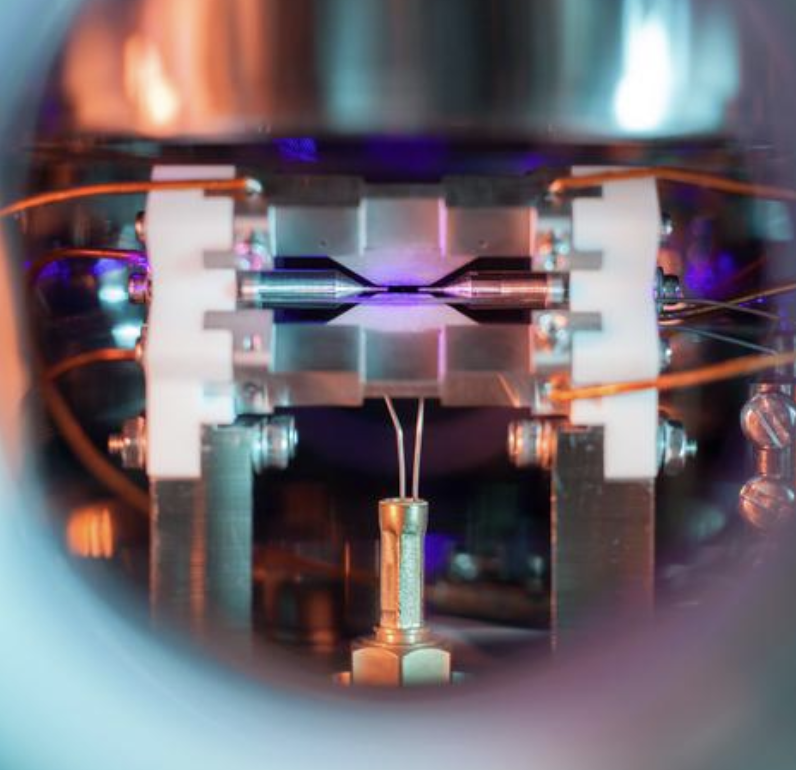
Using a single trapped ion and two precisely tuned, non-commuting laser drives, the team produced an interaction more than 100 times faster than conventional squeezing — and switchable between squeezing, trisqueezing and quadsqueezing in real time.

Magnons in superfluid helium-3 self-organized into a state that ticked for 108 cycles before a tiny mechanical membrane was used to read it out and tune its frequency — closing the gap between a theoretical curiosity and a real quantum component.
Quantum physics breakthrough shows that carefully timing magnetic field changes can unlock entirely new forms of matter with potentially revolutionary applications for quantum computing.
A team led by Kostya Trachenko says small shifts in fundamental constants would change the viscosity of water and blood enough to make complex biology unworkable.
Researchers use quantum system of fleeting light-matter particles to prove 40-year-old physics theory applies across wildly different processes.
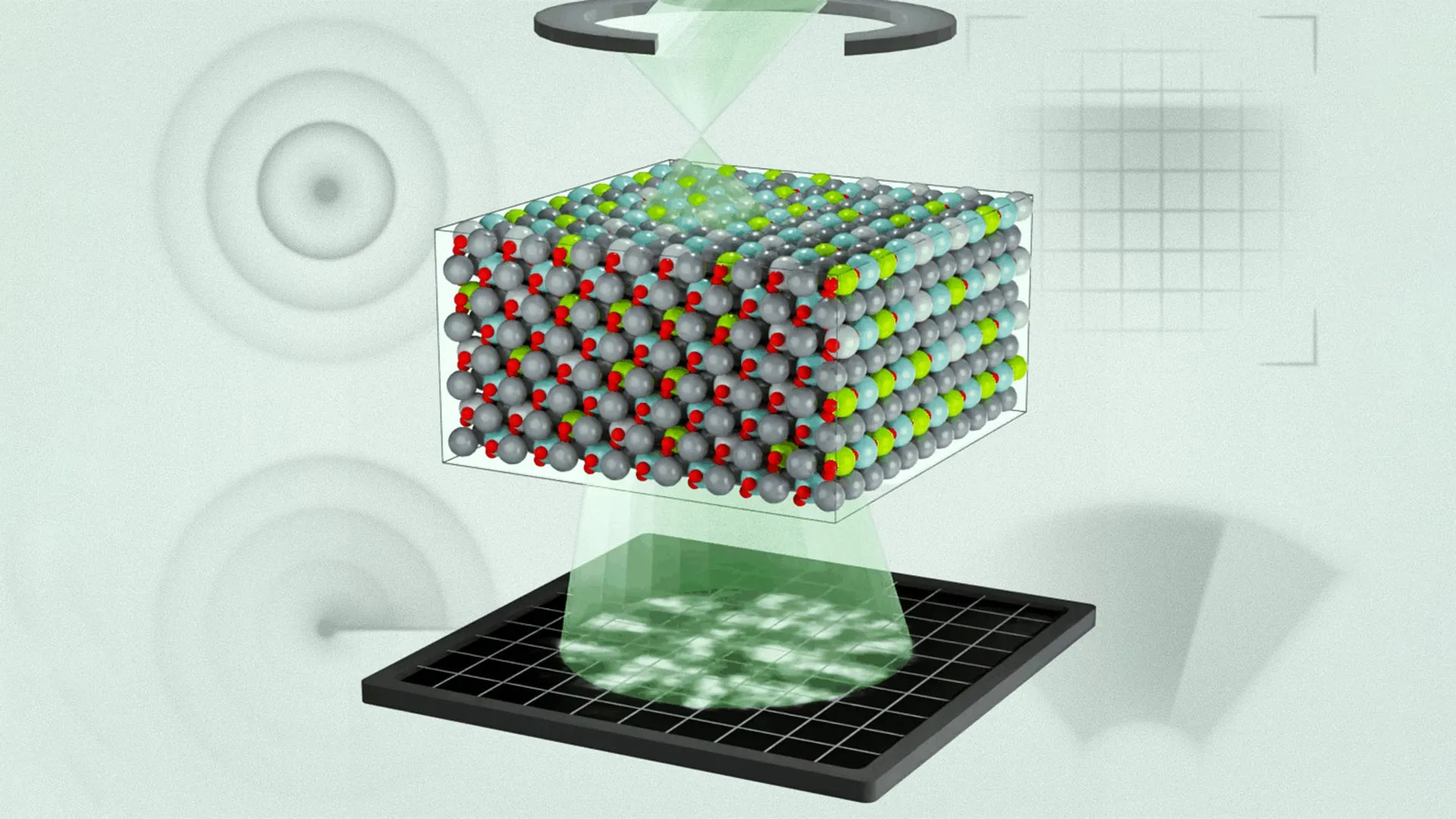
Three-dimensional atomic mapping reveals unexpected charge patterns in relaxor ferroelectrics used in ultrasound and sonar systems for decades.
Researchers used quantum light-matter particles to prove the Kardar-Parisi-Zhang theory works in two dimensions, strengthening ideas about hidden rules governing everything from crystals to living systems.
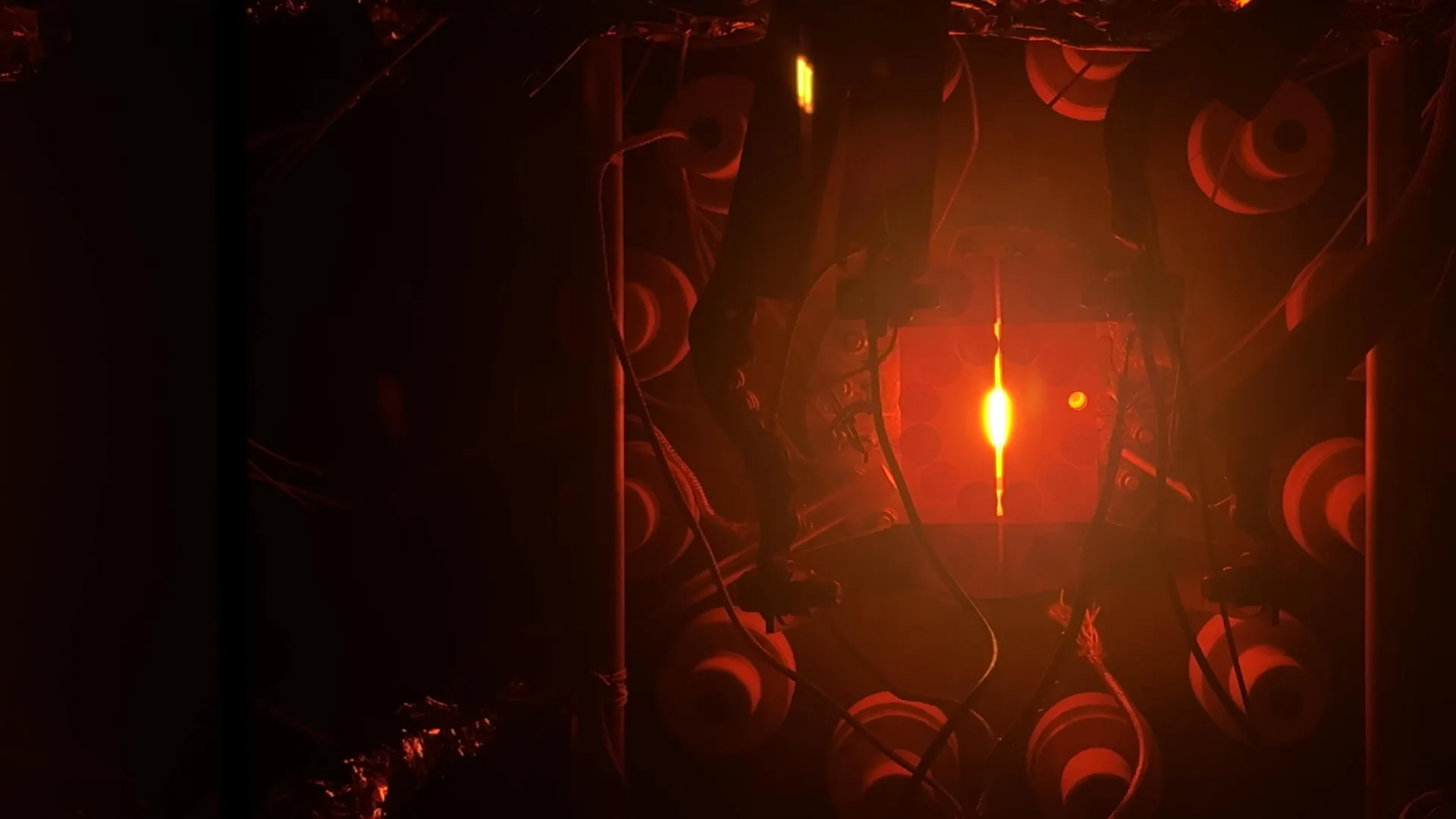
The experimental lithium-powered engine reached 120 kilowatts during testing at JPL, glowing hotter than molten lava and generating 25 times more power than current spacecraft thrusters.
A revolutionary electromagnetic engine reached record-breaking power levels at JPL, firing hotter than molten lava while demonstrating technology that could transform space travel.
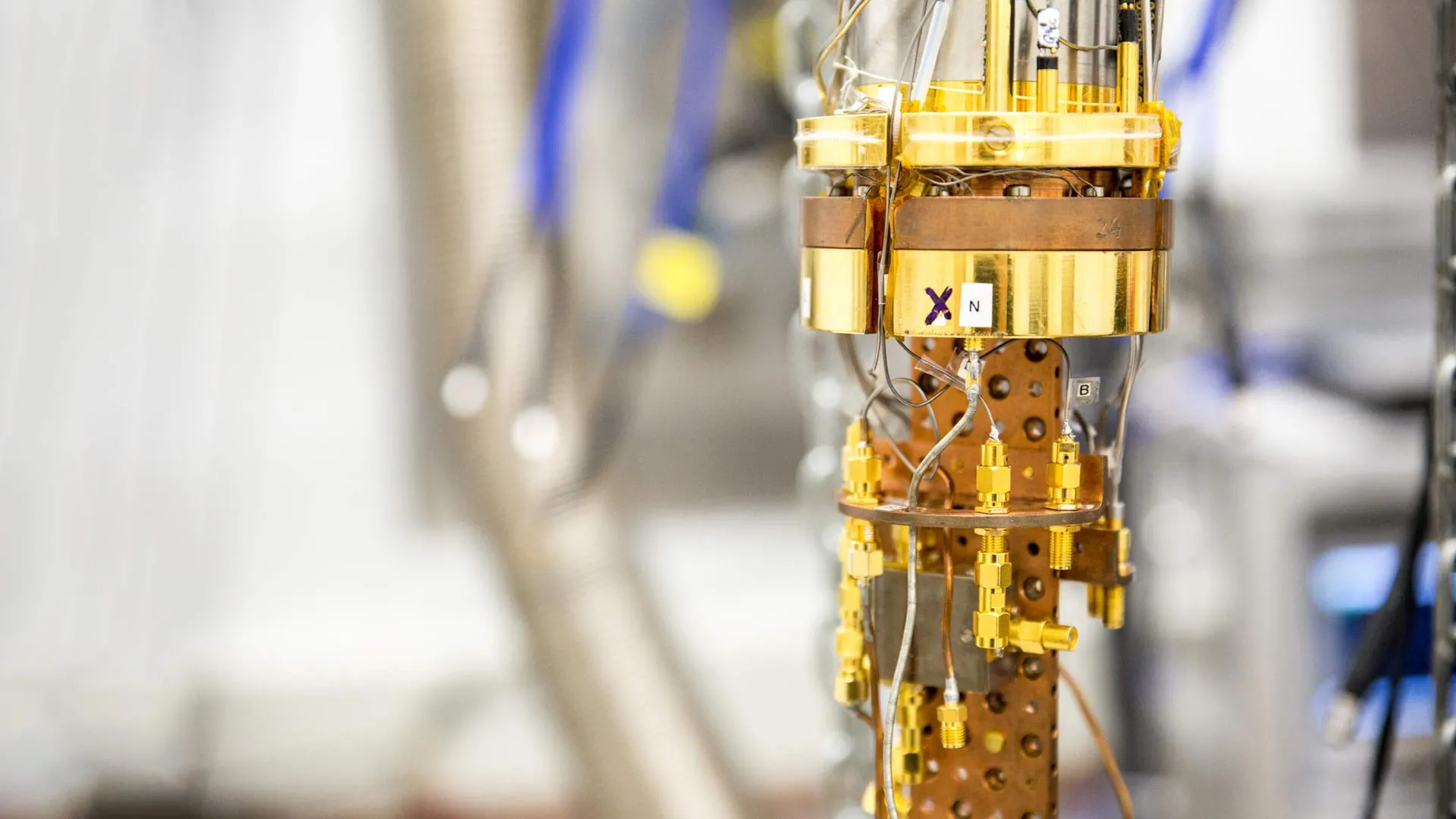
Researchers have successfully linked a time crystal to an external mechanical system for the first time, opening doors to revolutionary quantum technologies including ultra-precise sensors and advanced computing systems.

Scientists capture the split-second chaos when intense laser flashes blast matter into superheated plasma, tracking how copper atoms lose and regain electrons in unprecedented detail.
Relaxor ferroelectrics power ultrasounds and sonar for decades, but their atomic structure remained unknown until breakthrough 3D mapping.
Researchers at Aalto University successfully linked a time crystal to an external mechanical oscillator, opening doors to revolutionary quantum technologies and ultra-precise sensors.

New research suggests that spontaneous quantum collapse processes could introduce tiny uncertainties into time's fabric, setting fundamental limits on clock precision.
Researchers successfully link perpetually moving quantum system to external oscillator, opening door to practical applications in sensors and quantum memory.
Cal Poly researchers discover that carefully timed magnetic field changes can generate quantum states impossible under normal conditions, potentially revolutionizing quantum technology stability.
New research reveals that quantum collapse processes linked to gravity may create fundamental limits on time's precision, opening new paths to unify physics.
Scientists capture split-second ionization process as copper wire transforms into million-degree plasma, advancing laser fusion diagnostics.
Breakthrough quantum physics research reveals entirely new forms of matter that don't exist under normal conditions, potentially revolutionizing quantum computing.
Breakthrough imaging reveals three-dimensional structure of relaxor ferroelectrics, materials that power ultrasound machines and sonar systems worldwide.

Direct imaging by the James Webb Space Telescope of a 7.6-Jupiter-mass world 12 light-years away revealed thick patchy clouds of water ice and far less ammonia than predicted, forcing astronomers to revisit decades-old atmospheric models.

Using a single trapped ion and two non-commuting forces, the Oxford team generated a fourth-order squeezed state more than 100 times faster than conventional methods — a demonstration that promises to make exotic quantum behaviors usable in real machines.
Researchers finally reveal the three-dimensional structure of relaxor ferroelectrics, materials that power ultrasound machines and sonar systems worldwide.

International team achieves first-ever quantum teleportation between separate quantum dots, marking crucial milestone toward quantum internet development.
Breakthrough mapping of relaxor ferroelectrics challenges decades of assumptions and opens path to better-designed devices.