Scientists Build a Light-Powered Chip That Generates, Steers and Reads Information in One Device
A Monash University team unveiled the first integrated 'valleytronics' circuit, using atom-thin materials to manipulate a quantum property of light and clear a long-standing bottleneck toward faster, lower-energy computing.
Researchers have built a tiny chip that can generate, steer and read information carried by light, all within a single integrated device — a feat scientists say clears a major obstacle on the road to ultrafast, energy-efficient computing. The work, led by a team at Monash University and published in Nature Photonics in May 2026, marks a milestone for an emerging field known as valleytronics.
Valleytronics takes its name from the "valleys" in the energy landscape of certain materials — distinct states that electrons or light can occupy. By encoding information in this "valley" degree of freedom rather than in conventional electrical charge, researchers hope to build devices that move and process data using light, which can travel faster and dissipate less heat than electrons coursing through silicon. Until now, scientists could either generate or detect these valley-based light signals, but not perform every step on one chip.
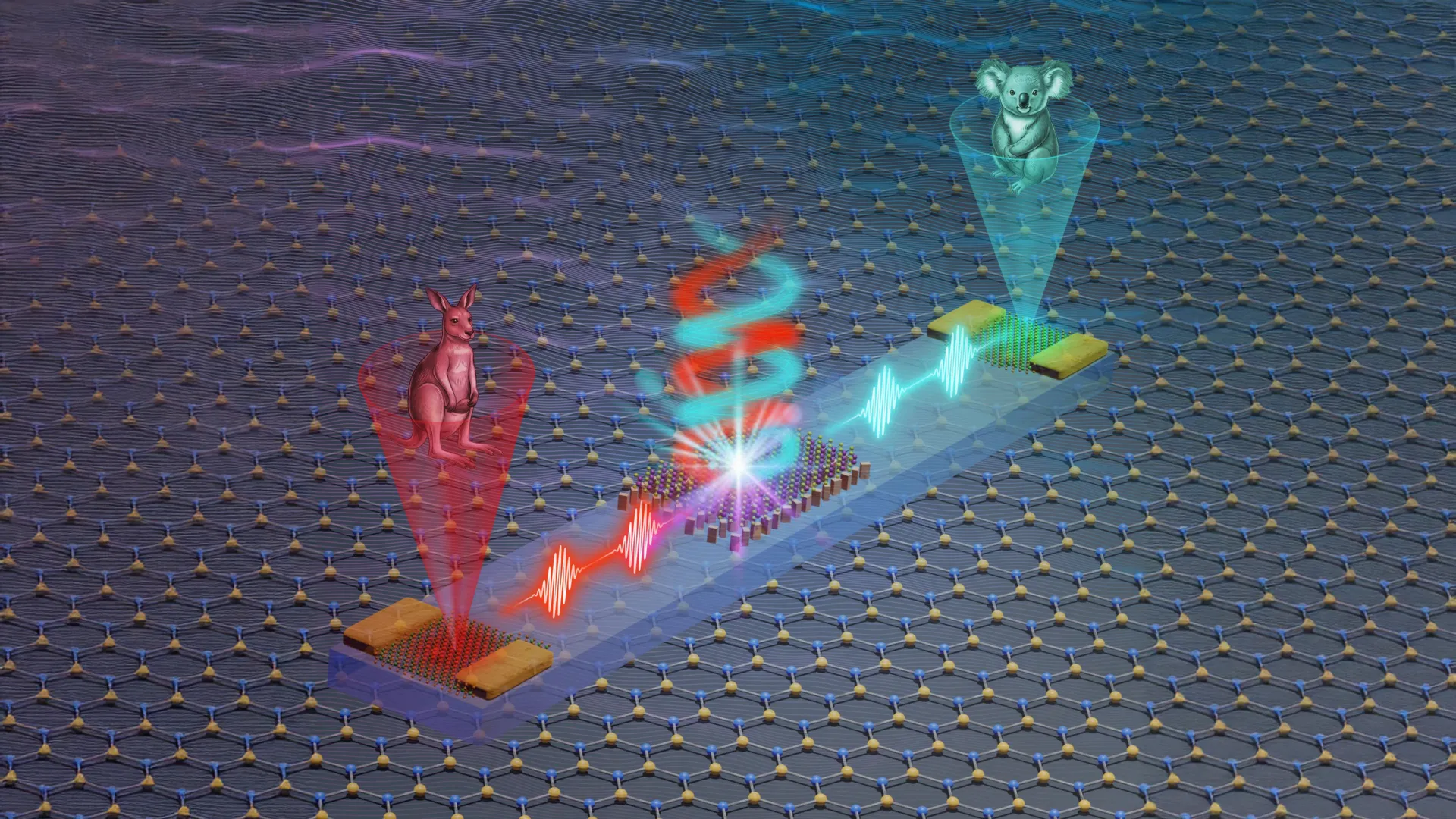
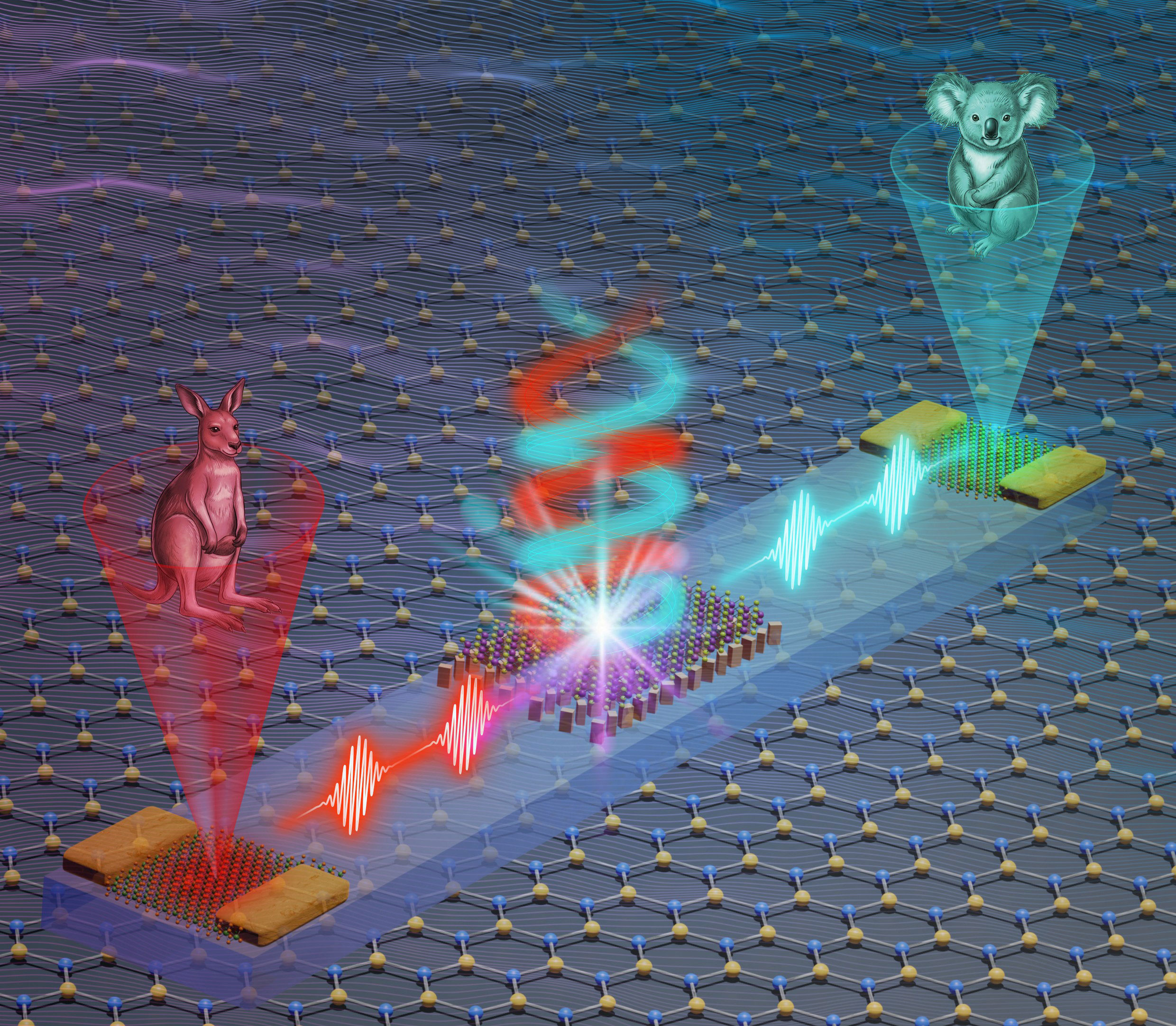
To pull it off, the Monash team combined ultra-thin quantum materials — sheets just a few atoms thick — with specially engineered "metasurfaces," nanoscale structures that can bend and manipulate light with extraordinary precision at scales far smaller than the wavelength of visible light itself. The result is a complete on-chip system that can create the light-based signal, route it through the device, and read it out with high accuracy, integrating functions that previously required separate, bulky components.
The breakthrough matters because the computing industry is bumping against the physical limits of traditional electronics. As transistors shrink and chips run hotter, the energy cost of shuttling data around has become a dominant constraint on performance. Photonic approaches that carry information with light promise to sidestep some of those limits, and valleytronics adds another dimension of control by giving each light signal an additional, switchable property to carry data.
The researchers caution that the device is a proof of concept rather than a commercial processor, and substantial work remains to scale it and integrate it with existing technology. Even so, by demonstrating that the full cycle of generating, directing and reading valley-encoded light can be accomplished on a single chip, the team has resolved a bottleneck that had long stood between valleytronics and practical use — and offered a concrete glimpse of how future computers and quantum devices might compute with light instead of electricity.