Massive 3D Map of 47 Million Galaxies Could Finally Unlock Dark Energy's Mysteries
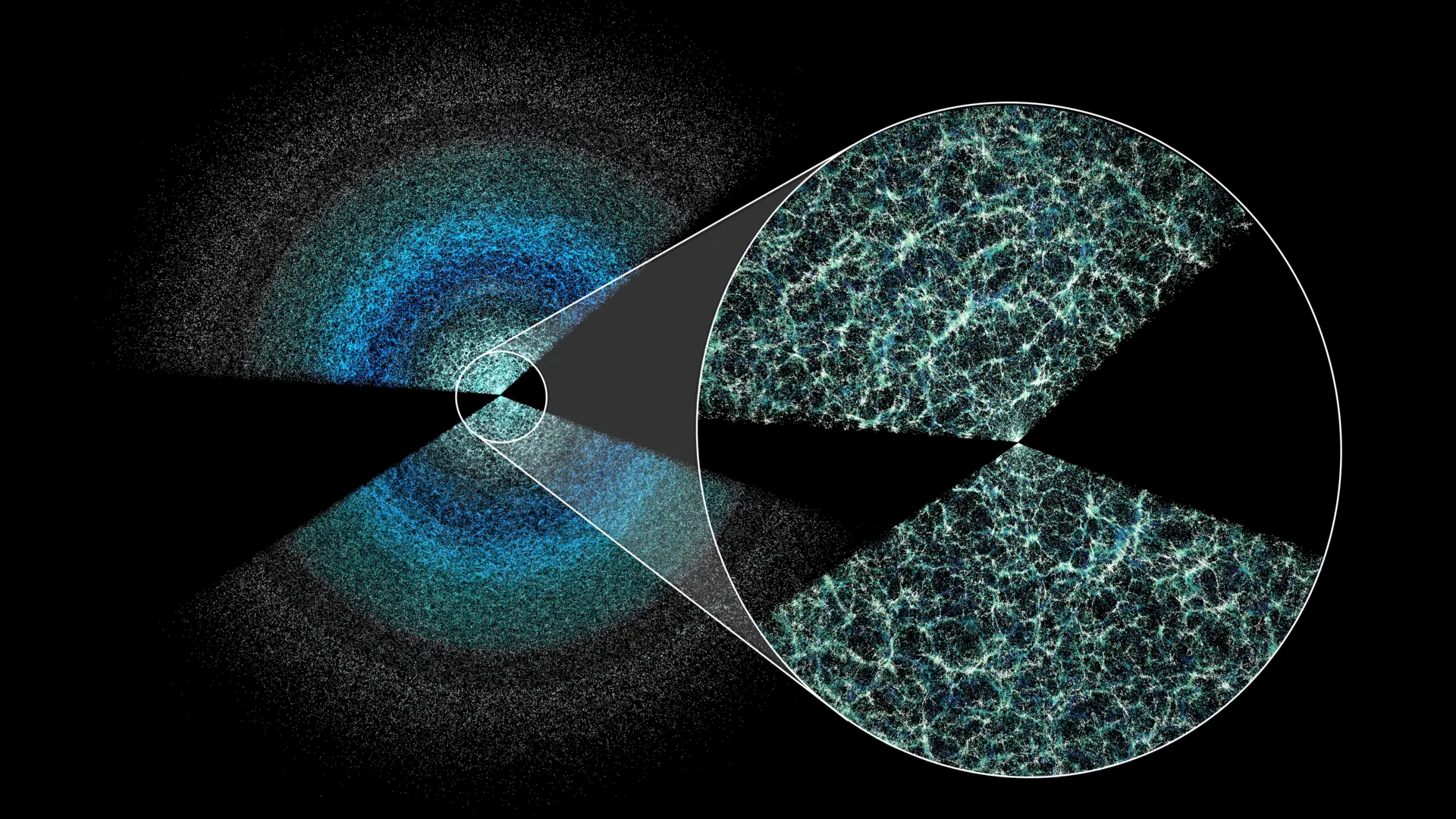
The Dark Energy Spectroscopic Instrument collaboration completed the largest high-resolution cosmic map ever created, ahead of schedule despite wildfire disruptions.
The physics desk
Physics from the quantum to the cosmos: particle physics, quantum computing, astrophysics, cosmology and the discoveries that change what is possible.

The Dark Energy Spectroscopic Instrument collaboration completed the largest high-resolution cosmic map ever created, ahead of schedule despite wildfire disruptions.

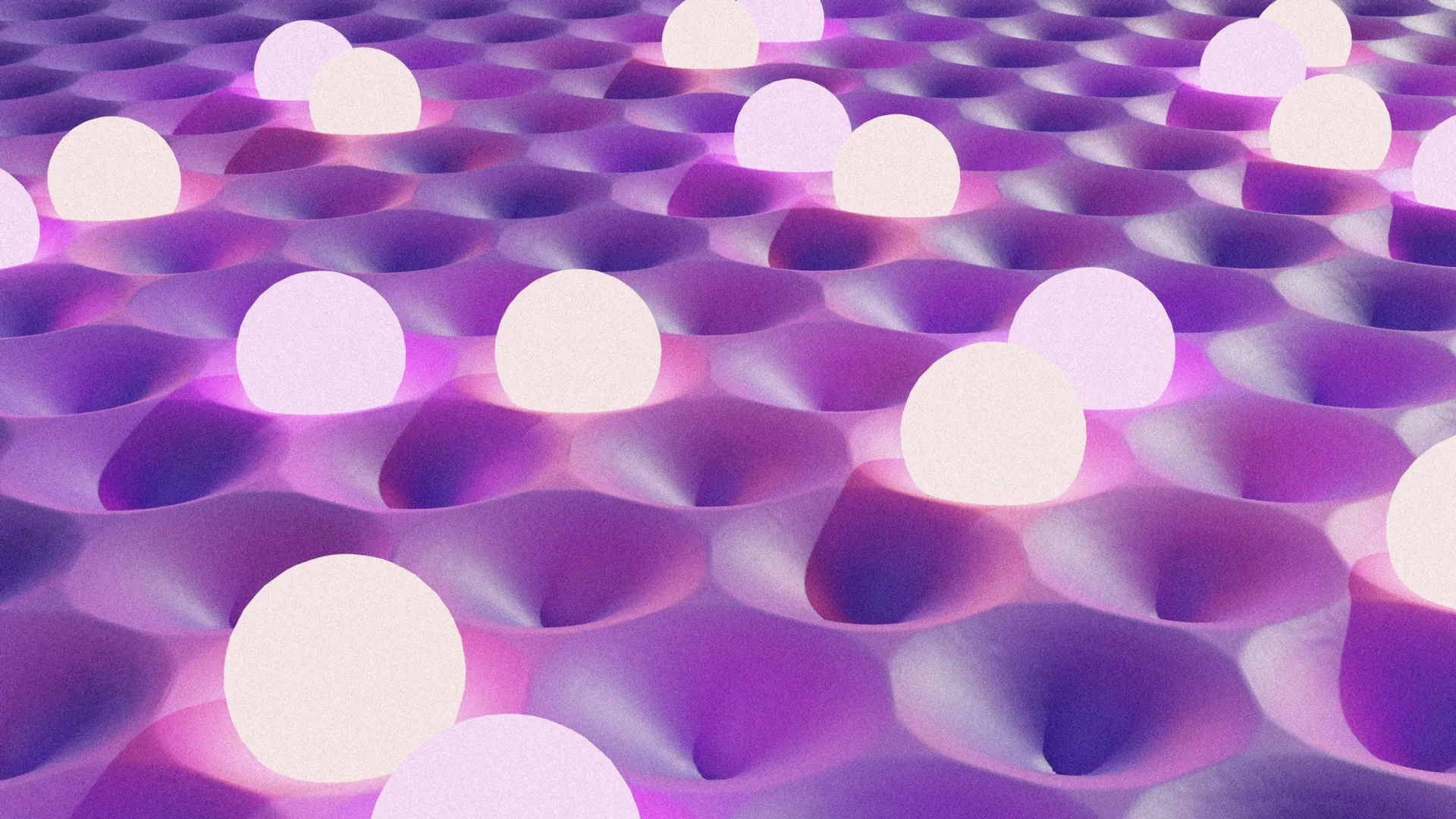
A study in Physical Review Letters shows that paired particles in a near-absolute-zero gas move in coordinated patterns the BCS theory never predicted, opening a path to room-temperature superconductors.

Hai-Bo Yu's model of dense, million-solar-mass dark-matter clumps explains anomalies in gravitational lensing, stellar streams, and satellite galaxies that have stumped the standard cold dark matter picture.

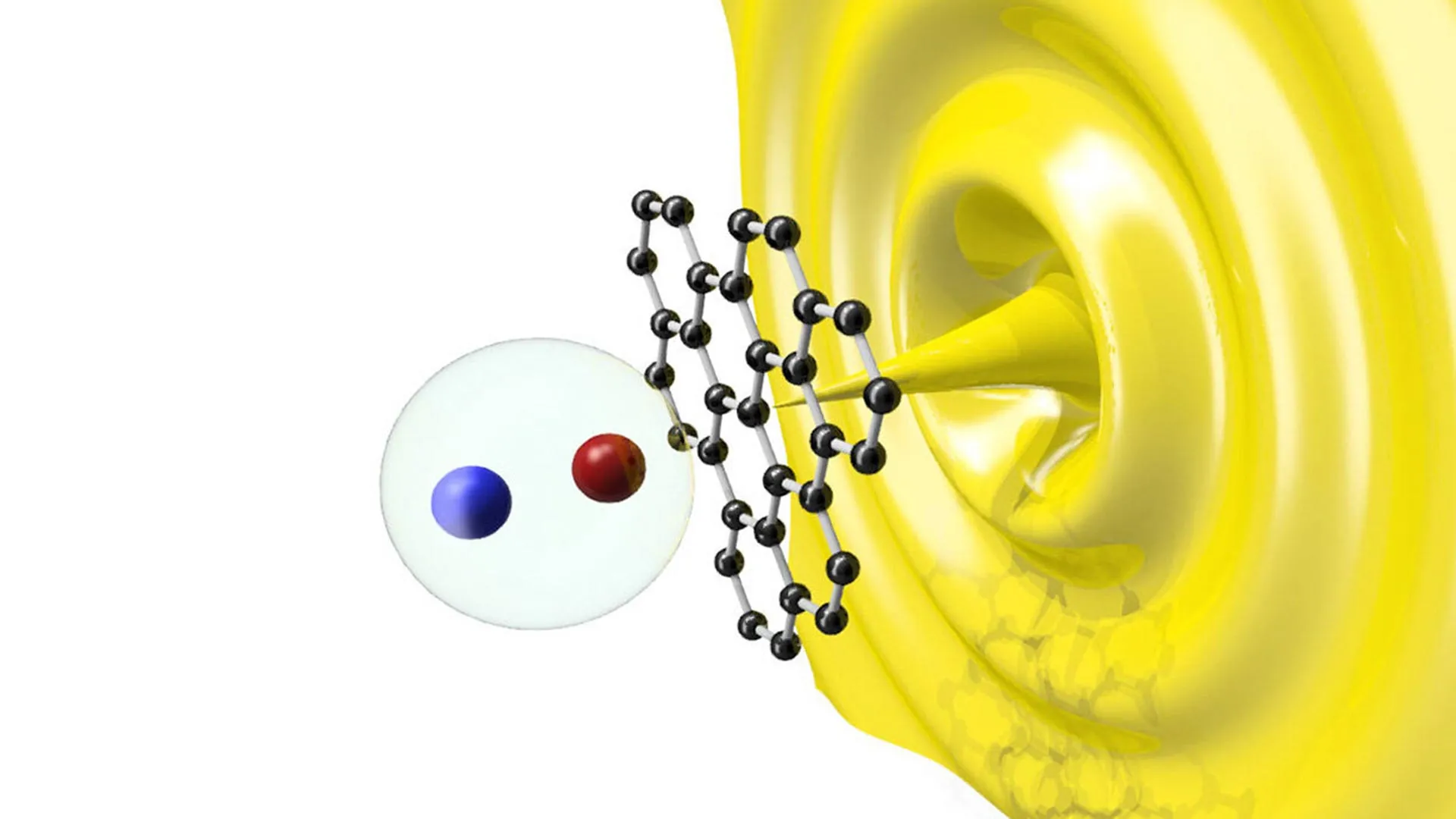
Researchers capture wave-particle duality in positronium, strengthening quantum mechanics while opening new antimatter research possibilities.

Breakthrough imaging reveals paired electrons move in synchronized patterns never predicted by Nobel Prize-winning BCS theory.

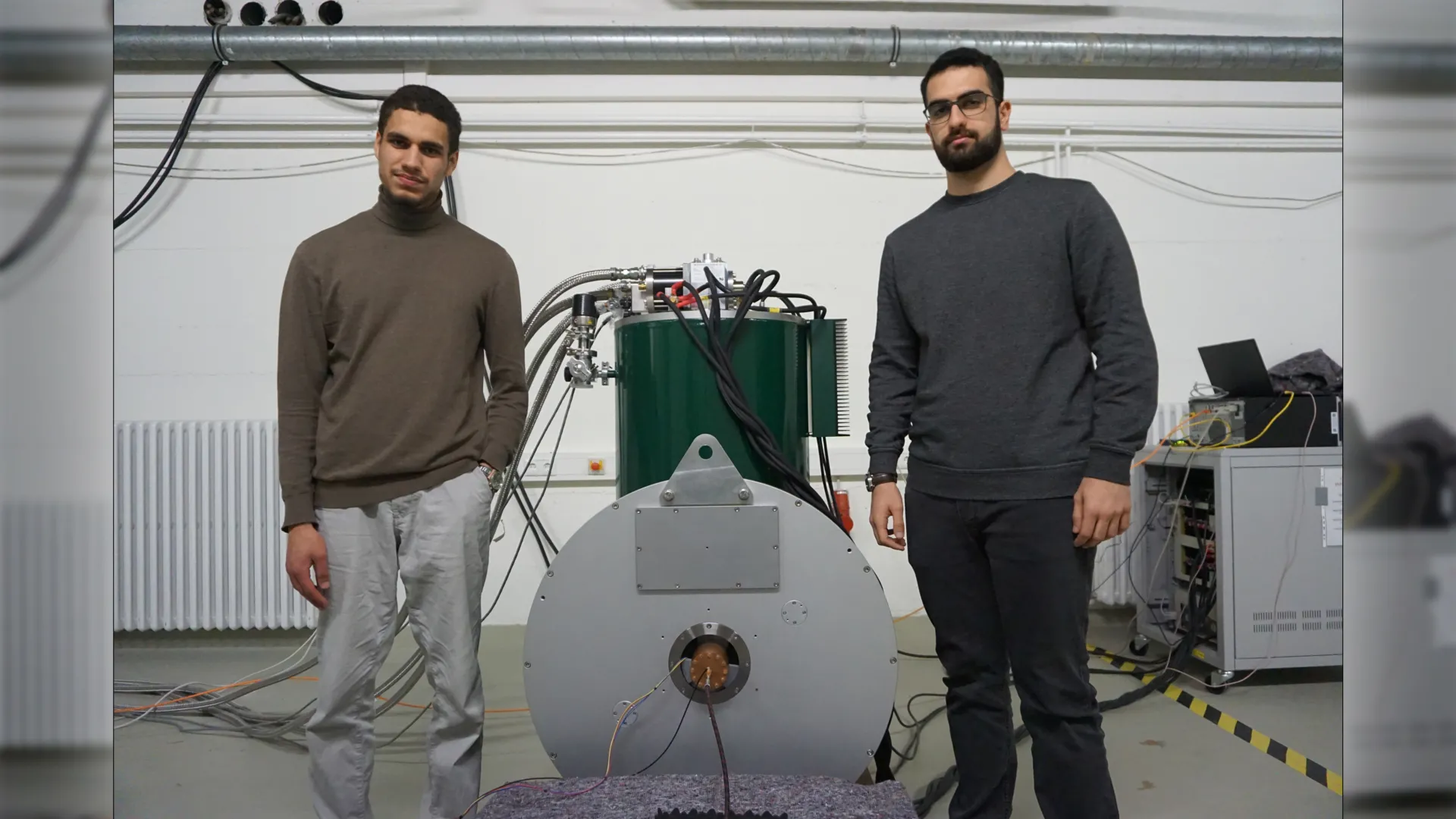
Undergraduate researchers from Hamburg University constructed their own dark matter detector and used it to search for axions, establishing new experimental limits despite working with limited resources.

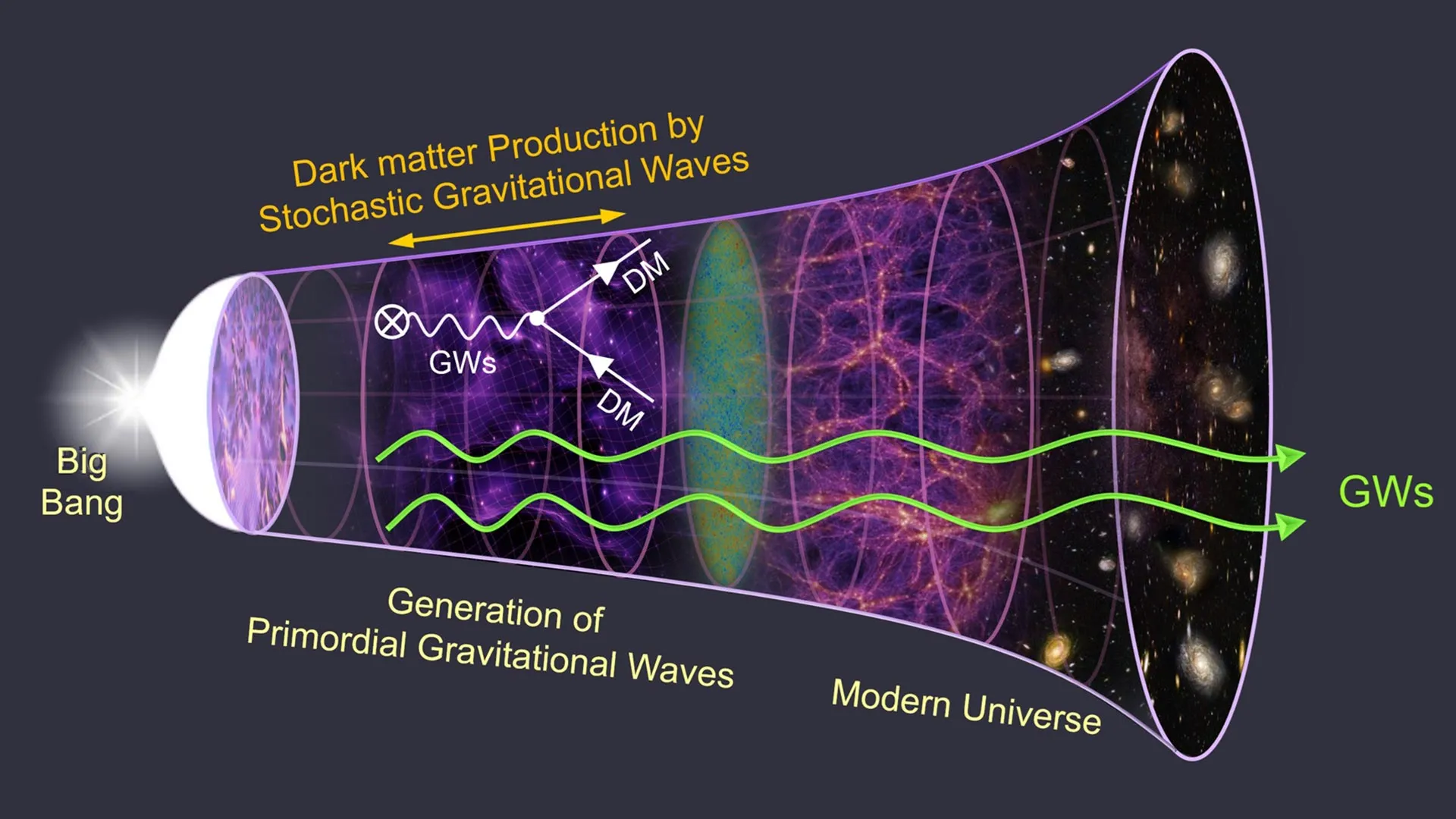
New research suggests ancient ripples in spacetime could have transformed into the invisible particles that shape galaxies today.

Scientists completed the largest high-resolution 3D map of the universe ever created, gathering unprecedented data that hints dark energy may behave in unexpected ways.

Breakthrough experiment reveals synchronized movement between electron pairs, challenging 70-year-old Nobel Prize-winning theory of superconductivity.

Breakthrough imaging reveals synchronized behavior of particle pairs that was never predicted by 70-year-old Nobel Prize-winning theory.

New research suggests ancient ripples in spacetime could have transformed into particles that became the invisible substance shaping galaxies today.

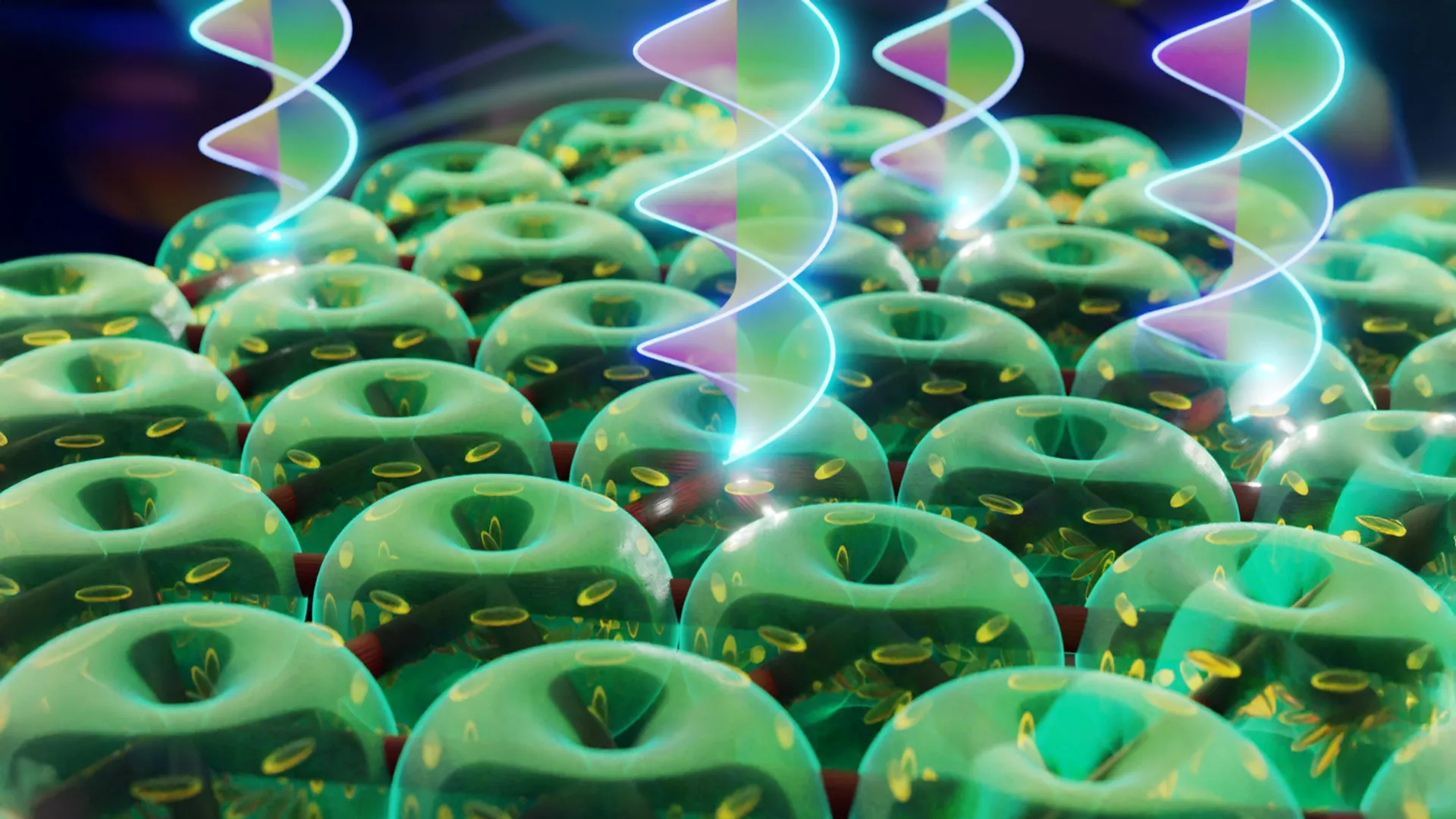
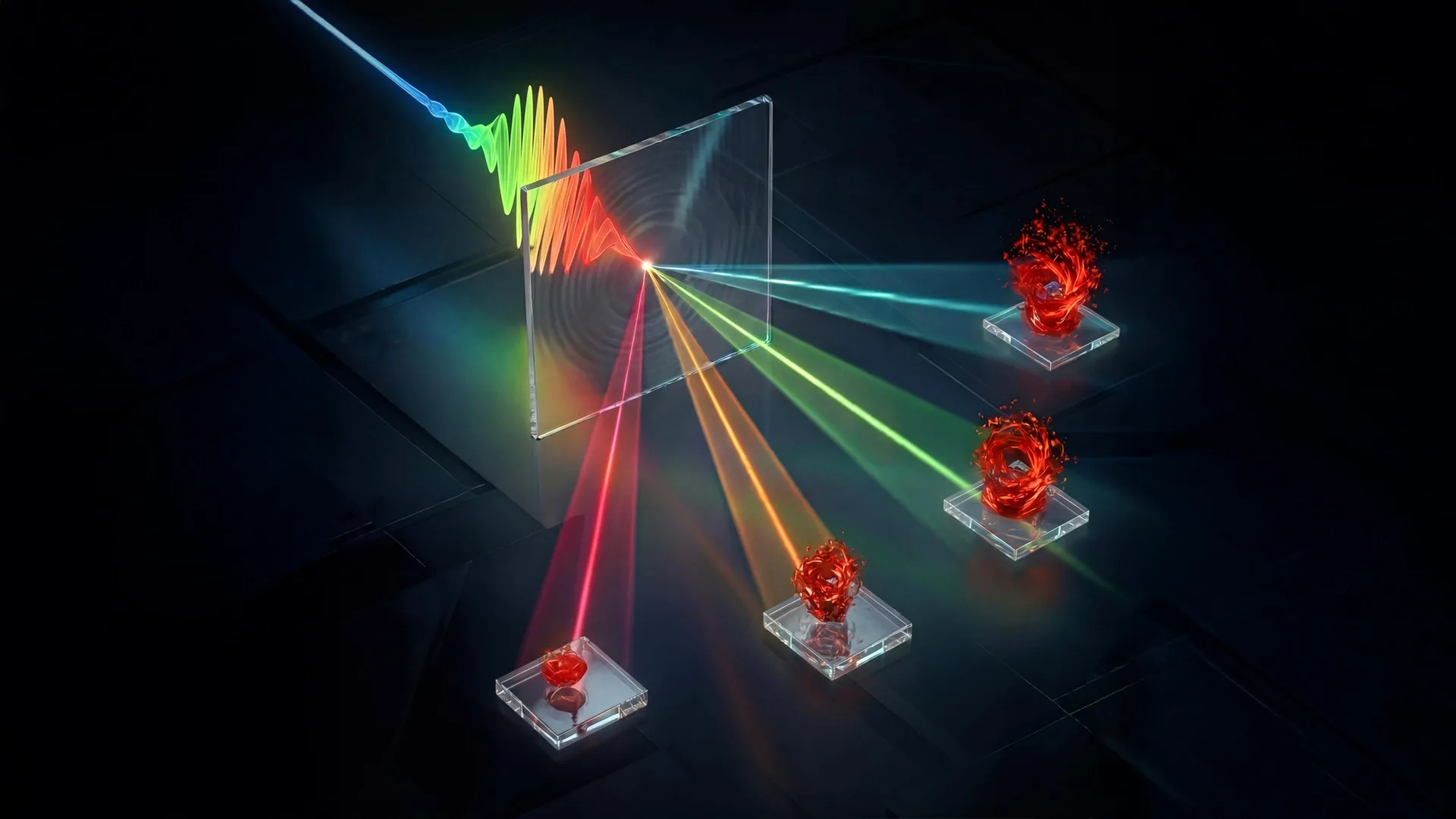
New method produces swirling beams of light that twist like miniature whirlwinds, potentially transforming quantum communication and photonic devices.

New research suggests ancient ripples in spacetime could have transformed into particles that became the invisible substance shaping galaxies today.

Researchers achieve swirling light beams that twist like miniature whirlwinds, potentially revolutionizing quantum communication and photonic devices.

Breakthrough allows light to spiral like whirlwinds in its lowest-energy state, potentially transforming quantum communication and photonic devices.

Researchers discover that spacetime ripples from the Big Bang may have transformed into particles that became the invisible substance shaping galaxies today.

Scientists create swirling beams of light using simple liquid crystals instead of complex nanotechnology, achieving breakthrough in photonic device development.

Revolutionary technique uses self-organizing torons to trap and manipulate light in spiral patterns, opening new frontiers for quantum communication.

Researchers achieve swirling light beams with complex polarization patterns using self-organizing structures called torons, potentially revolutionizing quantum communication devices.

Breakthrough experiment reveals evidence of strange new matter state where fleeting particles get trapped inside atomic nuclei, potentially solving fundamental questions about how particles acquire mass.

Neural network reveals hidden forces with 99% accuracy, potentially overturning fundamental assumptions about particle interactions.

Cerium magnesium hexalluminate fooled scientists with quantum spin liquid signatures, but uncovered exotic magnetic behavior instead.

Scientists combine neural networks with dusty plasma experiments to reveal non-reciprocal forces and overturn long-held assumptions about particle interactions.

New femtosecond imaging technique reveals both brightness and structural changes in ultrafast phenomena, opening doors to understanding fundamental processes in physics and biology.

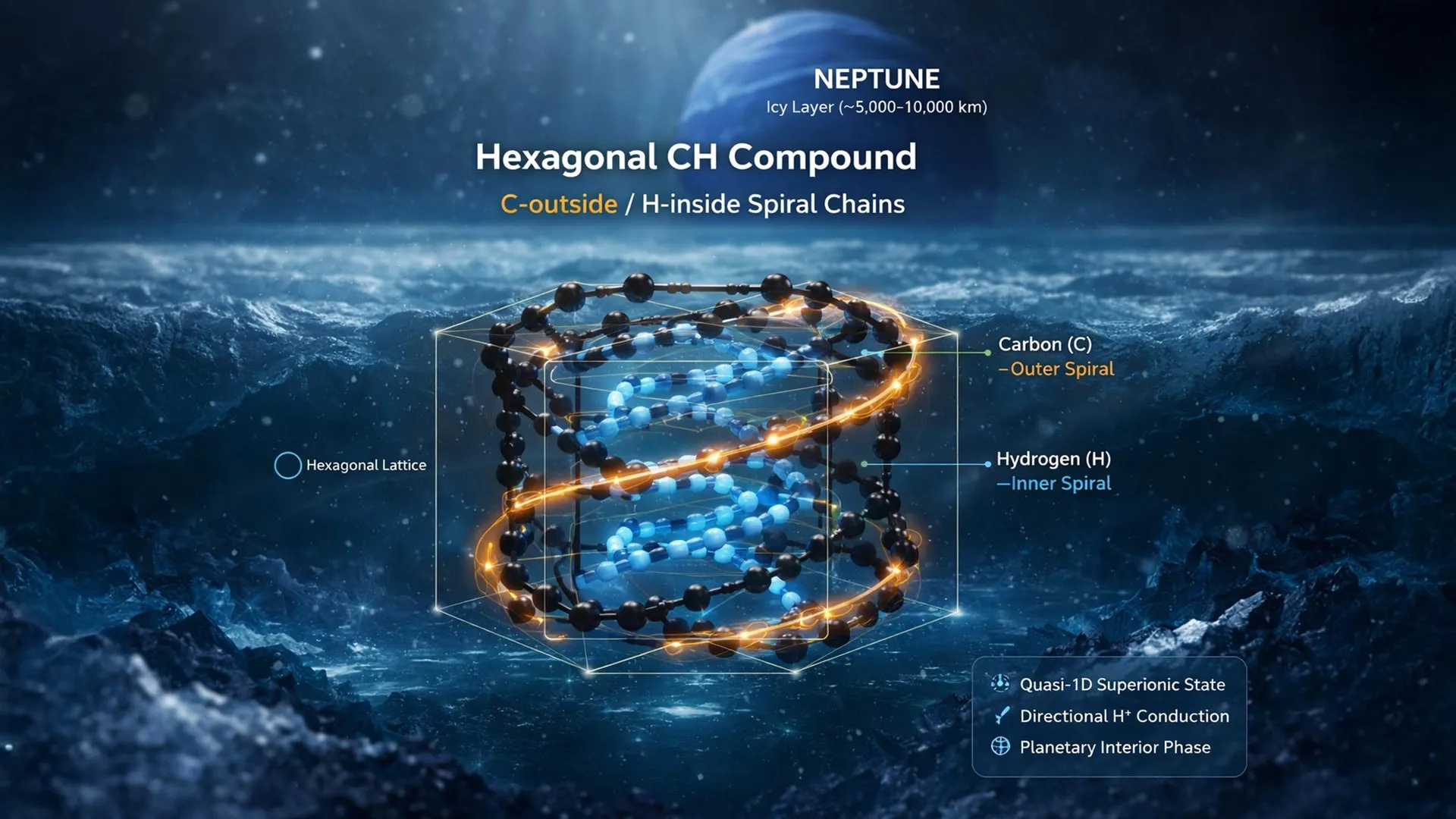
Advanced simulations reveal carbon and hydrogen can form a strange hybrid phase under crushing pressures inside Uranus and Neptune, potentially explaining their mysterious magnetic fields.

Physicists achieve breakthrough in using artificial intelligence to uncover entirely new laws of nature, revealing complex particle interactions with 99% accuracy.

Revolutionary imaging system reveals structural changes invisible to previous methods, enabling scientists to watch plasma formation and electron movement in real time.

Machine learning breakthrough reveals hidden particle interaction laws with 99% accuracy, overturning long-held scientific assumptions about non-reciprocal forces.

Specially designed neural network reveals hidden patterns in dusty plasma with over 99% accuracy, overturning scientific assumptions.

Cerium magnesium hexalluminate fooled researchers into thinking it hosted exotic quantum states, but closer inspection revealed an entirely different and equally fascinating phenomenon.