Fermi Telescope Catches First Gamma-Ray Signal From a 'Monster' Supernova, Pointing to a Magnetar
Nearly two decades of NASA data revealed that a rapidly spinning magnetar powered superluminous supernova SN 2017egm, helping settle a long debate over what drives the universe's brightest stellar explosions.

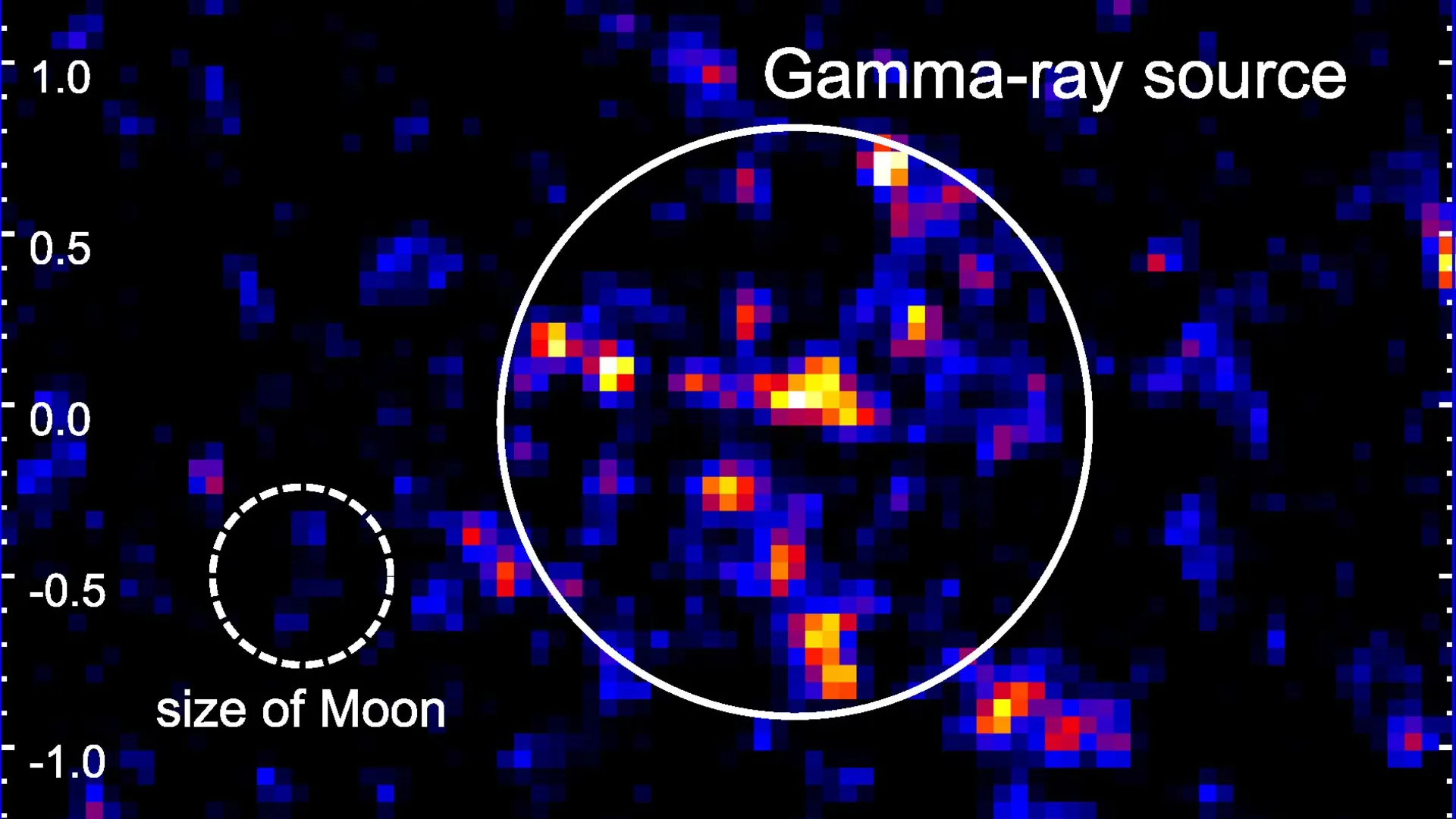
NASA's Fermi Gamma-ray Space Telescope has detected the first confirmed gamma-ray signal from a superluminous supernova, offering direct evidence that a rapidly spinning, intensely magnetized neutron star — a magnetar — powers some of the brightest stellar explosions in the cosmos.
The explosion, designated SN 2017egm, occurred in the galaxy NGC 3191 in the constellation Ursa Major, about 440 million light-years from Earth, making it one of the closest superluminous supernovae ever observed. Such events can shine tens of times brighter than ordinary supernovae, and astronomers have long debated what supplies the extra energy.
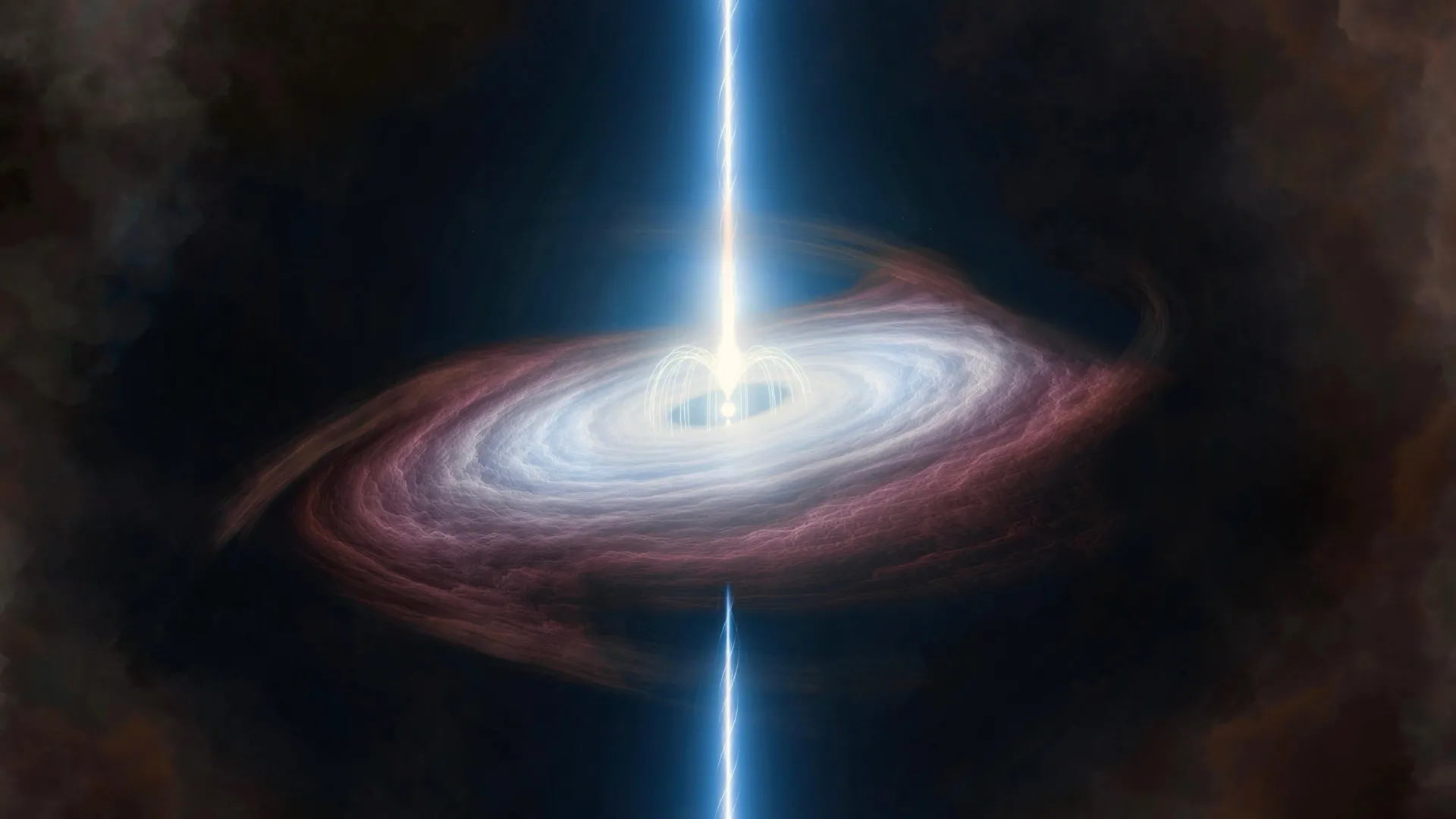
The new analysis points squarely at a magnetar. These exotic neutron stars wield magnetic fields up to a thousand times stronger than ordinary neutron stars — roughly 10 trillion times more powerful than a refrigerator magnet — and the newborn object in SN 2017egm spins several hundred times per second. That furious rotation drives a wind of electrons and positrons, inflating a magnetar wind nebula whose energy ultimately lights up the explosion. The telltale gamma rays escaped roughly three months after the star's core collapsed, as the surrounding debris expanded and thinned enough to let them through.
The result was hard-won. "For nearly 20 years, astronomers have searched Fermi data for gamma-ray signals from thousands of supernovae, and while a few intriguing hints have been reported, none were definitive until now," said lead author Fabio Acero of France's National Centre for Scientific Research and the University of Paris-Saclay. The detection required combing through almost two decades of accumulated observations.
The study, published in the journal Astronomy & Astrophysics, drew on an international team that included Guillem Martí-Devesa of the Institute of Space Sciences in Barcelona, Indrek Vurm of the University of Tartu in Estonia, and Brian Metzger of Columbia University. Together they pieced together how the magnetar's output could account for both the supernova's extreme brightness and the faint gamma-ray glow that followed.
Magnetars are already among the strangest objects known to physics, blamed for fleeting bursts of X-rays and gamma rays and, more recently, implicated in some fast radio bursts. Tying one directly to a superluminous supernova helps connect the violent birth of these remnants to the extraordinary luminosity of the explosions that forge them, and hands theorists a concrete case against which to test models of how a spinning, intensely magnetized core dumps its energy into the expanding stellar debris.
Astronomers expect the discovery to open a new observational window on these rare blasts. The forthcoming Cherenkov Telescope Array Observatory should be able to detect similar superluminous supernovae out to about 500 million light-years with roughly 50 hours of observation, potentially turning a single landmark detection into a population that can be studied systematically.