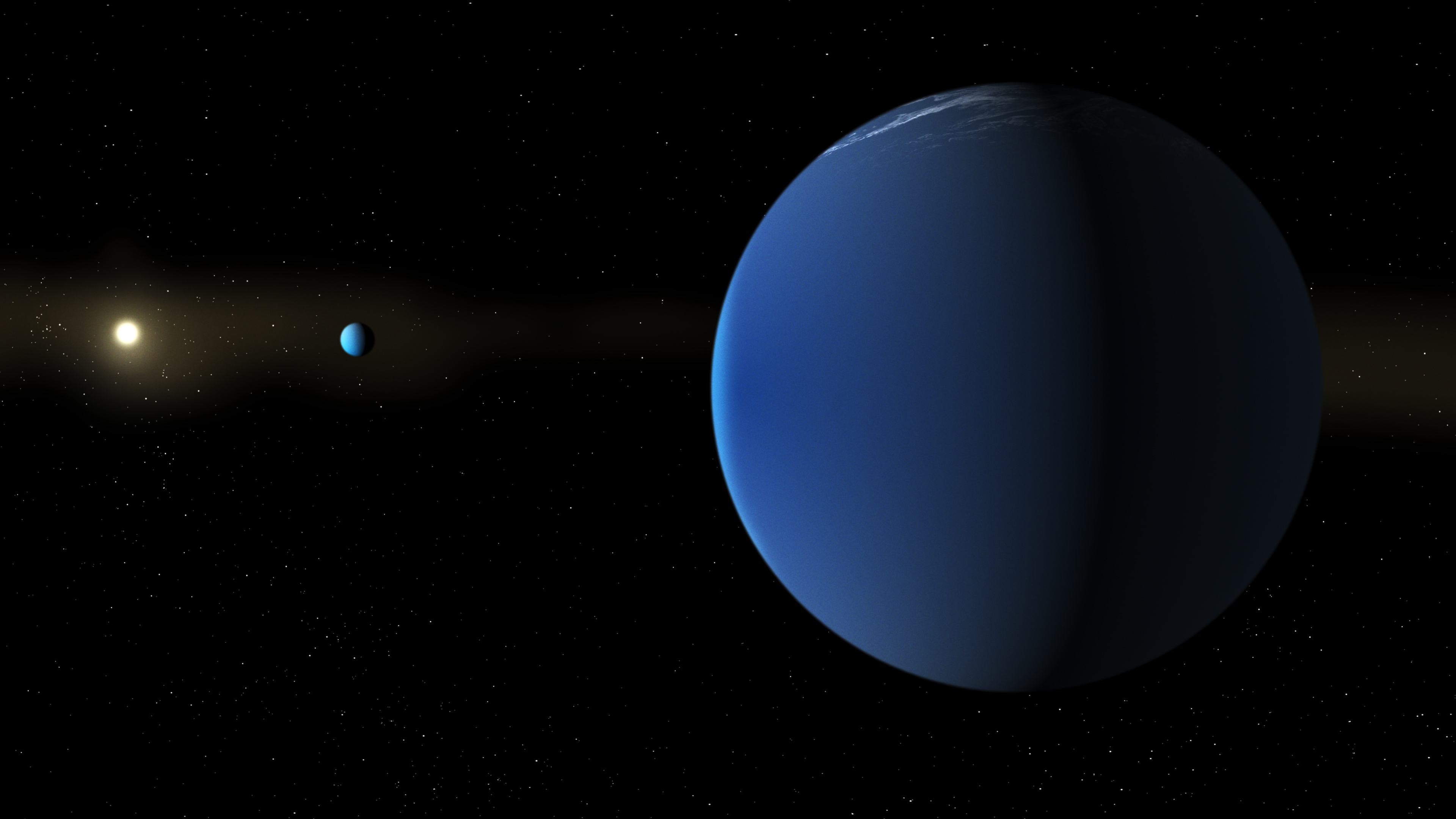
Astronomers Find Strongest Evidence Yet of Magnetic Fields on Planets Beyond Our Solar System
By clocking the winds of seven scorching 'hot Jupiters,' researchers inferred planet-wide magnetic fields up to four times stronger than Saturn's.
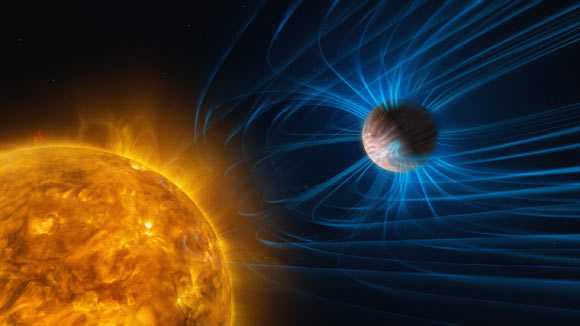
Astronomers have uncovered the clearest evidence yet that planets orbiting other stars possess their own magnetic fields, a long-sought milestone that could reshape how scientists understand worlds far beyond our solar system. The findings, published June 2 in the journal Nature Astronomy, rest on a clever reading of the ferocious winds whipping around seven scorching, Jupiter-sized exoplanets.
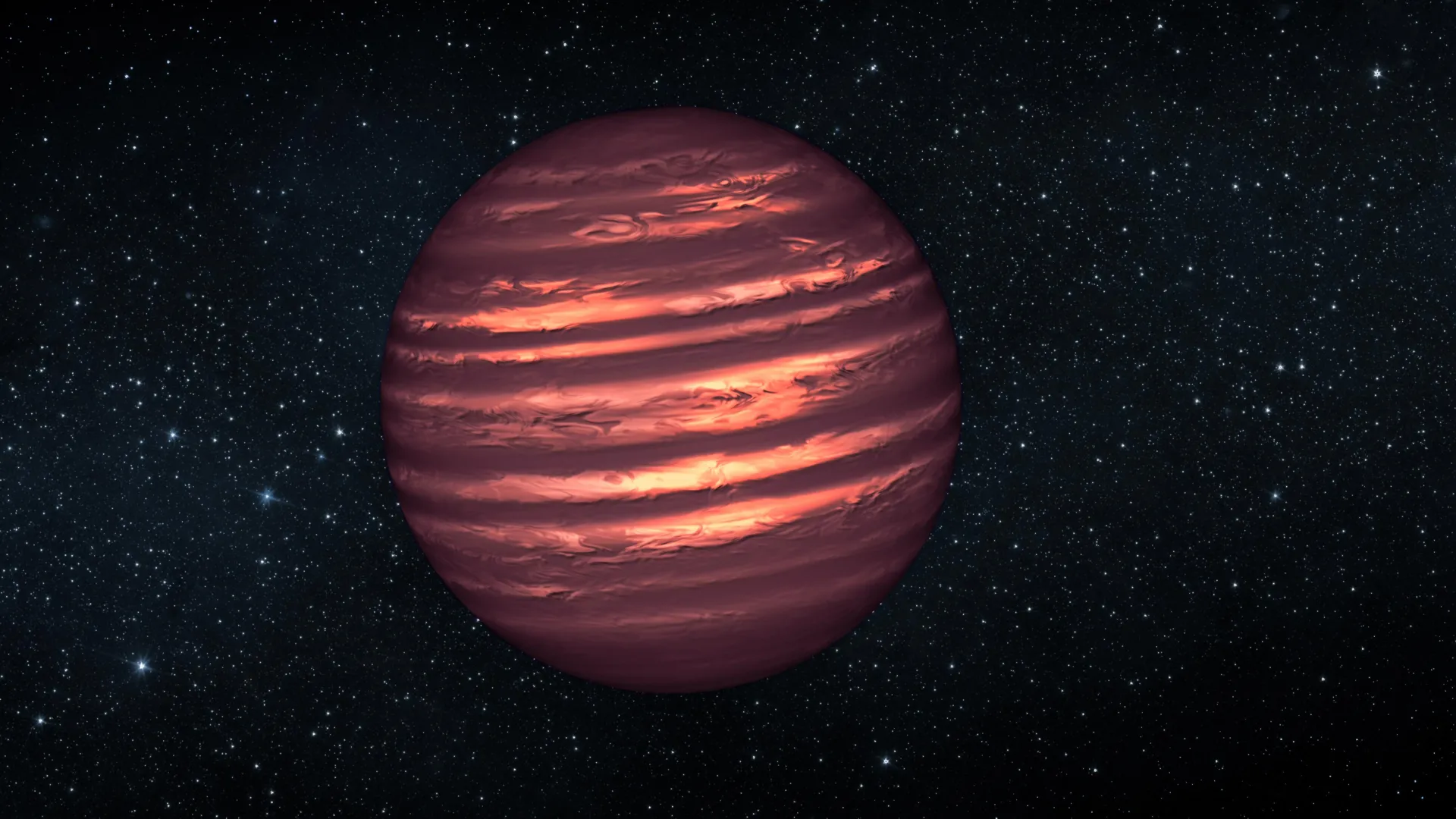
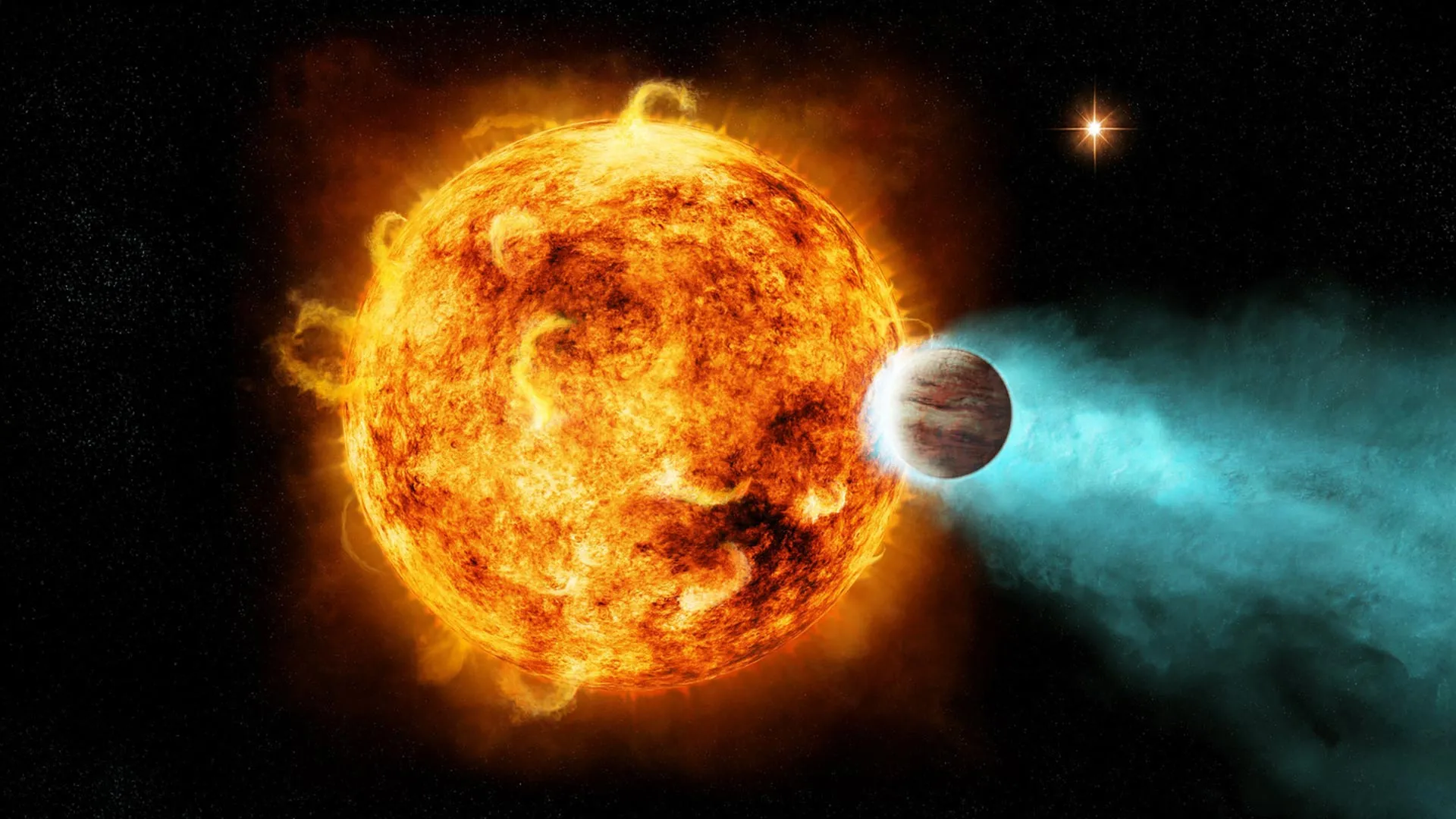
For roughly 15 years, researchers have tried and failed to directly measure the magnetic strength of exoplanets. Magnetic fields are largely invisible, and the planets themselves are drowned out by the glare of their host stars. The new study sidesteps that problem by treating each planet's atmosphere as a giant probe, inferring the unseen magnetism from the way air moves across the searing day-and-night divide of these so-called "hot Jupiters."
Using the European Southern Observatory's Very Large Telescope in Chile and the Gemini North telescope in Hawaii, the team measured wind speeds on the seven planets, where gusts can exceed 15,000 miles per hour. They expected the hottest worlds to show the fastest winds. Instead, they found the opposite: winds blew more slowly on the hotter planets, a counterintuitive pattern best explained by strong, planet-wide magnetic fields acting as an invisible brake on the churning atmosphere.
The inferred fields are powerful — in some cases estimated to be up to four times the strength of Saturn's magnetic field. That suggests robust magnetism may be far more common among distant planets than astronomers had been able to confirm, opening a new window onto the inner workings of worlds that, until now, revealed their secrets only grudgingly.
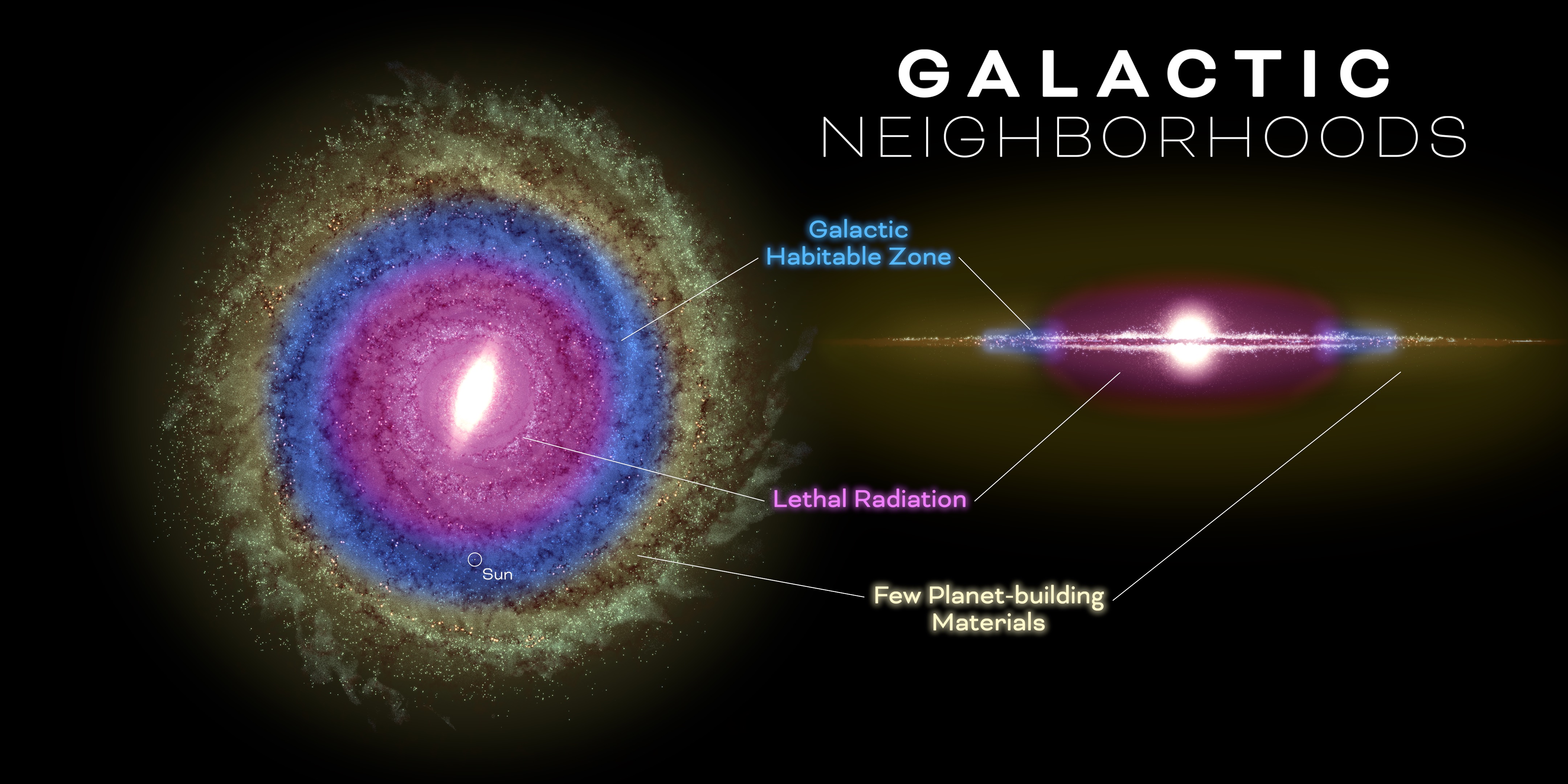
Magnetic fields matter for more than bookkeeping. On Earth, the planet's magnetic shield deflects harmful charged particles from the sun and helps protect the atmosphere from being stripped away over billions of years — a factor many scientists consider important for long-term habitability. Detecting and measuring magnetism on other planets gives researchers a fresh tool for assessing which distant worlds might be capable of holding onto their atmospheres.
The hot Jupiters studied here are nothing like Earth: they are gas giants orbiting perilously close to their stars, with permanent day sides roasting at thousands of degrees. But the technique the team developed could eventually be turned toward smaller, cooler and more Earth-like planets as telescopes grow more sensitive. For now, the work transforms a 15-year stalemate into a measurement, and gives astronomers a new way to feel the invisible architecture of alien worlds.