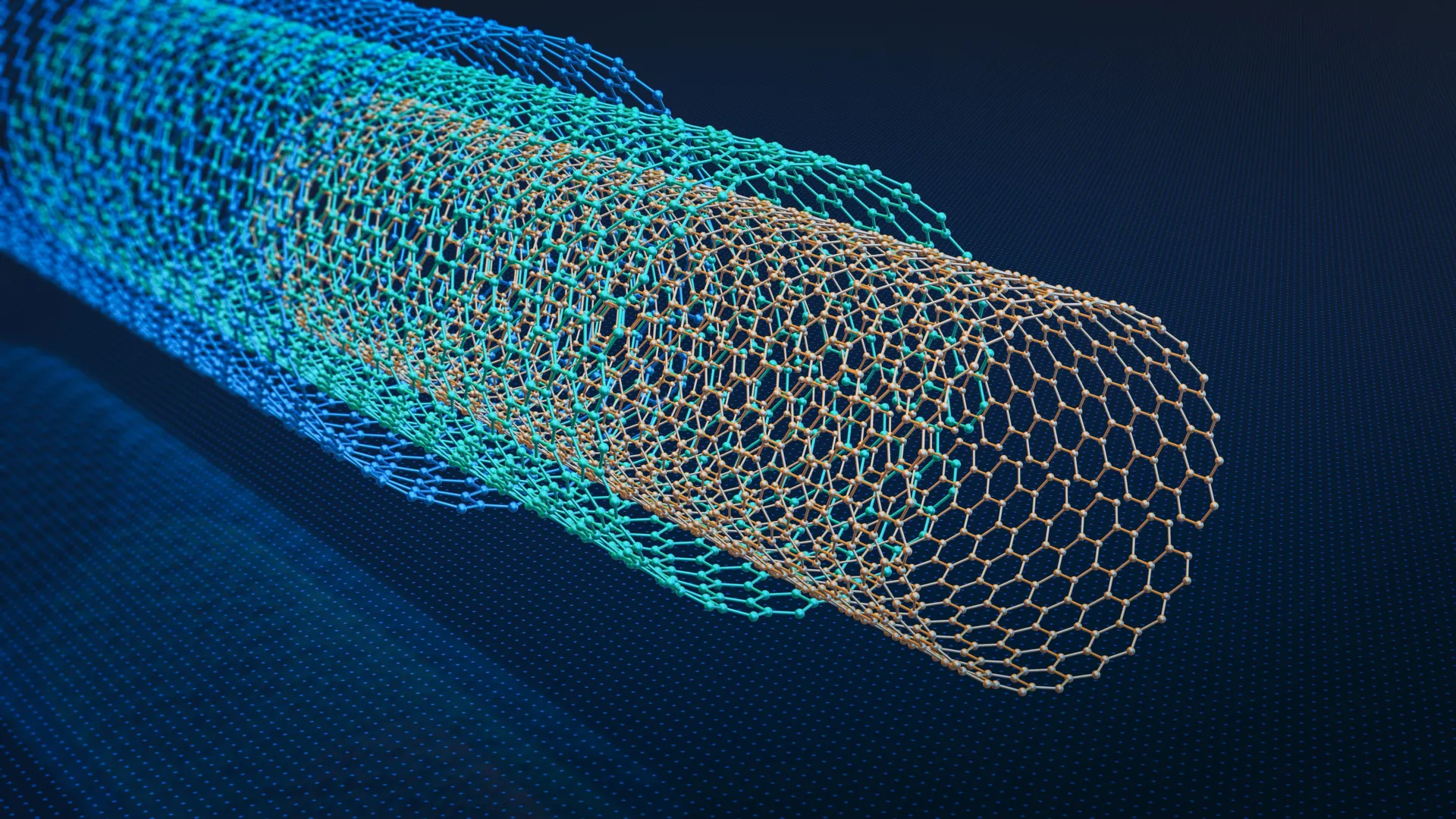
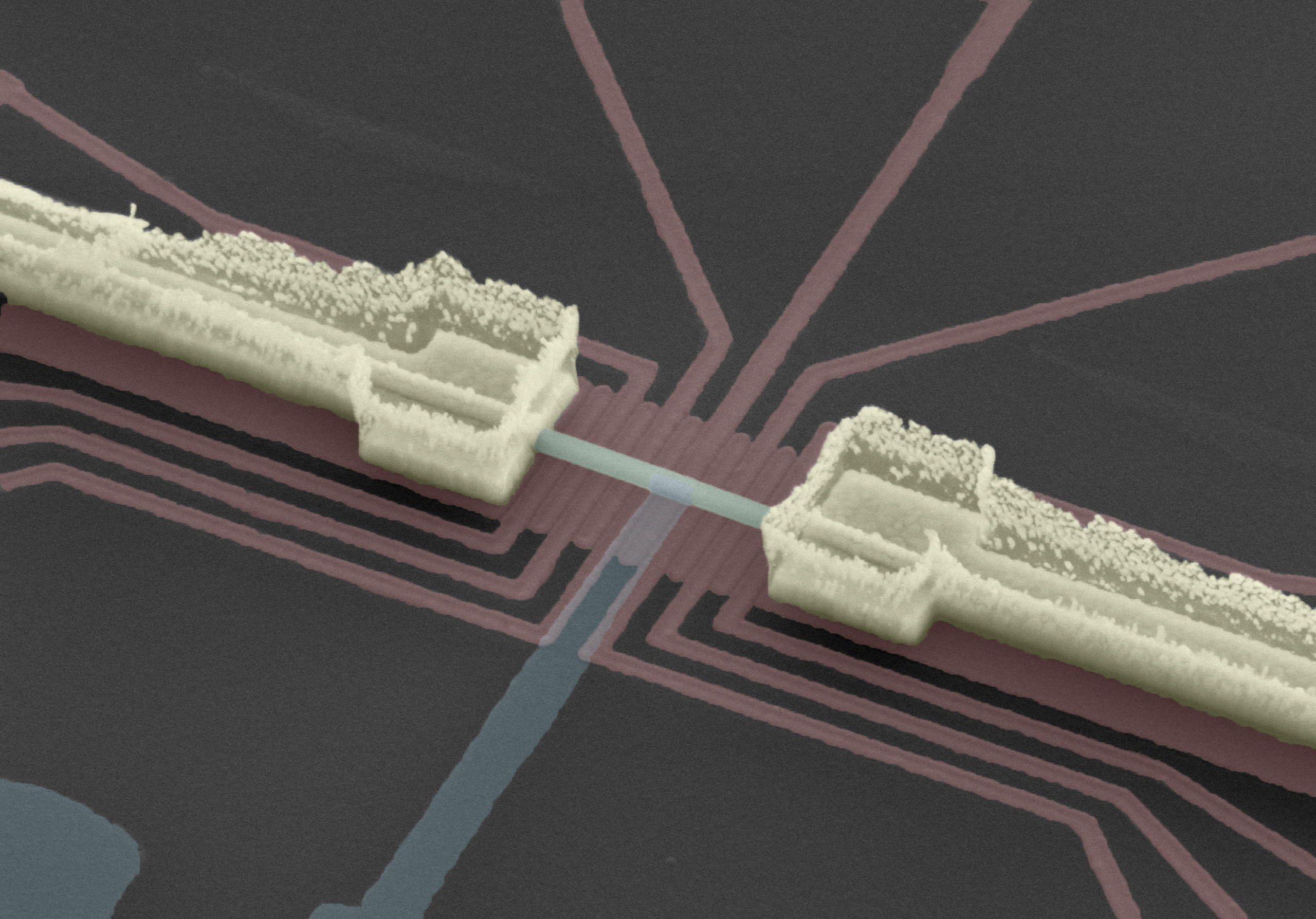
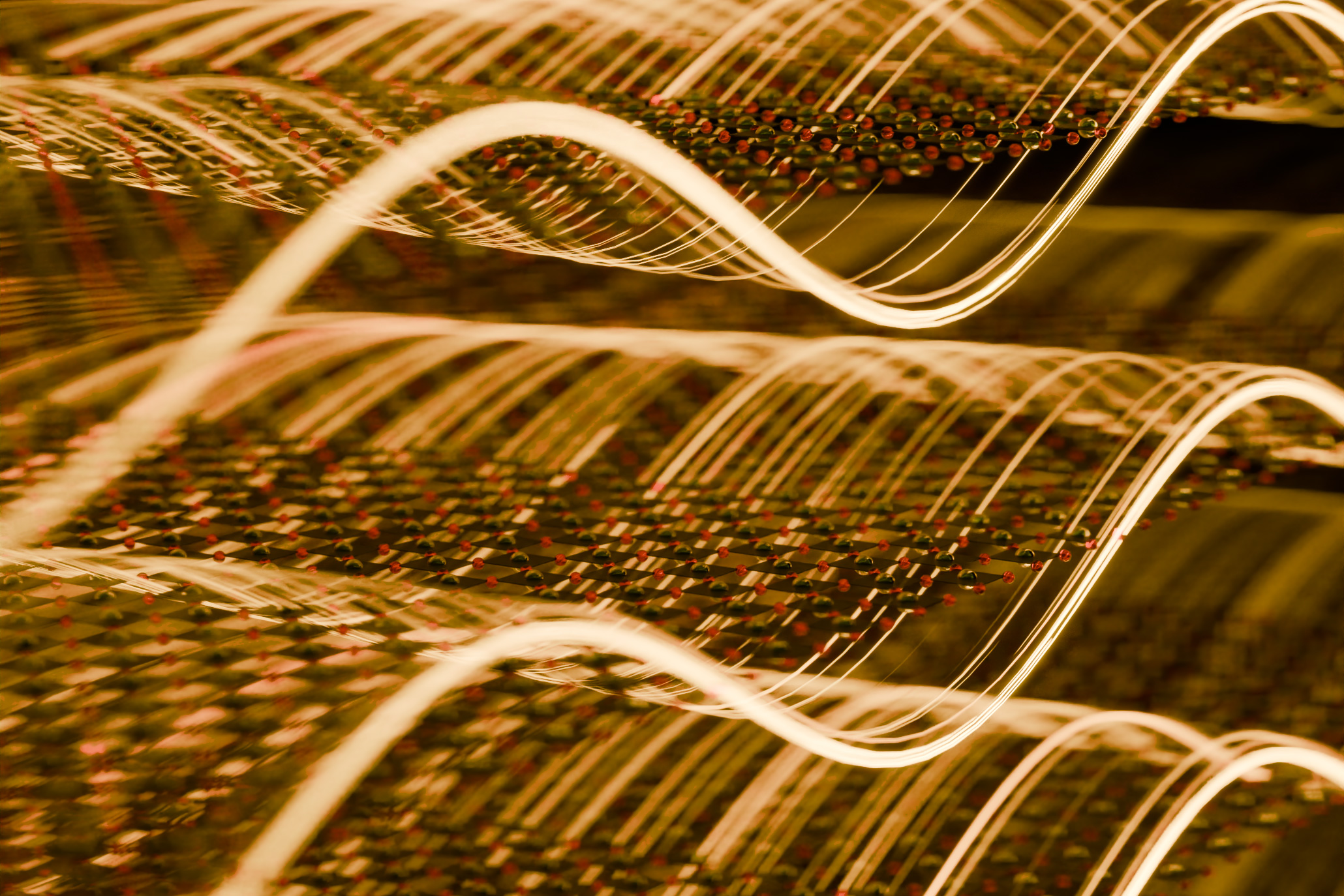
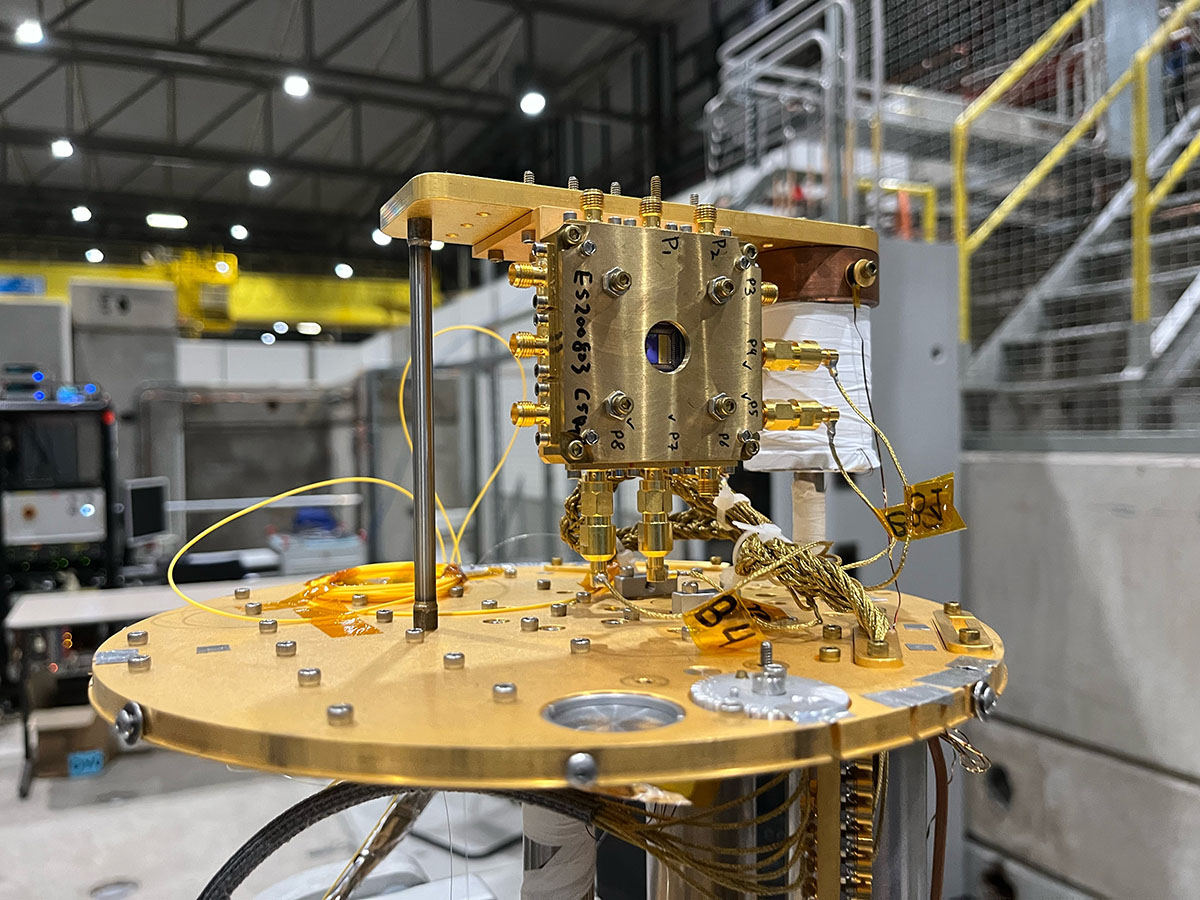
Revolutionary MXene Breakthrough Boosts Conductivity 160-Fold Through Perfect Atomic Control
Scientists develop cleaner synthesis method using molten salts and iodine, creating ultra-thin materials with unprecedented electron mobility.
The physics desk
Physics from the quantum to the cosmos: particle physics, quantum computing, astrophysics, cosmology and the discoveries that change what is possible.
Scientists develop cleaner synthesis method using molten salts and iodine, creating ultra-thin materials with unprecedented electron mobility.

Max Planck Institute physicists used hydrogen spectroscopy to measure the proton's charge radius to 2.5 times greater precision than before, resolving the proton radius puzzle and setting the most demanding test of quantum electrodynamics ever conducted.

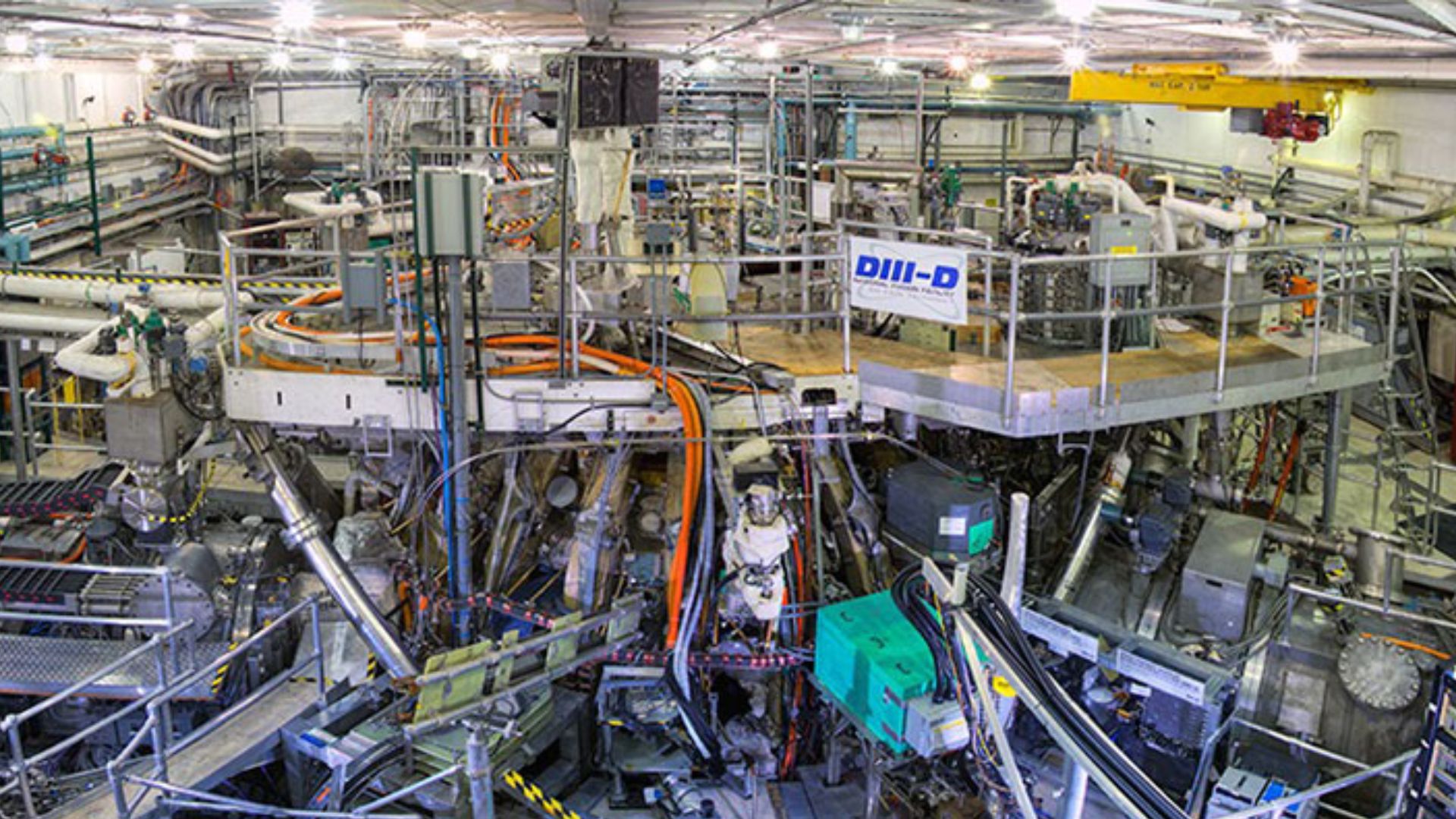
PPPL researchers found that the rotating core of tokamak plasma drives particle flows that previous models ignored, finally explaining why fusion exhaust slams one side of the reactor far harder than the other.

Breakthrough provides first unified method to search for tiny quantum fluctuations that could reveal how gravity and quantum mechanics connect.

Breakthrough discovery reveals how plasma rotation creates uneven particle distribution in tokamaks, finally matching experimental data with computer models.

Breakthrough technology manipulates sound vibrations at quantum level, potentially enabling satellite-free navigation systems and ultra-precise force measurements.

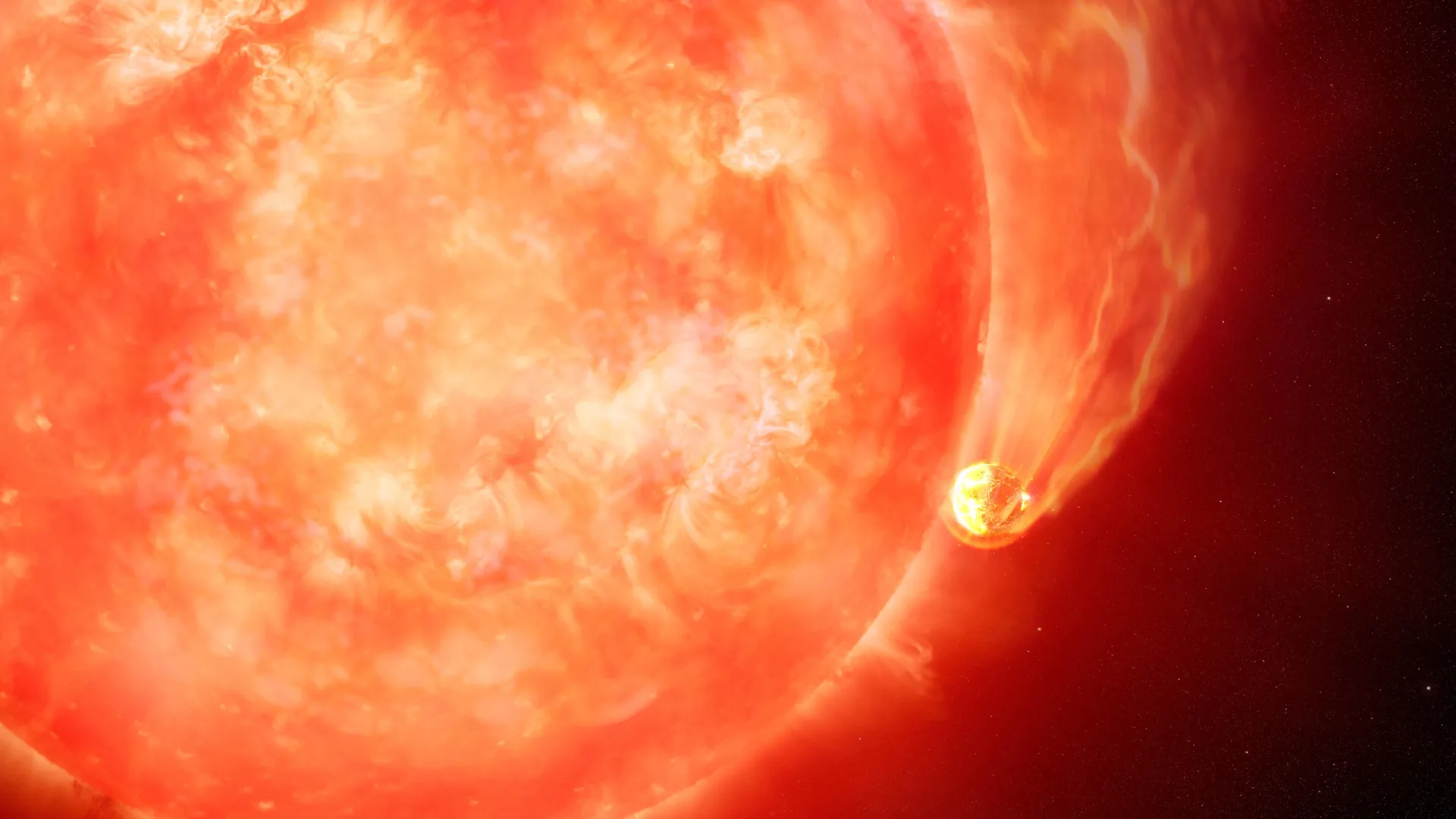
UCL and University of Warwick astronomers found that close-in giant planets are three times rarer around evolved red giants than younger post-main sequence stars, providing the strongest statistical evidence yet that aging stars systematically consume nearby worlds.

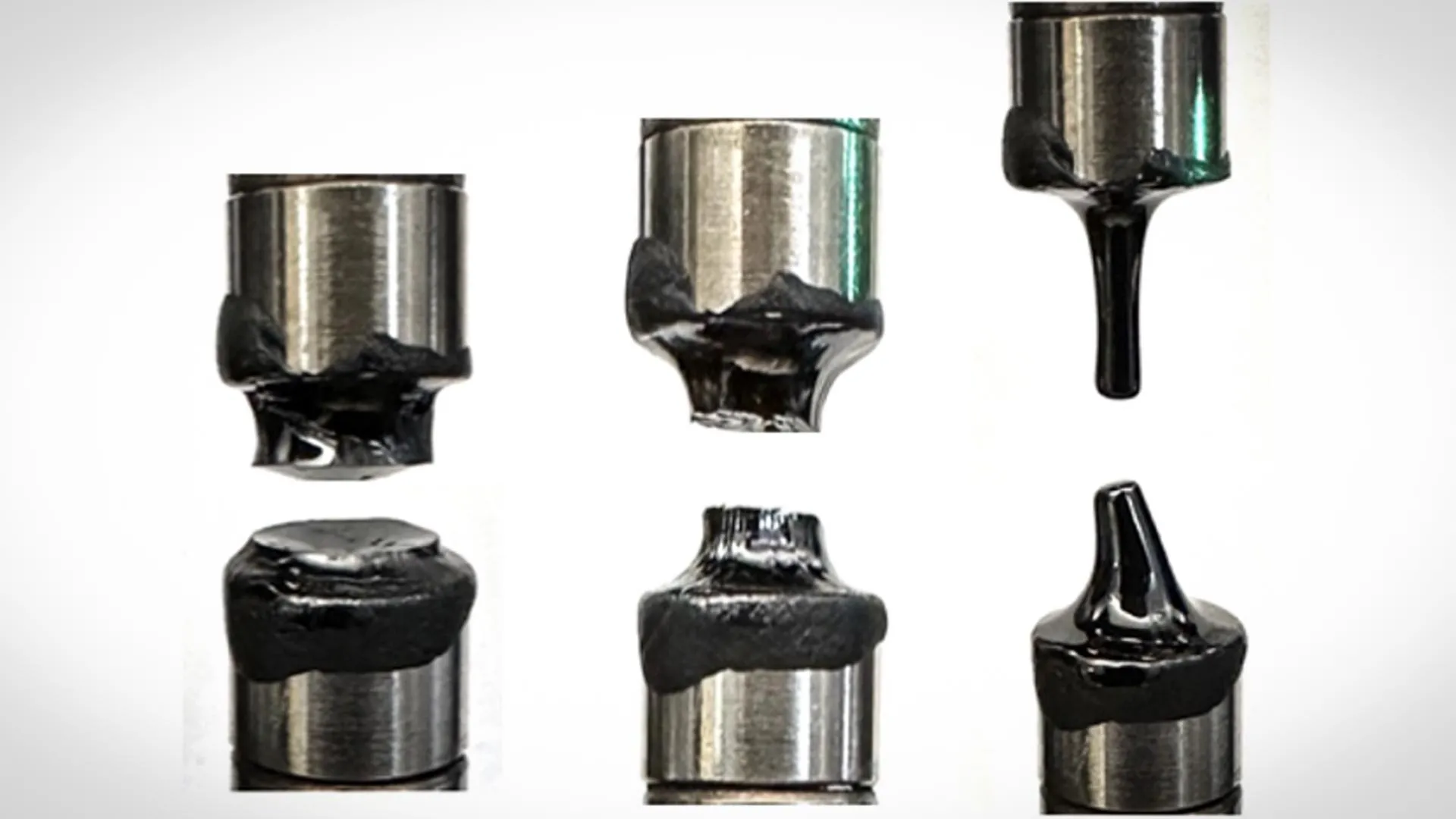
A Drexel University team found that viscous liquids fracture like brittle solids when stretched past a critical stress of 2 megaPascals, with the breaking point determined by viscosity rather than elasticity — a finding published in Physical Review Letters.

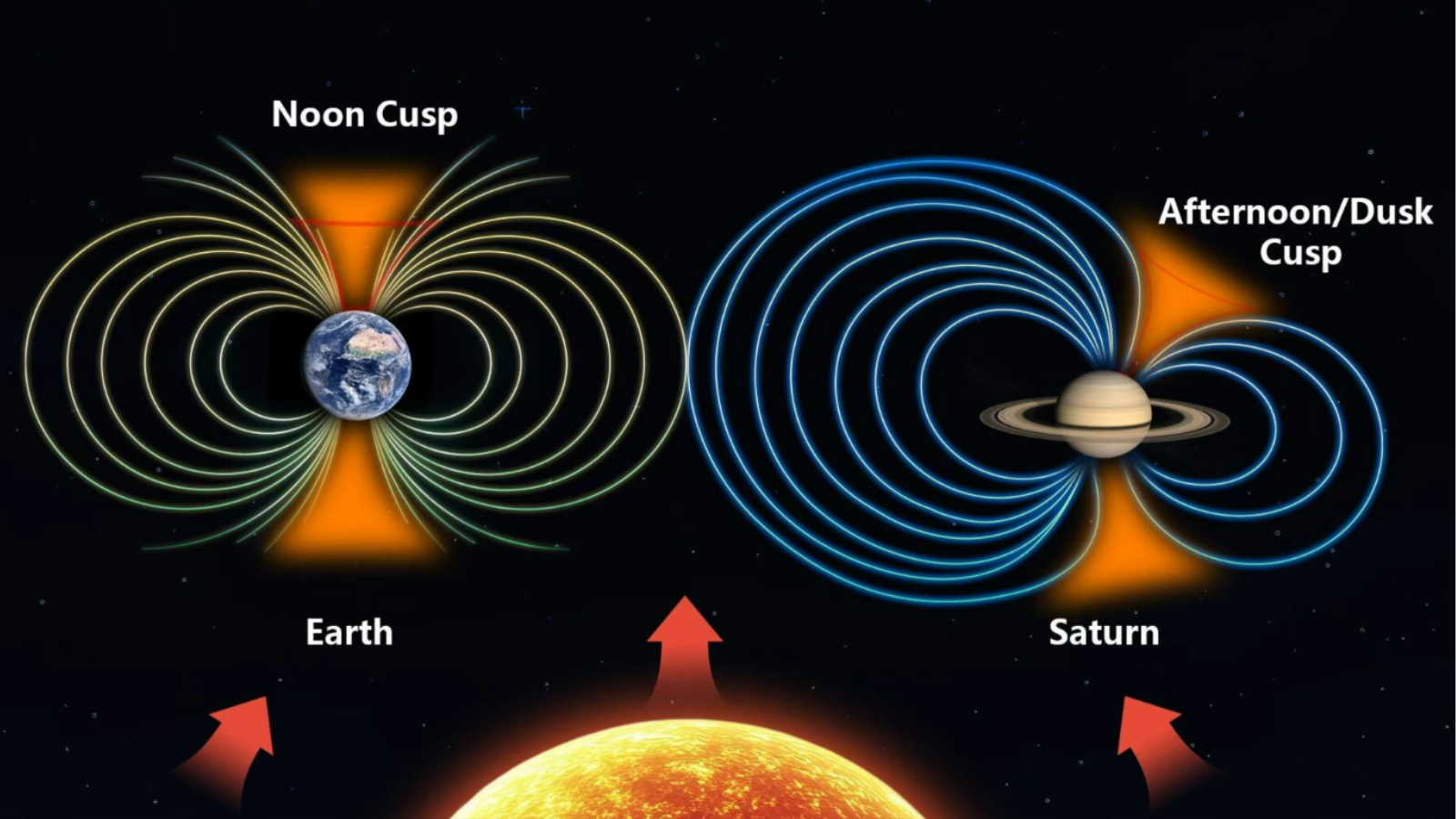
Scientists discover that rapid planetary rotation and plasma from Enceladus create the distorted magnetic bubble around Saturn, unlike Earth's symmetrical field.

An ytterbium clock exploiting a deep inner-shell electron transition achieves 80 Hz precision, placing new constraints on hypothetical particles beyond the Standard Model.

Researchers have rolled flat 2D materials into ultra-thin tubes that create 'highways' for rapid ion transport, dramatically improving battery and sensor performance.

TU Wien and Rice University physicists found topological properties arising in cerium-ruthenium-tin at near absolute zero without conventional quasiparticles — overturning a foundational assumption of condensed matter physics.

Physicists at Delft University and Spain's CSIC demonstrated single-shot parity readout of Majorana qubits with coherence exceeding one millisecond, confirming topological protection and opening the path to error-resistant quantum computers.

MIT physicists have directly imaged, for the first time, the collective oscillations of superconducting electrons using a terahertz-light microscope — an observation that could unlock the physics behind high-temperature superconductivity.

Scientists at Fermilab and Caltech have tested superconducting microwire detectors at CERN that outperform previous designs in detecting individual charged particles — a potential leap forward for ultra-light dark matter experiments.

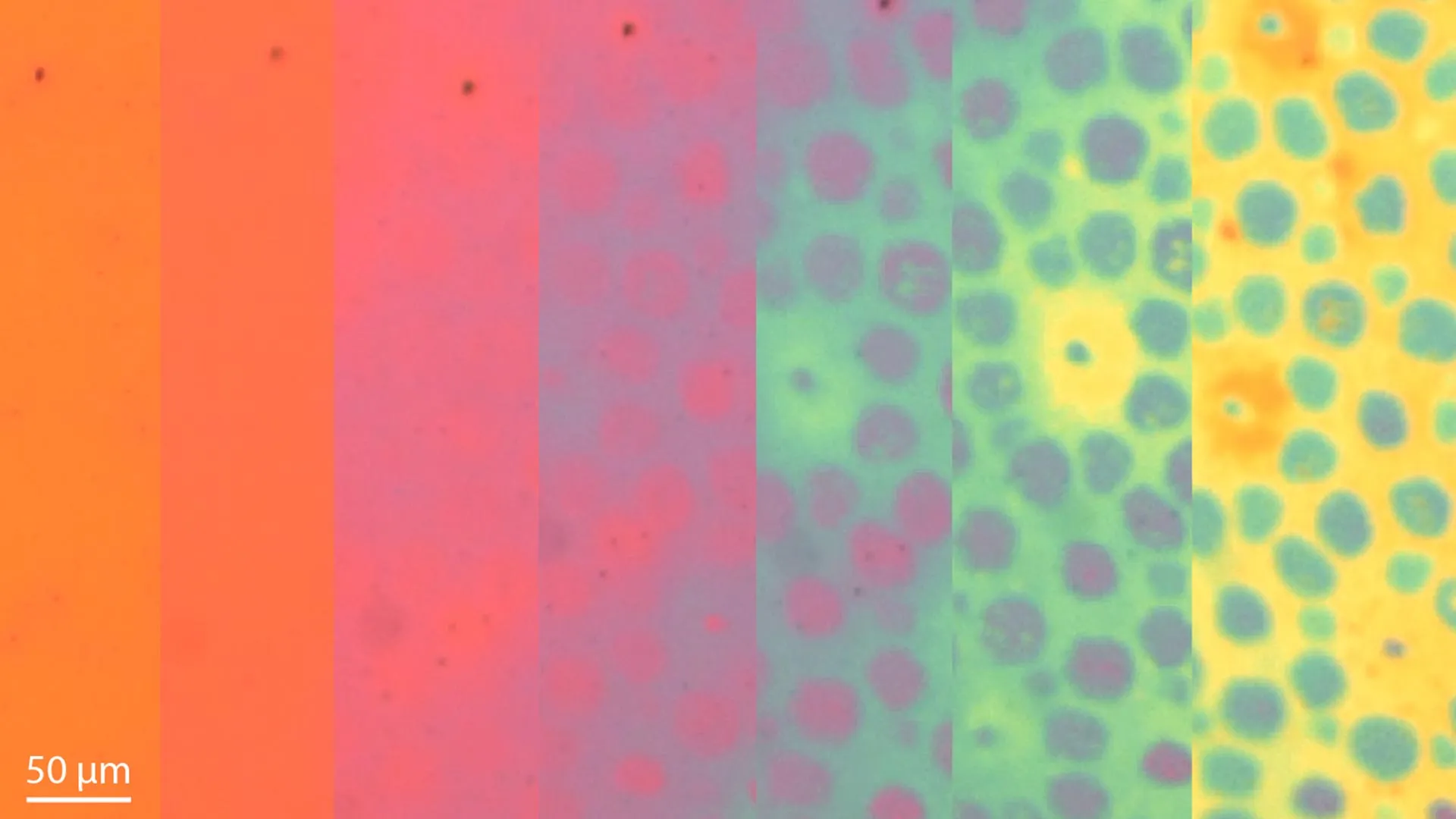
Revolutionary polymer can transform its surface patterns and colors in seconds, potentially enabling AI-controlled camouflage systems and flexible displays.

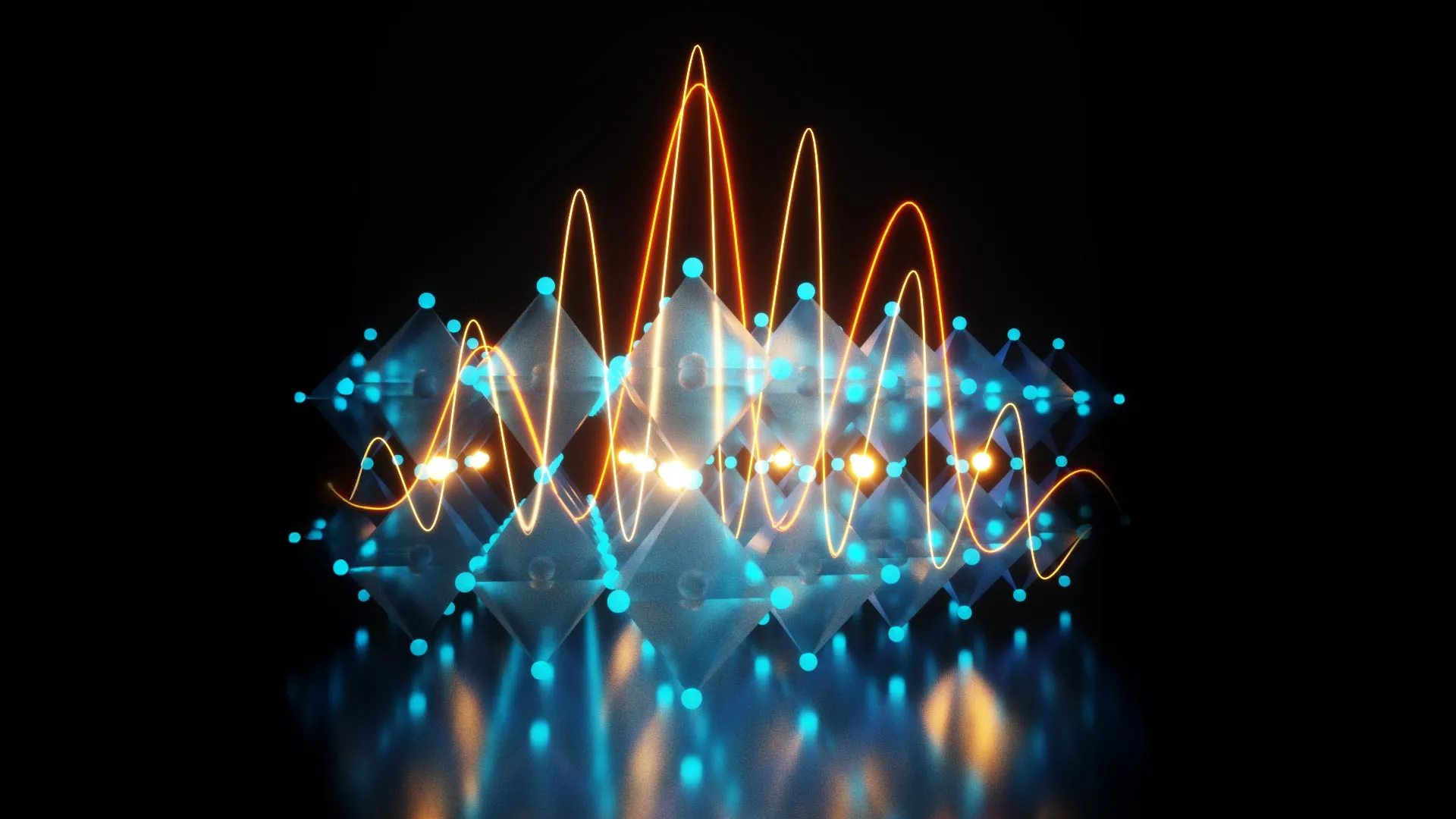
Researchers discover that perovskite crystals can dramatically change shape when exposed to light and return to original form, enabling new light-controlled devices.
Discovery explains why particles hit fusion reactor walls unevenly, advancing practical reactor design by combining rotation with drift effects.
Researchers transform flat 2D materials into tubular structures that act like "highways" for ions, boosting energy storage and sensor capabilities.

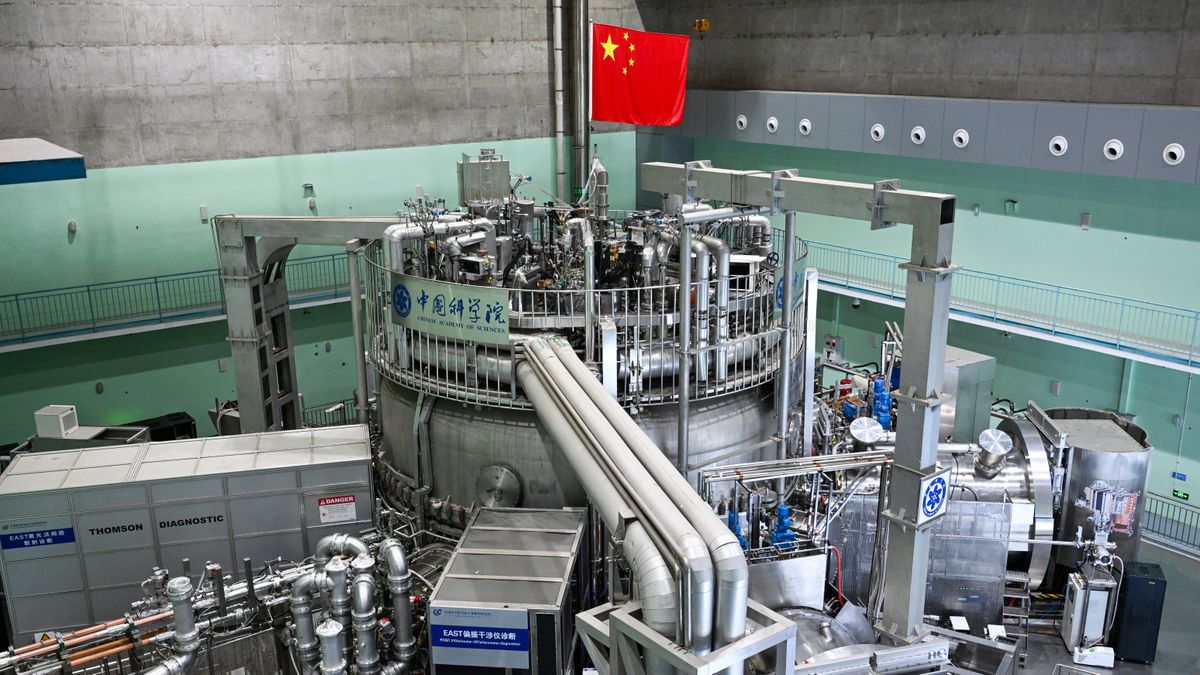
The EAST tokamak achieved stable plasma at 1.65 times the Greenwald density limit — a barrier physicists had long considered nearly unbreakable — in a result published in Science Advances.
Chinese researchers have observed the Migdal effect for the first time, validating a 1939 theoretical prediction and providing a new experimental tool to search for ultra-light dark matter particles.
Scientists at Drexel University create ultra-thin conductive tubes that act as 'highways' for rapid ion transport in electronic devices.
Researchers finally explain why tokamak exhaust systems show uneven particle distribution, breakthrough could improve future reactor design.

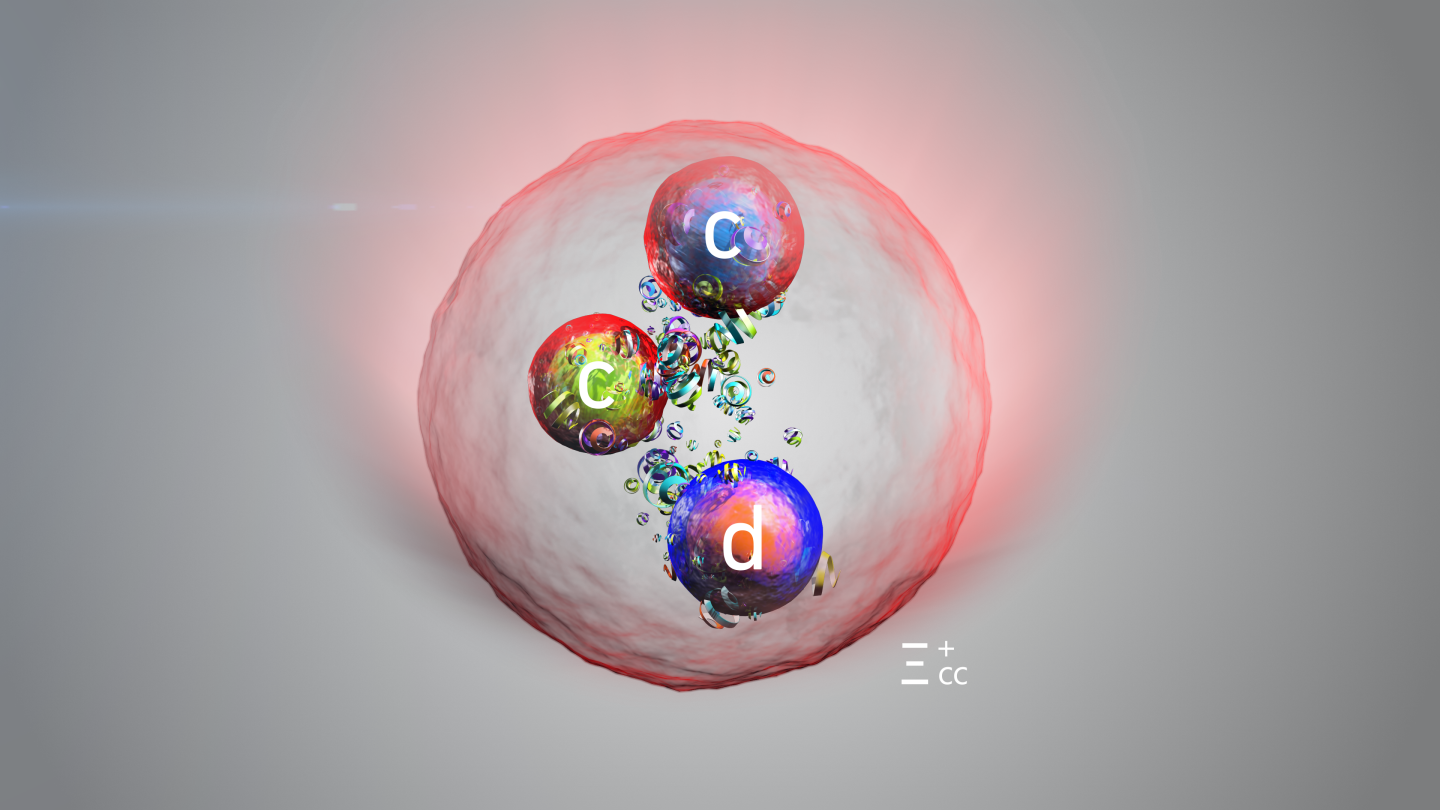
The LHCb collaboration's discovery of the Ξcc⁺ resolves a 20-year prediction gap in quantum chromodynamics and is the first new particle found since the detector's 2023 upgrade.
Stanford researchers develop breakthrough material that can change both texture and color in seconds, inspired by marine creatures.
Breakthrough shape-shifting material mimics cephalopod camouflage abilities, forming detailed patterns at nanoscale with potential applications in displays and adaptive camouflage.
Researchers at Drexel University have converted 2D nanomaterial into ultra-thin tubes that create fast ion highways for batteries and sensors.

University of Waterloo researchers propose that the Big Bang's explosive expansion emerges naturally from deeper quantum gravity framework, offering testable predictions.

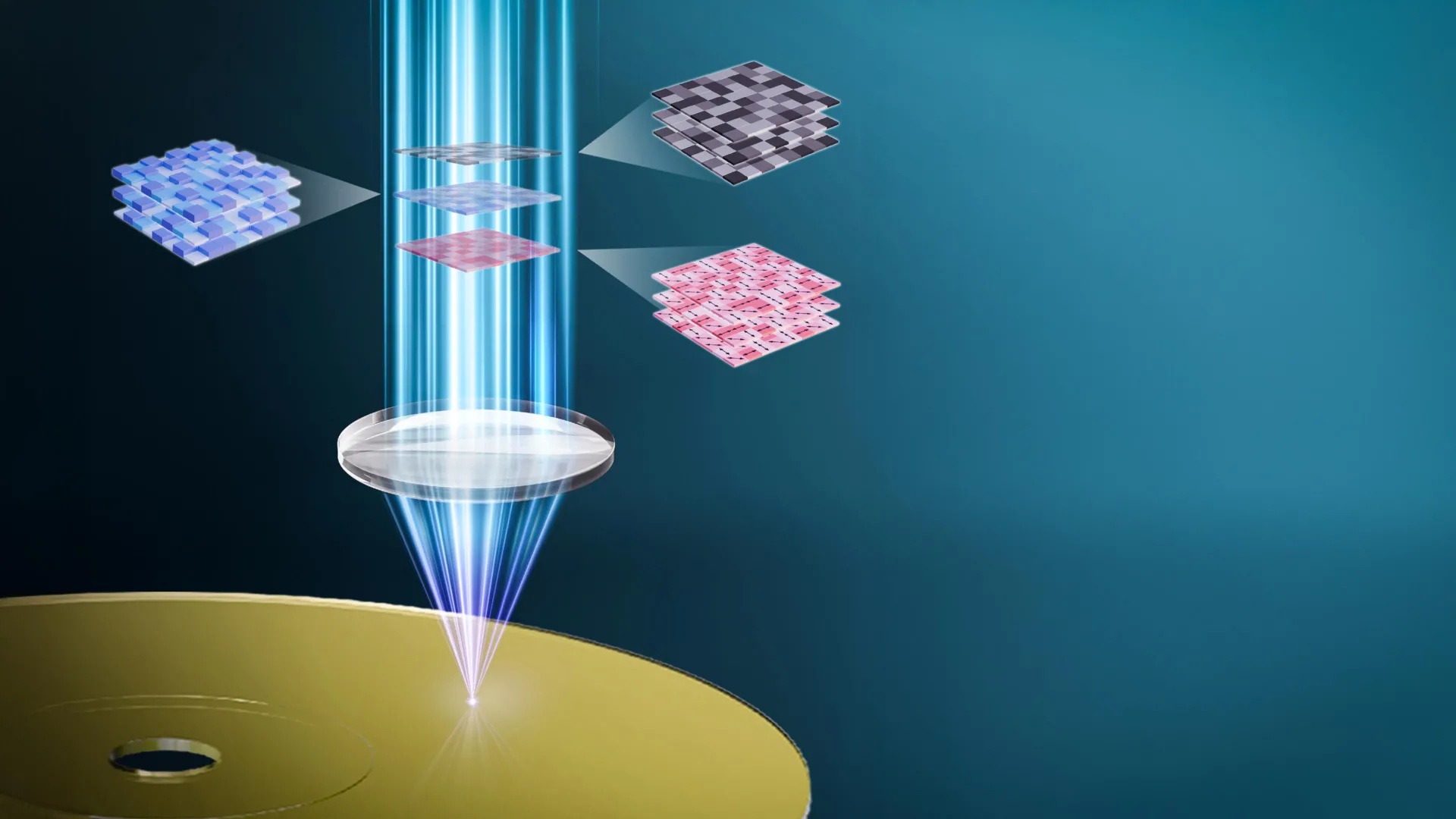
New technique combines amplitude, phase, and polarization to dramatically increase storage capacity while AI reconstructs data from complex light patterns.
University of Waterloo researchers show universe's explosive early growth may emerge naturally from quantum gravity framework.