MIT Researchers Map Hidden Structure of Mysterious High-Tech Materials
Three-dimensional atomic mapping reveals unexpected charge patterns in relaxor ferroelectrics used in ultrasound and sonar systems for decades.
Materials scientists at MIT have successfully mapped the three-dimensional atomic structure of relaxor ferroelectrics for the first time, solving a decades-old puzzle about how these crucial technological materials actually work. The breakthrough could improve the design of everything from medical ultrasound equipment to advanced quantum computers.
Relaxor ferroelectrics have powered ultrasound imaging, microphones, and sonar systems for decades, yet their internal atomic arrangement remained largely mysterious. Scientists knew these materials performed exceptionally well at storing energy and detecting signals, but they had to rely on incomplete theoretical models to understand why.
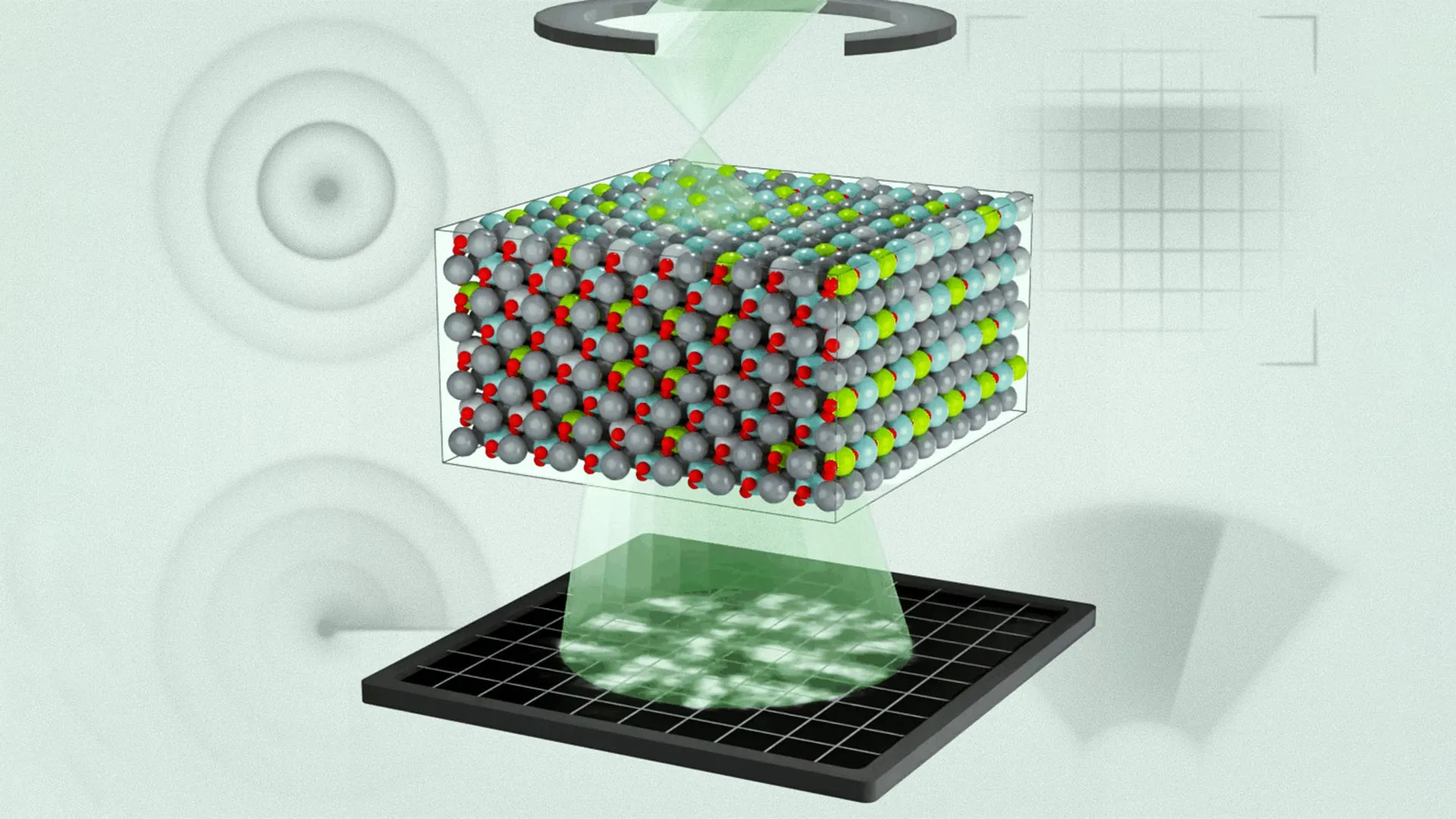
Using an advanced imaging technique called multi-slice electron ptychography, the research team examined a lead magnesium niobate-lead titanate alloy widely used in sensors and defense systems. They scanned nanoscale electron beams across the material and recorded resulting diffraction patterns, revealing how electric charges are distributed at the atomic level.
"We realized the chemical disorder we observed in our experiments was not fully considered previously," said co-first authors Michael Xu and Menglin Zhu, both MIT postdocs. Working with collaborators, they merged experimental observations with computer simulations to refine existing models and better predict material behavior.
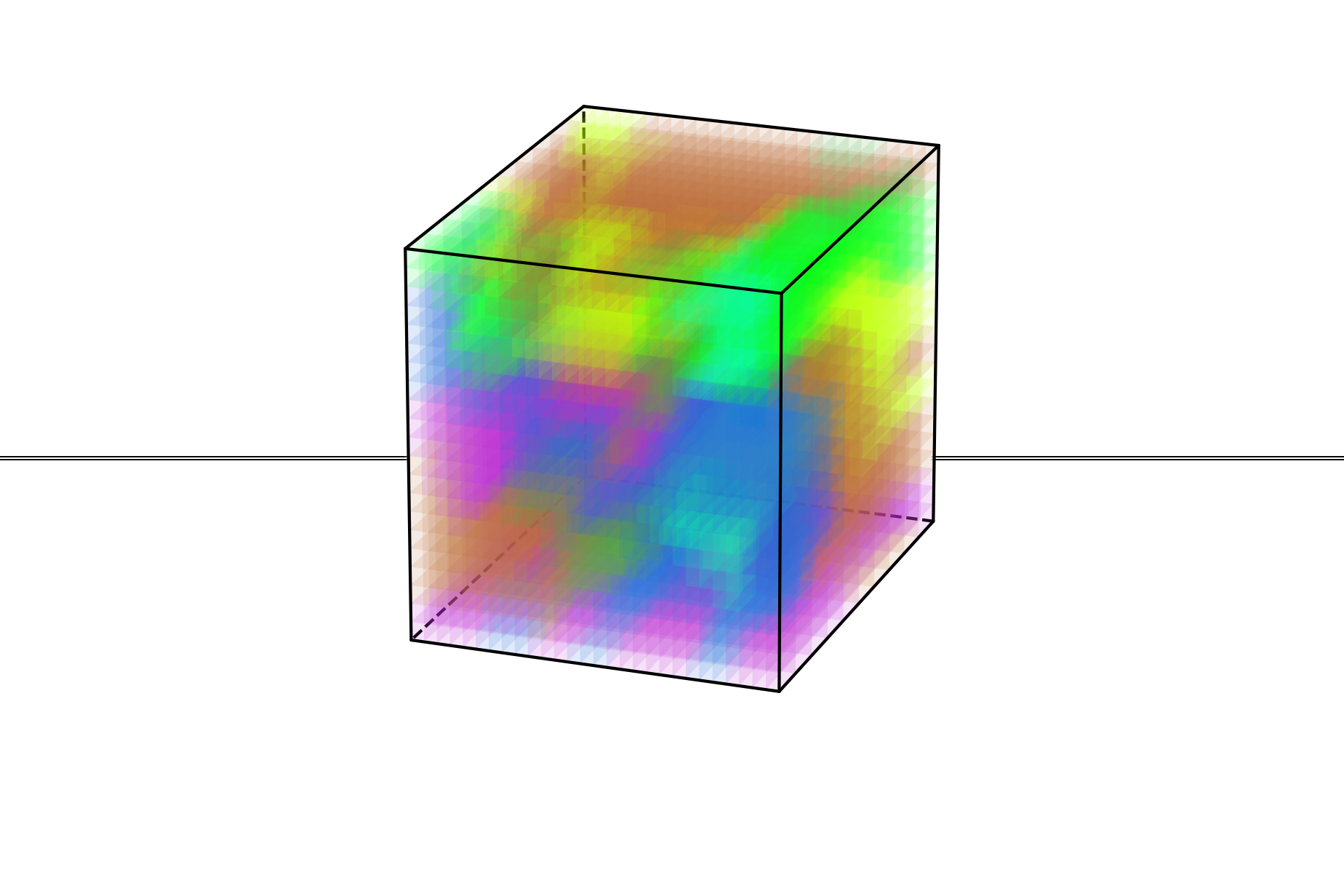
The discovery challenges long-held assumptions about how atoms arrange themselves in these materials. Computer models had predicted that tiny regions of positive and negative charges create the materials' exceptional properties when electric fields are applied, but these nanoscale regions had never been directly observed until now. Professor James LeBeau noted that "now that we have a better understanding of exactly what's going on, we can better predict and engineer the properties we want materials to achieve."