MIT Scientists Finally Reveal Hidden Structure of Mysterious High-Tech Material
Relaxor ferroelectrics power ultrasounds and sonar for decades, but their atomic structure remained unknown until breakthrough 3D mapping.
For decades, relaxor ferroelectric materials have been essential components in medical ultrasound machines, microphones, and sonar systems, yet their internal atomic structure has remained one of materials science's most persistent mysteries. Now, researchers from MIT and collaborating institutions have achieved the first complete three-dimensional mapping of these materials' atomic structure, potentially revolutionizing how scientists design future computing systems, energy devices, and advanced sensors.
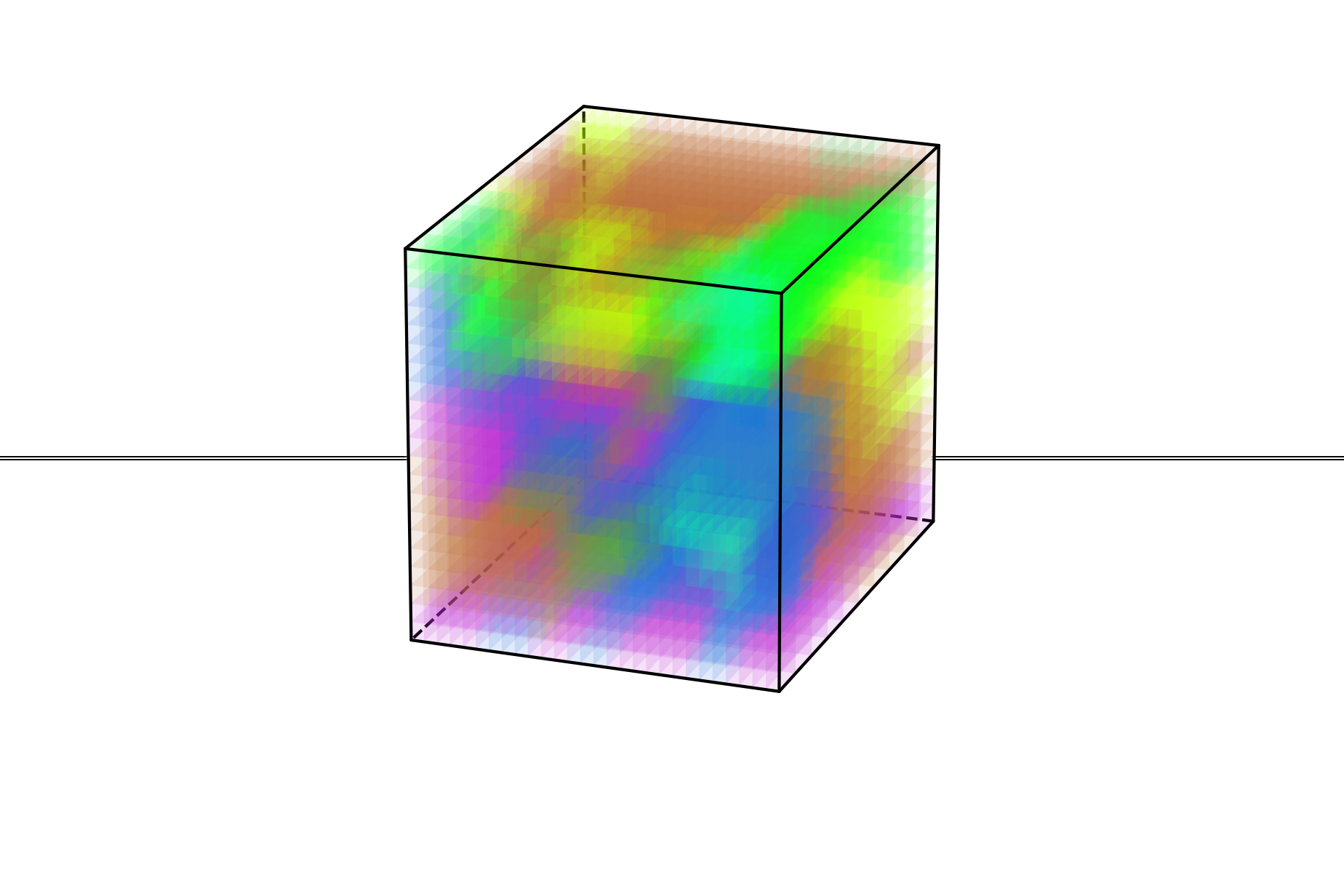
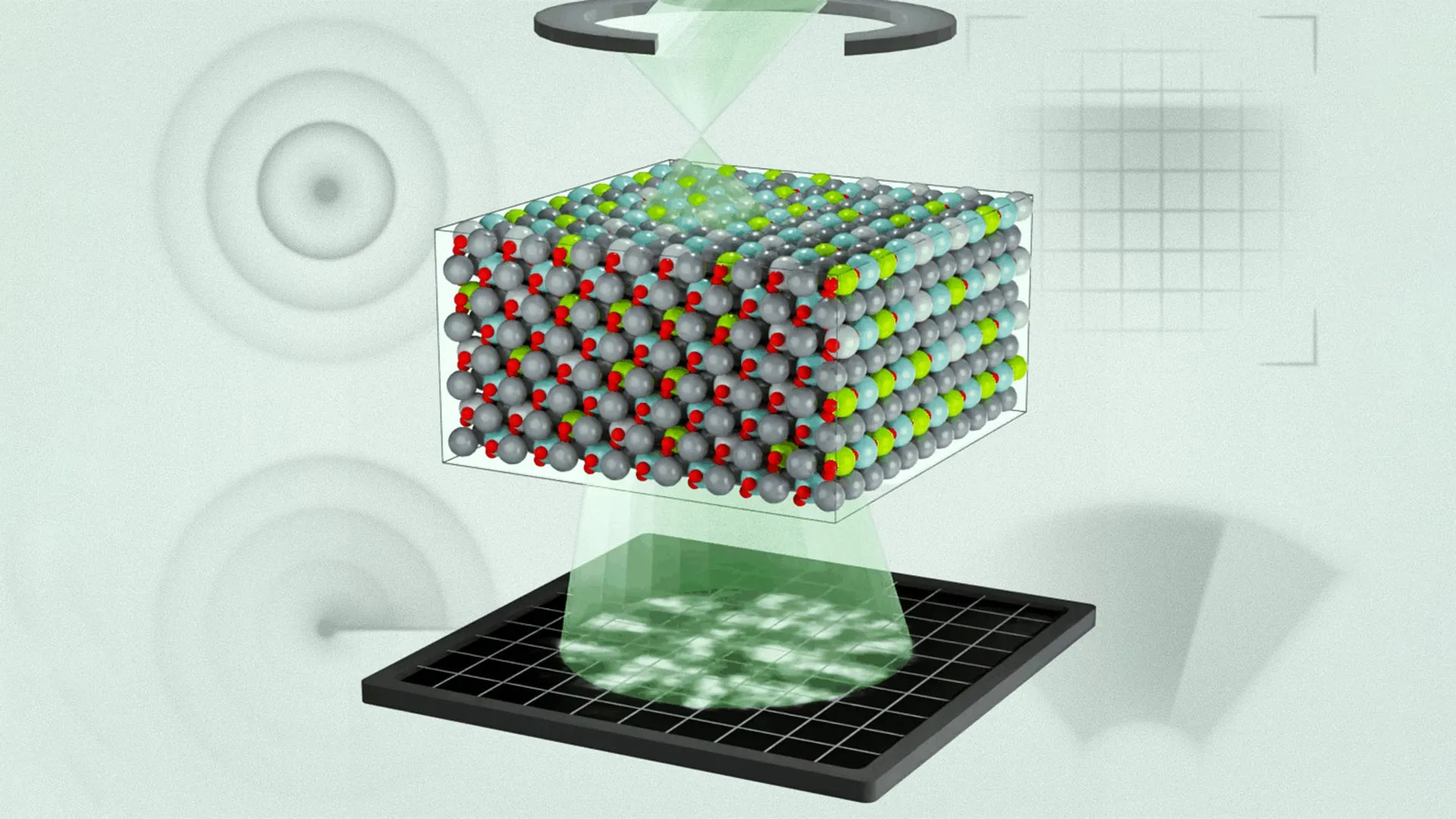
The breakthrough, published in Science, provides scientists with unprecedented insight into how electric charges are distributed throughout relaxor ferroelectrics at the nanoscale. Using cutting-edge multi-slice electron ptychography, researchers examined a lead magnesium niobate-lead titanate alloy widely used in sensors, actuators, and defense systems. The technique involves scanning high-energy electron beams across the material and recording resulting diffraction patterns to build detailed structural maps.
'Now that we have a better understanding of exactly what's going on, we can better predict and engineer the properties we want materials to achieve,' says corresponding author James LeBeau, MIT's Kyocera Professor of Materials Science and Engineering. The research team discovered that chemical disorder observed in experiments was not fully considered in previous theoretical models, requiring significant refinements to existing predictions.
The study challenged long-standing assumptions about these materials' behavior. Computer models had suggested that when electric fields are applied, interactions between charged atoms within tiny regions create the materials' exceptional energy storage and sensing capabilities. However, the nanoscale regions responsible for these properties could never be directly observed until this breakthrough. The researchers found patterns of charge distribution that differed significantly from theoretical expectations.
The implications extend far beyond basic science. Relaxor ferroelectrics are crucial for technologies ranging from medical imaging to underwater detection systems. By understanding their precise atomic structure, engineers can now design materials with specific properties rather than relying on trial-and-error approaches. The research represents a convergence of advanced experimental techniques with theoretical modeling, offering a new foundation for materials engineering in quantum computing, energy storage, and precision sensing applications.