Scientists Crack Century-Old Mystery Behind Reinforced Rubber's Incredible Strength
Massive computer simulations reveal why adding carbon black particles makes rubber so tough, solving a puzzle that has baffled researchers for nearly 100 years.
Researchers at the University of South Florida have finally solved one of materials science's most enduring mysteries: why adding tiny carbon black particles to rubber creates such an incredibly strong and durable material. For nearly a century, reinforced rubber has been essential to modern life, powering everything from car tires to airplane landing gear, yet scientists never fully understood the mechanism behind its remarkable properties. The breakthrough came after the team conducted 1,500 molecular dynamics simulations that consumed the equivalent of 15 years of computing time, revealing that carbon black forces rubber to "fight against itself" when stretched.
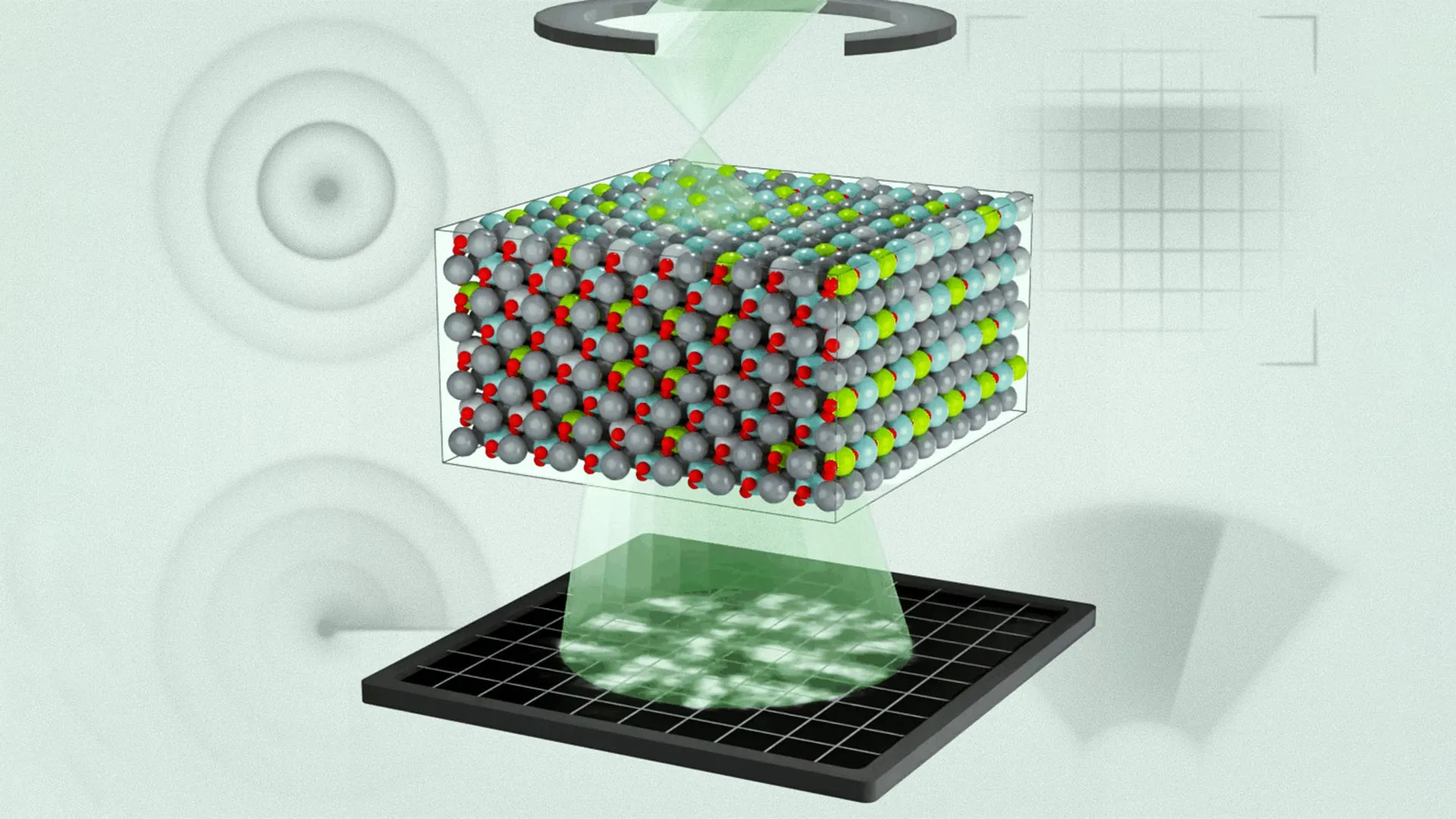
Led by engineering Professor David Simmons, the research team used advanced computational modeling to examine how hundreds of thousands of atoms behave inside reinforced rubber at the nanoscale level. The simulations revealed that carbon black particles don't simply form chains or act like glue, as previous theories suggested. Instead, the particles create a complex network that fundamentally alters how the rubber material responds to stress. When the material is stretched or compressed, the carbon black particles force the surrounding rubber chains to work against each other, dramatically increasing the overall strength and resistance to wear.
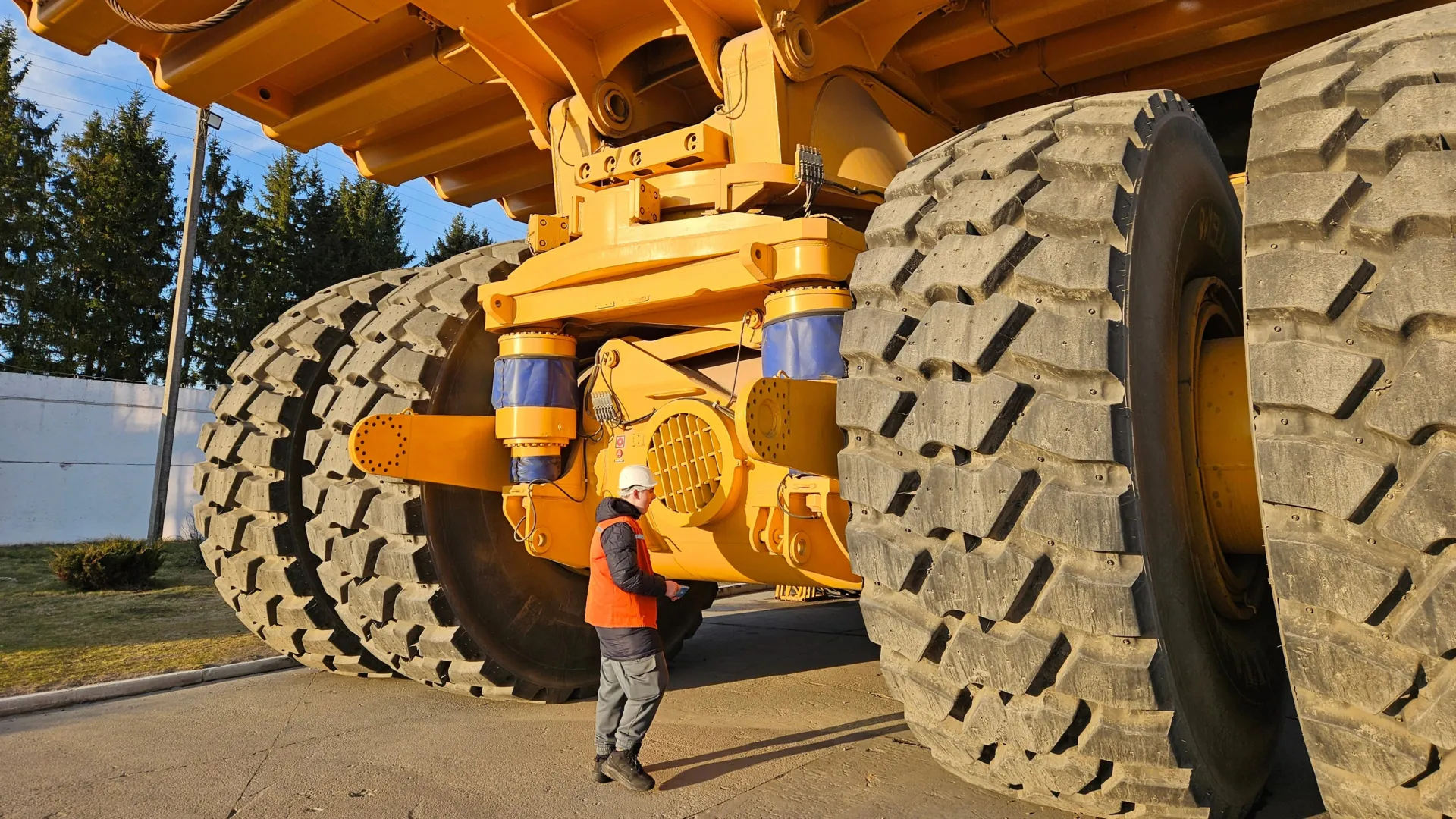
The discovery helps explain why reinforced rubber has remained largely unchanged for decades despite supporting a global tire industry worth approximately $260 billion annually. Tire manufacturers have long relied on trial and error when selecting different grades of carbon black, essentially fancy soot, without understanding why certain formulations work better than others. The new research provides a scientific foundation that could lead to more efficient development of advanced rubber compounds with tailored properties for specific applications.
Simmons emphasized the significance of finally understanding a material that has been in widespread use for nearly a century. The research involved improving earlier simulation models to more accurately represent the shape and distribution of carbon black particles within the rubber matrix. Working alongside postdoctoral scholar Pierre Kawak and doctoral student Harshad Bhapkar, Simmons created models that captured the complex interactions occurring at scales too small to observe directly with traditional experimental methods.
The findings, published in the Proceedings of the National Academy of Sciences, could revolutionize how engineers design new materials for applications ranging from automotive components to medical devices. Understanding the fundamental mechanism behind reinforced rubber's strength opens the door to developing next-generation materials that could be even more durable and efficient. The research also demonstrates how advanced computational methods can unlock secrets hidden within materials that have been used successfully for generations without being fully understood.