Scientists Finally Solve 100-Year Mystery Behind Tough Tire Technology
Massive computer simulations reveal how carbon black forces rubber to 'fight against itself' when stretched.
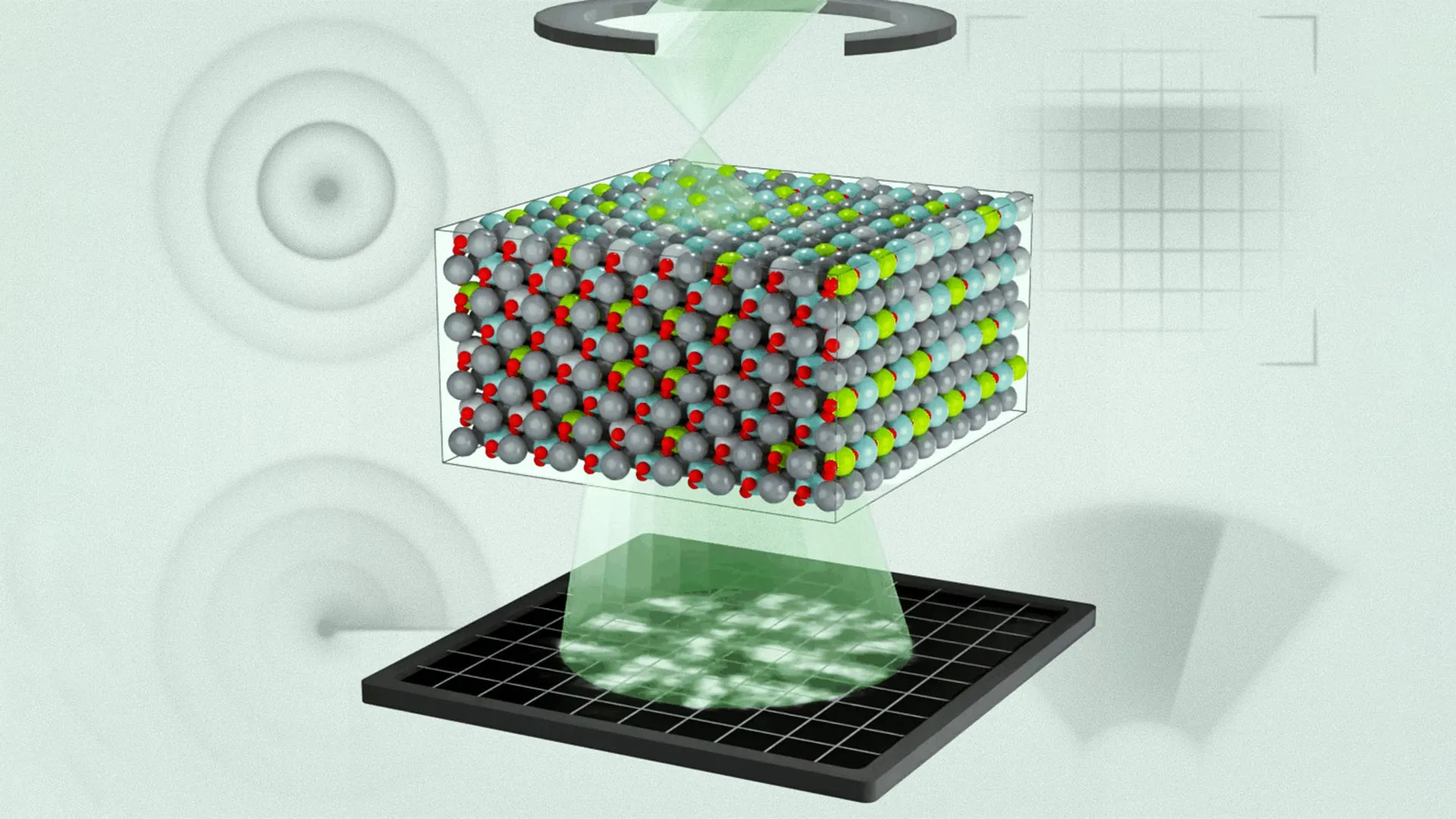
Researchers at the University of South Florida have finally cracked a century-old mystery that has puzzled scientists and engineers: why adding tiny particles of carbon black makes rubber extraordinarily strong and durable. The breakthrough required massive computer simulations equivalent to 15 years of computing time to understand the fundamental mechanisms behind reinforced rubber.
Led by Professor David Simmons, the research team conducted 1,500 molecular dynamics simulations to uncover how microscopic carbon black particles transform soft rubber into a material capable of supporting enormous loads, including fully loaded aircraft. Their findings, published in the Proceedings of the National Academy of Sciences, reveal that carbon black creates a unique internal tension that dramatically enhances the material's strength properties.
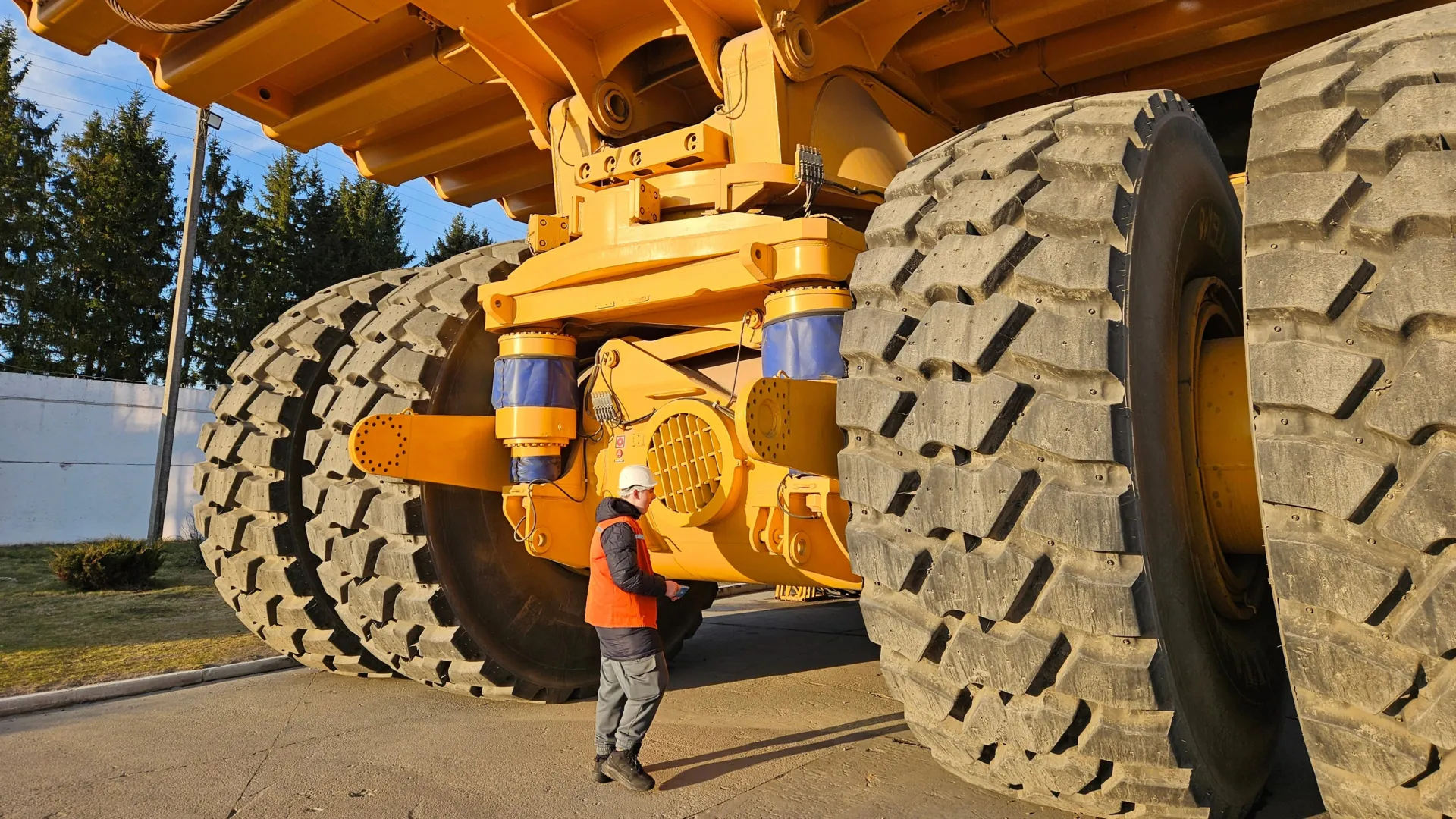
Reinforced rubber has been the foundation of modern transportation for nearly a century, supporting a global tire industry worth approximately $260 billion annually. Despite its widespread use in everything from car and airplane tires to industrial machinery and medical devices, the exact mechanism behind its remarkable strength has remained elusive, forcing manufacturers to rely on trial and error when selecting different grades of carbon black.
The research team discovered that carbon black particles force rubber molecules to "fight against itself" when stretched, creating internal resistance mechanisms that weren't fully understood before. Working alongside postdoctoral scholar Pierre Kawak and doctoral student Harshad Bhapkar, Simmons developed improved simulation models that more accurately represented the shape and distribution of carbon black particles within the rubber matrix.
The breakthrough could revolutionize how manufacturers design and optimize rubber compounds for various applications. Rather than relying on expensive trial-and-error testing with different carbon black grades, tire companies and other manufacturers may now be able to predict material performance based on fundamental scientific principles, potentially leading to stronger, more durable, and more cost-effective rubber products across multiple industries.