Powerful Laser Turns Metal Into Star-Like Plasma in Trillionths of a Second
Scientists capture the split-second chaos when intense laser flashes blast matter into superheated plasma, tracking how copper atoms lose and regain electrons in unprecedented detail.
Researchers at Helmholtz-Zentrum Dresden-Rossendorf have captured the ultrafast process of plasma formation with unprecedented detail, revealing how intense laser pulses can transform ordinary metal into a superheated state similar to conditions found near neutron stars. By combining two cutting-edge laser systems at the European XFEL facility in Germany, the team tracked how copper atoms lose and regain electrons in timescales measured in trillionths of a second.
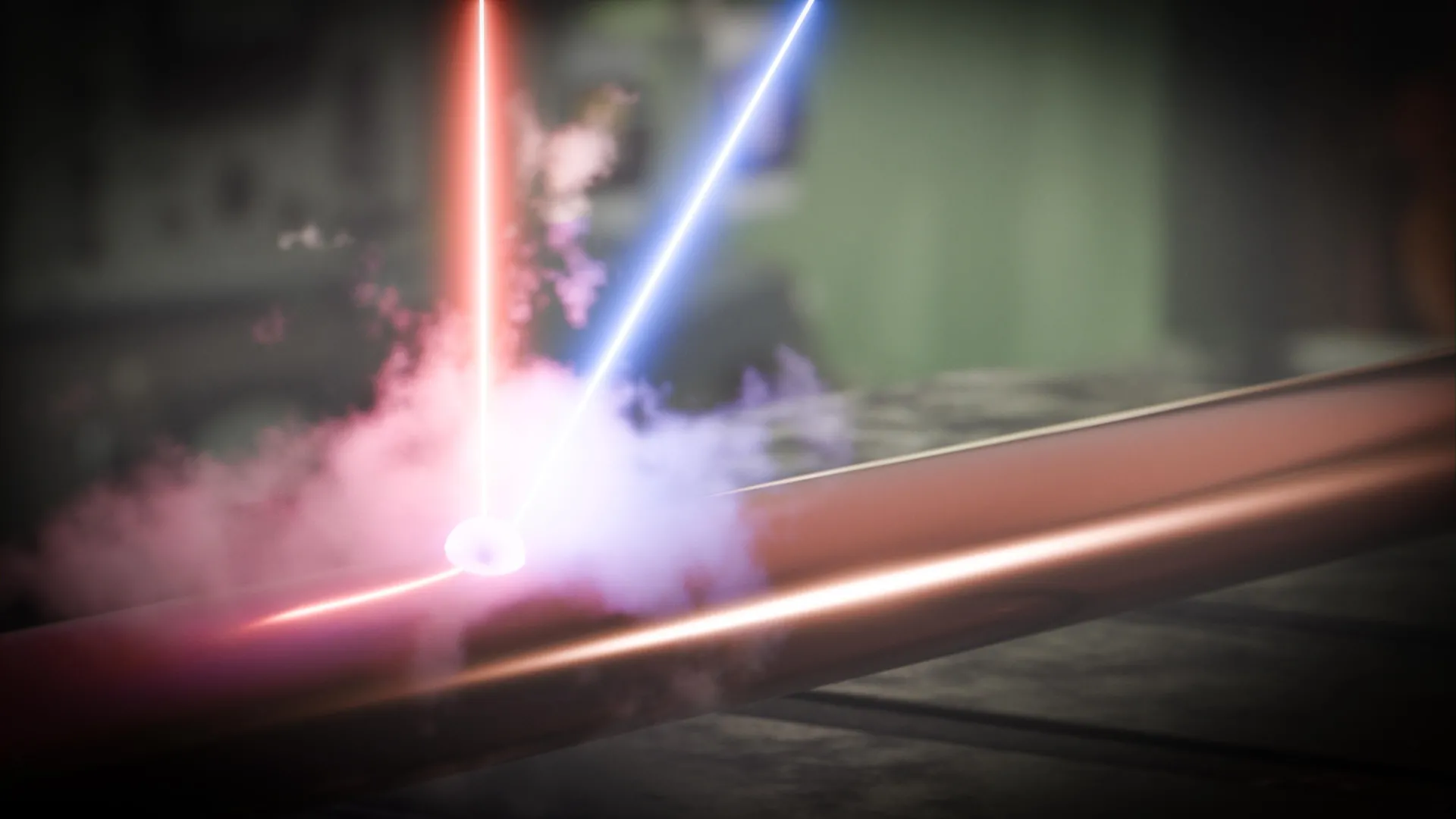
The experiment began with an incredibly intense burst of light striking a copper wire just one-seventh the thickness of a human hair. The energy delivered reached approximately 250 trillion megawatts per square centimeter, instantly vaporizing the copper and creating plasma temperatures of several million degrees. Under these extreme conditions, copper atoms lost multiple electrons and became highly ionized, creating a state of matter typically found only in cosmic environments like gamma-ray bursts or the vicinity of neutron stars.
Dr. Lingen Huang, head of experimentation in HZDR's Division of High-Energy Density, explained that capturing such rapid ionization processes required laser pulses lasting just 25 and 30 femtoseconds—mere trillionths of a second. These ultrashort durations allowed researchers to observe plasma formation and evolution almost in real time, providing insights into fundamental physics processes that occur on previously inaccessible timescales.
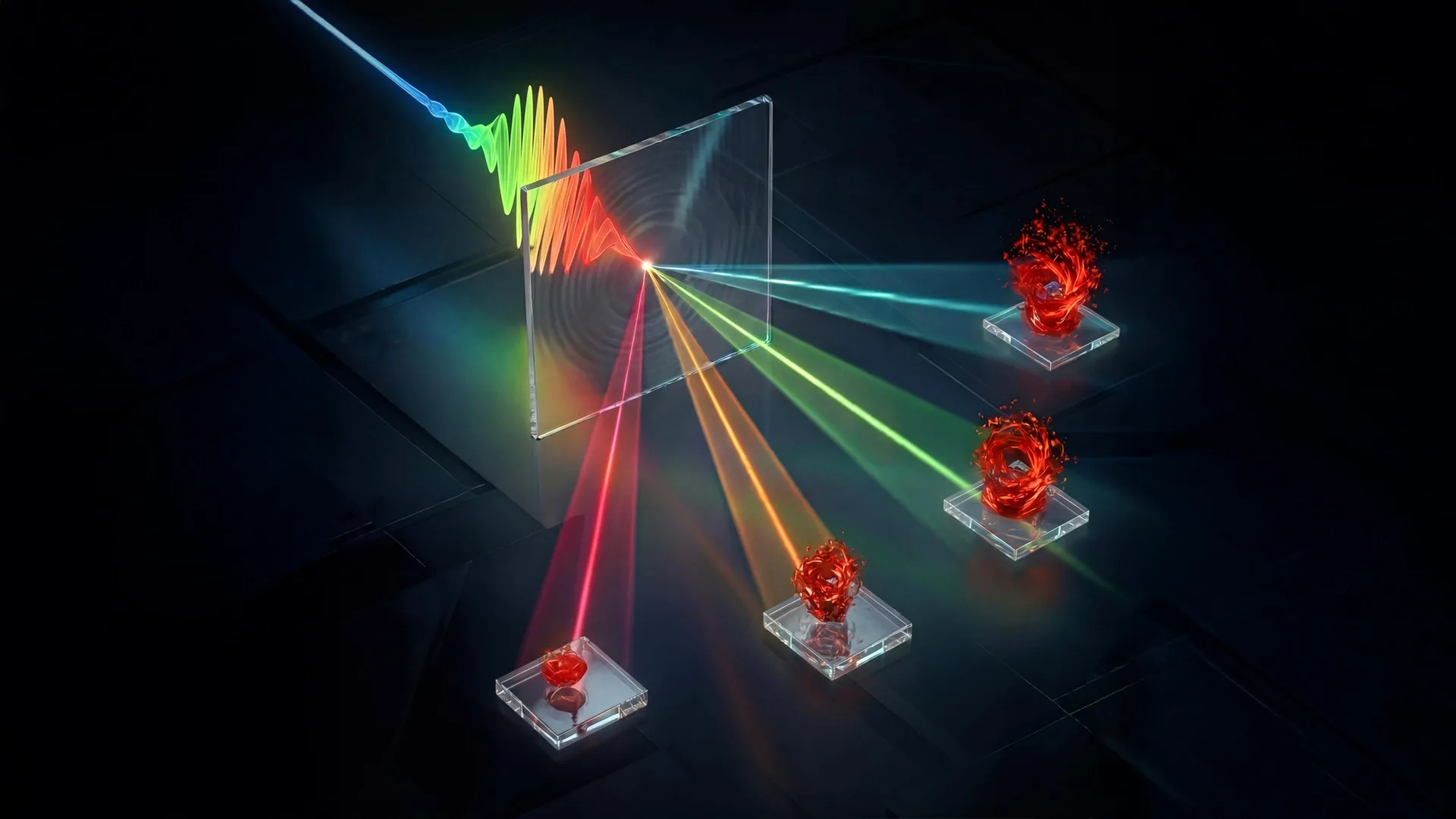
The team used a sophisticated pump-probe approach, where the first laser created the plasma while a second X-ray pulse from the European XFEL examined its properties. The X-ray pulses were precisely tuned to interact with Cu²²⁺ ions—copper atoms that had lost 22 electrons—through a process called resonant absorption. By recording how these highly charged ions absorbed and re-emitted X-ray radiation, scientists could track the plasma's temporal evolution frame by frame, similar to a high-speed movie.
The research, published in Nature Communications, provides new insights into how matter behaves under extreme conditions and introduces promising diagnostic methods for laser fusion research. Understanding these ultrafast ionization processes could prove crucial for advancing controlled fusion technology, where scientists seek to harness the same nuclear reactions that power stars. The work demonstrates how cutting-edge laser technology can probe fundamental physics processes that occur on timescales far shorter than anything previously accessible to experimental investigation.