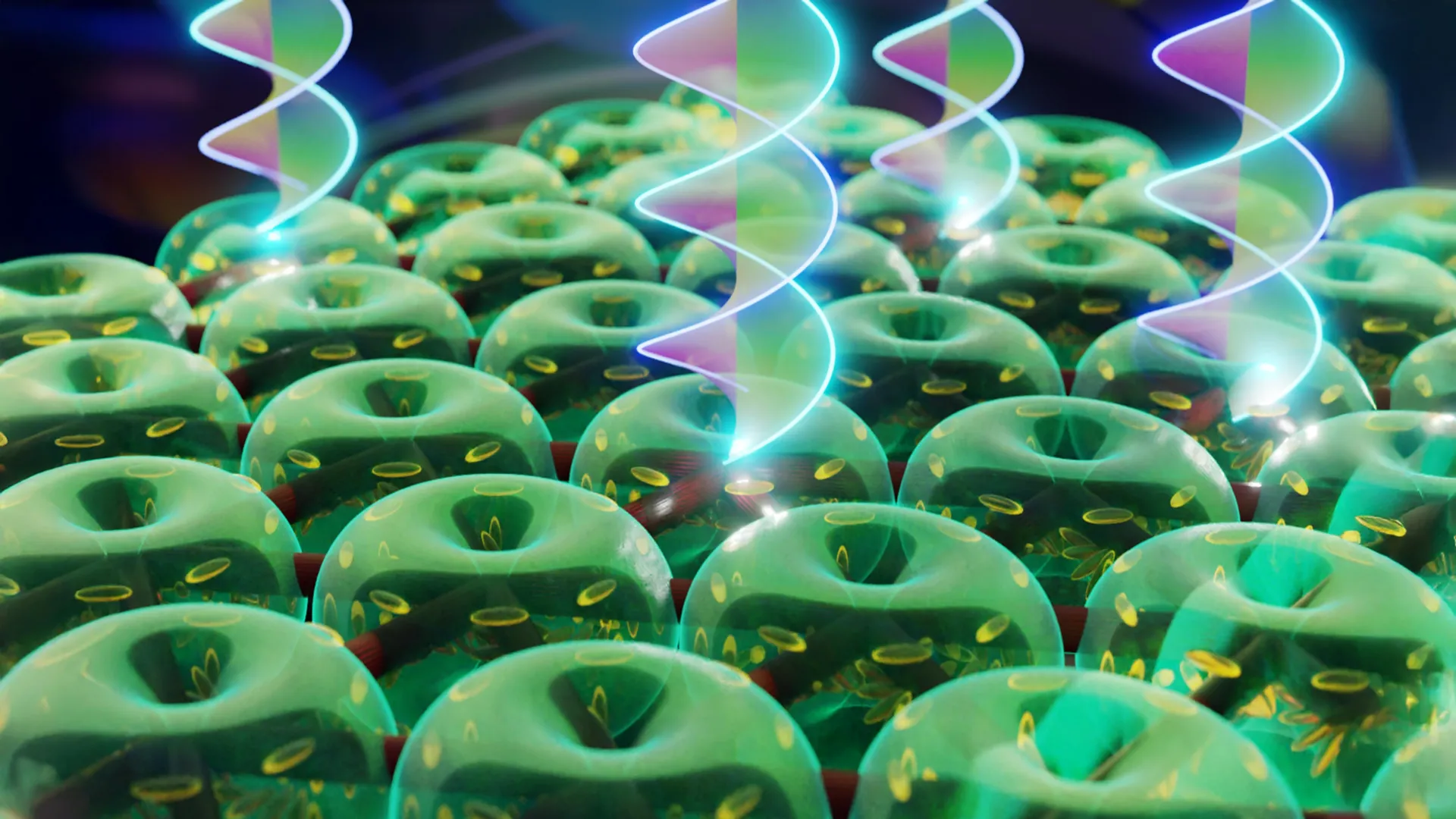
Breakthrough Camera Captures Events in Trillionths of a Second With Unprecedented Detail
New femtosecond imaging technique reveals both brightness and structural changes in ultrafast phenomena, opening doors to understanding fundamental processes in physics and biology.
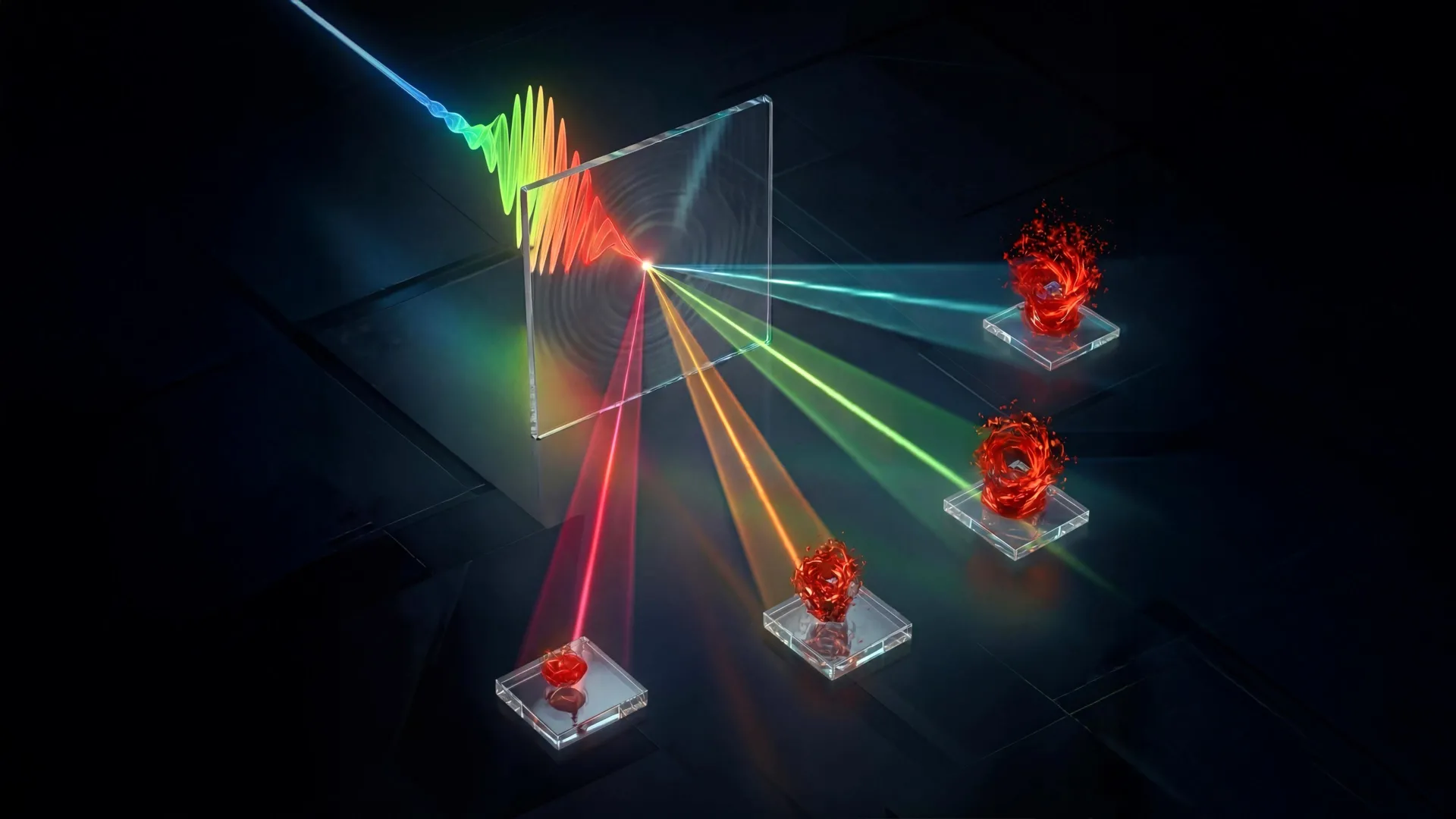
Scientists have unveiled a revolutionary imaging method that can capture the hidden details of events unfolding in trillionths of a second, revealing both brightness changes and subtle structural transformations that were previously invisible in a single shot. The breakthrough technique, known as compressed spectral-temporal coherent modulation femtosecond imaging (CST-CMFI), allows researchers to observe ultrafast phenomena with exceptional clarity and speed, effectively turning rapid microscopic events into detailed "movies" of how matter behaves at the smallest scales.
"In the fields of physics, chemistry, biology and materials science, many important phenomena happen incredibly fast," explained research team leader Yunhua Yao from East China Normal University. "Our new technique can capture the complete evolution of both the brightness and internal structure of an object in a single measurement. This is a big step forward for understanding the fundamental nature of matter, designing new materials and even uncovering the mysteries of biological processes." The research was published in Optica, highlighting its significance for high-impact scientific applications.
The team successfully demonstrated their method by tracking ultrafast activities such as plasma formation in water after a femtosecond laser pulse and observing the behavior of excited charge carriers in semiconductor materials like zinc selenide (ZnSe). Unlike previous techniques that mainly recorded changes in brightness, this new approach captures phase information as well, which reveals how light bends or changes speed as it passes through materials. This dual capability provides scientists with a much more complete picture of what happens during ultrafast processes.
The technique represents a significant advancement over existing ultrafast imaging methods because it combines time-spectrum mapping, compressive spectral imaging, and coherent modulation imaging into a single system. Each component contributes specific advantages, including the ability to follow extremely fast changes, gather more data in one measurement, and preserve fine image details. This combination allows researchers to study processes that unfold within hundreds of femtoseconds—timeframes so brief that conventional cameras cannot capture them.
The applications for CST-CMFI extend far beyond basic research, with potential impacts on clean energy technologies, advanced manufacturing, and next-generation electronics. "Beyond helping scientists study materials that change instantly in response to laser light, chemical reactions that rearrange atoms at lightning speed and the dynamic behavior of biomolecules over incredibly short timescales, CST-CMFI could help improve high-power laser technologies used for clean energy research," Yao noted. The technology might also lead to the development of more efficient solar cells and faster electronic devices by enabling better understanding of how materials behave at extremely fast timescales.