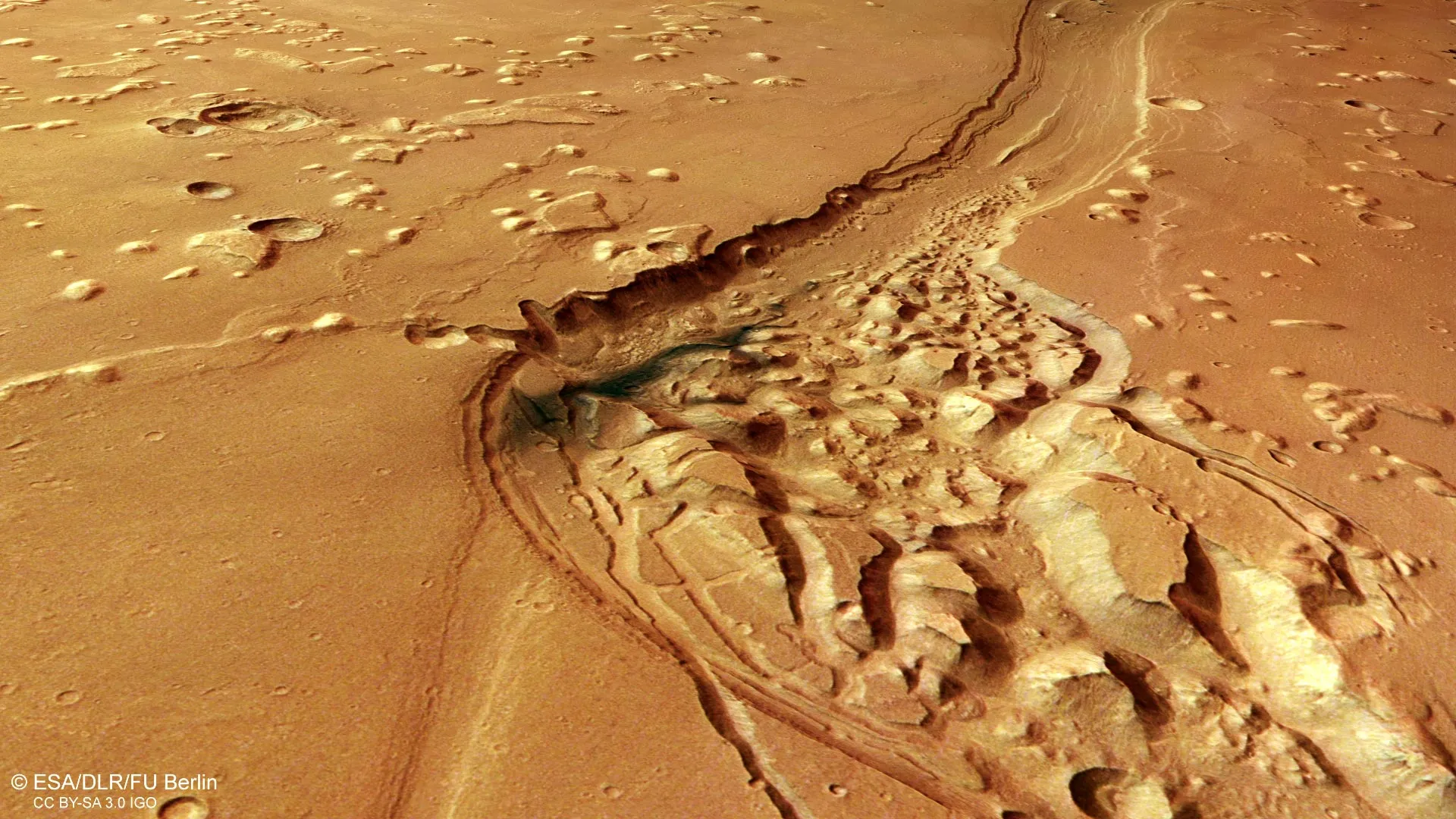
Valles Marineris Is Still Cracking: A Marsquake Traced to a Fault Under the Great Canyon
Imperial College and Columbia researchers pinned a 2021 InSight detection to a deep strike-slip fault, showing ancient faults on Mars can still rupture today.
Topic
29 stories from Planck Standard. Latest: October 25, 2026.

Imperial College and Columbia researchers pinned a 2021 InSight detection to a deep strike-slip fault, showing ancient faults on Mars can still rupture today.

Lunar Reconnaissance Orbiter images show the Moon's radius has dropped about 148 feet over the past 400 to 800 million years. Moonquakes could strike anywhere on its surface.

A University of Washington team reworked the calculations using methods built for Earth's snow and found that earlier estimates of up to 25% dust were far too high.

Scientists found nanoscale particles of high-temperature gamma iron preserved in impact glass, locked in a stable magnetic vortex that could record the moon's ancient field.

University of Alberta physicists report in Nature that the solid inner core tugs on lumps in the mantle, a 'gravitational torque' that explains decades-long swings in the length of a day.

A DLR team mapped surface roughness across the whole planet and found the roughest regions show the fewest contraction scarps. Correcting for what impacts buried brings Mercury's cooling history back in line with physics.

A Paris-Saclay team used Mars Express and MRO spectrometers to rule out liquid water and CO2 geysers at Sisyphi Cavi. The timing points to slabs of carbon dioxide frost sliding downhill on a cushion of sublimating gas, like an air-hockey puck.

Southwest Research Institute modeling that accounts for how strong the colliding rock actually was found the Moon can form intact almost immediately — if Earth and Theia were cold enough.

A new tidal model run out over 4.5 billion years finds the missing Venusian moon needs no catastrophe to explain. The planet killed it, in as little as 30 million years.

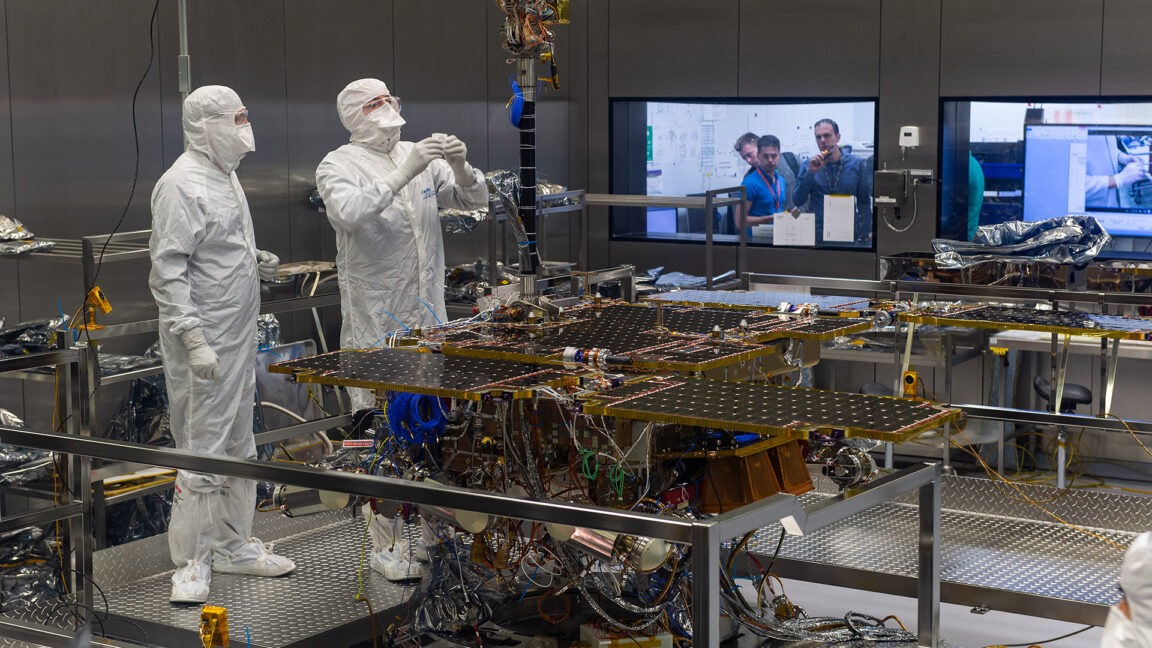
The European and Japanese probes separated from their transfer module on Saturday, with no help possible from Earth. ESA calls the arrival sequence the most operationally difficult ever attempted at a planet.

Lab experiments at up to 2,170C show carbon behaves backwards on Mercury: it stays out of the core and rises to the surface. That also rewrites what the core is made of.

The planet's north pole has worn a hexagon for four decades. The new southern decagon is still strengthening — and two amateur astronomers saw the first hints of it.

A German team calibrated infrared measurements with hand-made glass beads and got 37% SiO₂, not the 62% in earlier estimates. BepiColombo arrives in orbit in November to check.

Gypsum shaped like cabbage leaves and Christmas trees does not form from frost or vapor. It needs pooled brine — on a planet most models say froze solid three billion years ago.

NWA 13441 dates to 1.273 billion years, an age no other Martian meteorite occupies. Its chemistry says it came from a piece of Mars that has sat untouched since the solar system formed.

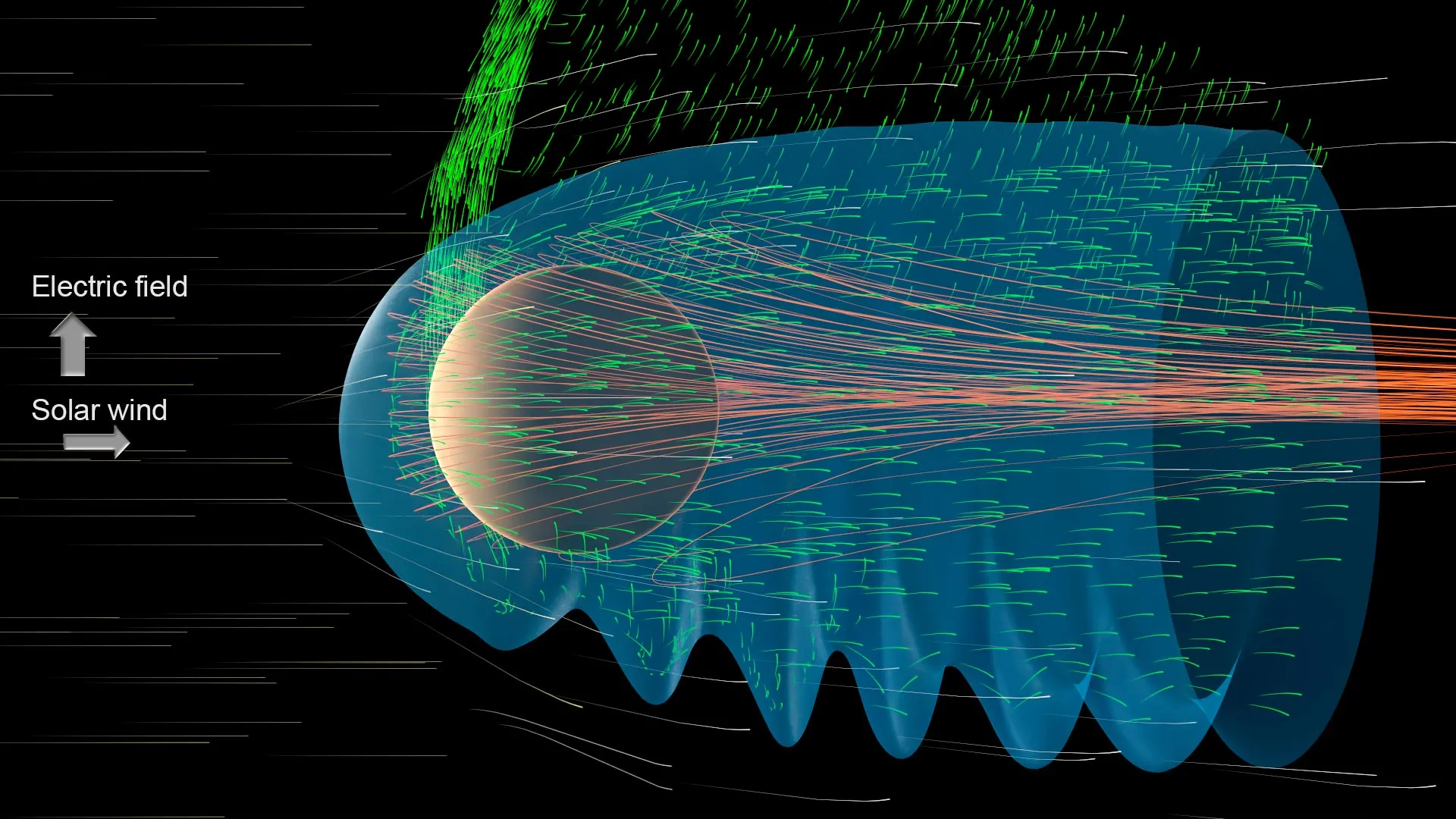
Two spacecraft — NASA's MAVEN and China's Tianwen-1 — watched at the same time and caught Kelvin-Helmholtz waves dumping bulk plasma into space.

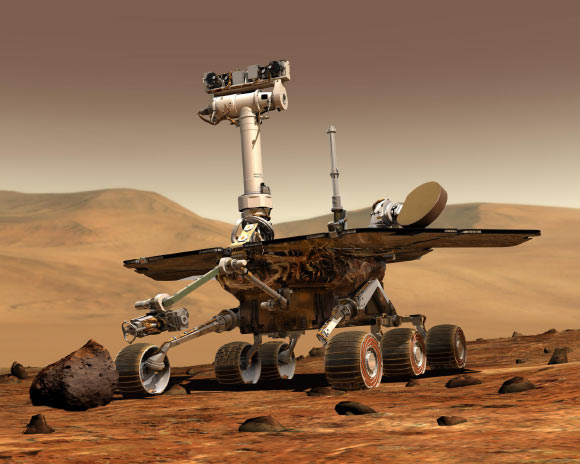
Individual readings from the rover's Mössbauer spectrometer were too noisy to show it. Combined into one composite spectrum, they revealed crystalline hematite sitting in ordinary Martian soil.

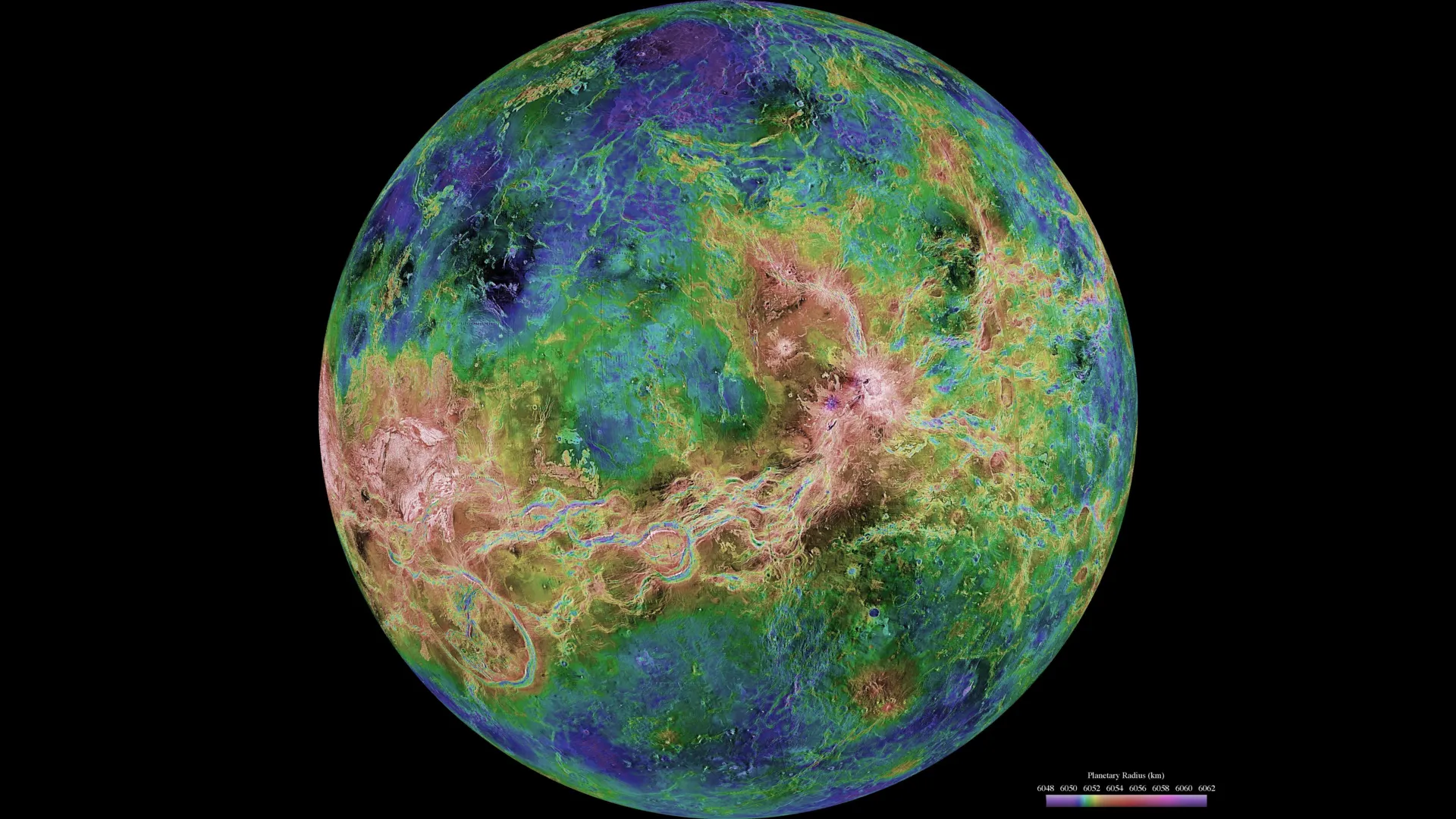
ETH Zurich simulations suggest the planet's vast canyons are far younger than assumed — evidence that Venus is tectonically alive rather than a dead world frozen in place.

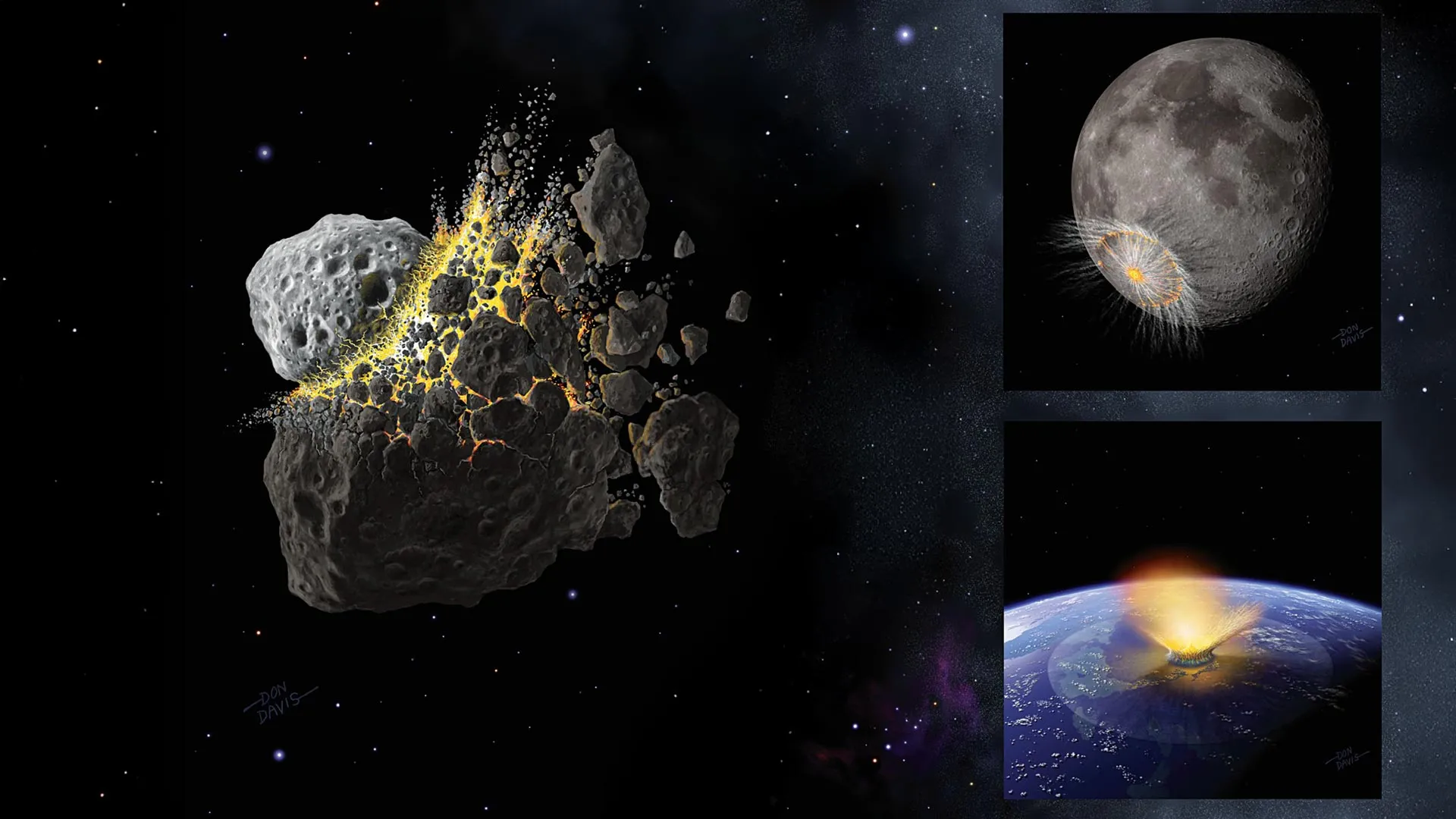
Southwest Research Institute scientists link the breakup of the Eulalia parent body near a Jupiter 'escape hatch' to an ancient wave of impacts that may have reshaped early Earth's environment.

Methane from spacecraft engines can 'hop' across the lunar surface and pile up in the very frozen craters scientists hope will preserve pristine clues to life's origins, researchers say.

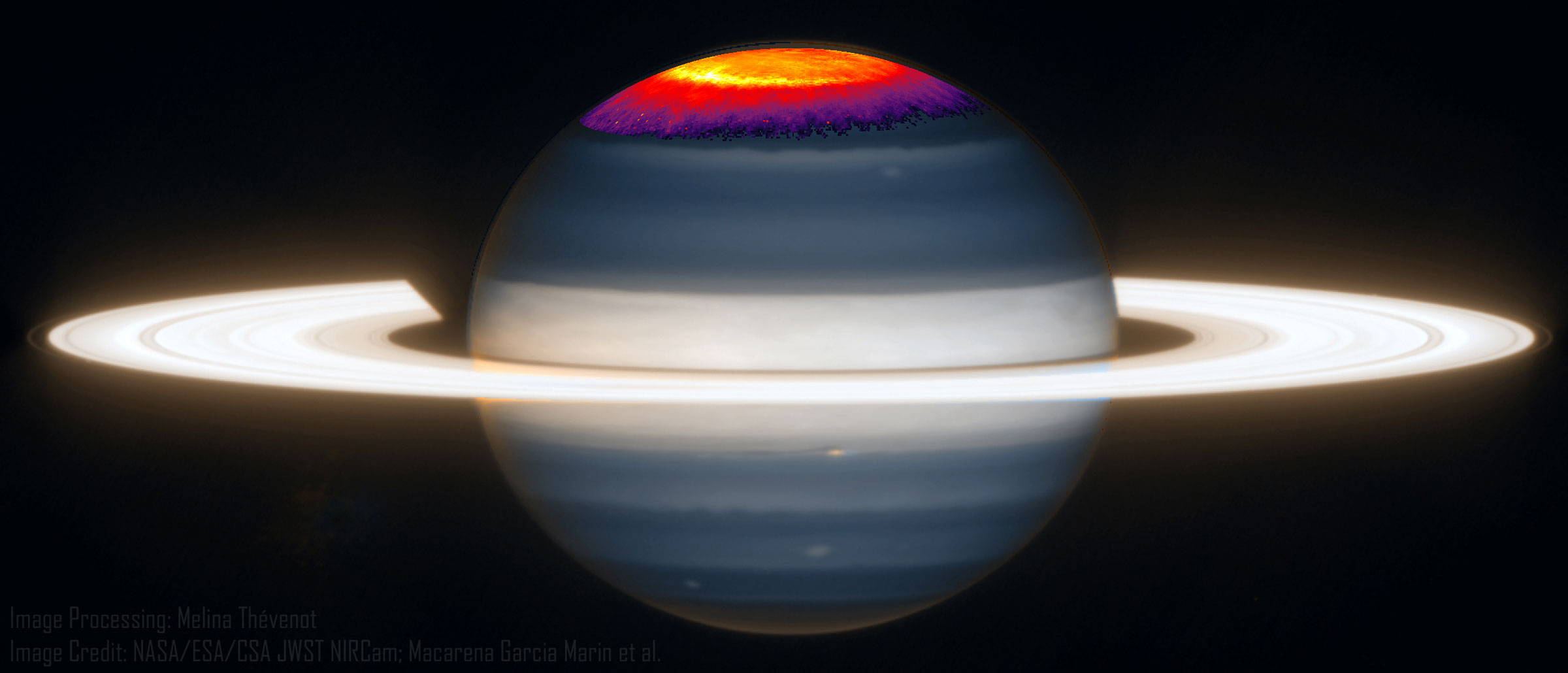
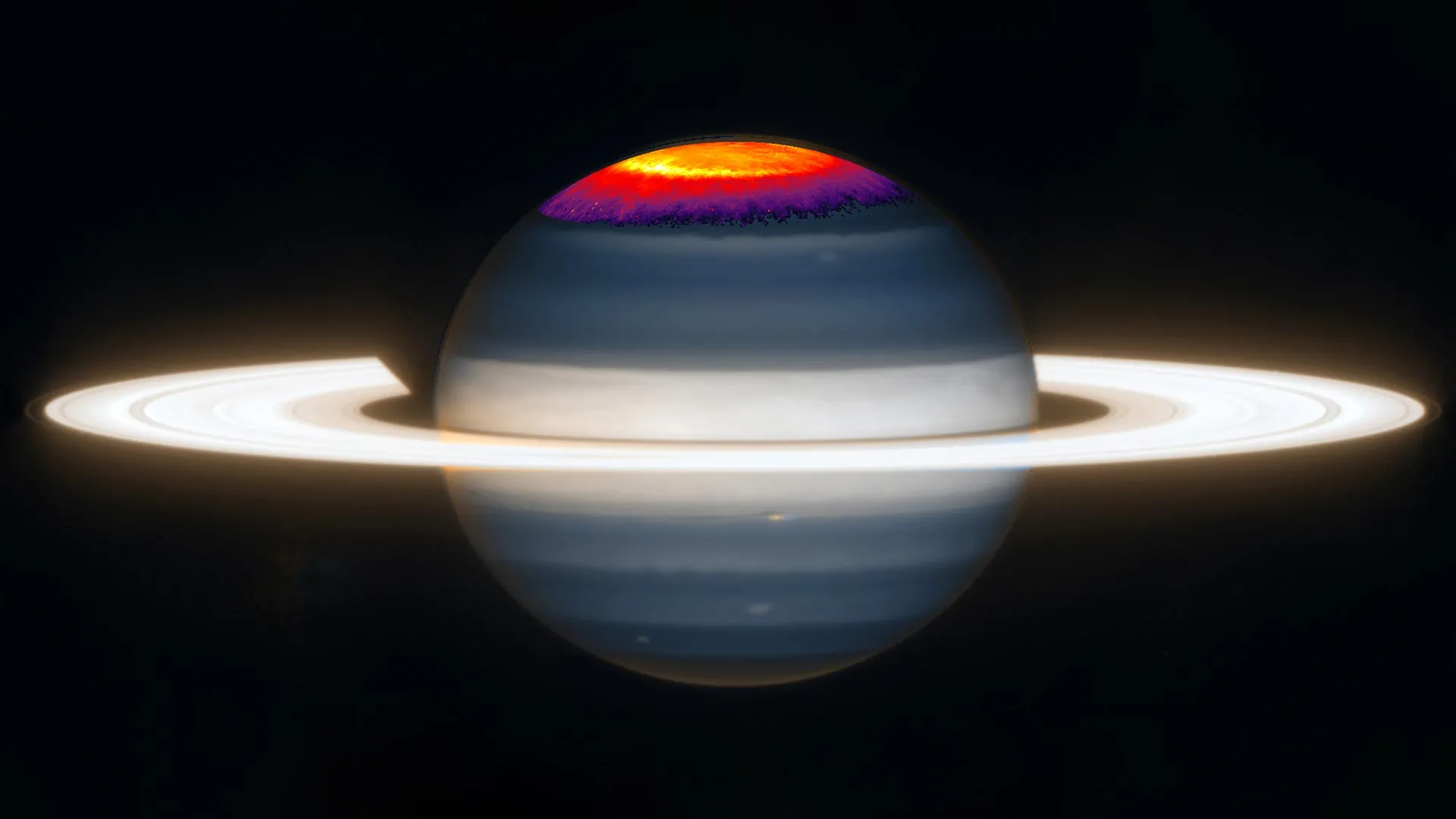
Astronomers used the James Webb Space Telescope to show that Saturn's apparently shifting rotation rate was an illusion created by powerful high-altitude winds — and that the planet's auroras run a self-sustaining heat engine.

Scientists discovered that the planet's northern lights drive powerful atmospheric winds that create electrical currents, solving a decades-old puzzle.

Shalbatana Vallis stretches 1,300 kilometers across Mars, carved by ancient floods that may hint at a lost ocean near the planet's equator.

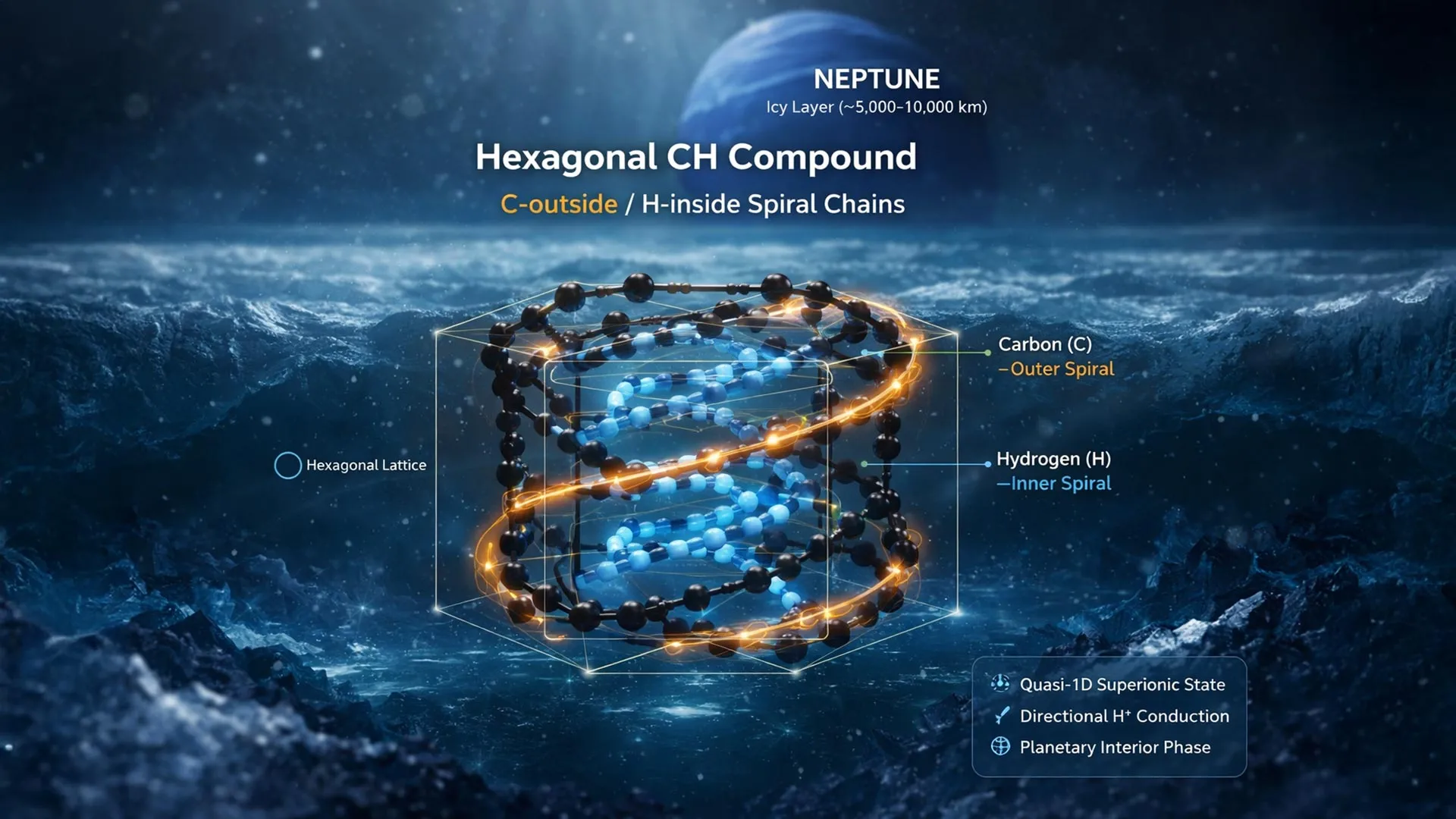
Advanced simulations reveal carbon and hydrogen can form a strange hybrid phase under crushing pressures inside Uranus and Neptune, potentially explaining their mysterious magnetic fields.

Advanced computer simulations reveal carbon and hydrogen could form exotic "superionic" structures in ice giant interiors, reshaping planetary science understanding.

Advanced simulations reveal carbon and hydrogen forming a strange hybrid phase where atoms behave part solid, part fluid under crushing planetary pressures.

Deep inside ice giant planets, carbon and hydrogen atoms form an unusual 'superionic' state where hydrogen spirals through rigid carbon frameworks. The discovery could explain these worlds' mysterious magnetic fields.

European space mission secures new launch opportunity after previous partnerships collapsed, marking end of long saga of setbacks and diplomatic complications.

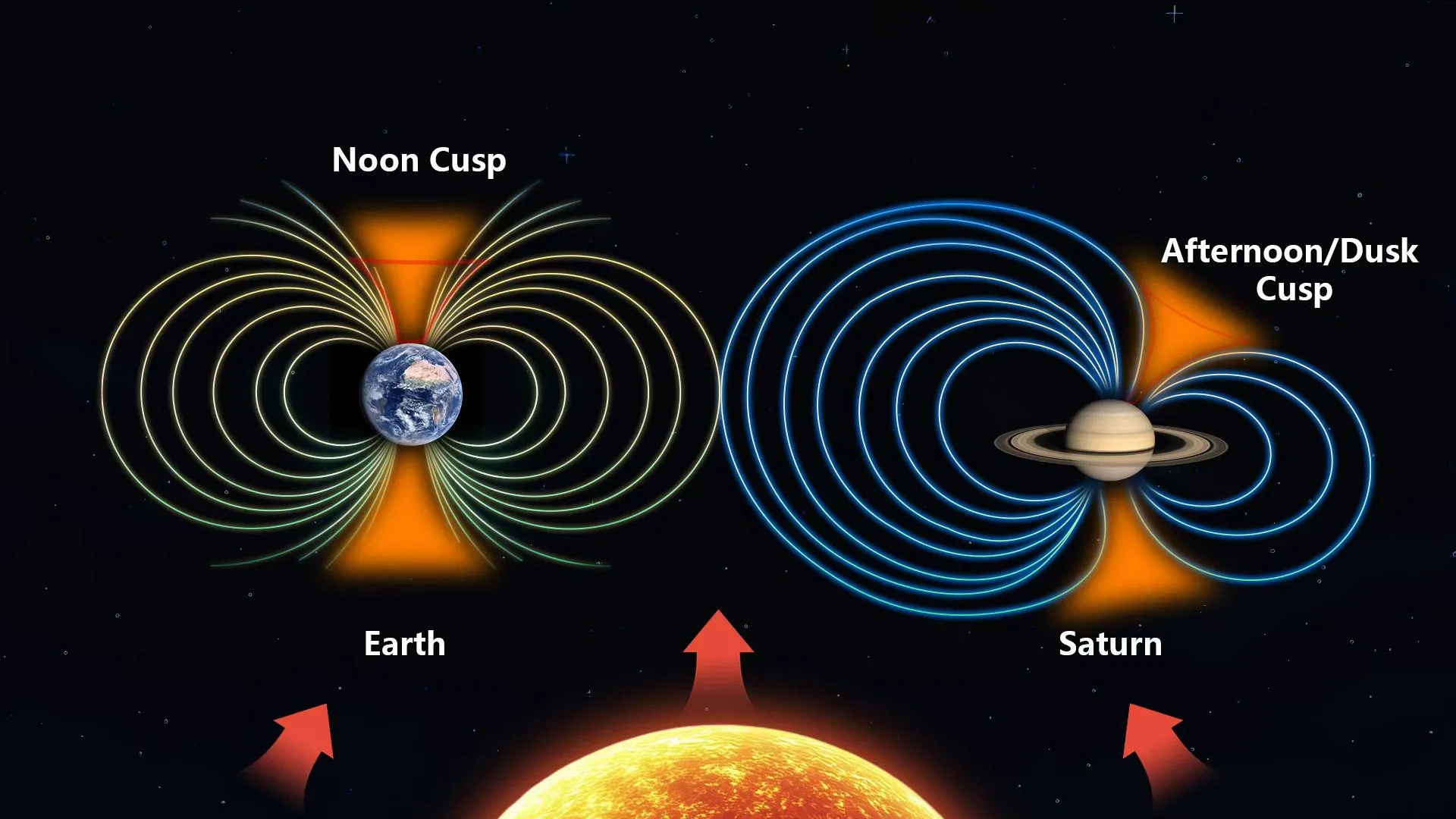
Six years of Cassini data reveals why the gas giant's magnetic shield is skewed compared to Earth's symmetrical field.