A Shattered Asteroid May Have Bombarded Earth, the Moon and Mars 800 Million Years Ago, New Study Finds
Southwest Research Institute scientists link the breakup of the Eulalia parent body near a Jupiter 'escape hatch' to an ancient wave of impacts that may have reshaped early Earth's environment.
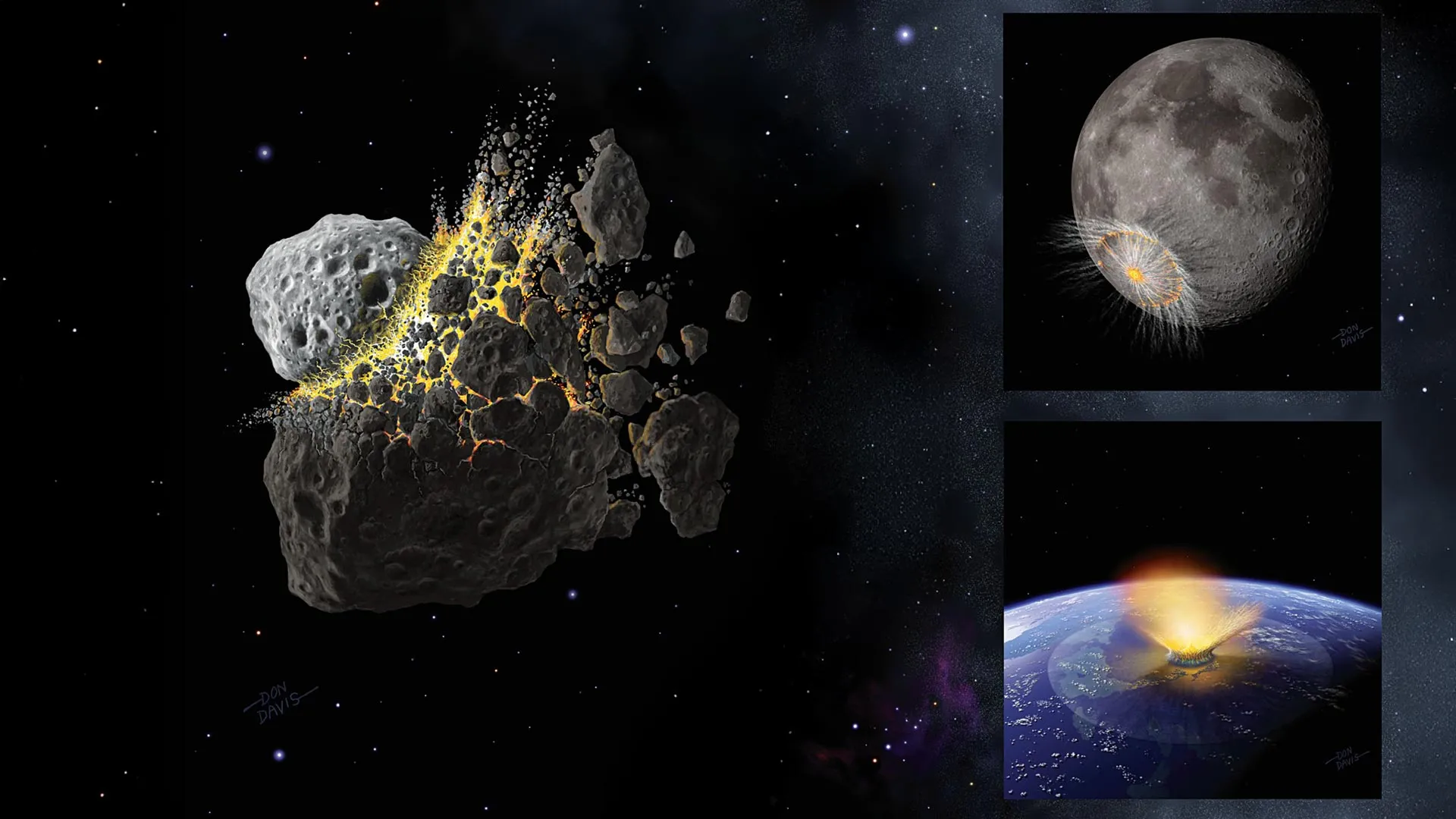
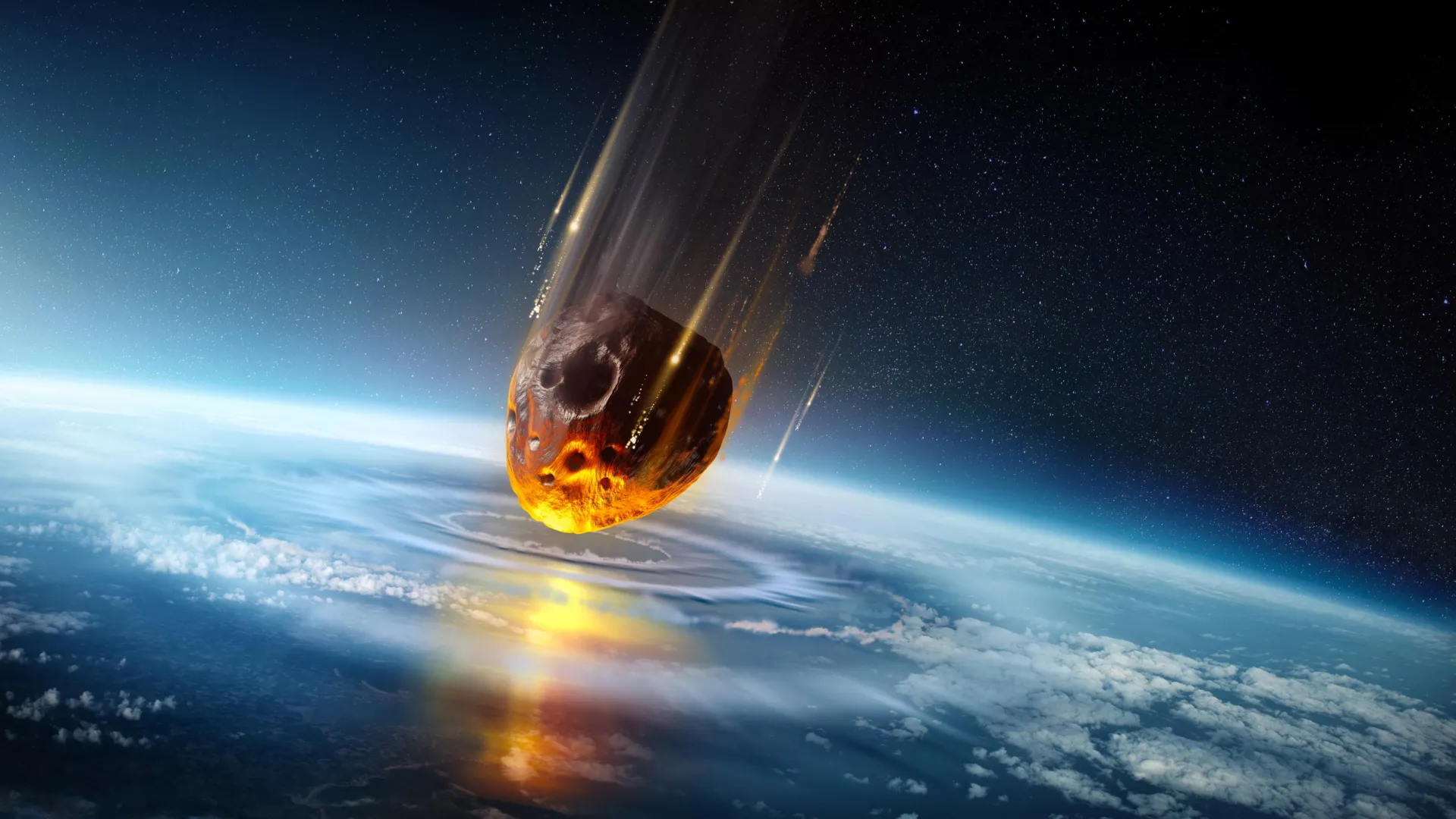
About 800 million years ago, the inner solar system endured a sudden hail of asteroid impacts, pockmarking the Moon and pelting Earth and Mars. A new study led by the Southwest Research Institute (SwRI) offers a compelling culprit: the catastrophic breakup of a single large asteroid, whose fragments were flung inward through a gravitational shortcut controlled by Jupiter.
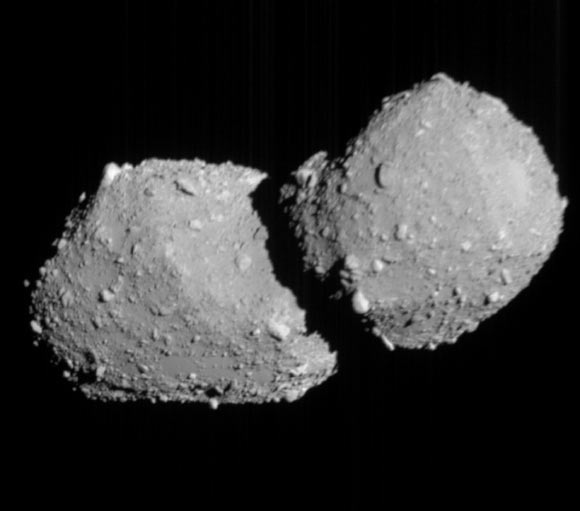
The researchers trace the bombardment to the destruction of the Eulalia parent body, an asteroid in the main belt between Mars and Jupiter. When that object shattered in a collision, it happened to be sitting on the brink of a powerful gravitational feature known as the 3:1 mean-motion resonance with Jupiter, or J3:1. Scientists describe the resonance as a kind of escape hatch: material that drifts into it gets its orbit rapidly stretched and destabilized, launching debris out of the asteroid belt and into planet-crossing paths.
Through that gateway, a torrent of Eulalia fragments was hurled toward the inner planets, according to the SwRI-led team, which laid out its case in a paper titled after the "800-million-year-old impact shower on the terrestrial planets." The timing and distribution of the debris, the researchers argue, neatly match a spike in impacts recorded in the geologic and lunar record around that era.
The consequences may have been far-reaching. On the Moon, the barrage could account for a set of ancient craters whose origin has been debated. On Earth, a sustained rain of impacts around 800 million years ago could have injected dust and material into the environment with measurable effects on climate and, potentially, on the biosphere at a pivotal moment in the planet's history. The study suggests the event may have left both geological and biological fingerprints.
Mars, too, would have felt the assault. The researchers say the impacts would have triggered substantial seismic shaking across the red planet, and they note that the episode coincides in time with a surge in Martian volcanic activity, raising the possibility that a distant asteroid collision helped shake the planet's interior into action.
By connecting a specific catastrophe in the asteroid belt to a solar-system-wide bombardment, the work adds to a growing understanding that the histories of the planets are tightly linked, and that a single violent event hundreds of millions of miles away can leave scars across multiple worlds at once. Future studies of lunar craters and impact debris will test whether the Eulalia breakup truly authored one of the inner solar system's ancient bad days.